How to Choose a Custom Software Development Company for Your Business
Businesses may know they need custom software to improve their operations but still struggle to identify the right development partner for their needs. Choosing a software provider involves more than comparing prices or assessing technical skills, because the provider must also understand how the business operates and what the software needs to achieve. The wrong partner can result in unclear requirements, poor communication, project delays, unsuitable functionality, and additional costs that reduce the value of the investment. For this reason, businesses looking for a software development company in Kenya should evaluate potential partners based on their ability to understand business requirements, deliver suitable technical solutions, follow a reliable development approach, provide ongoing support, and create long-term value.

What Is a Custom Software Development Company?
A custom software development company helps businesses plan, build, implement, and maintain software designed around specific operational requirements. Instead of requiring a business to adapt all its processes to an existing application, the development company works with the business to understand its needs and create appropriate functionality, integrations, and workflows. Understanding what these companies do and when their services are appropriate makes it easier to determine whether custom software is the right approach for your business:
1. What Does a Custom Software Development Company Do?
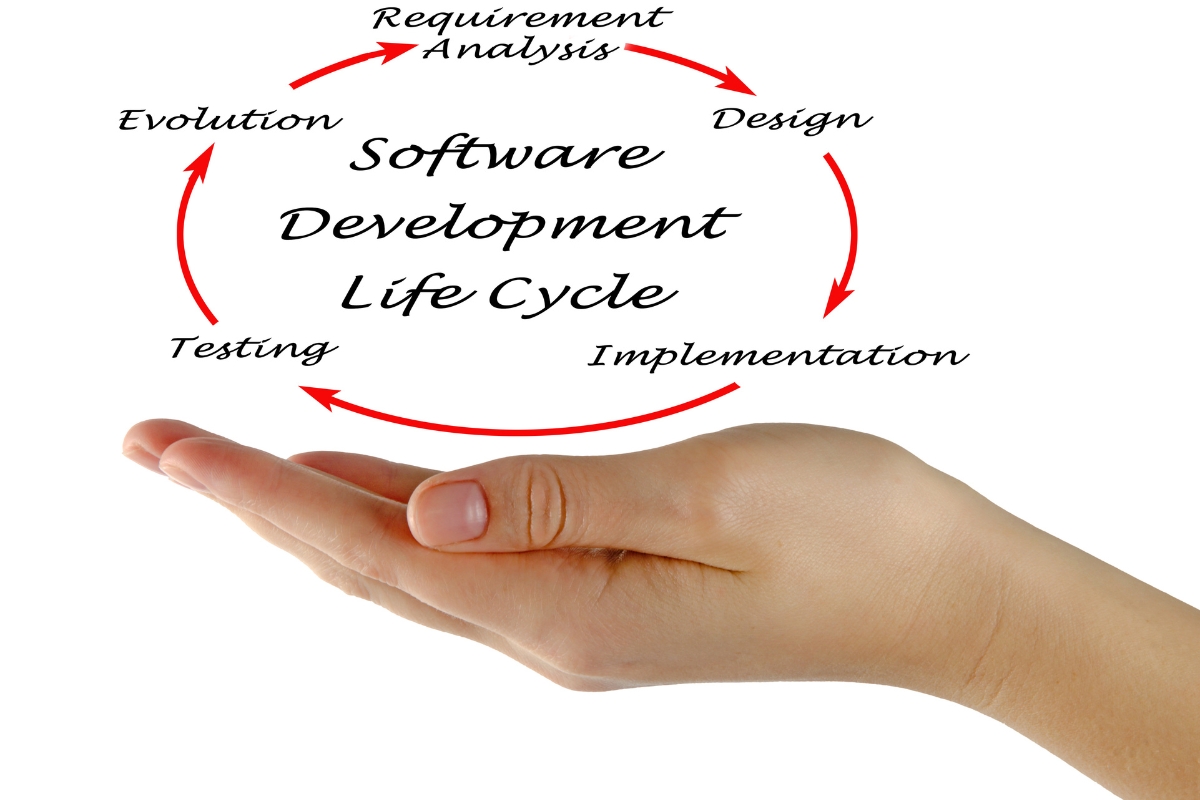
A custom software development company takes a business requirement from initial analysis through implementation and ongoing support. The process can include requirements analysis to understand the problem, software planning to define the appropriate solution, UI/UX design to create usable interfaces, development to build the required functionality, integrations to connect relevant systems, testing to identify problems, deployment to make the software available to users, and post-launch support to maintain and improve the system. The exact activities vary according to the project’s scope, but the objective is to create software that addresses defined business needs rather than simply providing generic functionality.
2. How Is a Custom Software Development Company Different From an Off-the-Shelf Software Provider?
An off-the-shelf software provider offers an existing product with predefined features and workflows that businesses can use with limited customization. A custom software development company, in contrast, builds functionality around specific requirements and may adapt the system to existing business processes, users, data, and integrations. Custom development therefore requires greater involvement in requirements definition, solution planning, implementation, testing, and refinement because the software is being developed to address the particular needs of the business.
3. What Types of Businesses Can Work With a Custom Software Development Company?
Custom software can be relevant to SMEs, growing companies, and larger organizations that have operational requirements their existing tools cannot adequately support. It can also benefit businesses with specialized workflows, disconnected systems, repetitive manual processes, or a need to automate activities and integrate different applications. The size of the business alone does not determine whether custom development is appropriate; the more important consideration is whether the business has specific problems that require a suitable digital solution.
4. When Should a Business Consider Custom Software Development?
A business may consider custom software when existing applications cannot provide the required functionality or force employees to work around important operational limitations. Other indicators include heavy reliance on manual processes, disconnected systems, specialized workflows, reporting difficulties, or anticipated growth that existing tools may not support effectively. Custom development can be appropriate when a business needs a system that brings these requirements together rather than continuing to manage them through multiple disconnected tools or workarounds.
5. What Should a Development Company Help a Business Achieve?
A development company should help the business address a clearly defined operational problem rather than simply introduce new technology. Depending on the requirements, the resulting system may improve efficiency, connect information across departments, automate repetitive processes, improve customer interactions, and give management better visibility into operations. The ultimate objective should be measurable business improvement, such as reduced manual work, faster processes, better information flow, improved service, or stronger capacity for growth.
Why Is Choosing the Right Software Development Company Important?
Choosing the right development company can influence how effectively the final software addresses the problems it was intended to solve. A provider that understands the business, communicates clearly, manages development properly, and plans for future requirements can reduce risks that affect cost, timelines, usability, and system performance. The consequences of choosing well or poorly can therefore extend beyond the development project and affect how the business operates after implementation:
1. Aligning Software With Business Requirements
The right development company takes time to understand what the business needs before defining the software solution. This helps ensure that the resulting functionality supports actual workflows, users, processes, and objectives instead of introducing features that have little practical value. Better alignment also reduces the likelihood that employees will need to create workarounds because the software does not reflect how the business operates.
2. Avoiding Unnecessary Development Costs
Poorly defined requirements can lead to unnecessary features, repeated development work, scope changes, and additional implementation costs. A capable provider can help distinguish essential functionality from features that can be postponed or excluded, allowing the business to direct its investment toward higher-priority needs. This does not necessarily mean choosing the cheapest development option; it means controlling spending by building what the business actually needs.
3. Reducing Project Delays
Software projects can experience delays when requirements are unclear, decisions take too long, responsibilities are not defined, or changes are introduced without proper planning. A development company with a structured approach can identify requirements early, establish realistic milestones, communicate dependencies, and address issues before they significantly affect the project timeline. This helps the business plan implementation and allocate internal resources more effectively.
4. Improving Software Quality
Software quality affects whether employees can use the system reliably and whether it continues to perform as expected after launch. The right provider should apply appropriate design, development, testing, and quality assurance practices throughout the project rather than treating testing as an activity that happens only at the end. Better quality can reduce operational disruptions, recurring errors, and the need for avoidable corrective work after implementation.
5. Protecting Business Data
Business software may handle customer information, employee records, financial data, operational information, and other sensitive records. Choosing a provider that considers security during requirements definition, development, access management, data handling, testing, and deployment can reduce the risks associated with inappropriate access or weak system controls. Data protection therefore needs to be considered as part of software development rather than added after the system has already been built.
6. Supporting User Adoption
Even technically capable software can deliver limited value when employees find it difficult to understand or use. A development company should consider the needs of actual users when designing workflows and interfaces and should provide appropriate testing, training, and implementation support. This can make it easier for employees to adopt the system and use its functionality consistently in their daily work.
7. Creating a Scalable System
Business requirements can change as the number of users, transactions, departments, locations, and integrations increases. A development company that considers these potential changes during planning can build a system that accommodates reasonable growth without requiring unnecessary redevelopment. The goal is not to overbuild the software from the beginning, but to avoid creating limitations that could restrict the business as its requirements develop.
8. Supporting Long-Term Business Value
The value of software should extend beyond successfully launching the initial system. The right development partner can help the business create a solution that improves operations, supports users, accommodates changing requirements, and can be maintained over time. This makes the development investment more useful because the software continues to support business objectives rather than becoming another system that eventually has to be replaced.
What Should You Consider Before Choosing a Software Development Company?
Choosing a software development company becomes easier when the business understands what it needs before approaching potential providers. A clear definition of the problem, objectives, users, processes, systems, functionality, technical requirements, budget, and expected outcomes gives providers a stronger basis for proposing suitable solutions. Before comparing a software development company in Kenya with other providers, establish the following:

1. Define the Business Problem
Start by identifying the specific business problem the software needs to address rather than beginning with a list of technologies or features. This could involve excessive manual work, disconnected information, inefficient workflows, poor reporting, customer service challenges, or limitations in existing software. A clearly defined problem helps the development company understand what the proposed system needs to improve.
2. Define Your Business Objectives
Determine what the business expects to achieve by developing or implementing the software. Objectives may include reducing processing time, improving productivity, increasing visibility, automating repetitive work, improving customer service, or supporting expansion. Clear objectives give the project a basis for evaluating whether the proposed solution will deliver meaningful business value.
3. Identify the Users
Identify who will use the software and what each user group needs to accomplish. Employees, managers, customers, administrators, suppliers, or other stakeholders may require different permissions, interfaces, workflows, and functionality. Understanding the users early helps ensure that the proposed system supports actual activities rather than being designed around assumptions.
4. Document Existing Processes
Document how relevant activities are currently performed, including manual steps, approvals, data entry, handoffs, and points where delays or errors occur. This gives the development company a clearer picture of the existing workflow and helps identify what should be retained, improved, automated, or removed. It also prevents the business from simply transferring inefficient processes into a new system.
5. Identify Existing Systems
List the software, websites, databases, spreadsheets, applications, and other tools currently used to manage business information or processes. Understanding the existing technology environment helps determine whether the new system should replace, connect with, customize, or work alongside these tools. It also gives providers important information about the project’s technical and integration requirements.
6. Define Required Features
Identify the functionality the business considers necessary for the system to solve the defined problem. Features may include user accounts, dashboards, reporting, workflows, booking functions, customer portals, notifications, document management, or other business-specific capabilities. Separating essential features from optional future functionality can also help control scope and development costs.
7. Identify Integration Requirements
Determine which existing systems need to exchange information with the proposed software. This may include accounting systems, payment platforms, websites, CRMs, databases, communication tools, or third-party applications. Identifying these requirements early allows potential providers to assess the technical work involved instead of treating integrations as an afterthought.
8. Define Data Requirements
Establish what information the system needs to collect, store, process, retrieve, report, or transfer. Consider where existing data is stored, whether it needs to be migrated, who should access it, and how different types of information should relate to each other. Clear data requirements help providers design a system that supports reliable information management and reporting.
9. Establish Security Requirements
Identify the level of protection required for business and customer information before development begins. Consider user access, permissions, authentication, sensitive data, backups, audit requirements, and other relevant controls based on the nature of the business. These requirements allow the provider to incorporate appropriate security measures into the system rather than adding them after development.
10. Determine Scalability Requirements
Consider how the business and its software requirements may change as users, transactions, data, departments, locations, or customers increase. The business does not need to predict every future requirement, but it should identify realistic growth expectations that could influence the system’s design. This helps the development company plan for reasonable growth without unnecessarily increasing the initial scope.
11. Define Your Budget
Establish a realistic investment range based on the problem being solved, required functionality, technical requirements, integrations, implementation, and ongoing support. A budget gives providers a practical boundary for developing and recommending an appropriate solution. It can also help the business distinguish between essential functionality for the initial release and improvements that can be introduced later.
12. Establish Expected Business Outcomes
Define how the business will determine whether the software has delivered the intended value. Outcomes could include reduced manual work, faster processing, fewer errors, improved reporting, better customer response times, increased productivity, or lower operating costs. Establishing these outcomes before selecting a provider creates a clearer basis for evaluating proposals and measuring the results after implementation.
How Do You Evaluate a Software Development Company’s Experience?
The experience of a software development company should be assessed by examining the relevance and quality of its previous work rather than relying only on the number of years it has operated. A provider may have extensive experience but limited knowledge of the type of business problem, integrations, workflows, or system complexity involved in your project. When evaluating a software development company in Kenya, look for evidence that its previous experience can translate into a suitable solution for your specific requirements:
1. Review Relevant Project Experience
Examine previous projects that are comparable to what your business needs to develop. Look at the types of systems delivered, functionality involved, user requirements, integrations, and business challenges addressed. Relevant projects provide stronger evidence of capability than a long list of unrelated software projects.
2. Examine Experience With Similar Business Problems
A provider’s understanding of the business problem can be more important than whether it has worked in the exact same industry. Look for experience solving problems such as workflow inefficiencies, manual processes, disconnected systems, reporting limitations, customer management challenges, or operational bottlenecks. This can indicate whether the company knows how to translate a business challenge into an appropriate digital solution.
3. Review Previous Software Projects
Ask to see examples of completed software projects where appropriate, including descriptions of the original requirements, solution developed, and implementation process. Reviewing previous work can help you assess the provider’s approach to functionality, usability, system structure, and overall delivery. Where client confidentiality limits what can be shown, the company should still be able to explain the type of work it has completed.
4. Assess Industry Knowledge Where Relevant
Industry knowledge can be useful when a project involves specialized terminology, regulations, workflows, customer expectations, or operational requirements. However, a provider does not necessarily need extensive experience in your exact industry if it demonstrates strong requirements discovery and the ability to understand unfamiliar business processes. Assess industry experience as a useful advantage rather than the only measure of capability.
5. Examine Technical Capabilities
Review whether the company has the technical capabilities required for your specific project, including application development, databases, APIs, integrations, security, reporting, automation, and other relevant areas. The important question is not whether the provider uses the latest technology, but whether its technical capabilities are appropriate for the system you need. This helps prevent selecting a company based on impressive technical terminology that does not address your actual requirements.
6. Review Integration Experience
If your software needs to communicate with existing systems, examine the provider’s experience with APIs, databases, third-party applications, payment platforms, websites, or other relevant technologies. Integration experience matters because poorly planned connections can create data duplication, unreliable information flows, and additional maintenance requirements. Ask providers to explain how they have handled similar integration requirements in previous projects.
7. Assess Experience With Similar Project Complexity
Consider whether the company has delivered projects with a similar level of functionality, number of users, integrations, data requirements, security needs, and operational importance. A provider that has only delivered small standalone applications may not have the experience required for a complex business system. Matching project complexity helps reduce the risk of selecting a provider whose previous work does not reflect the demands of your project.
8. Look for Evidence of Measurable Business Outcomes
Look beyond screenshots and technical project descriptions to determine what previous software actually helped businesses achieve. Evidence may include reduced manual work, faster processing, improved reporting, fewer errors, better customer service, increased productivity, or other measurable improvements. Experience is most valuable when it demonstrates an ability to create useful business outcomes, not simply an ability to build software.
What Technical Capabilities Should a Software Development Company Have?
Technical capability determines whether a software development company can turn defined business requirements into a reliable and usable system. Businesses do not need to select a provider simply because it uses advanced technologies; they need to determine whether its capabilities match the functionality, integrations, security, reporting, and growth requirements of the project. When evaluating a software development company in Kenya, consider whether it can provide the technical capabilities required to support the business now and as its needs develop:

1. Software Architecture
Software architecture defines how the different components of an application are structured and how they work together. A suitable architecture can make the system easier to maintain, secure, integrate, and expand as requirements change. Businesses should therefore assess whether the provider can design an architecture that fits the system’s current requirements without creating unnecessary complexity.
2. Web Application Development
Web application development involves building software that users can access through web browsers to perform defined business activities. Depending on the requirements, this may include customer portals, management systems, dashboards, booking platforms, internal applications, or other browser-based solutions. The provider should be able to create applications that are functional, usable, secure, and appropriate for the intended users.
3. Mobile Application Development
Mobile application development enables businesses to provide software functionality through smartphones and tablets where mobile access is important. This can support employees working away from the office, customers using mobile services, field teams, or other users who need access while moving between locations. The relevant capability depends on whether the business actually requires a mobile application, rather than treating mobile development as a mandatory feature of every project.
4. Database Development
Database development involves designing how the software stores, organizes, retrieves, and manages business information. A well-designed database can support accurate records, efficient information retrieval, reporting, user access, and future system growth. Businesses should assess whether the provider can structure data appropriately for the volume, relationships, security requirements, and activities the system will need to support.
5. API and System Integration
API and system integration capabilities allow different applications and services to exchange relevant information and work together. This is important when a new system needs to connect with existing software, payment services, websites, databases, communication platforms, or other business tools. Strong integration capability can reduce duplicate data entry and create more consistent information flows across the business.
6. Cloud and Hosting Requirements
Cloud and hosting capabilities determine how the software is deployed, accessed, stored, and maintained in its operating environment. The appropriate setup depends on factors such as application requirements, expected usage, security, availability, data management, and budget. A capable provider should be able to recommend a suitable hosting approach rather than selecting infrastructure without considering the business’s actual requirements.
7. Security Implementation
Security implementation involves protecting the software, its users, and the information it handles from inappropriate access, data exposure, and other risks. Relevant measures can include authentication, access controls, secure data handling, encryption, backups, and appropriate security testing. Businesses should assess whether security is incorporated throughout development rather than treated as an additional feature after the system has been built.
8. Testing and Quality Assurance
Testing and quality assurance help identify functional problems, usability issues, security weaknesses, integration failures, and other defects before and after deployment. A provider should have appropriate testing processes that reflect the complexity and intended use of the software. This matters because reliable testing can reduce disruptions and costly corrections once the system becomes part of daily business operations.
9. Reporting and Dashboard Development
Reporting and dashboard development enables businesses to turn system data into useful operational and management information. Depending on the requirements, this can include performance indicators, activity summaries, financial information, customer data, workflow status, or other relevant reports. The provider should understand what decisions the business needs to make so that reports present useful information rather than simply displaying large amounts of data.
10. Workflow Automation
Workflow automation allows software to handle repetitive steps, notifications, approvals, assignments, data transfers, and other defined processes with less manual intervention. This can reduce repetitive work, improve consistency, and help employees focus on activities that require human judgment. The provider should first understand the existing workflow so that automation improves the process rather than simply reproducing an inefficient one.
11. Performance Optimization
Performance optimization involves ensuring that the software responds efficiently under the conditions in which users are expected to operate it. Poor performance can slow employees down, frustrate customers, and reduce productivity, particularly as usage increases. A capable provider should consider application performance, database efficiency, infrastructure, and other relevant factors throughout development.
12. Scalability Planning
Scalability planning considers how the system can accommodate reasonable increases in users, transactions, data, features, integrations, or other business requirements. The provider should identify potential growth requirements during planning rather than waiting until the system reaches its limitations. Effective scalability planning supports future growth without requiring the business to pay for unnecessary complexity from the beginning.
How Should You Assess a Software Development Company’s Development Process?
A development process shows how a provider moves from understanding a business problem to delivering and improving a working software solution. A company that starts coding before properly understanding requirements can create functionality that is technically sound but unsuitable for the business. When evaluating a software development company, look for a structured process that covers business problem identification, planning, development, implementation, and improvement:
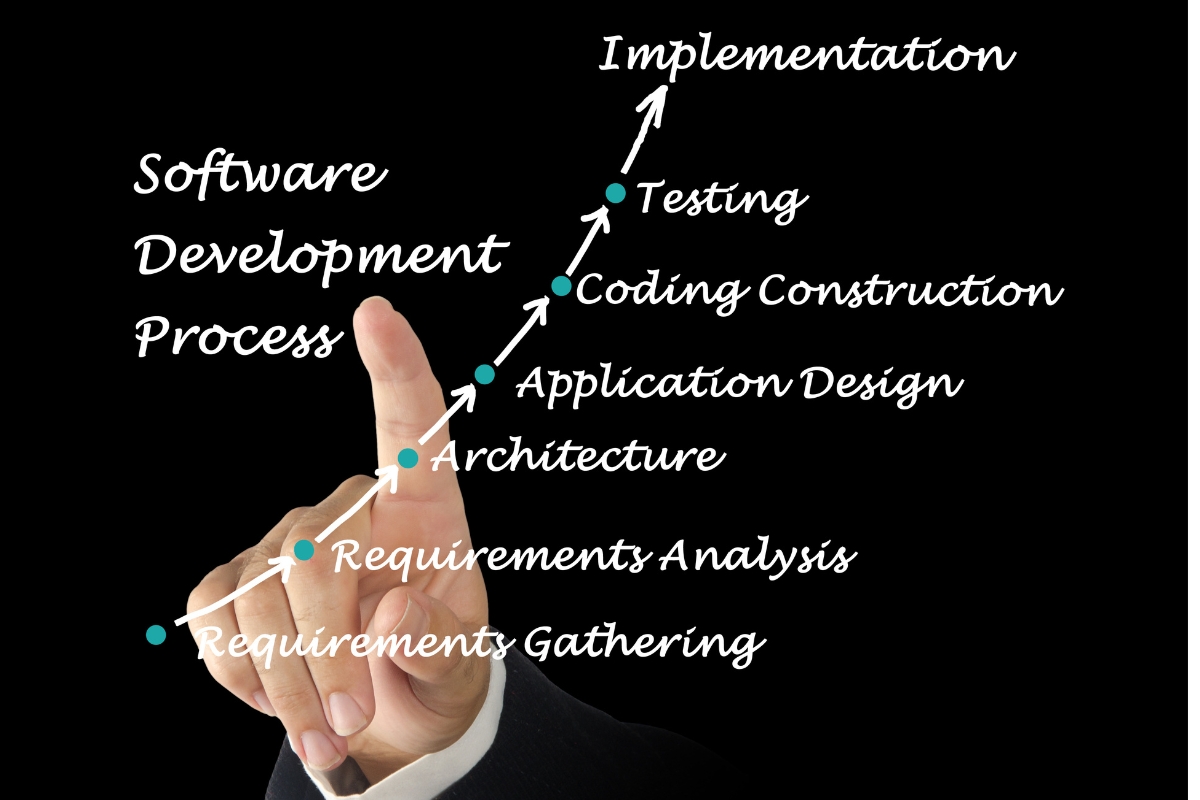
1. Requirements Discovery
Requirements discovery involves understanding what the business needs the software to accomplish, who will use it, and what problems it should address. The provider should ask relevant questions, gather information from stakeholders, and clarify requirements before development begins. This creates a stronger foundation for the project and reduces misunderstandings later.
2. Business Process Analysis
Business process analysis examines how activities are currently performed and identifies inefficiencies, dependencies, bottlenecks, and opportunities for improvement. This helps the provider understand what should be automated, changed, integrated, or retained in the proposed system. It also prevents the business from simply digitizing processes that are already inefficient.
3. Project Planning
Project planning establishes how the development work will be organized, including major activities, responsibilities, milestones, resources, dependencies, and expected deliverables. A clear plan helps the business understand how the project will progress and when important decisions or approvals may be required. It also gives the development team a basis for monitoring progress and managing risks.
4. Scope Definition
Scope definition establishes what the project will and will not include. This should cover agreed functionality, integrations, deliverables, implementation requirements, and other relevant work while distinguishing future improvements from the initial release. Clear scope helps control costs and reduces disputes caused by different interpretations of what the provider is expected to deliver.
5. UI/UX Design
UI/UX design focuses on how users interact with and experience the software. The provider should consider user roles, workflows, navigation, accessibility, information presentation, and the tasks users need to complete. Good design can make the system easier to understand and use, which supports adoption and reduces unnecessary user frustration.
6. Development
Development is the stage where the agreed functionality is built according to the defined requirements, design, architecture, and technical approach. A structured provider should maintain alignment between development work and the approved scope rather than continuously adding functionality without proper review. This helps keep the project controlled while ensuring the software remains connected to its intended business purpose.
7. Testing
Testing checks whether the developed software performs as expected and identifies defects or problems that need correction. Depending on the project, testing can cover functionality, usability, integrations, security, performance, and different user scenarios. A provider with a defined testing process can identify issues before they significantly affect business operations.
8. User Acceptance
User acceptance allows representatives of the business to evaluate whether the software meets the agreed requirements and works appropriately for real business activities. Feedback from actual users can reveal practical issues that may not be obvious during technical testing. This stage gives the business an opportunity to confirm that the system is ready for implementation before wider use.
9. Deployment
Deployment involves making the software available in its intended operating environment and transitioning it into practical use. This may involve data migration, configuration, user setup, integrations, access controls, and other implementation activities. A well-managed deployment reduces disruption and helps the business move from development to operational use in a controlled manner.
10. Training
Training helps users understand how to perform their relevant tasks within the new system. The provider should consider different user roles and focus training on the workflows and functionality employees or customers will actually use. Effective training can reduce resistance, incorrect usage, and reliance on informal workarounds after implementation.
11. Post-Launch Support
Post-launch support helps address issues that arise after the software becomes operational and may include troubleshooting, maintenance, updates, and technical assistance. Businesses should understand what support is available, how issues are reported, and what falls within the agreed support arrangement. This provides continuity after deployment instead of leaving the business to manage problems without assistance.
12. Continuous Improvement
Continuous improvement involves reviewing how the system performs in actual use and identifying appropriate changes as business requirements develop. New integrations, reporting needs, workflow improvements, user feedback, and business growth may create legitimate reasons to update the software over time. A development partner should therefore be capable of supporting the system beyond its initial launch while keeping future changes aligned with business value.
What Questions Should You Ask a Software Development Company Before Hiring Them?
Asking the right questions can reveal how well a provider understands your business, manages software projects, and handles responsibilities beyond writing code. The answers can also expose gaps in scope, pricing, security, communication, ownership, and support before you commit to a development partner. When evaluating a software development company in Kenya, use questions such as these to compare providers more carefully:
1. How Will You Understand Our Business Requirements?
Ask the provider how it will learn about your business, users, processes, problems, and objectives before proposing a solution. A strong response should involve requirements discovery, stakeholder discussions, process analysis, and clarification rather than immediately recommending a technology or list of features. This helps determine whether the company is trying to solve your actual business problem or simply sell a development service.
2. How Will You Define the Project Scope?
Ask the provider how it will determine what the initial project includes and what should be treated as future functionality. The scope should clearly identify the expected features, integrations, deliverables, implementation activities, and relevant exclusions. A clearly defined scope gives both parties a shared understanding of what is being developed and helps reduce unexpected costs caused by assumptions.
3. How Will You Estimate the Development Cost?
Ask what factors the provider will use to calculate the estimated development cost, including functionality, complexity, integrations, design, testing, implementation, and support. The provider should be able to explain how the estimate relates to the proposed scope rather than presenting an unexplained figure. This allows you to assess whether the quoted price reflects the actual requirements of the project.
4. How Will You Handle Changes to Requirements?
Ask what happens when the business needs to add, remove, or change functionality during development. The provider should have a defined process for reviewing the change, assessing its effect on cost and timelines, and obtaining the necessary approval. This helps prevent informal changes from creating uncontrolled scope expansion or unexpected project costs.
5. What Technology Will You Recommend and Why?
Ask the provider to explain why its proposed technology is appropriate for your business requirements. The answer should consider factors such as functionality, security, integrations, performance, maintenance, scalability, and available resources rather than simply promoting a preferred technology. The best technical choice is the one that supports the business requirements effectively.
6. How Will You Handle Integrations?
Ask which existing systems the proposed software can connect with and how information will move between them. The provider should explain its approach to APIs, databases, third-party services, data synchronization, and other relevant integration requirements. This is particularly important when the new system needs to work alongside software that the business already depends on.
7. How Will You Protect Our Data?
Ask how the provider will protect business and customer information throughout development and after deployment. Discuss relevant areas such as user authentication, access controls, data protection, backups, secure development practices, security testing, and appropriate privacy requirements. A clear answer demonstrates that security is being considered as part of the system rather than added as an afterthought.
8. How Will You Test the Software?
Ask what testing will be performed before the software is released to users. The provider should be able to explain how it will test functionality, integrations, usability, security, performance, and other requirements relevant to the project. Understanding the testing process helps you assess how the company intends to identify and resolve problems before they affect business operations.
9. How Will You Handle User Training?
Ask whether training is included and how users will be prepared to work with the new system. Training may need to differ between administrators, employees, managers, customers, or other user groups depending on their responsibilities. Clear training arrangements can make implementation smoother and reduce resistance or incorrect use after launch.
10. What Support Will You Provide After Launch?
Ask what happens when the software is deployed and users begin relying on it for daily operations. Clarify what support, maintenance, troubleshooting, updates, bug fixes, response times, and future improvements are included. Understanding these arrangements before development begins helps the business avoid uncertainty when post-launch issues arise.
11. Who Will Own the Software and Its Data?
Ask who will own the software, source code, data, documentation, accounts, and other relevant project assets after the project is completed. The agreement should clearly establish the applicable ownership and access rights rather than leaving these matters to assumptions. This is important for businesses that may need to maintain, modify, transfer, or further develop the system in the future.
12. How Will You Support Future Growth?
Ask how the proposed system can accommodate expected changes in users, transactions, data, departments, locations, features, and integrations. The provider should be able to explain which aspects of the system can support reasonable growth and how future improvements could be introduced. This helps ensure that the initial solution does not create avoidable limitations as the business develops.
How Do You Compare Software Development Companies?
Comparing software development companies requires more than placing their quoted prices next to each other and selecting the lowest figure. Each proposal should be assessed against the same business requirements, scope, technical needs, implementation expectations, support arrangements, costs, and expected outcomes. A structured comparison makes it easier to identify the provider offering the most appropriate overall value:
1. Compare Understanding of Your Requirements
Review whether each provider demonstrates a clear understanding of the business problem, users, processes, objectives, and expected outcomes. A proposal that shows detailed understanding is generally more useful than one that simply lists technical features. The provider should be responding to your requirements rather than offering a generic software package.
2. Compare Proposed Scope
Place the proposed scopes side by side and identify what each provider has included, excluded, or treated as a future phase. Differences in scope can explain significant differences in price and timelines. Comparing scope carefully prevents you from assuming that two providers are offering the same solution when their deliverables are actually different.
3. Compare Functionality
Assess whether the proposed functionality addresses the business requirements you identified before approaching providers. Consider which features are essential, which are optional, and whether important workflows or user requirements have been overlooked. The strongest proposal is not necessarily the one with the largest number of features, but the one with the most appropriate functionality.
4. Compare Development Approach
Examine how each provider plans to move from requirements through design, development, testing, deployment, and support. A structured development approach can make responsibilities, milestones, approvals, and project risks clearer. Be cautious about proposals that focus heavily on the final product without explaining how the provider intends to reach it.
5. Compare Technical Approach
Compare the proposed architecture, technologies, databases, infrastructure, and other technical decisions against the actual project requirements. Ask why each approach has been recommended and whether it supports security, performance, maintenance, integrations, and future development. This helps you evaluate technical suitability rather than choosing a provider based on technology names alone.
6. Compare Integration Strategy
If the software needs to connect with existing systems, compare how each provider intends to manage those integrations. Look at the systems involved, data flows, APIs, synchronization requirements, dependencies, and potential limitations. A provider that clearly understands the integration environment may reduce technical problems and additional work later.
7. Compare Security Measures
Review how each proposal addresses authentication, access control, data protection, backups, security testing, privacy requirements, and other relevant safeguards. Security should be connected to the type of information and business activities the system will handle. Avoid treating a general statement that the system will be “secure” as sufficient evidence of a practical security approach.
8. Compare Testing Approach
Examine how each provider plans to test the software before and after implementation. Compare their approach to functional testing, integration testing, usability, security, performance, user acceptance, and other requirements relevant to your project. A defined testing approach provides greater confidence that problems will be identified before they disrupt operations.
9. Compare Implementation Support
Compare what each provider will do when the software moves from development into actual business use. Consider data migration, configuration, deployment, user setup, training, documentation, and assistance during implementation. Strong implementation support can make the transition easier and reduce disruption to daily operations.
10. Compare Maintenance and Support
Review what each provider offers after launch and what those services will cost. Compare bug fixes, technical support, updates, maintenance, response arrangements, monitoring, and future development where applicable. A lower initial quote may become more expensive if essential post-launch support is excluded.
11. Compare Project Timelines
Compare the proposed timelines against the scope and development approach rather than choosing the provider promising the fastest delivery. An unusually short timeline may indicate that important requirements, testing, implementation activities, or dependencies have not been fully considered. The preferred timeline should be realistic for the complexity of the project and the resources available from both sides.
12. Compare Total Ownership Costs
Look beyond the initial development quote and consider implementation, hosting, third-party services, licenses, maintenance, support, upgrades, integrations, and future development. These costs can significantly affect what the software will cost the business over time. Comparing total ownership costs gives you a more realistic basis for evaluating competing proposals.
13. Compare Expected Business Value
Finally, compare what each proposed solution is expected to achieve for the business. Consider whether it can reduce manual work, improve efficiency, connect information, strengthen reporting, improve customer service, support growth, or address other defined objectives. The provider offering the lowest price may not provide the greatest value if its solution does not adequately solve the underlying business problem.
How Important Is Communication When Choosing a Software Development Company?
Communication can directly affect whether a software project stays aligned with its requirements, timeline, budget, and expected quality. Poor communication can leave important requirements unclear, delay approvals, hide emerging problems, and create disagreements about what the provider is expected to deliver. When choosing a software development company in Kenya, assess how clearly the provider communicates before, during, and after development:
1. Clear Requirements Communication
The provider should be able to explain how it will gather, document, clarify, and confirm your software requirements. Clear communication at this stage reduces the risk of different interpretations about functionality, workflows, users, and expected outcomes. It also gives the business an opportunity to identify missing or misunderstood requirements before development progresses too far.
2. Regular Project Updates
Ask how frequently the provider will communicate project progress and what information each update will contain. Regular updates can help the business understand completed work, upcoming activities, pending decisions, and any issues affecting delivery. Without consistent communication, problems may remain unnoticed until they have already affected the project timeline or scope.
3. Transparent Progress Reporting
Progress reports should provide a realistic view of what has been completed, what remains outstanding, and whether the project is progressing according to plan. Clear reporting can also identify delays, dependencies, risks, or changes that require attention. This gives business stakeholders enough information to make timely decisions instead of discovering problems near the end of development.
4. Accessible Project Contacts
The business should know who to contact about requirements, technical issues, approvals, project decisions, and other concerns. Clear points of contact can reduce delays caused by messages being sent to the wrong person or waiting for information to move between teams. The provider should also establish reasonable expectations for communication and response times.
5. Clear Technical Explanations
Software projects often involve technical decisions that business stakeholders may not understand immediately. A capable provider should be able to explain technical issues, limitations, risks, and recommendations in language that helps decision-makers understand their business implications. This allows the business to make informed decisions without needing to become technically responsible for the development work.
6. Stakeholder Feedback
The development process should provide appropriate opportunities for stakeholders and users to review requirements, designs, functionality, and other important deliverables. Early feedback can identify misunderstandings before they become expensive changes later in the project. It can also help ensure that the final system reflects how users actually need to perform their work.
7. Issue and Risk Communication
Problems and risks should be communicated when they are identified rather than hidden until they affect delivery. The provider should explain what has happened, what impact it may have, what options are available, and what action is recommended. Early communication gives the business more time to respond and can reduce the effect of issues on cost, timelines, scope, or quality.
8. Change Communication
Changes to requirements, timelines, costs, technology, or other project conditions should be communicated clearly and documented appropriately. The provider should explain why the change is needed, what it will affect, and whether additional approval or investment is required. This helps prevent informal changes from creating misunderstandings, uncontrolled scope growth, or disputes later in the project.
How Should You Evaluate a Software Development Company’s Pricing?
The price quoted by a software development company represents only one part of the financial decision involved in a software project. Differences in scope, functionality, integrations, implementation, support, and future requirements can make two apparently similar quotes significantly different in actual value and total cost. When evaluating pricing, look beyond the initial figure and examine what you are paying for, what is excluded, and what the software may cost over time:

1. Avoid Choosing the Lowest Quote Automatically
A low quote may appear attractive, but it does not necessarily mean the business is receiving the most cost-effective solution. The provider may have excluded important functionality, testing, implementation activities, support, or other costs that another proposal includes. Compare what each provider is offering before deciding whether the price difference represents genuine savings.
2. Understand What the Quote Includes
Review the quotation carefully to determine which services, features, integrations, design work, testing, deployment activities, training, and support are included. Ask the provider to explain unclear items before signing an agreement. Knowing what you are paying for makes it easier to compare proposals and reduces the risk of unexpected charges during development.
3. Review the Project Scope
The quoted price should be considered alongside the defined project scope. A provider may charge less because it is delivering fewer features, fewer integrations, or a smaller implementation than another provider. Comparing the scope and price together gives you a more accurate understanding of whether the quotation is appropriate for the requirements.
4. Identify Exclusions
Look for work that the provider has specifically excluded from the quotation or has described as an additional service. Exclusions could involve data migration, third-party integrations, hosting, training, additional user roles, maintenance, or future functionality depending on the project. Identifying these items early helps prevent costs from appearing unexpectedly during implementation.
5. Check for Third-Party Costs
Some software projects require services or technologies supplied by other companies, such as hosting, payment gateways, communication services, licenses, APIs, domain-related services, or other platforms. Determine which third-party costs are included in the quotation and which will be paid separately by the business. These recurring or usage-based charges should form part of the overall financial assessment.
6. Consider Implementation Costs
Development may represent only part of the work required to make the software operational. Implementation costs can include deployment, configuration, data migration, integrations, user setup, training, testing, and other transition activities. Including these costs in your assessment provides a more realistic estimate of the investment required to start using the system.
7. Consider Support and Maintenance Costs
Ask what ongoing support and maintenance will cost after the initial development project is complete. Depending on the agreement, the business may need to budget for technical support, updates, bug fixes, monitoring, security improvements, hosting, or other maintenance activities. These costs can have a significant effect on the long-term affordability of the system.
8. Consider Future Development Costs
Businesses may need additional functionality, integrations, reports, user roles, or other improvements as their requirements change. Ask how future development will be priced and whether the provider has a defined process for handling new requirements. Understanding these potential costs helps the business plan for growth instead of assuming the initial development price will cover every future need.
9. Compare Value Rather Than Price Alone
The most useful comparison considers what the software will cost against the business problem it is expected to solve and the value it is expected to create. A higher initial quote may be justified if it provides more appropriate functionality, stronger security, better implementation support, or greater long-term usefulness. The cheapest quote is not necessarily the lowest total cost, particularly when additional work, poor quality, or unsuitable functionality creates further expenses later.
What Security Factors Should You Consider When Choosing a Software Development Company?
Security should be considered when selecting a development partner because business software may handle customer information, employee records, financial details, operational data, and other sensitive information. The right provider should build appropriate security considerations into requirements, development, testing, deployment, and ongoing maintenance rather than treating security as a separate activity at the end of the project. When evaluating a software development company in Kenya, consider how it plans to protect the system, its users, and the information the business depends on:
1. User Authentication
User authentication determines how the system verifies that a person is authorized to access an account. Depending on the system and its risks, this may involve passwords, multi-factor authentication, or other appropriate verification methods. The provider should recommend authentication measures that match the sensitivity of the system and the types of users who will access it.
2. Access Control
Access control determines what each user can view, change, create, approve, or manage within the system. Appropriate permissions can reduce the risk of users accessing information or functions that are outside their responsibilities. The provider should therefore consider different user roles and business responsibilities when designing access controls.
3. Data Protection
Data protection involves safeguarding information while it is stored, processed, transferred, and accessed. The appropriate measures depend on the type of information the system handles and the risks associated with it. A development provider should be able to explain how sensitive business and customer information will be protected throughout the system’s lifecycle.
4. Secure Development Practices
Secure development practices help identify and reduce security weaknesses during the process of designing and building the software. This can involve secure coding practices, controlled access to development environments, appropriate dependency management, and consideration of security requirements during implementation. Addressing security during development is generally more effective than discovering major weaknesses after the system has already been deployed.
5. Database Security
Databases may contain some of the most important information used by the business, making their protection an important part of the software design. The provider should consider database access, permissions, data protection, backups, and other appropriate controls based on the system’s requirements. Strong database security helps reduce the risk of unauthorized access, loss, or inappropriate modification of business information.
6. API Security
APIs allow the software to exchange information with other applications and services, but these connections also need appropriate protection. The provider should consider authentication, authorization, data handling, access restrictions, and other relevant controls when designing integrations. This helps prevent connected systems from becoming an unnecessary entry point for unauthorized activity.
7. Backup and Recovery
A software system should have an appropriate approach to backing up important data and recovering it when information is lost, corrupted, or otherwise unavailable. Ask how often backups will be performed, where they will be stored, how recovery will work, and who will be responsible for managing the process. A practical recovery plan can reduce the business impact of system failures or data loss.
8. Security Testing
Security testing helps identify weaknesses that may not be discovered through ordinary functional testing. Depending on the project, this may involve checking authentication, access controls, data handling, integrations, application behavior, and other relevant security requirements. Businesses should ask what security testing is included and how identified issues will be addressed before deployment.
9. Data Privacy Requirements
The provider should understand the privacy requirements that apply to the type of data the software will collect, store, process, or share. This includes considering how information is accessed, retained, transferred, and managed according to applicable business and legal requirements. Addressing privacy requirements early can prevent expensive changes when the system is already in use.
10. Ongoing Security Updates
Security does not end when the software is launched because applications, technologies, dependencies, and security risks can change over time. Ask how the provider will handle security updates, vulnerability fixes, maintenance, and other relevant improvements after deployment. Ongoing attention to security helps the business keep its system protected as its technology environment develops.
How Do You Know if a Software Development Company Can Build a Scalable System?
A scalable system should be capable of supporting reasonable business growth without requiring unnecessary redevelopment every time usage increases. The development company should understand where growth is realistically expected and design the system to accommodate those requirements without overbuilding features or infrastructure that the business does not currently need. When assessing a provider, consider how its proposed solution could respond to the following changes:
1. User Growth
Consider whether the system can accommodate an increase in employees, customers, administrators, or other users without creating avoidable performance or management problems. The provider should understand the expected number of users and how that number may change over time. This allows scalability requirements to be considered during architecture and infrastructure planning.
2. Transaction Growth
As a business grows, it may process more orders, bookings, enquiries, payments, applications, or other transactions. The software should be designed with the expected increase in activity in mind so that higher transaction volumes do not unnecessarily disrupt operations. The provider should explain how the proposed system can handle realistic increases in usage.
3. Data Growth
More users and transactions generally result in more business data being created and stored. The system should have an appropriate approach to storing, retrieving, managing, and reporting on increasing amounts of information. Planning for data growth can help maintain system performance and prevent future data management problems.
4. Additional Departments
A business may eventually want different departments to use the same system or require new workflows and permissions. The provider should consider whether the system can accommodate additional departments without fundamentally disrupting existing operations. This can be particularly important for organizations that expect to expand their internal processes over time.
5. New Features
Business requirements can change as the organization grows, creating demand for additional functionality. A scalable system should allow appropriate new features to be introduced without requiring the entire application to be rebuilt. The provider should explain how future functionality can be added while maintaining the stability of the existing system.
6. Additional Integrations
Businesses may adopt new platforms or need existing software to exchange more information as they grow. The development approach should therefore consider how additional integrations can be introduced without creating unnecessary technical complications. A provider with strong integration planning can help the system adapt as the business technology environment changes.
7. Multiple Locations
Businesses that expand into additional branches, offices, regions, or operating locations may need the same system to support different teams and locations. The provider should consider whether the system can manage location-specific information, users, permissions, reporting, and workflows where required. Planning for realistic geographic expansion can prevent the business from needing a separate system for every new location.
8. Increased Customer Activity
Customer activity may increase as the business acquires more customers or as existing customers use digital services more frequently. The system should be capable of supporting the expected increase in enquiries, accounts, bookings, orders, interactions, or other customer activities. The provider should assess these requirements as part of performance and scalability planning.
9. Future Business Requirements
No business can predict every future requirement, but it can identify realistic changes that are already likely or strategically planned. Discuss expected growth, new services, process changes, additional users, integrations, and other developments with the provider so they can influence appropriate design decisions. Good scalability means planning for credible growth without paying today to build an unnecessarily complex system for hypothetical needs.
What Red Flags Should You Watch for When Choosing a Software Development Company?
Choosing a development partner requires more than reviewing portfolios and comparing prices because some warning signs may indicate problems before development begins. Weak planning, unclear communication, unrealistic promises, and limited attention to business requirements can create avoidable project risks. Businesses should watch for these red flags before selecting a software development company:
1. Extremely Low Quotes Without Clear Scope
An unusually low quote may seem attractive, but it can become a concern when the provider has not clearly defined what the price covers. A low initial estimate may exclude important development work, integrations, testing, training, support, or other project requirements, creating additional costs later. The quote should therefore be assessed against the defined scope and expected functionality rather than price alone.
2. Vague Project Proposals
A proposal should explain what the provider understands about the business problem, what the software will deliver, how the project will be approached, and what is included in the scope. A proposal that contains only broad promises without specific requirements, functionality, deliverables, timelines, or responsibilities makes it difficult to determine what the business is actually purchasing. Vague proposals can also create disagreements when both parties have different expectations about the final system.
3. No Requirements Discovery
A provider that moves directly into development without first understanding the business requirements may build software that does not properly support existing operations. Requirements discovery helps identify users, workflows, business rules, data requirements, integrations, challenges, and expected outcomes before development begins. Without this step, important requirements can be missed and expensive changes may become necessary later.
4. Promises Without Technical Explanation
Strong providers should be able to explain how they intend to address important technical and business requirements. Promises about fast delivery, advanced functionality, automation, scalability, or integrations have limited value when the provider cannot explain the approach behind them. Businesses should look for practical explanations that connect technical decisions to the project’s actual requirements.
5. Unclear Development Timelines
A provider does not need to guarantee an exact completion date before fully understanding the project, but they should explain how the development timeline will be established. Unclear timelines make it difficult to plan budgets, internal resources, testing, training, and implementation. A credible provider should identify major project stages, dependencies, expected deliverables, and factors that could affect completion.
6. Poor Communication
Poor communication can quickly turn a technically capable project into a difficult business experience. Delayed responses, unclear updates, inaccessible project contacts, and unexplained decisions can prevent stakeholders from providing timely feedback or identifying problems early. Businesses should establish how communication, progress updates, approvals, questions, and project issues will be handled before development starts.
7. No Testing Process
Software should be tested before it becomes part of normal business operations. A provider that cannot explain how functionality, integrations, security, performance, and user requirements will be tested may expose the business to avoidable errors after launch. A clear testing process helps identify problems before users depend on the system.
8. No Security Considerations
Security should be considered during planning and development rather than added only after the software is completed. A provider should understand requirements such as user authentication, access permissions, data protection, backups, secure integrations, and appropriate security testing. Ignoring these areas can expose business information and create operational or compliance risks.
9. No Post-Launch Support
Software may require technical support, maintenance, updates, troubleshooting, user assistance, or future improvements after deployment. A provider that focuses entirely on delivery without explaining what happens after launch can leave the business without a clear path for resolving issues or maintaining the system. Post-launch responsibilities, support arrangements, and associated costs should be understood before the project begins.
10. No Clear Ownership Terms
Businesses should understand who will own the software, source code, data, documentation, designs, and other project assets after development. Unclear ownership terms can create problems when the business wants to modify the system, change providers, access its data, or continue development in the future. These responsibilities should be clearly defined in the agreement before development starts.
11. Frequent Scope Changes Without Explanation
Changes can be necessary when requirements evolve, but frequent unexplained changes can indicate weak project planning or unclear requirements. Businesses should understand why a change is being proposed, what impact it will have on functionality, cost, and timeline, and whether it is actually necessary. A structured change-management process helps prevent uncontrolled scope expansion.
12. Focus on Technology Instead of Business Problems
Technology should support a business objective rather than become the objective itself. A provider that focuses heavily on programming languages, frameworks, or technical features without first understanding the operational problem may recommend solutions that are unnecessarily complex or poorly aligned with the business. The strongest development relationship connects technical decisions to practical improvements in efficiency, customer service, reporting, automation, or business growth.
How Does a Good Software Development Partner Create Business Value?
A software development project should produce more than a functioning application because its real value comes from how well it improves the business. The right partner connects software functionality to operational needs, customer requirements, management objectives, and measurable improvements. A good software development partner creates business value by helping the organization:
1. Reducing Manual Work
Software can reduce the amount of time employees spend on repetitive administrative tasks such as entering information, transferring records, preparing routine documents, or checking multiple systems. Reducing unnecessary manual work allows employees to spend more time on activities that require judgment, customer interaction, and other productive work. The value comes from solving specific sources of wasted effort rather than automating tasks simply because automation is possible.
2. Improving Operational Efficiency
A well-designed system can organize workflows, reduce unnecessary steps, and help employees complete processes more consistently. The development partner should understand where delays and inefficiencies occur and design functionality that addresses those problems. Improved efficiency can help the business make better use of its available time, people, and resources.
3. Reducing Process Errors
Manual data entry, duplicated information, disconnected systems, and inconsistent procedures can increase the risk of operational errors. Appropriate software can introduce validation rules, structured workflows, automated calculations, and controlled data handling to reduce these problems. Fewer process errors can improve reliability while reducing the time and cost required to correct mistakes.
4. Improving Customer Service
Business software can help employees access customer information, respond to enquiries, process requests, track activities, and provide updates more efficiently. Connecting customer-facing processes with internal operations can also reduce delays between receiving a request and completing the required action. This helps businesses provide more consistent service without relying on disconnected records or manual follow-ups.
5. Connecting Business Information
Businesses often store important information across spreadsheets, databases, websites, applications, and other platforms. A suitable software solution can connect relevant information so employees do not have to repeatedly transfer or search for the same data across separate systems. Better information flow can reduce duplication and give the business a more consistent view of its operations.
6. Improving Management Visibility
Managers need reliable information to understand what is happening across different areas of the business. Software can bring operational data together through reports, dashboards, activity records, performance indicators, and other useful views. Better visibility allows managers to identify problems, monitor progress, and understand operational performance without relying entirely on manually prepared information.
7. Supporting Better Decision-Making
Useful business systems can turn operational data into information that supports planning and decision-making. When relevant information is captured accurately and made available at the right time, managers can identify trends, compare performance, monitor results, and respond to emerging issues. The development partner should therefore consider what information decision-makers actually need rather than simply adding reports to the system.
8. Automating Repetitive Processes
Automation can help businesses handle predictable processes such as notifications, approvals, assignments, reminders, calculations, status changes, and routine communications. The most valuable automation targets processes where repetitive manual work consumes time or creates avoidable delays. A good partner identifies these opportunities based on actual workflows and business requirements.
9. Supporting Business Growth
A useful system should support the business as its users, customers, transactions, data, departments, or locations increase. The development approach should therefore consider future requirements without unnecessarily building functionality the business does not currently need. This creates a system that can evolve as the organization grows rather than becoming a limitation that requires immediate replacement.
10. Building Long-Term Digital Capability
A strong software project can give a business more than a single application by improving how it manages information, workflows, customers, reporting, and digital operations. The development partner can help the business establish systems and processes that support future improvements, integrations, automation, and expansion. This makes software development part of a longer-term digital capability rather than a one-time technology purchase.
Why Choose Smepal Consultancy Agency as Your Software Development Partner?
Choosing a development partner should involve more than finding a company that can write software because the system must solve real business problems and support expected outcomes. Smepal Consultancy Agency approaches software development as part of a broader digital systems strategy, considering how requirements, processes, data, users, technology, and business objectives work together. We help businesses determine the right digital approach and build practical systems that can deliver value as their operations evolve:
1. We Start With Your Business Requirements
We begin by understanding what the business wants to achieve, the problems affecting its operations, the people who will use the system, and the processes involved. We also consider the expected outcomes so that software functionality connects to specific business objectives rather than being developed around technology alone. This helps establish a clear foundation for planning and development.
2. We Assess Your Existing Systems
Existing websites, software, databases, spreadsheets, applications, and other technologies can affect what a business needs from a new system. We assess these existing resources to understand what should be retained, improved, replaced, connected, or integrated. This can help prevent unnecessary duplication and ensure the proposed solution fits into the wider digital environment.
3. We Help Define the Right Software Scope
We help identify essential functionality, establish priorities, determine what may be suitable for an initial version or MVP, and distinguish current requirements from future functionality. Defining the scope carefully helps control development costs and keeps the project focused on the most important business needs. It also reduces the risk of investing in features that do not provide immediate or meaningful value.
4. We Consider Your Business Processes
Software should support effective processes rather than simply automate inefficient ones. We examine existing workflows to identify delays, duplication, unnecessary steps, and other operational challenges before determining what should be improved or automated. This helps ensure the resulting system contributes to better processes instead of reproducing existing inefficiencies digitally.
5. We Consider Data and Integration Requirements
We consider where business data comes from, where it is stored, how it moves between systems, and which databases, APIs, websites, or applications need to communicate. Understanding these information flows helps determine the appropriate integration approach and reduces unnecessary manual data transfer. It also helps create a more connected digital environment for the business.
6. We Consider Security and Scalability
Security and future growth should be considered when defining the system rather than treated as separate concerns after development. We consider access requirements, data protection, user growth, data growth, and other future requirements when assessing the appropriate digital solution. This helps businesses develop systems that remain useful as their operational needs change.
7. We Focus on Practical Business Value
We focus on how a digital system can improve efficiency, productivity, automation, reporting, customer service, cost control, and business growth. The objective is not simply to deliver software but to create a system that addresses meaningful operational or customer needs. This keeps development connected to the business value the organization expects from its investment.
8. We Help Determine the Appropriate Digital Approach
Custom software is not always the only or best solution for every business requirement. We can help assess whether the business would benefit from custom software, existing software, customization, system integration, or a combination of approaches. This allows the recommended solution to reflect the actual requirement instead of assuming that every problem requires entirely new software.
9. We Support the Digital Systems Journey
Our approach can cover the wider journey from identifying the business problem and defining requirements through planning, development, implementation, and future improvement. This gives businesses a structured way to move from an operational challenge to a practical digital solution. We focus on creating systems that remain useful beyond the initial development stage.
Frequently Asked Questions About Choosing a Software Development Company in Kenya
Choosing a development partner involves questions about experience, costs, technical capabilities, security, timelines, support, and long-term value. The answers can help businesses compare potential providers and understand what they should expect before committing to a project. The following questions address common considerations when selecting a software development company in Kenya:
1. What Does a Software Development Company Do?
A software development company helps businesses plan, design, develop, test, deploy, and maintain software applications based on specific requirements. Depending on the project, its work may also include business process analysis, system integration, automation, training, support, and ongoing improvements.
2. How Do I Choose a Software Development Company in Kenya?
Look for a provider that understands your business requirements, has relevant project experience, follows a structured development process, communicates clearly, considers security and scalability, and provides suitable support after launch. Compare the proposed scope, technical approach, costs, timelines, and expected business value rather than choosing based only on price.
3. What Should I Look for in a Software Development Company?
Consider relevant experience, technical capabilities, requirements discovery, project planning, communication, testing, security practices, integration experience, ownership terms, support, and the provider’s ability to understand your business objectives. The company should be able to explain how its approach will address your specific requirements.
4. How Much Does a Software Development Company Charge?
The cost depends on factors such as software complexity, functionality, number of users, integrations, design requirements, security needs, development time, and ongoing support. A reliable estimate should follow a clear understanding of the project’s scope rather than being based on a generic price.
5. Should I Choose the Cheapest Software Development Company?
The cheapest quote is not necessarily the lowest-cost option over the life of the project. A low quote may exclude important functionality, testing, integrations, support, or other requirements, so businesses should compare the complete scope and expected value before making a decision.
6. How Do I Know if a Software Development Company Is Experienced?
Review previous projects and look for experience solving business problems similar to yours. Consider the provider’s technical capabilities, project complexity, integration experience, development process, and evidence that previous solutions delivered useful business outcomes.
7. What Questions Should I Ask a Software Development Company Before Hiring Them?
Ask how they will understand your requirements, define the scope, estimate costs, handle changes, select technology, manage integrations, protect data, test the system, provide training, support the software after launch, and handle ownership of the software and data. Their answers can reveal how thoroughly they have planned for the project.
8. How Long Does Custom Software Development Take?
The timeline depends on the scope, complexity, number of features, integrations, user requirements, testing, approvals, and implementation needs. A development company should be able to provide a more reliable timeline after understanding the requirements and defining the project’s major stages.
9. What Should Be Included in a Software Development Proposal?
A proposal should clearly explain the business requirements, project scope, functionality, development approach, deliverables, estimated timeline, costs, assumptions, exclusions, responsibilities, testing, implementation, support, and relevant ownership terms. Clear documentation helps ensure that both parties understand what the project includes.
10. Should a Software Development Company Provide Ongoing Support?
Ongoing support can help businesses address technical issues, maintain the system, apply updates, assist users, monitor performance, and implement future improvements. The type and level of support required will depend on the system and should be discussed before development begins.
11. Can a Software Development Company Integrate Existing Systems?
Yes. A development company can integrate appropriate existing systems using methods such as APIs, database connections, or other integration approaches, depending on the technologies involved. The provider should first assess the existing systems, available integration options, data requirements, and security considerations.
12. Can a Software Development Company Develop Software in Phases?
Yes. Phased development can allow a business to prioritize essential functionality first and introduce additional features as requirements evolve. This approach can make complex projects easier to manage while allowing the business to begin using valuable functionality before the entire long-term system is completed.
13. How Important Is Security When Choosing a Software Development Company?
Security is important because software may handle business, employee, customer, financial, or other sensitive information. The provider should consider authentication, access control, data protection, secure development practices, backups, integrations, security testing, and ongoing security requirements based on the system’s needs.
14. How Can I Compare Software Development Company Quotes?
Compare quotes based on the complete scope, functionality, technical approach, integrations, testing, implementation, support, exclusions, timelines, and future costs. Comparing the total expected investment and business value provides a more useful assessment than comparing the initial figures alone.
15. How Does Smepal Consultancy Agency Assess Software Development Requirements?
Smepal Consultancy Agency starts by understanding the business objectives, problems, users, processes, existing systems, data requirements, integrations, security needs, scalability requirements, and expected outcomes. We then use this understanding to help determine the appropriate software scope and digital approach for the business.
16. Can Smepal Consultancy Agency Help My Business Develop Custom Software?
Yes. Smepal Consultancy Agency can help businesses assess their requirements, define an appropriate software scope, plan the solution, and develop practical digital systems based on their needs. We also consider whether custom software, existing software, customization, integration, or a combination provides the most appropriate approach.
Choose Smepal Consultancy Agency as Your Software Development Company in Kenya
Choosing a software provider should go beyond selecting the lowest quote, as the right partner must understand your requirements, processes, users, integrations, security needs, scalability, support requirements, and expected business outcomes. Smepal Consultancy Agency works as a strategic digital systems partner, helping businesses determine whether they need custom software, existing software, customization, integration, or a combination of approaches. We help define a clear scope and practical system that supports controlled investment, measurable business value, and long-term usefulness. Contact Smepal Consultancy Agency at to discuss your requirements and determine the right digital solution for your business.