How to Define Your Business Software Requirements Before Starting Development
Why Defining Business Software Requirements Matters
Before development begins, a business needs to understand what the software should achieve, who will use it, and how it should improve existing operations. Clear business software requirements help connect the proposed system to business objectives while reducing uncertainty around scope, cost, usability, and expected results. These benefits make requirements important for keeping the project focused, manageable, useful, and measurable:
1. Clear Requirements Keep Software Aligned With Business Objectives
Software should solve a specific business problem rather than simply introduce new technology into an organization. Clearly defined business software requirements connect system functionality to objectives such as automating repetitive tasks, improving customer management, strengthening reporting, or increasing operational efficiency. This alignment helps development teams understand what the software must achieve and enables businesses to assess whether each proposed feature contributes meaningful value.
2. Well-Defined Requirements Reduce Development Risks
Unclear requirements can lead to misunderstandings, changing project scopes, unnecessary features, and development work that does not support the original business need. Documenting expectations early gives the development team a clear reference for functionality, users, workflows, integrations, and performance expectations. As a result, businesses can identify gaps earlier, control scope more effectively, and reduce the risk of costly changes later in the development process.
3. Requirements Improve Communication Between Businesses and Developers
A software project involves business owners, managers, employees, users, designers, and developers who may view the same problem from different perspectives. Clear requirements create a common reference that helps these stakeholders understand what the system needs to accomplish and what each part of the project should deliver. This shared understanding makes collaboration more effective and keeps everyone working toward the same software outcome.
4. Clear Requirements Help Control Project Scope and Costs
Software projects can become more complex when businesses continuously add features that were not part of the original plan. Well-defined requirements establish boundaries around what the initial system should include, helping development teams estimate the work and resources involved more accurately. This gives businesses greater control over project scope and helps prevent unnecessary development work from increasing the overall investment.
5. Requirements Improve Software Usability
A system can contain advanced features and still fail when it does not match the way employees and customers actually work. Defining requirements around user roles, workflows, accessibility, and common tasks helps ensure that the software supports real users rather than forcing them to adapt to an unsuitable process. This user-focused approach can improve adoption, reduce confusion, and make the completed system more practical for everyday operations.
6. Requirements Create a Basis for Testing and Measuring Success
Development teams need clear expectations to determine whether completed software performs as intended. Well-defined requirements provide measurable criteria that can guide testing, identify gaps, and confirm whether the system meets the agreed business needs. They also give business leaders a basis for evaluating the software after implementation and determining whether it has delivered the expected operational improvements.
What Are Business Software Requirements?
Business software requirements are the specific needs and expectations that define what a software system should do and how it should operate within a business. They describe the functions the system must provide, the performance standards it must meet, the needs of its users, and the technical environment required to support it. These requirements generally fall into four key areas that help businesses clearly define the software they need:
1. Functional Requirements Define What the Software Must Do
Functional requirements describe the specific tasks, features, and processes that a software system must perform. They answer the question, “What should the software do?” Examples include user registration, invoicing, inventory tracking, customer management, booking, payment processing, notifications, and reporting. These requirements give developers a clear understanding of the functions the business expects from the completed system.
2. Non-Functional Requirements Define How the Software Should Perform
Non-functional requirements describe the standards and qualities that determine how the software should operate. They answer the question, “How should the software perform?” These requirements can include security, speed, reliability, scalability, availability, usability, and system performance. For example, a business may require its software to load quickly, protect sensitive information, remain available during busy periods, and support additional users as the company grows.
3. User Requirements Define What Different Users Need
User requirements describe what different people need from the software based on their roles and responsibilities. They answer the question, “Who will use the software and what do they need to accomplish?” Administrators may need system controls, employees may need tools for daily operations, managers may need reports and dashboards, while customers may need simple registration, booking, ordering, or account management functions. Defining these requirements ensures the system reflects the actual needs of the people who will interact with it.
4. Technical Requirements Define What the System Needs to Operate
Technical requirements describe the underlying technology and infrastructure needed for the software to function effectively. They answer the question, “What technical environment does the system need?” These requirements may cover databases, APIs, third-party integrations, hosting, authentication, data storage, backups, and connections with existing business systems. Defining them helps developers determine how the software should be built, connected, secured, hosted, and maintained.
What Challenges Do Businesses Face When Defining Software Requirements?
Businesses can understand the problems they want to solve without knowing how to translate those problems into clear software requirements. Different teams may have competing priorities, while undocumented processes, limited technical knowledge, changing expectations, and future growth can make requirements harder to define accurately. Understanding these challenges helps businesses address gaps early and create clearer requirements before software development begins:
1. Businesses Often Focus on Features Instead of Problems
Businesses sometimes begin requirements planning by listing features they want without first identifying the problems those features should solve. This can result in software that contains many functions but fails to address the organization’s most important operational challenges. For example, a business may request an advanced dashboard when its actual problem is inaccurate or fragmented data. Starting with the underlying business problem helps determine which software functions are genuinely necessary.
2. Different Departments Have Different Software Needs
Finance, sales, operations, human resources, customer service, and management may use the same system for different purposes. Finance may need invoicing and financial reports, while sales may require customer management and lead tracking, and management may need performance dashboards. Failing to involve these departments can leave important workflows and user needs out of the requirements. Collecting input from relevant teams helps businesses develop a more complete understanding of what the system should support.
3. Businesses May Struggle to Identify Their Actual System Requirements
Business teams usually understand their daily operations but may not have the technical knowledge needed to translate those needs into software specifications. A business may know that employees need faster access to customer information without knowing whether the solution requires a database, automation, an API integration, or another technical approach. Confusing a business need with a specific technical solution can therefore lead to unsuitable requirements. Businesses should clearly explain the operational problem and allow qualified development professionals to determine appropriate technical solutions.
4. Changing Requirements Can Expand the Project Scope
Requirements can change when stakeholders discover additional needs or request new features after development has already started. Some changes may be necessary, but uncontrolled additions can increase project complexity, development time, testing requirements, and investment. This creates scope creep, where a project gradually expands beyond its original objectives. Reviewing, documenting, and prioritizing requirements before development helps businesses establish a more controlled project scope.
5. Stakeholders May Disagree About What the Software Should Include
Different stakeholders often have different views about which software functions deserve priority. Business owners may focus on growth and investment, employees may prioritize ease of use, managers may want detailed reporting, while technical teams may emphasize security and integration. Without a structured process for resolving these differences, the requirements can become inconsistent or difficult to prioritize. Bringing key stakeholders together early helps the business agree on requirements that support its broader objectives.
6. Existing Business Processes May Be Poorly Documented
Some businesses rely on processes that employees understand through experience rather than through formal documentation. This can make it difficult to explain how information moves, which tasks require approval, and how different activities connect. Developers may consequently receive incomplete requirements because important operational steps remain undocumented or assumed. Mapping current workflows before defining the requirements can expose these gaps and create a clearer picture of what the software needs to support.
7. Businesses May Underestimate Security and Data Requirements
Businesses often concentrate on visible software features while overlooking how the system should protect, store, access, and manage information. Requirements may need to address authentication, user permissions, data storage, backups, access controls, audit trails, and other security considerations depending on the system. Ignoring these requirements during planning can create technical and operational problems later in development. Addressing security and data management from the beginning helps build stronger foundations for the completed system.
8. Businesses May Fail to Consider Future Growth
A system designed entirely around current operations may become restrictive as the business gains customers, employees, locations, products, or new processes. Businesses may define requirements based only on what they need today without considering future changes in users, data volumes, integrations, or workflows. This can make expansion more difficult and require substantial modifications later. Considering realistic future needs during requirements planning helps businesses create software that can adapt as the organization grows.
What Opportunities Can Businesses Leverage Through Better Software Requirements?
Well-defined software requirements do more than prevent development problems; they can reveal practical opportunities to improve how a business operates and grows. By examining existing workflows, repetitive tasks, connected systems, and future business needs, organizations can identify where software can create greater efficiency and value. These opportunities can help businesses build systems that improve current operations while creating a stronger foundation for future development:

1. Businesses Can Build Software Around Existing Workflows
Clear requirements allow businesses to examine how work is currently performed before deciding how software should support it. Mapping existing processes can reveal unnecessary steps, duplicated work, delays, approval bottlenecks, and other operational inefficiencies that the new system can address. Developers can then design software around actual business workflows instead of forcing employees to adopt processes that do not fit their operations. This creates a more practical system that supports how the business works while improving inefficient areas.
2. Requirements Can Reveal Opportunities for Automation
Reviewing requirements can help businesses identify repetitive activities that consume employee time and can be handled automatically. These may include data entry, approval processes, customer notifications, report generation, reminders, invoice processing, and routine workflow updates. Automating suitable tasks can reduce manual effort, improve consistency, and allow employees to focus on higher-value responsibilities. Requirements therefore provide an opportunity to identify automation possibilities before development decisions are finalized.
3. Better Requirements Create Opportunities for System Integration
Requirements planning can reveal where a new system needs to communicate with software that the business already uses. Businesses may need integrations with accounting platforms, payment systems, customer relationship management tools, communication platforms, inventory systems, or other third-party services. Identifying these connections early allows developers to consider APIs, data synchronization, authentication, and information flow during system design. This can reduce disconnected processes and help different business systems work together more effectively.
4. Clear Requirements Support Future Business Growth
Better requirements allow businesses to consider how the software may need to change as operations expand. A growing organization may eventually need more users, branches, products, data, features, integrations, or customer-facing capabilities. Including realistic future requirements during planning can help developers create a system that accommodates expansion without unnecessarily rebuilding its core structure. This gives businesses greater flexibility and reduces the risk of adopting software that becomes restrictive as their needs evolve.


What Are the Best Practices for Defining Business Software Requirements?
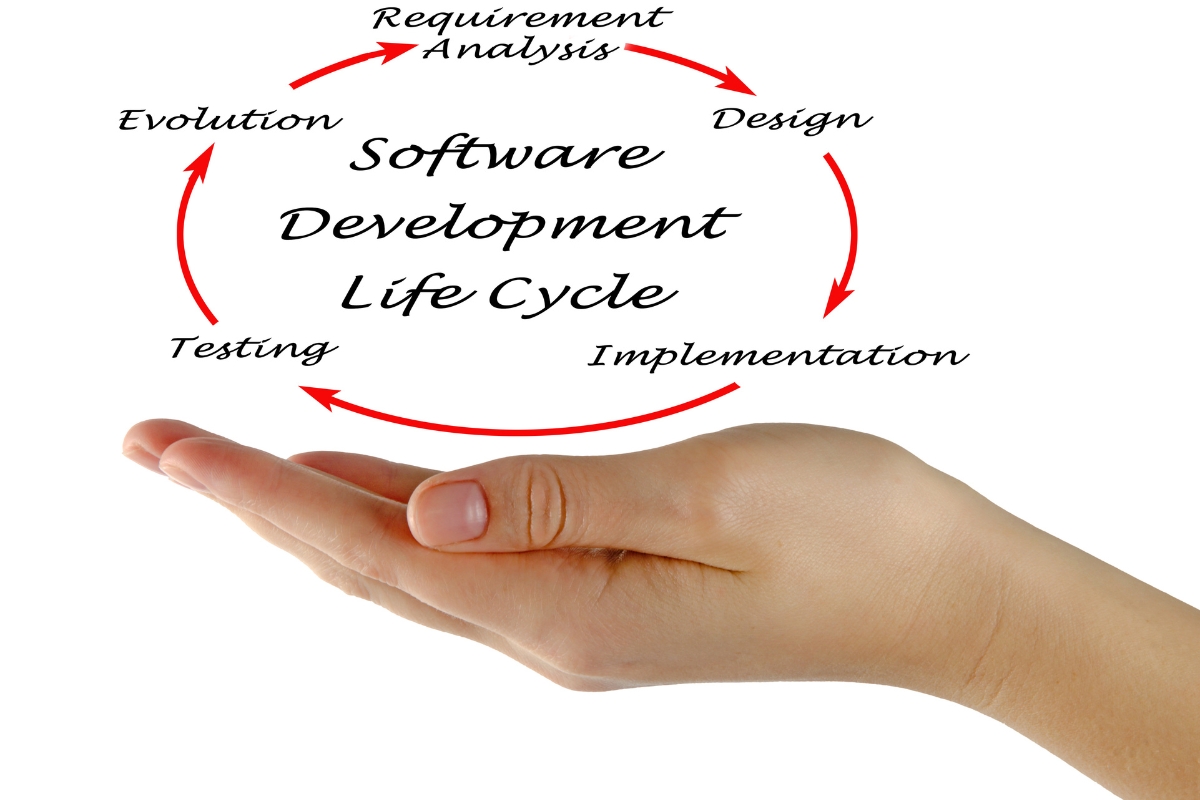
A clear requirements process is only effective when businesses maintain accuracy, consistency, and alignment throughout the software development lifecycle. Best practices help stakeholders communicate their needs clearly, validate requirements against real operations, prioritize business value, and account for security and future changes. Applying these practices creates a stronger requirements foundation that can guide development from initial planning through testing and implementation:
1. Involve Key Stakeholders Early
Include business owners, decision-makers, managers, employees, technical teams, and other actual system users in the requirements process where their input is relevant. Each group can identify different needs, risks, workflows, and expectations that may not be visible from one person’s perspective. Early involvement can also reveal conflicting requirements before they affect development decisions. Bringing the right stakeholders together therefore creates a more complete and realistic understanding of what the software needs to deliver.
2. Use Simple and Specific Requirement Statements
Write each requirement in language that is clear enough for both business stakeholders and developers to understand. Avoid vague statements such as “the system should be user-friendly” and instead describe measurable expectations, such as the actions users should complete and the conditions the system should meet. Specific requirements are easier to estimate, develop, test, and validate throughout the project. This clarity also reduces the risk of different stakeholders interpreting the same requirement in different ways.
3. Prioritize Business Outcomes Over Feature Quantity
A large number of features does not automatically make software more valuable or effective. Businesses should prioritize requirements based on the problems they solve, the objectives they support, and the value they can create for users and the organization. A focused system that performs essential functions well can be more useful than a complex system filled with unnecessary features. Keeping business outcomes at the center of requirements planning helps control scope and maintain development focus.
4. Validate Requirements With Real Business Workflows
Review proposed requirements against real situations that employees, managers, customers, or other users encounter during normal operations. Walk through scenarios such as processing an order, approving a request, managing a customer record, generating a report, or handling an exception to determine whether the proposed system supports the complete process. This practical validation can expose missing steps, unnecessary functions, and workflow conflicts before development begins. It also gives stakeholders a clearer opportunity to confirm that the requirements reflect how the business actually operates.
5. Plan for Security, Scalability, and Future Improvements
Requirements should consider more than the immediate functions a business needs today. Businesses should also define appropriate expectations for security, user access, data protection, system performance, scalability, and future integrations or improvements. Planning these considerations early can help prevent a system from becoming difficult to expand or protect as usage and business needs change. The goal is not to predict every future requirement but to create a foundation that can accommodate reasonable growth.
6. Keep Requirements Documented and Traceable
Maintain a central requirements document that records agreed requirements, priorities, decisions, and approved changes throughout the project. Each requirement should be traceable to the relevant software function, development work, and testing process where appropriate. This makes it easier to determine whether an implemented feature actually addresses an agreed business need and provides a clear reference when requirements change. Proper documentation also improves accountability and helps stakeholders maintain a shared understanding throughout development.
What Are the Costs and Investment Considerations for Business Software Requirements?
Defining business software requirements helps businesses understand the scope and resources that will influence the investment needed to develop and operate a digital system. The cost considerations can include the number of features, level of customization, integrations, security requirements, infrastructure, maintenance, and future expansion needs. Understanding these factors before development helps businesses evaluate the investment more realistically and make decisions based on long-term value:

1. Software Scope and Features Influence Development Costs
The number and complexity of features included in the requirements directly influence the amount of development work required. A system with basic customer records may require less development than one that includes invoicing, inventory management, reporting, automation, payments, multiple user roles, and complex workflows. The number of users and business processes can also affect the system’s design, testing, and infrastructure needs. Clearly defining the required scope helps businesses understand which requirements are essential to the initial investment.
2. Customization Requirements Can Increase Software Development Costs
Businesses that require software to follow highly specific workflows may need more customization than organizations using standard system functions. Custom dashboards, approval processes, calculations, user roles, workflows, and industry-specific functionality can increase development complexity and the resources required to implement them. Requirements should therefore distinguish between standard capabilities and functions that need to be built specifically for the business. This helps businesses understand how their desired level of customization can affect the overall investment.
3. Integration Requirements Can Increase Development Investment
Software that needs to communicate with existing systems can require additional development, testing, and technical planning. Integrations with payment gateways, accounting platforms, CRM systems, APIs, communication tools, and other third-party services may involve different technical requirements and data flows. The number and complexity of these connections can therefore influence the development investment. Identifying integrations during requirements planning helps businesses account for this work before development begins.
4. Security and Infrastructure Requirements Affect Ongoing Costs
Software investment also includes the infrastructure and security measures required to operate the system reliably after development. Requirements for hosting, authentication, access controls, data protection, backups, monitoring, maintenance, and system availability can create ongoing operational costs. The appropriate infrastructure will depend on factors such as system usage, data volumes, security needs, and business operations. Including these requirements early helps businesses consider both initial development costs and longer-term operating expenses.
5. Scalability Requirements Can Affect Future Investment
Businesses should consider whether the software needs to support future growth in users, branches, transactions, data, features, or integrations. Designing for greater scalability may require additional planning and technical resources during the initial development stage. However, failing to consider growth can result in costly redevelopment when the system reaches its limits. Requirements should therefore reflect realistic growth expectations so businesses can balance their initial investment with future needs.
6. Clear Requirements Can Improve the Return on Software Investment
The value of software depends not only on how much it costs to develop but also on how effectively it solves business problems and supports important objectives. Clear requirements can reduce wasted development, limit unnecessary features, minimize avoidable changes, and improve alignment between the system and actual business operations. A system that improves productivity, automates valuable processes, strengthens reporting, or improves customer management can generate greater business value over time. Defining the right requirements therefore helps businesses approach software development as a strategic investment rather than simply an expense.
What Are the Common Mistakes Businesses Should Avoid When Defining Software Requirements?
Even when businesses understand the importance of software requirements, certain planning mistakes can create unnecessary costs, delays, usability problems, and scope issues. These mistakes often occur when businesses rush into development, focus on features instead of business needs, overlook users and security, or fail to manage changes properly. Avoiding the following common mistakes can help businesses establish clearer requirements and create a stronger foundation for successful software development:

1. Starting Development Before Defining the Requirements
Beginning coding before the business has sufficiently understood its requirements can create uncertainty throughout the project. Developers may have to make assumptions about features, workflows, user roles, integrations, and expected outcomes that stakeholders have not clearly agreed on. These assumptions can lead to rework, changing scope, delays, and software that does not fully address the original business problem. Businesses should establish and validate the core requirements before development begins.
2. Copying Another Company’s Software Without Assessing Business Needs
Another company’s software may appear successful, but its features and workflows may have been designed for completely different business requirements. Copying that system without assessing internal processes can introduce unnecessary functions while leaving important operational needs unresolved. Businesses should examine what they are actually trying to achieve rather than assuming another organization’s software model will provide the right solution. Requirements should reflect the company’s own objectives, workflows, users, and customers.
3. Prioritizing Too Many Features at the Beginning
Adding too many features to the initial development scope can make the system more complex and difficult to manage. Feature overload can increase development work, make the user experience less intuitive, and divert resources from functions that address the most important business problems. Businesses should identify essential functionality first and consider optional enhancements for later phases where appropriate. A focused initial system can provide a stronger foundation for gradual improvement.
4. Ignoring the People Who Will Use the System
Software requirements can become disconnected from real operations when businesses define them without involving the people who will actually use the system. Employees and customers can identify practical workflow problems, usability issues, and missing functions that decision-makers may not see. Ignoring this input can result in a system that technically works but is difficult or inefficient to use. Including relevant users during requirements planning helps ensure the software supports real-world activities.
5. Underestimating Security and Data Requirements
Treating security as an issue to address after development can leave important weaknesses in the system’s design. Businesses need to consider requirements for authentication, user permissions, data protection, backups, monitoring, and appropriate access to sensitive information from the beginning. These requirements should reflect the type of information the system handles and the risks associated with unauthorized access or data loss. Building security considerations into the initial requirements creates a stronger foundation for protecting the system and its information.
6. Failing to Plan for Scalability
Software requirements should consider how the system may need to perform as the business grows. A company may eventually have more users, customers, transactions, branches, data, or integrations than it has during the initial implementation. Failing to consider realistic growth requirements can cause performance limitations or force major system changes later. Planning for appropriate scalability helps businesses avoid creating software that becomes restrictive as operations expand.
7. Changing Requirements Constantly Without a Clear Process
Requirements may legitimately change as businesses learn more about their needs, but uncontrolled changes can make a software project difficult to manage. Continually adding, removing, or modifying requirements without assessing their impact can affect scope, timelines, development resources, testing, and investment. Businesses should use a structured change management process that documents proposed changes and evaluates their importance and consequences before approval. This allows necessary improvements while maintaining control over the overall project.
Why Partner With SMEPAL Consultancy Agency Limited for Business Software Development?
Once a business has defined its software requirements, the next step is choosing a development partner that can turn those requirements into a practical and reliable digital system. The right partner should understand the business behind the technology, develop solutions around actual workflows, and connect software functionality to measurable operational goals. SMEPAL Consultancy Agency Limited approaches business software development with this business-first perspective:
1. We Start With Your Business Requirements
We begin by understanding your business objectives, workflows, users, operational challenges, and the problems you want the software to solve. Our approach allows us to assess your requirements before recommending features, technologies, or development approaches. This helps ensure that the proposed system responds to genuine business needs rather than adding technology without a clear purpose. By starting with your requirements, we create a stronger foundation for the development process.
2. We Develop Customized Digital Systems Around Business Needs
We develop customized digital systems based on the specific requirements and processes of each business. Our solutions can include business management systems, workflow automation, web applications, dashboards, database-driven platforms, and integrations with other business software. We can structure these systems around the functions, users, data, and workflows that the organization needs to manage effectively. This gives businesses an opportunity to use software designed around their operations rather than forcing their processes into a generic solution.
3. We Connect Software Development With Business Outcomes
We focus on how the software can contribute to practical business outcomes rather than treating development as an exercise in adding features. Our approach can support goals such as improving operational efficiency, increasing productivity, strengthening data management, improving customer management, and creating a foundation for scalability. We align system functionality with the objectives established during the requirements process so that each major component has a clear business purpose. This helps businesses evaluate software based on the value it can create and the problems it can solve.
4. We Support Businesses Across Different Industries
We develop digital systems for businesses with different operational models, workflows, and technology needs. Our potential applications span SMEs, professional services, retail, e-commerce, tourism, education, healthcare, hospitality, real estate, manufacturing, logistics, and larger enterprises. We first examine the specific requirements of the organization rather than assuming that one system structure will work for every industry. This allows us to develop solutions around the processes, users, and objectives that define each business.
5. We Build With Growth and Future Requirements in Mind
We consider how a business’s software requirements may evolve as the organization grows and its operations become more complex. Our development approach can account for additional users, new functionality, future integrations, increasing data, and other reasonable changes that may arise over time. Planning for these possibilities helps businesses avoid creating systems that become restrictive as their needs expand. We also recognize that digital systems may require continuous improvement as business processes, customer expectations, and technology change.
Choose Smepal Consultancy Agency Limited for Business Software Development That Fits Your Requirements Today
Ready to turn your business software requirements into a practical digital system? Contact Smepal Consultancy Agency Limited to book a consultation and discuss your business needs with our team. We will help you assess your requirements, define the right system approach, and plan the development process. Get in touch with us today and start planning your customized business software solution.