How to Plan a Custom Software Development Project From Start to Launch
Businesses can start custom software development with a clear idea of what they want to build but still lack defined objectives, user requirements, project scope, budget, or launch expectations. Without proper planning, requirements can change during development, costs can increase, timelines can shift, and the finished software may fail to solve the business problem it was intended to address. Custom software development project planning services provide a structured way to define the business need, understand user and system requirements, establish priorities, and create a practical roadmap before development begins. This guide explains how to plan a custom software project from identifying the initial need through development, testing, launch, and continuous improvement.

Why Is Planning Important for a Custom Software Development Project?
A custom software project can become difficult to manage when the business starts development without clearly defining what the system should achieve and how it should work. Proper planning gives businesses a structured way to align requirements, resources, timelines, and expectations before committing to development. Custom software development project planning services can help organizations establish this foundation and reduce avoidable challenges throughout the project:
1. Planning Connects Software Development With Business Goals
Software should solve a specific business problem or support a defined operational objective rather than exist simply because the business needs a new digital tool. Planning helps translate business goals into software requirements and priorities that development teams can work toward. This alignment makes it easier to evaluate whether the finished system delivers meaningful business value.
2. Planning Helps Define the Right Project Scope
A clear project scope establishes what the software should include, what falls outside the initial project, and which features should receive priority. Without defined boundaries, businesses may continue adding requirements during development, making the project more difficult to control. A well-planned scope creates a practical foundation for managing features, deliverables, resources, and expectations.
3. Planning Reduces Development Risks
Early planning can reveal potential problems involving unclear requirements, complex integrations, data migration, security, user adoption, or technical dependencies. Identifying these issues before development gives the business an opportunity to address them rather than discovering them late in the project. This makes custom software development project planning services an important part of managing project uncertainty.
4. Planning Creates Clear Expectations for Stakeholders
Custom software projects often involve business owners, managers, employees, developers, and other stakeholders with different expectations. Planning gives everyone a shared understanding of the project’s objectives, requirements, responsibilities, milestones, and expected outcomes. Clear expectations can improve communication and reduce misunderstandings as development progresses.
5. Planning Helps Control Project Costs
A defined scope and clear set of requirements make it easier to understand the resources a project may require. Businesses can consider development, integrations, testing, deployment, training, maintenance, and future improvements when planning their investment. While planning cannot eliminate unexpected costs entirely, it can reduce avoidable spending caused by unclear requirements and uncontrolled scope changes.
6. Planning Establishes a Realistic Development Timeline
Development timelines depend on factors such as project complexity, feature requirements, integrations, testing, approvals, and stakeholder availability. Planning these dependencies before development begins helps businesses establish milestones that reflect the actual project requirements. A realistic timeline also gives stakeholders clearer expectations about when different stages of the project should be completed.
7. Planning Improves the Final User Experience
Understanding who will use the software and what they need to accomplish helps shape more practical workflows and interfaces. Planning allows businesses to consider user roles, accessibility, navigation, permissions, common tasks, and potential usability challenges before development progresses too far. This user-focused approach can make the final system easier and more effective for its intended users.
8. Planning Creates a Foundation for Future Scalability
A business may have different requirements after the software launches as its users, processes, data, and operations grow. Planning for scalability early helps the project account for potential changes in system capacity, integrations, features, and workflows. This creates a stronger foundation for future improvements instead of requiring the business to replace or significantly restructure the system as its needs evolve.
What Should Businesses Define Before Planning Custom Software Development?
Businesses need a clear understanding of their needs before turning an idea for custom software into a structured development project. Defining the problem, users, processes, systems, expected outcomes, and priorities gives the planning process practical direction and helps prevent important requirements from being overlooked. Custom software development project planning services can help businesses organize this information into clear requirements and a development roadmap:
1. Identify the Business Problem
Start by clearly describing the operational, customer, financial, or management problem the software should address. This could involve excessive manual work, disconnected systems, limited reporting, inefficient workflows, or difficulties managing growing operations. Defining the problem first keeps the project focused on solving a genuine business need.
2. Define the Intended Business Outcomes
Determine what the business expects to achieve after implementing the new software. Desired outcomes might include faster processes, improved data visibility, reduced errors, better customer service, stronger internal coordination, or greater operational efficiency. These outcomes can later become measures for evaluating whether the software has achieved its intended purpose.
3. Identify the Target Users
Identify the people who will use the system and understand what each group needs to accomplish. Different users may require different dashboards, permissions, workflows, features, and levels of access depending on their responsibilities. Defining these user groups early helps shape requirements around real operational needs rather than assumptions.
4. Review Existing Business Processes
Examine how the relevant work is currently performed before designing a new system around it. Document the steps, approvals, information flows, manual tasks, decision points, and interactions between departments or systems. Reviewing existing processes can reveal opportunities to simplify workflows before translating them into software requirements.
5. Identify Current Systems and Tools
List the platforms, applications, databases, websites, spreadsheets, and other tools currently supporting the business processes involved in the project. Determine which systems the new software must replace, connect with, or continue working alongside. This information helps identify integration requirements and prevents technical dependencies from being overlooked during planning.
6. Document Existing Operational Challenges
Record the specific difficulties employees and customers experience with the current way of working. These may include duplicated data entry, slow approvals, missing information, reporting difficulties, communication gaps, or inconsistent processes. Documenting these challenges helps the project team understand which problems the new software should address first.
7. Define the Expected Software Capabilities
Translate business needs into a preliminary list of capabilities the software should provide. Consider features such as user management, workflow automation, reporting, notifications, data management, integrations, dashboards, customer functionality, or administrative controls based on the project’s requirements. Clearly defining expected capabilities gives developers and stakeholders a stronger basis for establishing project scope.
8. Establish Project Constraints and Priorities
Identify the limitations and priorities that may influence development, including available resources, required integrations, security needs, deadlines, regulatory considerations, and essential features. Separate must-have requirements from features that can be considered during later development phases. This prioritization helps create a realistic project plan and supports more informed decisions throughout the development process.
What Challenges Can Affect Custom Software Project Planning?
Custom software projects can face challenges that affect timelines, budgets, and final outcomes. Some problems come from unclear requirements, technical issues, or limited communication between stakeholders and developers. Strong custom software development project planning services help identify these risks early and create practical ways to manage them:

1. Unclear or Changing Requirements
Unclear requirements can make it difficult for developers to understand what the software should deliver. Business needs may also change as the project develops, leading to new features or revised workflows. Clear documentation and regular requirement reviews can help keep the project focused and reduce unnecessary rework.
2. Scope Creep During Development
Scope creep happens when new features or requirements are added after development has already started. Small changes can quickly increase development time, costs, and workload. A clear project scope and formal change process can help teams evaluate new requests before adding them to the project.
3. Complex System Integrations
Some custom software projects need to connect with several existing systems, platforms, or third-party services. These integrations can create technical challenges when systems use different technologies, data formats, or security requirements. Identifying integration needs early allows developers to plan for these challenges before they delay development.
4. Poor Data Quality or Migration Requirements
Existing business data may contain errors, duplicates, missing information, or inconsistent formats. Moving this data into a new system can therefore require significant preparation and testing. Planning data cleaning, migration, validation, and backup processes early can reduce the risk of data loss or inaccurate records.
5. Limited Stakeholder Availability
Stakeholders need to provide information, review progress, answer questions, and approve important decisions during development. When key people are unavailable, decisions can be delayed and developers may have to make assumptions. Setting clear communication channels and review schedules can help keep the project moving.
6. Unrealistic Development Expectations
Businesses may expect complex software to be completed within a very short timeframe or limited budget. These expectations can create pressure and affect quality when they do not match the actual project requirements. A realistic plan should consider the software’s complexity, resources, testing needs, and expected delivery timeline.
7. Security and Compliance Requirements
Custom software may need to protect sensitive business and customer information while meeting specific security or regulatory requirements. These needs can affect system architecture, user permissions, data storage, testing, and deployment. Including security and compliance requirements during planning helps prevent expensive changes later in development.
8. Resistance to New Software and Workflows
Employees may resist new software when they are comfortable with existing tools or processes. This can reduce adoption even when the new system is technically successful. Early communication, user involvement, training, and practical support can help employees understand the benefits and adapt to new workflows.
What Opportunities Can a Well-Planned Custom Software Project Create?
A well-planned custom software project can create opportunities to improve how a business operates and serves its customers. It can replace inefficient processes, connect important systems, and give teams better access to useful information. With effective custom software development project planning services, businesses can also build systems that support long-term growth:
1. Software Can Improve Operational Efficiency
Custom software can simplify repetitive processes and help employees complete tasks more efficiently. Automated workflows can reduce delays, manual errors, and unnecessary administrative work. This allows teams to spend more time on activities that directly support business growth.
2. Custom Systems Can Eliminate Unnecessary Manual Work
Businesses often rely on spreadsheets, emails, paper records, and repetitive data entry to manage daily operations. A custom system can automate many of these tasks and reduce the need for duplicate work. This can improve accuracy while allowing employees to focus on more valuable responsibilities.
3. Businesses Can Connect Disconnected Processes
Different departments may use separate tools that do not share information effectively. Custom software can bring related processes into one connected system or integrate existing platforms through APIs and other technologies. This gives teams a smoother workflow and reduces information gaps between departments.
4. Software Can Improve Access to Business Data
A well-designed system can organize important business information and make it easier for authorized users to access. Dashboards, reports, search tools, and real-time data can help managers understand business performance more quickly. Better access to information can also support faster and more informed decisions.
5. Custom Systems Can Support Better Customer Experiences
Custom software can help businesses respond to customers faster and provide more consistent services. Features such as customer portals, automated notifications, online requests, and personalized communication can improve interactions. A better digital experience can increase customer satisfaction and strengthen long-term relationships.
6. Businesses Can Build Around Their Unique Workflows
Off-the-shelf software may include features a business does not need while missing functions that are important to its operations. Custom software allows the system to be designed around specific processes, roles, and business requirements. This can create a better fit between the technology and the way the organization actually works.
7. Software Can Create Opportunities for Business Growth
A custom system can help businesses handle more customers, transactions, employees, or operations without relying on the same level of manual effort. It can also provide tools for monitoring performance and identifying new opportunities. As the business grows, the software can be improved to support changing operational needs.
8. A Scalable System Can Support Future Digital Transformation
A well-planned system can provide a strong foundation for future technology improvements. Businesses can later add new features, integrations, automation, analytics, or other digital capabilities as their needs change. Planning for scalability from the start can make future expansion easier and more cost-effective.
What Trends Should Businesses Consider When Planning Custom Software?
Technology continues to change how businesses design, develop, and use software. Understanding current trends can help businesses make better planning decisions without adding technology that does not serve a real need. Effective custom software development project planning services consider these trends alongside business goals, user needs, security, and long-term growth:
1. Artificial Intelligence Is Becoming Part of Business Software
Artificial intelligence is becoming useful in areas such as customer support, data analysis, content processing, recommendations, and workflow automation. Businesses can consider AI where it solves a clear problem or improves an existing process. Planning for AI early can also help teams identify the data, integrations, security, and infrastructure the system may require.
2. Cloud-Based Systems Are Supporting Flexible Operations
Cloud-based software allows businesses to access systems and data through connected devices and locations. This can support remote work, easier collaboration, automatic updates, and flexible infrastructure. Businesses should consider their security, performance, access, and data requirements before choosing a cloud-based approach.
3. API Integrations Are Connecting Business Applications
APIs allow different software systems to exchange information and work together. Businesses can use integrations to connect payment platforms, CRMs, accounting tools, websites, and other applications. Including integration needs in the planning stage helps developers design a system that can share data reliably and reduce duplicate work.
4. Data Analytics Is Strengthening Business Decision-Making
Modern software can collect and organize data that helps businesses understand their operations and customers. Reports, dashboards, and analytics tools can turn this information into useful insights. Planning for analytics early helps ensure that the system captures the right data and presents it in a useful format.
5. Mobile Accessibility Is Expanding Software Use
Employees and customers increasingly expect to access digital services through smartphones and tablets. Businesses should consider responsive interfaces or dedicated mobile applications when mobile access supports their users. This can make software more convenient while extending its usefulness beyond traditional desktop environments.
6. Cybersecurity Is Becoming a Core Development Requirement
Security should be considered throughout software planning rather than added after development. Businesses need to think about user authentication, access controls, data protection, backups, monitoring, and secure integrations. Strong security planning can reduce vulnerabilities and protect important business and customer information.
7. Automation Is Becoming Part of Custom Software
Automation can reduce repetitive tasks and improve the speed and consistency of business processes. Custom software can automate activities such as notifications, approvals, data entry, reporting, and workflow management. Businesses should identify processes that consume unnecessary time and determine whether automation can deliver measurable value.
8. Scalable Architecture Is Supporting Long-Term Growth
Software should be able to handle changing business needs as the organization grows. Scalable architecture makes it easier to add users, features, integrations, and data without rebuilding the entire system. Planning for scalability from the beginning can reduce future development challenges and support long-term digital growth.
How Do You Plan a Custom Software Development Project From Start to Launch?
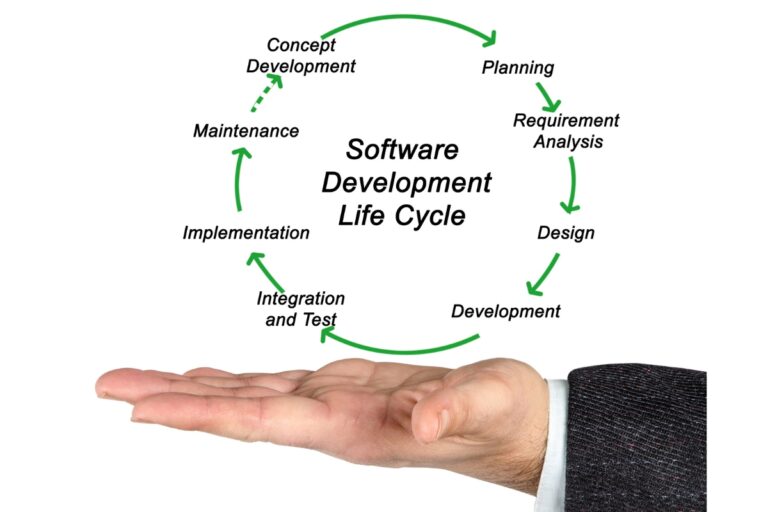
Planning a custom software development project requires more than defining features and choosing a development team. Businesses need to understand their goals, users, requirements, budget, technical needs, testing process, and launch strategy before development begins. A structured approach to custom software development project planning services can create a clear path from the initial business problem to a successful software launch:
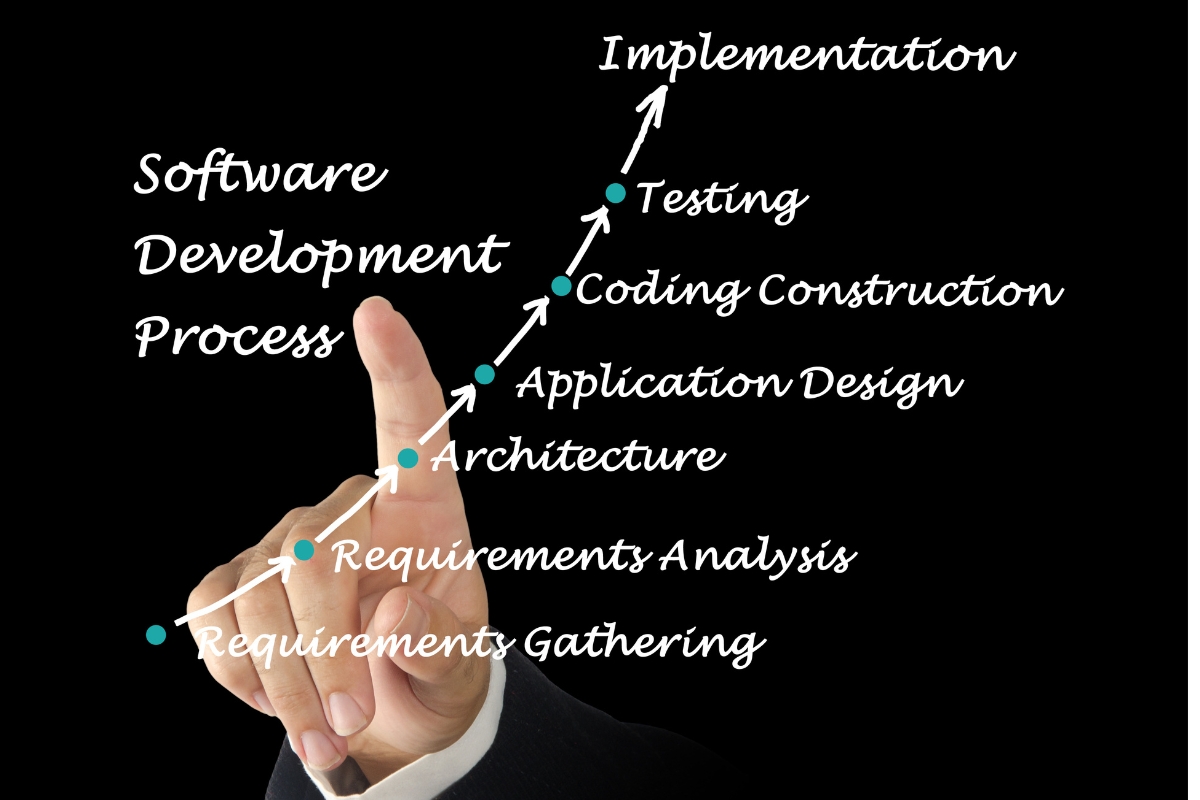
1. Define the Business Problem and Project Goals
Start by identifying the specific business problem the software needs to solve. Connect the project goals to measurable outcomes such as reduced costs, faster processes, better customer service, or improved data management. Clear goals give the development team a strong foundation for making decisions throughout the project.
2. Gather and Document Software Requirements
Document both functional and non-functional requirements before development begins. Capture user needs, workflows, data requirements, integrations, performance expectations, security needs, and other system requirements. Detailed requirements help developers understand what the software must achieve and reduce costly misunderstandings later.
3. Identify Users and Map Their Workflows
Identify everyone who will interact with the software and understand what each user needs from the system. Map their current workflows and identify where delays, duplication, or manual processes occur. This information helps shape features, permissions, interfaces, and workflows around real business activities.
4. Define the Project Scope and Priorities
Separate essential features from enhancements that can be introduced later. This helps the business establish a realistic first release without trying to build everything at once. A clear scope also makes it easier to manage time, resources, costs, and changes during development.
5. Choose the Appropriate Development Approach
Choose an approach based on the actual requirements of the project rather than following technology trends alone. Some projects may need a fully custom system, while others may benefit from integrations, existing platforms, or phased development. The right approach should balance business needs, complexity, budget, scalability, and long-term objectives.
6. Plan the Software Architecture and Integrations
Define how the software will be structured and how it will connect with other systems. Consider databases, APIs, security, user access, hosting, data flow, and future scalability during this stage. Good architectural planning creates a stronger technical foundation and reduces the risk of major changes during development.
7. Establish the Development Timeline and Milestones
Break the project into practical stages with clear deliverables and review points. Define important dependencies, development milestones, testing periods, and the expected launch target. A realistic timeline helps stakeholders track progress and gives the development team clear priorities.
8. Establish the Project Budget and Resource Requirements
Estimate the resources needed for development, design, integrations, testing, deployment, maintenance, and future improvements. The budget should reflect the actual scope and complexity of the project rather than relying on an early fixed price. Clear resource planning helps businesses avoid unexpected costs and make better investment decisions.
9. Plan Testing and Quality Assurance
Define how the software will be tested before it reaches users. Testing may cover functionality, security, performance, usability, integrations, and different user scenarios. Establishing acceptance criteria early gives the team a clear standard for determining whether the software is ready for launch.
10. Prepare Users and the Business for Implementation
Prepare employees and other users for changes that will come with the new software. Plan training, documentation, communication, and workflow adjustments before implementation begins. Early preparation can improve adoption and help users understand how the new system will support their daily work.
11. Prepare the Deployment and Launch Plan
Create a clear plan for moving the completed software into the live environment. Include data migration, system configuration, user access, backups, security checks, and responsibilities during launch. A structured deployment plan helps reduce disruption and provides a smoother transition from existing systems.
12. Monitor and Improve the Software After Launch
Launching the software should not be treated as the end of the project. Monitor system performance, user feedback, errors, security issues, and business outcomes after implementation. These findings can help the business prioritize improvements and ensure the software continues to meet changing needs.
What Are the Best Practices for Planning Custom Software Development?
Good planning helps businesses turn software ideas into clear, achievable development projects. It ensures that business needs, user expectations, technical requirements, security, and future growth are considered before development begins. The following best practices can make custom software development project planning services more effective and keep the project focused on measurable business value:

1. Start With Business Requirements Rather Than Technology
Begin by understanding the business problem and the outcomes the software should achieve. Technology should then be selected based on those requirements rather than choosing a platform simply because it is popular. This approach helps ensure that the final system solves real business needs and provides practical value.
2. Involve Key Stakeholders Early
Key stakeholders should contribute to planning before major development decisions are made. Their input can help clarify workflows, user needs, priorities, risks, and expected outcomes. Early involvement also creates stronger agreement between business leaders, users, and the development team.
3. Prioritize Features Based on Business Value
Not every possible feature needs to be included in the first release. Businesses should prioritize features based on their importance, user impact, and expected contribution to business goals. This creates a more focused project and allows essential functionality to receive attention before lower-priority enhancements.
4. Document Requirements Clearly
Clear documentation gives everyone a shared understanding of what the software should deliver. Requirements should cover functionality, users, workflows, data, integrations, security, performance, and other relevant expectations. Good documentation also makes it easier to manage changes and evaluate completed work.
5. Plan for Integration From the Beginning
Integration requirements should be identified before development starts rather than added later. The team should determine which existing platforms, databases, APIs, payment systems, or business applications need to connect with the new software. Early integration planning can reduce technical conflicts and support smoother data exchange.
6. Build Security Into the Project Plan
Security should be part of the software plan from the beginning. Businesses should consider user access, authentication, data protection, backups, secure integrations, monitoring, and other relevant security controls. Building security into the project can reduce risks and avoid expensive changes later.
7. Use Milestones to Track Progress
Breaking the project into milestones makes progress easier to measure and manage. Each milestone can have specific deliverables, review points, and acceptance criteria. This gives stakeholders regular opportunities to review progress and address issues before they affect later stages.
8. Plan for Scalability and Future Changes
The software should be planned with the business’s future needs in mind. Consider how the system may handle more users, data, features, integrations, or changing workflows as the business grows. Planning for scalability can make future improvements easier without requiring a complete redesign.
How Much Should Businesses Invest in Custom Software Development Project Planning?
The investment required for planning depends on the complexity, scope, and requirements of each software project. Businesses should avoid judging planning costs in isolation because good planning can reveal the resources, risks, and development work involved before implementation begins. Custom software development project planning services should therefore focus on understanding the actual project requirements before a business commits to development:

1. Project Complexity Influences Planning Requirements
A simple internal system may require less planning than a platform with multiple user groups, integrations, workflows, and security requirements. More complex projects need deeper analysis of technical architecture, processes, data, risks, and dependencies. Understanding this complexity early helps businesses prepare for the actual development work involved.
2. Software Scope Affects Overall Investment
The number of features, modules, user types, and workflows can significantly affect the amount of planning required. A focused first release may be easier to define than a large system intended to support many business functions. Clearly defining the scope helps businesses understand what should be included before development commitments are made.
3. Integrations Can Increase Project Complexity
Connecting custom software with existing systems can require additional technical analysis and planning. The team may need to review APIs, data formats, authentication, security, and the reliability of external platforms. Identifying these requirements early helps businesses understand the technical work that may be involved.
4. Custom Requirements Influence Development Resources
Unique business processes may require more research, design, development, testing, and stakeholder involvement than standard software functions. Planning should identify these requirements before development begins so the business can understand the resources needed. This creates a stronger basis for evaluating the overall project investment.
5. Testing and Deployment Should Be Included in Planning
Software investment should not focus only on development activities. Testing, data migration, deployment, user training, documentation, maintenance, and post-launch improvements may also need to be considered. Including these activities in the plan provides a more complete view of what the project will require.
6. Businesses Should Evaluate Investment Against Expected Value
The right question is not simply how much planning or development costs, but what value the software is expected to create. Businesses can consider potential improvements in efficiency, automation, customer service, data management, revenue opportunities, or operating processes. Proper planning helps define the scope and expected outcomes, giving the business better information for deciding whether and how to proceed.
What Mistakes Should Businesses Avoid When Planning Custom Software?
Poor planning can create unnecessary delays, rework, higher development demands, and software that does not fully meet business needs. Many of these problems can be avoided by defining requirements, users, scope, security needs, and launch expectations before development begins. Businesses using custom software development project planning services should watch for these common mistakes:

1. Starting Development Without Clear Requirements
Starting development before the requirements are properly understood can create confusion and costly changes later. Developers need to know what the software should do, who will use it, and which business problems it should solve. Clear requirements give the project a reliable foundation and help everyone work toward the same goals.
2. Trying to Include Every Feature in the First Release
Trying to build every possible feature at once can make a project unnecessarily complex. It can also increase development demands and make it harder to identify which features provide the most value. Businesses should prioritize essential functionality for the first release and consider additional features as future improvements.
3. Ignoring Existing Business Processes
Software should support how the business operates rather than being planned without considering existing workflows. Ignoring current processes can lead to features that do not match how employees actually work. Reviewing existing operations helps identify what should be improved, automated, connected, or redesigned.
4. Underestimating Integration Requirements
Businesses may overlook the work required to connect new software with existing systems. Integrations can involve APIs, databases, authentication, data formats, security controls, and third-party platforms. Identifying these requirements early helps prevent technical challenges from disrupting development later.
5. Failing to Involve End Users
End users understand the daily tasks and challenges that software needs to support. Excluding them from planning can result in a system that looks good but is difficult to use in practice. Involving users early can provide valuable feedback on workflows, features, interfaces, and practical requirements.
6. Setting Unrealistic Timelines
Software development requires time for planning, design, development, testing, revisions, deployment, and user preparation. Setting an aggressive timeline without considering these activities can create unnecessary pressure and reduce quality. A realistic schedule should reflect the actual scope, technical complexity, resources, and review requirements.
7. Ignoring Security and Data Requirements
Security and data requirements should not be treated as issues to solve after development. Businesses need to consider access controls, authentication, data protection, backups, migration, and other relevant requirements during planning. Addressing these areas early can reduce security risks and prevent major changes later.
8. Planning the Launch Without a Post-Launch Strategy
Launching the software does not mean the project is finished. Users may need support, the system may require adjustments, and new issues may become visible after real-world use. A post-launch strategy should include monitoring, maintenance, user feedback, issue resolution, and future improvements.
Why Partner With Smepal Consultancy Agency for Custom Software Development Project Planning Services?
Planning the right software requires more than selecting development technologies or listing features. At Smepal Consultancy Agency, we approach software planning by understanding the business, its processes, users, and long-term digital objectives. Our custom software development project planning services help businesses create practical software roadmaps that connect technology with measurable business needs:
1. We Start With Your Business Requirements
We begin by understanding what your business needs to improve, automate, connect, or achieve. Our team looks at your current processes, challenges, users, and objectives before recommending a software direction. This allows us to plan solutions around your business rather than forcing your operations into a generic system.
2. We Help Translate Business Needs Into System Requirements
We help turn business goals and operational challenges into clear software requirements. Our approach considers functionality, workflows, users, data, integrations, security, and system expectations. This gives your development project a clearer foundation before technical implementation begins.
3. We Help Structure Practical Project Scope
We work with you to distinguish essential functionality from features that can be introduced later. Our goal is to create a practical scope that reflects your priorities, resources, and expected outcomes. This helps keep the project focused while providing room for future improvements.
4. We Help Identify Integration and Workflow Requirements
We examine how your proposed software should interact with existing systems and business processes. Our planning considers integrations, data movement, user workflows, and operational dependencies that could affect implementation. This helps us identify important requirements before they become development challenges.
5. We Help Plan Scalable Digital Systems
We consider how your software may need to evolve as your business grows. Our planning can account for additional users, features, data, integrations, and changing workflows from the beginning. This helps create a stronger foundation for long-term digital growth.
6. We Connect Software Planning With Digital Transformation Goals
We do not view software as an isolated technology project. We connect our planning approach to broader goals such as process automation, operational efficiency, better data management, improved customer experiences, and business growth. As a strategic partner, Smepal Consultancy Agency helps you make informed software decisions that support where your business is going, not only where it is today.