How Businesses Can Reduce Customer Acquisition Costs in 2026
Rising advertising costs, increasing market competition, and rapidly changing customer behaviors are making it more challenging for businesses to acquire new customers profitably. As customer acquisition becomes more expensive, organizations must find smarter ways to improve marketing efficiency, maximize return on investment, and protect long-term profitability. Understanding how to reduce customer acquisition cost enables businesses to generate qualified leads, improve conversions, optimize marketing investments, and build sustainable growth strategies. By combining customer acquisition strategies with performance marketing, SEO, AI Search Optimization, conversion rate optimization, data analytics, and customer lifetime value insights, businesses can create more efficient marketing systems that drive long-term profitability.
Understanding Customer Acquisition Cost
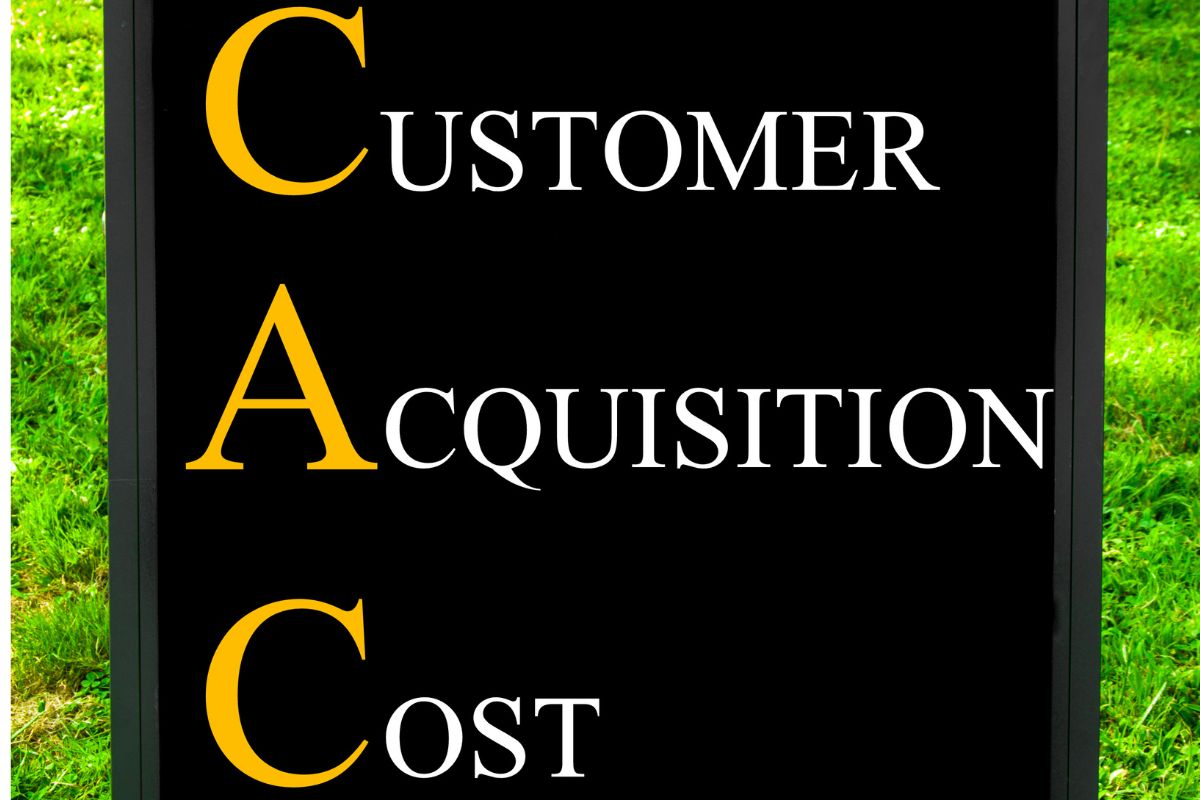
Understanding the true cost of acquiring customers is essential for businesses that want to improve profitability and make smarter marketing decisions. Customer acquisition cost provides valuable insights into how efficiently organizations convert marketing and sales investments into new customers. By understanding this metric, businesses can identify opportunities to optimize campaigns, improve customer acquisition strategies, and achieve sustainable growth:
1. What Customer Acquisition Cost Means
Customer acquisition cost refers to the total investment a business makes to acquire a new customer through marketing, sales, and promotional activities. It includes expenses related to advertising, content creation, sales efforts, technology, and other resources used throughout the acquisition process. Understanding this cost helps businesses evaluate the effectiveness of their customer acquisition strategies. A clear understanding of customer acquisition cost enables organizations to improve spending decisions and increase marketing efficiency.
2. Why Customer Acquisition Cost Is Important
Customer acquisition cost helps businesses determine whether their marketing investments are generating profitable customer relationships. By monitoring this metric, organizations can identify which channels and campaigns deliver the strongest results. It also helps companies compare acquisition expenses with customer lifetime value to understand long-term profitability. Tracking customer acquisition cost allows businesses to build more efficient and sustainable growth strategies.
3. How Customer Acquisition Cost Is Calculated
Customer acquisition cost is calculated by dividing the total marketing and sales expenses by the number of new customers acquired during a specific period. Businesses typically include costs such as advertising spend, marketing tools, employee resources, and sales activities when evaluating this metric. This calculation provides a clearer view of the financial investment required to attract customers. Regular measurement helps organizations identify areas where acquisition efficiency can be improved.
4. The Factors That Increase Customer Acquisition Costs
Several factors can contribute to rising customer acquisition costs, including increased competition, higher advertising prices, poor audience targeting, low conversion rates, and ineffective marketing strategies. Businesses may also experience higher costs when they rely heavily on paid channels without optimizing their campaigns. Identifying these factors helps organizations develop strategies to reduce unnecessary spending. Addressing cost drivers improves acquisition efficiency and overall marketing performance.
5. Customer Acquisition Cost and Customer Lifetime Value
Customer acquisition cost and customer lifetime value are closely connected metrics that influence business profitability. While customer acquisition cost measures the investment required to gain a customer, customer lifetime value measures the total value that customer generates over the relationship period. Businesses achieve stronger profitability when the long-term value of customers exceeds acquisition expenses. Understanding this relationship helps organizations make smarter investment decisions.
6. Why Businesses Should Measure Customer Acquisition Cost Continuously
Customer acquisition costs can change due to market conditions, customer behavior, competition, and evolving marketing platforms. Continuous measurement helps businesses identify performance changes, optimize campaigns, and adjust strategies based on real-time insights. Regular analysis enables organizations to improve efficiency and maximize marketing returns. Monitoring customer acquisition cost consistently ensures businesses remain competitive and financially sustainable.
Why Reducing Customer Acquisition Cost Matters for Business Growth
Acquiring customers efficiently is essential for businesses that want to improve profitability and achieve sustainable growth in competitive markets. Understanding how to reduce customer acquisition cost helps organizations optimize marketing investments, improve customer targeting, and generate stronger returns from their acquisition efforts. By focusing on efficiency, data, and long-term value, businesses can create acquisition strategies that support consistent growth and stronger competitive positioning:
1. Lower Customer Acquisition Costs Improve Profitability
Reducing customer acquisition costs allows businesses to generate more value from their existing marketing investments. When companies spend less to acquire qualified customers, they can improve profit margins and allocate resources toward additional growth opportunities. Lower acquisition costs also create a healthier balance between marketing expenses and revenue generation. This enables businesses to build more financially sustainable growth models.
2. Efficient Marketing Maximizes Return on Investment
Marketing efficiency directly influences how effectively businesses convert their investments into measurable results. By improving targeting, optimizing campaigns, and focusing on high-performing channels, organizations can increase returns while reducing unnecessary spending. Efficient marketing ensures resources are directed toward strategies that deliver the greatest business impact. This approach helps companies achieve stronger performance and long-term profitability.
3. Lower Acquisition Costs Support Sustainable Growth
Businesses that reduce acquisition costs are better positioned to scale without increasing expenses at the same rate. Sustainable growth requires acquisition strategies that remain effective as customer demand, competition, and market conditions change. By improving efficiency across marketing channels, organizations can expand their customer base while maintaining profitability. Lower acquisition costs create a stronger foundation for long-term business success.
4. Data-Driven Decisions Improve Marketing Efficiency
Data enables businesses to understand customer behavior, measure campaign performance, and identify opportunities for improvement. Organizations that use analytics can make informed decisions about audience targeting, budget allocation, and marketing strategies. Data-driven optimization helps eliminate ineffective approaches and improves overall acquisition efficiency. This allows businesses to invest in strategies that consistently deliver measurable results.
5. Better Customer Targeting Increases Conversions
Reaching the right audience is essential for reducing wasted marketing spend and improving conversion rates. Businesses that understand customer needs, behaviors, and buying patterns can create more relevant campaigns that attract qualified prospects. Better targeting increases engagement and improves the likelihood of converting leads into customers. This results in more efficient acquisition processes and stronger marketing outcomes.
6. Optimized Acquisition Strategies Create Competitive Advantages
Businesses that continuously improve their customer acquisition strategies gain an advantage in increasingly competitive markets. Optimized campaigns, improved customer insights, and efficient resource allocation enable organizations to attract customers more effectively than competitors. A strategic approach to acquisition helps businesses adapt to changing market conditions while maintaining growth. Companies that master acquisition efficiency are better positioned for long-term success.
How Can Businesses Reduce Customer Acquisition Cost?
Reducing customer acquisition cost requires businesses to improve efficiency across every stage of the customer journey, from attracting prospects to converting them into loyal customers. Understanding how to reduce customer acquisition cost helps organizations identify smarter ways to optimize marketing investments, improve targeting, and increase conversion opportunities. The following strategies enable businesses to lower acquisition expenses while building scalable and profitable customer growth systems:
1. Improve Audience Targeting
Reaching the right audience is one of the most effective ways to reduce wasted marketing spending. Businesses should use customer data, market research, and analytics to identify audiences with the highest potential for conversion. More accurate targeting helps organizations create relevant campaigns that attract qualified prospects instead of generating low-value leads. Improved audience targeting increases marketing efficiency and lowers the overall cost of acquiring customers.
2. Invest in SEO for Long-Term Organic Growth
Search engine optimization helps businesses attract customers through sustainable organic visibility without relying only on paid advertising. By creating valuable content, optimizing websites, and improving search rankings, organizations can generate consistent traffic from users actively searching for their solutions. SEO reduces dependence on expensive acquisition channels while building long-term digital authority. This makes it an important strategy for improving customer acquisition efficiency.
3. Optimize Landing Pages for Higher Conversions
Landing pages play a critical role in turning marketing traffic into qualified leads and customers. Businesses should optimize page design, messaging, user experience, calls to action, and loading speed to improve conversion rates. Higher conversion rates allow organizations to generate more customers from the same marketing investment. Effective landing page optimization directly contributes to lower customer acquisition costs.
4. Use Performance Marketing to Improve Efficiency
Performance marketing enables businesses to focus their investments on measurable outcomes such as leads, sales, and conversions. By analyzing campaign data, businesses can identify high-performing channels, improve targeting, and reduce inefficient spending. Continuous optimization ensures marketing budgets are allocated toward strategies that generate the strongest results. This data-driven approach helps reduce acquisition costs while improving overall marketing performance.
5. Strengthen Customer Referral Strategies
Customer referrals can significantly reduce acquisition costs because existing customers help introduce new prospects to a business. Organizations can encourage referrals by delivering exceptional experiences, creating loyalty programs, and rewarding customer recommendations. Referred customers often have higher trust levels and stronger conversion potential. Building referral systems helps businesses acquire valuable customers more efficiently.
6. Continuously Test and Optimize Campaigns
Continuous testing allows businesses to identify which marketing strategies deliver the best results and where improvements are needed. Organizations should test different audiences, messages, creative assets, offers, and conversion processes to improve campaign performance. Regular optimization reduces wasted resources and increases marketing effectiveness over time. Businesses that continuously improve their acquisition strategies are better positioned to lower costs and achieve sustainable growth.
How Can Digital Marketing Reduce Customer Acquisition Cost?
Digital marketing provides businesses with powerful tools to attract, engage, and convert customers more efficiently. Understanding how to reduce customer acquisition cost requires organizations to use digital strategies that improve visibility, increase conversion opportunities, and maximize marketing performance. By combining SEO, AI Search Optimization, content marketing, paid advertising, automation, and conversion optimization, businesses can build more cost-effective customer acquisition systems:
1. Leveraging Search Engine Optimization
Search engine optimization helps businesses attract customers who are actively searching for their products, services, or solutions. By improving website visibility, creating valuable content, and targeting relevant search terms, organizations can generate consistent organic traffic without continuously increasing advertising spend. SEO builds long-term digital authority while reducing reliance on paid acquisition channels. This makes it an essential strategy for lowering customer acquisition costs over time.
2. Using AI Search Optimization for Better Visibility
AI Search Optimization helps businesses improve how their information appears across emerging AI-powered search experiences. By creating clear, authoritative, and well-structured content, organizations can increase their chances of being discovered by potential customers using AI search platforms. Better visibility improves customer discovery and creates additional opportunities for qualified traffic. As AI search continues evolving, optimization will become increasingly important for efficient customer acquisition.
3. Creating High-Value Content Marketing Strategies
Content marketing helps businesses attract and educate potential customers throughout the buying journey. Valuable content such as guides, insights, case studies, and educational resources builds trust while increasing organic visibility and customer engagement. By addressing customer needs and search intent, businesses can attract more qualified prospects at a lower acquisition cost. Strong content strategies also support long-term brand authority and customer relationships.
4. Improving Paid Advertising Performance
Paid advertising can generate faster customer acquisition results when campaigns are properly targeted and optimized. Businesses can reduce advertising costs by improving audience selection, testing different campaign elements, monitoring performance, and focusing on high-converting channels. Data-driven paid advertising ensures marketing budgets are invested where they generate the strongest returns. This improves efficiency while reducing unnecessary acquisition expenses.
5. Using Marketing Automation to Increase Efficiency
Marketing automation helps businesses streamline customer engagement and reduce manual marketing efforts. Automated email campaigns, lead nurturing workflows, customer segmentation, and personalized communication improve efficiency throughout the customer journey. By maintaining consistent engagement with prospects, businesses can increase conversions while using fewer resources. Automation creates a more scalable approach to reducing customer acquisition costs.
6. Optimizing Conversion Funnels
Conversion funnel optimization helps businesses improve how effectively they move prospects from awareness to purchase. Organizations should analyze customer behavior, identify points of friction, and improve each stage of the buying journey. Better conversion rates allow businesses to generate more customers from existing traffic and marketing investments. Optimized funnels improve acquisition efficiency while supporting long-term revenue growth.
Which Metrics Should Businesses Track Alongside Customer Acquisition Cost?
Customer acquisition cost provides valuable insights into how much businesses invest to gain new customers, but it becomes more meaningful when analyzed alongside other performance metrics. Understanding how to reduce customer acquisition cost requires organizations to evaluate profitability, campaign effectiveness, customer quality, and long-term business outcomes. Tracking the following metrics helps businesses make smarter marketing decisions, improve efficiency, and maximize return on investment:
1. Customer Lifetime Value
Customer lifetime value measures the total revenue a business expects to generate from a customer throughout the entire relationship. Comparing customer lifetime value with customer acquisition cost helps organizations determine whether their acquisition strategies are financially sustainable. A strong balance between these metrics indicates that marketing investments are generating valuable long-term customers. Monitoring customer lifetime value enables businesses to focus on profitability rather than acquisition volume alone.
2. Conversion Rate
Conversion rate measures the percentage of prospects who complete a desired action, such as making a purchase, submitting an inquiry, or becoming a lead. A higher conversion rate allows businesses to generate more customers from existing traffic and marketing efforts. Improving conversion rates reduces the amount of money required to acquire each customer. Tracking this metric helps identify opportunities to optimize websites, campaigns, and customer journeys.
3. Return on Marketing Investment
Return on marketing investment evaluates how effectively marketing activities generate revenue compared to the resources invested. Businesses can use this metric to determine which strategies, channels, and campaigns deliver the strongest financial outcomes. Measuring marketing returns helps organizations allocate budgets more strategically and eliminate inefficient spending. This supports continuous improvement in customer acquisition efficiency.
4. Cost Per Lead
Cost per lead measures how much a business spends to generate a potential customer inquiry or qualified prospect. Tracking this metric helps organizations understand the efficiency of their lead generation strategies and identify opportunities to reduce unnecessary costs. Businesses can improve cost per lead by optimizing targeting, content strategies, and marketing channels. Lower lead generation costs contribute to more efficient customer acquisition.
5. Customer Retention Rate
Customer retention rate measures the percentage of customers who continue doing business with an organization over time. While reducing acquisition costs is important, retaining customers increases profitability and improves the overall value generated from marketing investments. Higher retention rates reduce the pressure to constantly acquire new customers. Monitoring retention helps businesses build stronger relationships and achieve sustainable growth.
6. Return on Ad Spend
Return on ad spend measures the revenue generated from advertising investments. This metric helps businesses evaluate whether their paid campaigns are producing profitable results and identify areas for improvement. By analyzing return on ad spend, organizations can optimize advertising budgets, improve targeting, and focus on high-performing campaigns. Better advertising efficiency contributes directly to lower customer acquisition costs and stronger marketing performance.
What Challenges Do Businesses Face When Reducing Customer Acquisition Cost?
Reducing customer acquisition cost requires businesses to overcome challenges related to competition, marketing efficiency, customer behavior, and data management. Understanding how to reduce customer acquisition cost becomes more complex when organizations struggle to optimize campaigns, reach the right audiences, or measure performance accurately. Identifying these challenges enables businesses to develop stronger strategies that improve efficiency, increase conversions, and support sustainable growth:
1. Rising Digital Advertising Costs
Increasing competition across digital platforms has caused advertising costs to rise for many businesses. Higher competition for audience attention can make paid campaigns more expensive and reduce marketing efficiency if campaigns are not properly optimized. Businesses need to improve targeting, creative performance, and conversion strategies to achieve better results from their advertising investments. Managing rising costs requires continuous testing and data-driven optimization.
2. Increasing Market Competition
Growing competition makes it more difficult for businesses to attract customers efficiently while maintaining profitability. More brands competing for the same audiences can increase acquisition expenses and reduce visibility across digital channels. Organizations must differentiate themselves through stronger positioning, valuable content, and customer-focused strategies. Building a competitive advantage helps businesses acquire customers more effectively.
3. Poor Audience Targeting
Poor audience targeting can lead businesses to spend marketing budgets on prospects who are unlikely to convert. When campaigns reach irrelevant audiences, organizations experience lower engagement, wasted resources, and higher acquisition costs. Businesses should use customer data, market research, and analytics to identify high-value audience segments. More accurate targeting improves campaign efficiency and increases conversion opportunities.
4. Low Website Conversion Rates
A website that fails to convert visitors effectively can increase customer acquisition costs by reducing the value generated from marketing traffic. Common issues include unclear messaging, poor user experience, slow loading speeds, and weak calls to action. Businesses should continuously optimize website performance and conversion paths to improve results. Higher conversion rates allow organizations to acquire more customers without significantly increasing marketing spend.
5. Inaccurate Marketing Data
Reliable data is essential for understanding campaign performance and making informed marketing decisions. Inaccurate, incomplete, or outdated data can cause businesses to optimize the wrong strategies and waste valuable resources. Organizations should invest in accurate tracking systems, analytics tools, and regular performance reviews. Better data quality enables more effective acquisition strategies and improved cost management.
6. Balancing Growth With Cost Efficiency
Businesses must find the right balance between expanding customer acquisition efforts and maintaining profitability. Reducing costs too aggressively can limit growth opportunities, while overspending can negatively affect financial performance. Organizations need strategic approaches that improve efficiency without sacrificing customer quality or long-term value. A balanced acquisition strategy helps businesses scale sustainably while maintaining healthy profitability.
What Customer Acquisition Trends Will Shape Business Growth in 2026?
Customer acquisition is evolving rapidly as businesses adopt new technologies, changing customer expectations, and more data-driven marketing approaches. Understanding how to reduce customer acquisition cost in 2026 requires organizations to adapt to emerging trends that improve targeting, efficiency, and customer engagement. The following trends will influence how businesses attract customers, optimize marketing investments, and achieve sustainable growth in an increasingly competitive digital environment:
1. Artificial Intelligence Will Improve Customer Targeting
Artificial intelligence is transforming how businesses identify, understand, and reach potential customers. AI-powered tools can analyze large amounts of customer data to identify patterns, predict behaviors, and improve audience segmentation. These insights enable organizations to create more relevant campaigns that attract higher-quality prospects. Improved targeting helps businesses reduce wasted marketing spend and lower customer acquisition costs.
2. AI Search Will Influence Customer Discovery
AI-powered search experiences are changing how customers find information, compare solutions, and discover businesses online. Organizations that optimize their content for AI Search will improve visibility and increase opportunities to reach customers during early stages of the buying journey. Creating authoritative, structured, and relevant content helps businesses become more discoverable across emerging search platforms. AI Search Optimization will become increasingly important for efficient customer acquisition strategies.
3. Predictive Analytics Will Improve Marketing Decisions
Predictive analytics enables businesses to forecast customer behavior and make smarter marketing decisions based on data insights. By analyzing historical trends, engagement patterns, and customer preferences, organizations can identify the audiences most likely to convert. These insights improve budget allocation, campaign targeting, and customer acquisition strategies. Predictive analytics helps businesses achieve better results while reducing unnecessary marketing expenses.
4. First-Party Data Will Become More Valuable
As privacy regulations and digital advertising changes continue to evolve, first-party data will become increasingly important for businesses. Data collected directly from customers enables organizations to understand preferences, improve personalization, and create more effective marketing campaigns. Businesses that build strong first-party data strategies can reduce reliance on external targeting methods. This approach supports more accurate customer acquisition and stronger long-term relationships.
5. Marketing Automation Will Increase Efficiency
Marketing automation allows businesses to streamline customer engagement, improve lead nurturing, and reduce manual marketing efforts. Automated workflows help organizations deliver timely messages, personalize interactions, and move prospects through the customer journey more effectively. By increasing efficiency, businesses can generate better results with fewer resources. Marketing automation will continue playing a major role in reducing customer acquisition costs.
6. Customer Experience Will Improve Conversion Rates
Customer experience will remain a key factor influencing whether prospects become paying customers. Businesses that provide seamless digital experiences, relevant communication, and responsive support are more likely to improve conversion rates. Better experiences reduce friction throughout the buying journey and increase customer confidence. Improving customer experience will help organizations acquire customers more efficiently while building long-term value.
What are the Best Practices for Reducing Customer Acquisition Cost
Reducing customer acquisition cost requires a strategic approach that focuses on efficiency, customer quality, and continuous improvement. Understanding how to reduce customer acquisition cost enables businesses to build smarter marketing systems that attract valuable customers while maximizing available resources. The following best practices help organizations improve acquisition performance, increase profitability, and create sustainable growth opportunities:
1. Define Clear Customer Acquisition Goals
Clear customer acquisition goals help businesses create focused strategies and measure marketing success effectively. Organizations should define specific objectives related to customer growth, lead quality, conversion rates, and profitability before launching campaigns. Well-defined goals provide direction and help teams allocate resources toward activities that generate meaningful results. A structured approach improves acquisition efficiency and supports better decision-making.
2. Focus on High-Quality Leads
Generating a large number of leads does not always translate into business growth if those leads have low conversion potential. Businesses should focus on attracting qualified prospects who are more likely to become valuable long-term customers. Understanding customer needs, improving targeting, and creating relevant campaigns help organizations attract higher-quality leads. Quality-focused acquisition strategies reduce wasted spending and improve overall marketing performance.
3. Optimize Every Stage of the Customer Journey
Customer acquisition depends on every interaction a prospect has with a business, from initial awareness to final conversion. Businesses should analyze each stage of the customer journey to identify barriers, improve engagement, and create smoother experiences. Optimizing websites, content, communication, and conversion processes helps increase the number of prospects who become customers. A well-optimized customer journey improves efficiency and lowers acquisition costs.
4. Combine SEO With Performance Marketing
Combining SEO with performance marketing allows businesses to balance long-term visibility with measurable customer acquisition results. SEO helps attract organic traffic and build sustainable online authority, while performance marketing provides targeted campaigns with measurable outcomes. Together, these strategies improve reach, increase conversions, and maximize marketing efficiency. An integrated approach helps businesses reduce dependence on a single acquisition channel.
5. Continuously Measure and Improve Marketing Performance
Continuous measurement enables businesses to understand what works, what needs improvement, and where marketing investments should be adjusted. Organizations should monitor key metrics such as conversion rates, customer acquisition cost, return on investment, and campaign performance. Regular analysis allows businesses to optimize strategies based on real data rather than assumptions. Ongoing improvement helps maintain efficient acquisition systems and sustainable growth.
6. Invest in Long-Term Customer Relationships
Reducing customer acquisition costs is not only about gaining new customers but also about maximizing the value of existing ones. Businesses should invest in customer retention, loyalty initiatives, and personalized experiences that encourage repeat engagement. Strong customer relationships increase customer lifetime value and reduce the pressure to constantly acquire new customers. Long-term relationship building supports stronger profitability and sustainable business success.
What Investment Considerations Should Businesses Evaluate When Reducing Customer Acquisition Cost?
Reducing customer acquisition cost requires businesses to make strategic investments that improve efficiency, visibility, and marketing performance. Understanding how to reduce customer acquisition cost involves evaluating where resources should be allocated to generate stronger returns while maintaining long-term growth. The following investment considerations help organizations optimize their marketing efforts, improve customer acquisition efficiency, and build scalable growth strategies:
1. Investing in SEO and Organic Growth
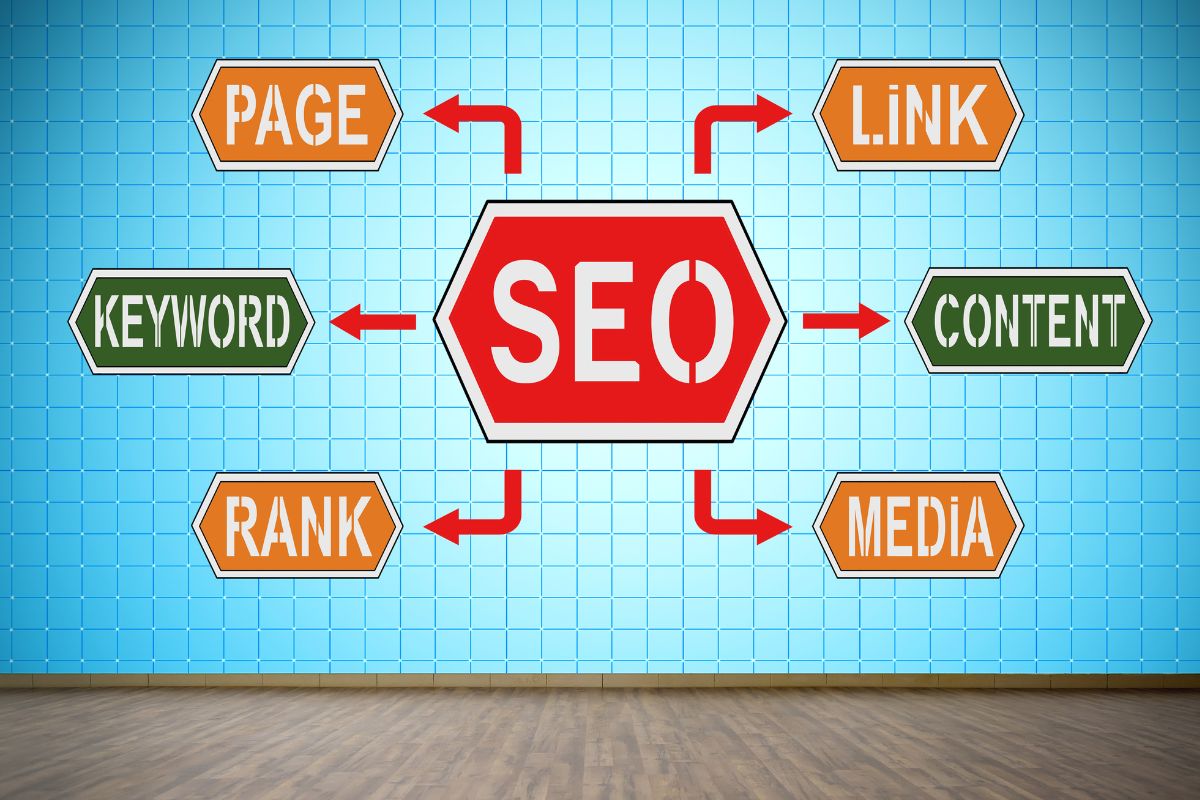
Investing in SEO helps businesses build long-term visibility and attract customers through organic search channels. A strong SEO strategy improves website rankings, increases qualified traffic, and reduces dependence on continuously increasing advertising costs. Businesses should consider investments in content creation, technical optimization, and authority building to strengthen their digital presence. Long-term organic growth can significantly improve customer acquisition efficiency over time.
2. Budgeting for Performance Marketing
Performance marketing allows businesses to generate measurable results by investing in campaigns focused on specific outcomes such as leads, conversions, and revenue growth. Organizations should evaluate their budgets based on campaign objectives, target audiences, and expected returns rather than focusing only on spending levels. Strategic budgeting helps businesses optimize paid marketing investments and avoid unnecessary costs. Well-managed performance marketing can improve acquisition efficiency while supporting scalable growth.
3. Investing in Marketing Technology and Analytics
Marketing technology and analytics tools provide businesses with valuable insights into customer behavior, campaign performance, and acquisition efficiency. Investing in accurate tracking systems, automation platforms, and analytics solutions helps organizations make data-driven decisions. These technologies enable businesses to identify high-performing strategies and eliminate ineffective approaches. Better measurement capabilities support continuous optimization and improved customer acquisition outcomes.
4. Improving Website User Experience
A strong website experience plays an important role in converting visitors into customers. Businesses should invest in website performance, mobile optimization, navigation, content clarity, and conversion-focused design to improve customer journeys. Better user experiences reduce friction and increase the likelihood of prospects taking desired actions. Improving website effectiveness allows businesses to generate more value from existing marketing traffic.
5. Measuring Return on Marketing Investments
Businesses should evaluate marketing investments based on measurable outcomes rather than activity alone. Tracking metrics such as customer acquisition cost, conversion rates, customer lifetime value, and return on investment helps organizations understand the effectiveness of their strategies. Regular performance evaluation enables better budget allocation and smarter decision-making. Measuring returns ensures resources are invested in strategies that support profitability and growth.
6. Scaling High-Performing Marketing Channels
Identifying and expanding successful marketing channels helps businesses grow efficiently without increasing acquisition costs unnecessarily. Organizations should analyze campaign performance to determine which channels generate the highest-quality customers and strongest returns. Scaling successful approaches requires careful planning, continuous monitoring, and strategic resource allocation. This enables businesses to increase customer acquisition while maintaining cost efficiency and long-term profitability.
What Common Mistakes Should Businesses Avoid When Reducing Customer Acquisition Cost?
Reducing customer acquisition cost requires a balanced approach that focuses on efficiency, customer quality, and long-term business value. While businesses aim to lower acquisition expenses, poor strategies can reduce marketing effectiveness and attract customers who provide limited long-term value. Understanding how to reduce customer acquisition cost requires avoiding common mistakes that negatively impact conversions, profitability, and sustainable growth:
1. Targeting the Wrong Audience
Targeting the wrong audience can increase customer acquisition costs by wasting marketing resources on prospects who are unlikely to convert. Businesses should use customer data, market research, and analytics to identify audiences that match their ideal customer profiles. Accurate targeting improves campaign relevance and increases the chances of attracting qualified leads. Reaching the right customers helps organizations improve efficiency and maximize marketing investments.
2. Ignoring SEO and Organic Traffic
Businesses that rely only on paid channels may increase their acquisition costs over time as advertising competition grows. Ignoring SEO limits opportunities to attract customers through organic search and build long-term digital visibility. A strong SEO strategy helps organizations generate consistent traffic, improve authority, and reduce dependence on paid acquisition methods. Investing in organic growth supports more sustainable customer acquisition.
3. Focusing Only on Paid Advertising
Paid advertising can deliver fast results, but depending on it exclusively can create higher acquisition costs and reduce long-term efficiency. Businesses should combine paid campaigns with SEO, content marketing, customer retention strategies, and other digital approaches. A balanced marketing strategy creates multiple acquisition opportunities while improving overall performance. Diversifying channels helps organizations achieve more sustainable growth.
4. Neglecting Conversion Rate Optimization
Driving traffic without improving conversion rates can increase customer acquisition costs because businesses gain fewer customers from the same marketing investment. Organizations should continuously optimize landing pages, websites, messaging, and customer journeys to improve conversions. Better conversion performance allows businesses to generate more customers without significantly increasing spend. Conversion rate optimization is essential for improving acquisition efficiency.
5. Making Decisions Without Data
Marketing decisions based on assumptions rather than data can lead to ineffective campaigns and unnecessary expenses. Businesses should use analytics to understand customer behavior, measure campaign performance, and identify areas for improvement. Data-driven strategies help organizations allocate resources more effectively and optimize customer acquisition efforts. Accurate insights create stronger foundations for sustainable marketing growth.
6. Prioritizing Low Costs Over Customer Quality
Reducing customer acquisition costs should not mean attracting customers with limited long-term value. Businesses that focus only on minimizing expenses may generate low-quality leads, higher churn rates, and weaker profitability. Organizations should prioritize acquiring customers who contribute meaningful value over time. Balancing acquisition costs with customer lifetime value creates healthier and more sustainable growth.
What Future Trends Will Influence Customer Acquisition Costs?
Customer acquisition is entering a new era where technology, data, and changing customer expectations will shape how businesses attract and convert customers. Understanding how to reduce customer acquisition cost requires organizations to adapt to emerging trends that improve efficiency, targeting, and marketing performance. The following trends will influence how businesses optimize acquisition strategies, reduce unnecessary expenses, and achieve sustainable growth in the future:

1. AI Will Optimize Marketing Efficiency
Artificial intelligence is transforming how businesses plan, execute, and optimize customer acquisition campaigns. AI-powered tools can analyze customer data, identify high-performing strategies, automate processes, and improve audience targeting. These capabilities help businesses reduce wasted marketing spend while increasing campaign effectiveness. As AI adoption grows, organizations will use intelligent systems to create more efficient and profitable acquisition strategies.
2. AI Search Will Change Customer Acquisition
AI-powered search experiences are changing how customers discover brands, products, and services online. Businesses that optimize their digital content for AI Search will improve visibility and increase opportunities to connect with potential customers during earlier stages of the buying journey. Creating authoritative, structured, and relevant content will become increasingly important for digital discovery. AI Search Optimization will play a major role in shaping future customer acquisition strategies.
3. Privacy-First Marketing Will Reshape Targeting
Changes in privacy regulations and digital tracking practices are influencing how businesses collect and use customer information. Organizations will need to adopt privacy-first approaches that rely more on first-party data, customer consent, and transparent communication. These strategies will help businesses maintain trust while improving audience targeting accuracy. Privacy-focused marketing will become essential for sustainable customer acquisition.
4. Predictive Analytics Will Improve Budget Allocation
Predictive analytics will enable businesses to make smarter decisions about where and how they invest marketing resources. By analyzing historical data, customer behaviors, and campaign performance, organizations can predict which strategies are most likely to generate valuable customers. These insights improve budget allocation and reduce spending on ineffective channels. Predictive analytics will help businesses achieve better acquisition results with greater efficiency.
5. Integrated Marketing Strategies Will Increase ROI
Businesses will increasingly combine multiple marketing channels to create more effective customer acquisition systems. Integrating SEO, performance marketing, content marketing, AI Search Optimization, and customer engagement strategies allows organizations to reach customers across different stages of the buying journey. A connected approach improves visibility, conversions, and overall marketing performance. Integrated strategies will help businesses maximize return on investment while controlling acquisition costs.
6. Customer-Centric Marketing Will Reduce Acquisition Costs
Customer-focused marketing will become increasingly important as businesses compete for attention in crowded markets. Organizations that understand customer needs, preferences, and behaviors can create more relevant experiences that improve engagement and conversions. Better customer experiences reduce wasted marketing efforts and increase customer loyalty. Customer-centric strategies will help businesses acquire valuable customers more efficiently while supporting long-term growth.
Why Partner With Smepal Consultancy Agency Limited to Reduce Customer Acquisition Cost?
Reducing customer acquisition cost requires more than lowering marketing expenses; it requires strategic planning, data-driven optimization, and a deep understanding of customer behavior. At Smepal Consultancy Agency Limited, we help businesses build efficient acquisition systems that improve visibility, attract qualified leads, increase conversions, and maximize marketing returns. Our integrated approach combines digital marketing expertise, advanced technologies, and revenue-focused strategies to help organizations achieve sustainable growth while optimizing acquisition investments:
1. We Develop Cost-Effective Customer Acquisition Strategies
We create customized customer acquisition strategies designed to help businesses attract valuable customers while improving marketing efficiency. Our approach focuses on understanding your target audience, identifying high-performing channels, and developing campaigns that support measurable business goals. We help organizations reduce unnecessary marketing costs while maintaining strong customer quality. This enables businesses to build scalable acquisition systems that support long-term profitability.
2. We Combine SEO, Performance Marketing, and AI Search Optimization
We combine SEO, performance marketing, and AI Search Optimization to create a complete customer acquisition approach. Our strategies improve online visibility, attract qualified prospects, and generate measurable results across multiple digital channels. By integrating organic and paid marketing approaches, we help businesses reduce dependence on expensive acquisition methods. This balanced strategy improves efficiency while supporting sustainable growth.
3. We Optimize Marketing Campaigns for Higher ROI
We use data-driven insights to continuously improve marketing campaigns and maximize return on investment. Our team analyzes campaign performance, customer behavior, and conversion data to identify opportunities for improvement. Through ongoing optimization, we help businesses reduce wasted spending and focus resources on strategies that generate stronger outcomes. Better campaign performance leads to more efficient customer acquisition.
4. We Improve Lead Quality and Conversion Rates
Generating more leads is not enough if those leads do not contribute to business growth. We develop strategies that improve audience targeting, lead quality, and conversion opportunities throughout the customer journey. By attracting more qualified prospects and optimizing conversion processes, we help businesses achieve better results from their marketing investments. Higher-quality leads contribute to lower acquisition costs and stronger revenue growth.
5. We Use Data Analytics to Reduce Marketing Costs
Data analytics enables businesses to understand what drives performance and where improvements are needed. We use customer insights, campaign analytics, and performance metrics to guide strategic decisions and improve marketing efficiency. Our data-driven approach helps identify ineffective activities while maximizing investment in high-performing strategies. This allows businesses to reduce unnecessary costs and improve overall acquisition performance.
6. We Help Businesses Achieve Sustainable Revenue Growth
Our goal is to help businesses create customer acquisition strategies that generate long-term value rather than short-term results alone. We combine digital marketing expertise, continuous optimization, and revenue-focused solutions to improve visibility, leads, conversions, and profitability. Our strategies are designed to support scalable growth while maintaining acquisition efficiency. By partnering with us, businesses can build stronger foundations for sustainable revenue growth.
Frequently Asked Questions About How to Reduce Customer Acquisition Cost
Reducing customer acquisition cost requires businesses to understand how marketing investments, customer behavior, and conversion strategies influence overall profitability. Understanding how to reduce customer acquisition cost helps organizations improve efficiency, attract qualified customers, and maximize the value generated from their marketing efforts. The following frequently asked questions provide valuable insights into customer acquisition costs and the strategies businesses can use to achieve sustainable growth:
1. What is customer acquisition cost?
Customer acquisition cost is the total amount a business spends on marketing, sales, and promotional activities to acquire a new customer. It helps organizations understand the financial investment required to attract customers and evaluate whether acquisition strategies are generating profitable results.
2. Why is customer acquisition cost important?
Customer acquisition cost helps businesses measure marketing efficiency and determine whether their customer growth strategies are financially sustainable. By monitoring this metric, organizations can optimize spending, improve profitability, and make better decisions about customer acquisition investments.
3. How can businesses reduce customer acquisition cost?
Businesses can reduce customer acquisition cost by improving audience targeting, investing in SEO, optimizing conversion rates, using performance marketing, strengthening referral strategies, and continuously analyzing campaign performance. These approaches help organizations attract qualified customers while improving marketing efficiency.
4. How is customer acquisition cost calculated?
Customer acquisition cost is calculated by dividing the total marketing and sales expenses by the number of new customers acquired during a specific period. This calculation helps businesses understand how much they invest to gain each customer and identify opportunities to improve efficiency.
5. Which marketing strategies reduce customer acquisition cost?
Strategies such as SEO, AI Search Optimization, content marketing, performance marketing, marketing automation, conversion rate optimization, and customer retention initiatives can help reduce acquisition costs. Combining multiple strategies creates a more efficient and sustainable customer acquisition approach.
6. What metrics should businesses track alongside customer acquisition cost?
Businesses should track metrics such as customer lifetime value, conversion rate, return on marketing investment, cost per lead, customer retention rate, and return on ad spend. These metrics provide a broader understanding of profitability, customer quality, and marketing performance.
7. How long does it take to reduce customer acquisition cost?
The time required to reduce customer acquisition cost depends on factors such as current marketing performance, industry competition, customer behavior, and the strategies implemented. Some improvements may appear quickly through campaign optimization, while long-term strategies like SEO require continuous investment.
8. What challenges affect customer acquisition costs?
Common challenges include rising advertising costs, increased competition, poor targeting, low conversion rates, inaccurate data, and difficulty balancing growth with efficiency. Businesses must continuously optimize their strategies to overcome these challenges and maintain profitable acquisition systems.
9. Can small businesses reduce customer acquisition costs?
Yes, small businesses can reduce customer acquisition costs by focusing on targeted marketing strategies, improving customer experiences, using data effectively, and investing in sustainable channels such as SEO and content marketing. Strategic optimization allows smaller businesses to compete more efficiently.
10. Why should businesses work with Smepal Consultancy Agency Limited?
Smepal Consultancy Agency Limited helps businesses reduce customer acquisition costs through customized digital marketing strategies, SEO, AI Search Optimization, performance marketing, and data-driven solutions. We help organizations improve visibility, attract qualified leads, increase conversions, and achieve sustainable revenue growth.
Reduce Customer Acquisition Costs With How to Reduce Customer Acquisition Cost Strategies From Smepal Consultancy Agency Limited
Contact us today to discover how to reduce customer acquisition cost and improve your marketing efficiency with Smepal Consultancy Agency Limited. Book a consultation with our experts to develop a customized customer acquisition strategy that supports your business goals. Inquire about our services and take the next step toward improving leads, conversions, and marketing ROI. Take immediate action today and partner with Smepal Consultancy Agency Limited to achieve sustainable revenue growth.