Best Custom Software Development Company for Businesses: What to Consider
Choosing a custom software development company is an important business decision because the development partner can influence how well the final system addresses real operational needs. The wrong provider may misunderstand requirements, introduce unnecessary features, overlook integrations, cause avoidable delays, or deliver software that fails to solve the problem it was meant to address. Finding the best custom software development company therefore requires more than comparing technical services or advertised capabilities; businesses should assess how well a provider understands their requirements, development approach, technical needs, communication expectations, scalability goals, and long-term support. A careful evaluation can help decision-makers choose a development partner capable of turning specific business challenges into practical, reliable, and purposeful software.
Overview of Contents
ToggleWhy Does Choosing the Right Custom Software Development Company Matter?
Selecting a development partner can affect much more than the technical construction of a software system. The provider’s understanding, planning, development practices, and communication can influence whether the final solution is useful, manageable, and aligned with business objectives. These factors make it important to assess a potential development partner before committing to a custom software project:
1. The Development Partner Influences Software Quality
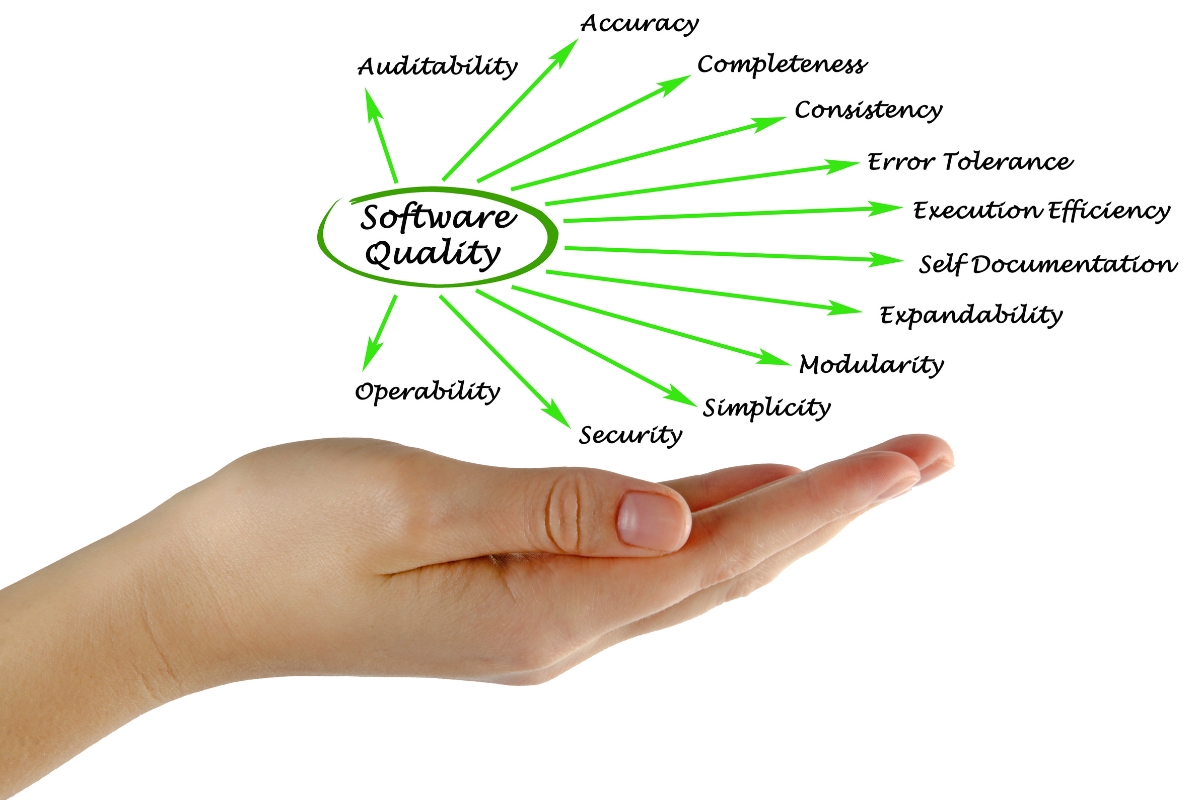
The quality of custom software depends partly on how carefully the development partner translates business requirements into functionality. A capable provider should consider usability, system structure, performance, security, testing, and integration requirements throughout development. Poor technical or planning decisions can leave an organization with software that is difficult to use, maintain, or improve.
2. The Right Provider Understands Business Requirements
Software development should begin with an understanding of the problem the organization wants to solve. A suitable provider takes time to understand objectives, users, workflows, operational gaps, data requirements, and expected outcomes before recommending functionality. This helps ensure that development addresses genuine business needs rather than assumptions about what the software should contain.
3. Development Decisions Affect Operational Efficiency
The way software is designed can determine how easily employees complete their daily tasks. A system that reflects actual workflows can reduce unnecessary steps, repetitive data entry, manual coordination, and movement between disconnected tools. Choosing a development partner that understands operational efficiency can therefore influence the practical value of the final solution.
4. A Provider Can Influence Project Costs
Development costs can increase when requirements are unclear, project scope expands without control, or technical challenges emerge late in the process. A development partner that carefully defines requirements, identifies dependencies, prioritizes features, and discusses technical considerations early can help create better cost visibility. Businesses should therefore evaluate how a provider approaches scope and project planning rather than comparing prices alone.
5. Software Architecture Affects Future Growth
The technical structure established during development can influence how easily a system accommodates future changes. More users, data, transactions, integrations, departments, and business functions may place new demands on the software as an organization grows. A development partner should consider reasonable future requirements so the system has a practical foundation for expansion.
6. Communication Can Affect Project Outcomes
Custom software development involves decisions about requirements, functionality, priorities, testing, changes, and implementation. Poor communication can create misunderstandings between the business and development team, while clear communication helps identify issues and confirm decisions earlier. A provider with a structured approach to updates, feedback, documentation, and project discussions can make the development process easier to manage.
What Should Businesses Look for in a Custom Software Development Company?
Once a business understands why provider selection matters, the next step is to identify the qualities that distinguish a suitable development partner. Technical capability is important, but it should work alongside business understanding, communication, security, integration knowledge, scalability, and ongoing support. Evaluating these areas can help businesses compare potential providers based on their ability to deliver a solution that fits their actual requirements:
1. Strong Understanding of Business Requirements
A suitable provider should be able to translate business challenges into clear software requirements. Look for a development company that asks relevant questions about workflows, users, objectives, data, reporting, integrations, and operational problems before proposing a solution. This indicates that the provider is considering the business context rather than simply selling predefined features.
2. Experience With Custom Software Development
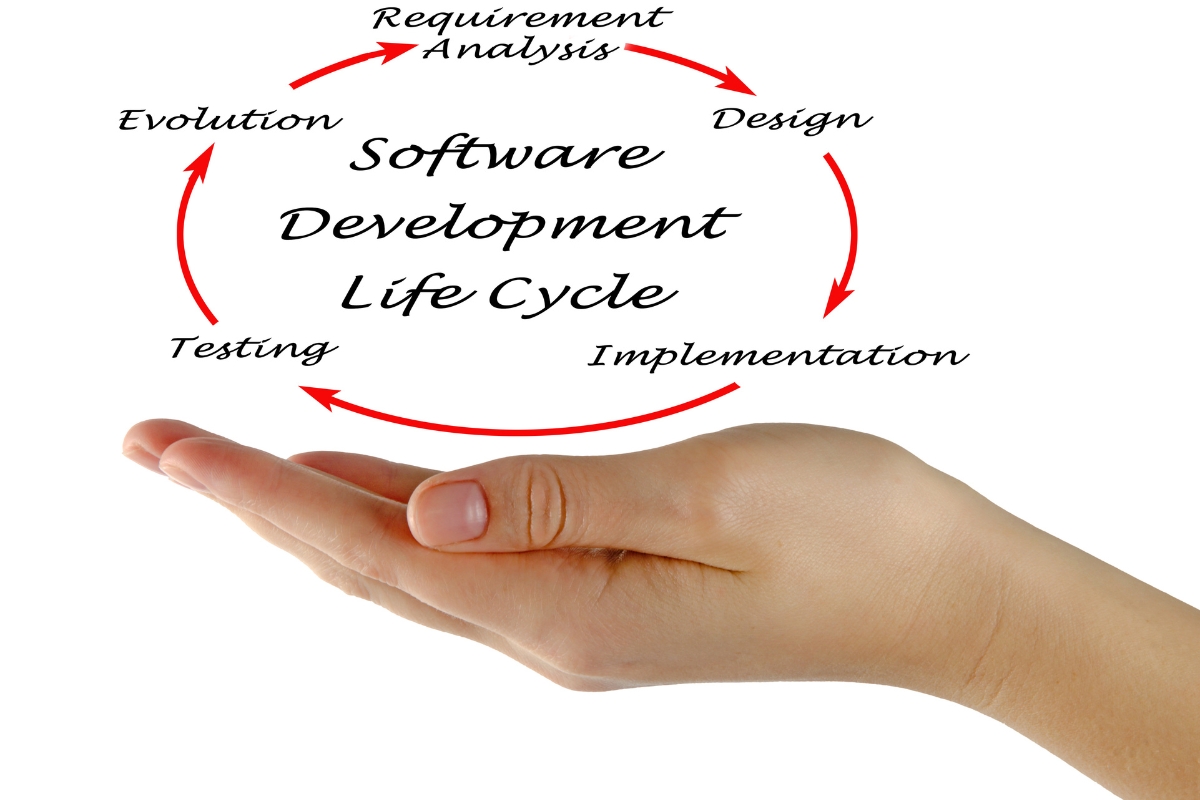
Custom development requires different considerations from configuring standard software. A provider should understand requirements analysis, system design, development, testing, deployment, and post-launch improvements. Relevant experience can also help the development team identify technical dependencies and practical considerations earlier in the project.
3. Ability to Understand Business Workflows
Software needs to fit the way people actually work. A good development partner should be able to map activities, responsibilities, approvals, information flows, exceptions, and repetitive processes before designing the system. This helps turn real operational workflows into functionality that users can understand and apply.
4. Appropriate Technical Development Capabilities
The technology used should match the project’s requirements rather than being selected simply because it is popular. Consider whether the provider can work with the appropriate programming technologies, databases, infrastructure, user interfaces, security requirements, and deployment environments needed for the proposed system. Technical choices should support the software’s intended functionality, reliability, maintainability, and future development.
5. Integration and API Development Knowledge
Many organizations already rely on accounting platforms, payment systems, communication tools, websites, customer management systems, or other applications. A development partner should understand how these systems can exchange information through APIs or other appropriate integration methods. Assessing integration requirements early can prevent technical limitations from becoming major problems later.
6. Data Management and Reporting Capabilities
Software becomes more useful when it handles business information in a structured and accessible way. A suitable provider should understand how data will be collected, stored, updated, retrieved, protected, and reported within the system. Reporting and dashboard requirements should also reflect the information management needs to monitor operations and make decisions.
7. Security-Focused Development Practices
Security should form part of the development process from the beginning. The provider should consider authentication, user permissions, authorization, data protection, secure integrations, backups, monitoring, and other controls relevant to the system. Businesses should understand how a potential development partner approaches security before entrusting the provider with important business information.
8. Scalable Software Development Approach
The selected provider should consider how the system may change as the business grows. This includes potential increases in users, transactions, data, services, departments, locations, and integrations. A scalable approach can reduce the likelihood of having to rebuild major parts of the system when reasonable future requirements emerge.
9. Clear Communication and Project Management
A custom software project requires regular coordination between the business and development team. Businesses should look for clear processes for requirements, milestones, feedback, approvals, testing, documentation, and change requests. Transparent communication can make it easier to identify issues, manage expectations, and keep development aligned with agreed objectives.
10. Ongoing Maintenance and Support
Software development does not necessarily end when the system goes live. Businesses may require bug fixes, security updates, performance monitoring, technical assistance, infrastructure management, and future enhancements. A provider that can discuss post-launch maintenance and support from the beginning can help the organization plan for the software’s long-term operation.
How Can a Business Evaluate Its Software Development Needs First?
Choosing a development company before understanding the underlying software requirements can make it harder to compare providers objectively. A business should first establish the problems it wants to solve, how its current processes work, what functionality users need, and how the system should connect with existing technology. This assessment creates a clearer project scope and gives the best custom software development company a stronger foundation for understanding what the organization actually needs:
1. Identify the Business Problem
Start by defining the operational problem that the software should solve. This could involve repetitive manual work, disconnected systems, limited reporting, poor customer management, inefficient approvals, or difficulty accessing important information. A clearly defined problem helps prevent the project from becoming a collection of features without a meaningful business purpose.
2. Review Existing Software and Tools
Examine the applications, platforms, spreadsheets, and other tools currently used across the organization. Determine which systems work well, which create limitations, and where employees have to switch between multiple platforms to complete tasks. This review can show whether the business needs completely new software or whether configuration, integration, or replacement of selected tools may be sufficient.
3. Map Current Business Workflows
Document how important processes move from one stage to another and identify the people, information, approvals, and systems involved. Workflow mapping can reveal unnecessary steps, delays, duplicated work, and gaps between departments. These findings can then guide the design of software that reflects actual operations.
4. Identify Manual and Repetitive Processes
Look for activities that employees repeatedly perform, such as entering information, updating records, assigning tasks, sending notifications, preparing reports, or reconciling data. These processes may present opportunities for automation within a custom system. Identifying them early helps the development team understand where software can create practical efficiency.
5. Define Required Software Features
List the functionality the system genuinely needs to support the identified business objectives. Depending on the organization, this could include user management, customer records, workflow management, approvals, notifications, document handling, dashboards, reporting, or transaction processing. Separating essential features from desirable future additions can also help maintain a manageable project scope.
6. Identify Users and Access Requirements
Determine who will use the software and what each user group needs to access or perform. Employees, managers, administrators, customers, and other users may require different interfaces, permissions, workflows, and levels of access. Defining these requirements early helps shape both functionality and security controls.
7. Determine Data and Reporting Needs
Establish what information the system needs to collect, store, update, retrieve, and report. Consider which data management needs are operational and which reports or dashboards management requires for decision-making. Clear data and reporting requirements can help ensure that the resulting software provides useful information rather than simply storing records.
8. Identify Required Integrations
List the existing systems that the new software may need to communicate with, including payment platforms, accounting applications, websites, communication tools, customer management systems, or other business applications. Determine what information needs to move between these systems and when it needs to happen. Early integration planning allows potential technical limitations to be considered before development begins.
9. Consider Security Requirements
Identify the information that requires protection and determine who should be allowed to access different parts of the system. Requirements may include authentication, role-based permissions, authorization, data protection, backups, monitoring, and secure integrations. Security considerations should form part of the initial requirements rather than being added after development.
10. Define Future Growth Requirements
Consider how the organization’s technology needs may change as users, customers, transactions, data, departments, services, or locations increase. Not every future possibility needs to become a current feature, but reasonable growth requirements should influence the system’s design. This helps the development partner create a foundation that can accommodate future needs without unnecessary complexity.
How Do You Compare Different Custom Software Development Companies?
Once the business understands its requirements, it can compare development companies against the same practical criteria. Looking beyond marketing claims helps decision-makers assess whether each provider can understand the project, develop the required functionality, manage technical complexities, and support the software after launch. Using these criteria can make it easier to identify the best custom software development company for the organization’s specific requirements:
1. Compare Their Understanding of Your Requirements
Assess whether each provider can clearly explain the business problem, workflows, users, features, integrations, and objectives discussed during initial conversations. A strong development partner should ask meaningful questions rather than immediately proposing a solution. Their understanding should demonstrate that they are considering the business context behind the software requirements.
2. Review Their Development Approach
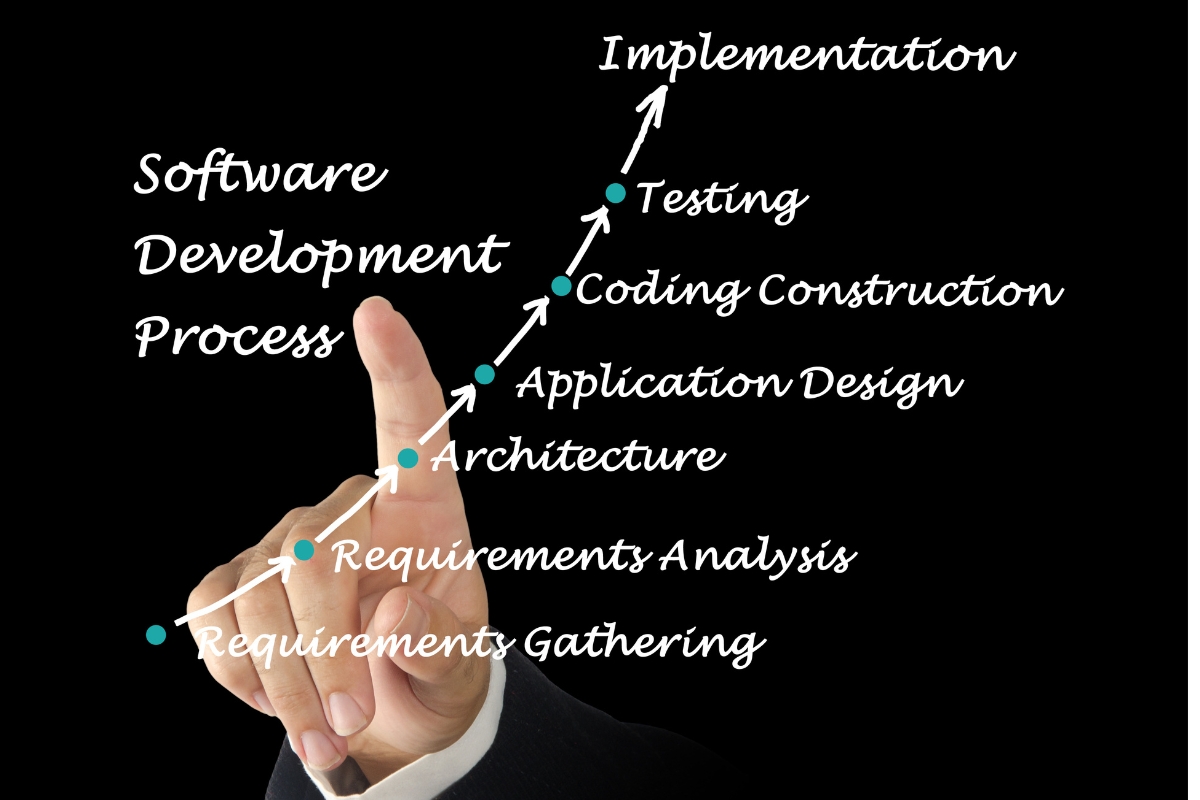
Ask how the company moves from requirements to design, development, testing, deployment, and ongoing improvements. A clear process can help the business understand how decisions will be made and how progress will be managed. The approach should provide enough structure to control scope while allowing reasonable changes when requirements evolve.
3. Assess Their Technical Capabilities
Evaluate whether the provider has the technical capabilities required for the proposed solution. This may include application development, databases, cloud infrastructure, APIs, integrations, security, reporting, automation, and user interface development. The technology should serve the project’s requirements rather than become the primary reason for choosing a provider.
4. Evaluate Their Communication Process
Find out how the provider will communicate during planning and development. Discuss project updates, meetings, feedback, approvals, documentation, issue reporting, and requirement changes. Clear communication can reduce misunderstandings and help both parties remain aligned throughout the project.
5. Examine Their Approach to Testing
Ask how the provider plans to test the software before launch. Testing should consider functionality, workflows, user roles, integrations, data, security requirements, and realistic usage scenarios where applicable. A structured testing process can identify problems before they affect everyday business operations.
6. Review Their Integration Capabilities
Determine whether the company can work with the external platforms that the software needs to connect with. Ask how it assesses APIs, authentication, data formats, synchronization, and integration limitations. This is particularly important when the new system must operate alongside existing business technology.
7. Ask About Security Practices
Understand how the provider approaches authentication, access control, data protection, secure integrations, backups, monitoring, and other relevant security requirements. Security should be considered throughout the development lifecycle rather than treated as a final-stage feature. The provider should also be able to explain security considerations in terms that decision-makers can understand.
8. Understand Their Maintenance and Support
Clarify what happens after the software is launched and who will handle ongoing technical requirements. Ask about bug fixes, updates, security maintenance, performance issues, technical support, infrastructure management, and future enhancements. Understanding these responsibilities early helps the business plan for the complete lifecycle of its software.
9. Compare Project Scope and Deliverables
Review what each provider is actually proposing, including the features, integrations, development stages, testing, deployment requirements, documentation, and support arrangements. Comparing providers against the same scope makes it easier to identify meaningful differences. It also reduces the risk of selecting an apparently cheaper option that excludes important project requirements.
10. Evaluate Overall Business Value
The lowest price or longest feature list does not automatically identify the most suitable provider. Consider how effectively each company understands the problem, meets the requirements, manages technical risks, communicates, supports users, and provides a foundation for future development. The best custom software development company for a particular business should ultimately be the provider whose approach offers the strongest fit between the organization’s needs, project requirements, and expected long-term value.
What Questions Should You Ask a Custom Software Development Company?
Asking the right questions can reveal how a development company approaches requirements, technical decisions, project management, and long-term software support. These discussions also help businesses identify potential risks before development begins and determine whether a provider can work effectively with their organization. Before selecting the best custom software development company for your needs, consider asking the following questions:
1. How Will You Understand Our Business Requirements?
Ask the provider how it will identify your business problems, objectives, workflows, users, data requirements, and expected outcomes. A suitable development partner should have a clear process for gathering and documenting requirements before development begins. This helps ensure the proposed software addresses actual operational needs.
2. How Will You Translate Our Workflows Into Software?
Find out how the development team will study existing processes and convert them into software functionality. Ask how it will handle approvals, responsibilities, information flows, repetitive activities, exceptions, and other workflow requirements. This can help determine whether the provider is designing around your operations rather than simply offering generic features.
3. What Development Approach Will You Use?
Ask the company to explain how it will move from requirements and design through development, testing, deployment, and future improvements. Understanding the process can help you establish how progress will be managed and when your team will provide feedback. It also gives you an opportunity to understand how the provider controls project scope and quality.
4. How Will You Handle Changes to Requirements?
Requirements can change as users understand the proposed system more clearly. Ask how the provider documents, evaluates, prioritizes, and approves changes and how those changes may affect the project scope. A structured process can prevent uncontrolled changes from creating unnecessary complexity or unexpected development work.
5. How Will You Test the Software?
Ask what types of testing the provider will conduct before the system goes live. Testing may need to cover functionality, workflows, user roles, integrations, data, performance, and relevant security requirements. Understanding the testing approach helps establish whether the software will be evaluated against realistic business scenarios.
6. How Will You Handle Integrations With Existing Systems?
Discuss every platform that the proposed software may need to connect with and ask how those integrations will be implemented. The provider should consider APIs, authentication, data formats, synchronization requirements, and limitations of external systems. Addressing these questions early can reduce the risk of discovering integration problems late in development.
7. How Will You Address Software Security?
Ask how security will be incorporated into the system from the planning stage through deployment and ongoing maintenance. Discuss areas such as authentication, user permissions, data protection, secure integrations, backups, monitoring, and other controls relevant to your software. This helps establish whether security is treated as a core development requirement.
8. How Will You Design the System for Future Growth?
Ask how the proposed architecture can accommodate changes in users, data, transactions, departments, services, locations, or integrations. The goal is not to build every possible future feature immediately but to establish a practical foundation for reasonable growth. A provider should be able to explain which scalability considerations are relevant to your particular system.
9. What Happens After the Software Is Launched?
Clarify what post-launch services are available and which responsibilities will remain with your organization. Discuss technical support, bug fixes, security updates, performance monitoring, infrastructure management, and future enhancements. Understanding the ongoing relationship can help you plan for the software beyond its initial development.
10. How Will We Communicate During Development?
Ask how often you will receive updates and which channels will be used for meetings, feedback, approvals, documentation, and issue resolution. Clear communication can help keep requirements aligned and ensure important decisions are recorded. It also gives both parties a practical way to identify and address issues throughout the project.
What Makes a Custom Software Development Company a Good Business Fit?
Technical capabilities alone do not determine whether a development company is suitable for a particular organization. The provider also needs to understand the business environment, users, objectives, existing technology, communication expectations, and long-term requirements. Evaluating this overall fit can help a business choose a development partner that can support the project effectively from planning through ongoing use:
1. The Company Understands Your Industry and Operations
A suitable provider should understand the operational context in which the software will be used. This includes the organization’s processes, customers, internal responsibilities, common challenges, and industry-specific requirements where relevant. The better the provider understands these factors, the easier it becomes to translate them into practical software requirements.
2. Its Development Approach Matches Your Requirements
Different projects have different levels of complexity, customization, integration, and user involvement. The provider’s development process should accommodate the way your project needs to be planned, tested, reviewed, and implemented. A suitable approach should provide structure without introducing unnecessary processes or complexity.
3. It Can Work With Your Existing Technology
Most organizations already have some combination of software, websites, databases, communication platforms, payment systems, or other digital tools. A good development partner should assess these systems and determine how the new solution can interact with them where necessary. This can help avoid creating another isolated platform that increases operational fragmentation.
4. It Understands Your Users
The people who use the software every day can have different responsibilities, technical abilities, and workflow requirements. A suitable development company should consider these differences when planning interfaces, permissions, workflows, and functionality. User understanding can also improve adoption because the system reflects how employees or customers actually interact with the business.
5. It Can Support Your Business Objectives
The software should contribute to specific business objectives rather than exist as a technology project without a clear purpose. Whether the goal involves improving efficiency, automating processes, centralizing information, strengthening reporting, connecting systems, or improving customer management, the provider should understand what the business wants to achieve. This keeps development focused on measurable operational needs.
6. It Can Accommodate Future Requirements
A good business fit includes consideration of how the organization may evolve after the initial system is launched. The provider should discuss potential changes in users, workflows, data, services, integrations, and functionality without encouraging unnecessary features today. This creates a more practical balance between current requirements and future flexibility.
7. Its Communication Style Fits Your Organization
Development involves regular questions, decisions, feedback, approvals, and changes. A provider whose communication process is clear and compatible with your organization’s working style can make collaboration easier. Establish expectations around updates, meetings, documentation, response times, and decision-making before development begins.
8. Its Support Model Matches Your Long-Term Needs
The right provider should offer a support approach that fits the importance and complexity of the software. Consider what your organization may need after launch, including maintenance, troubleshooting, updates, security improvements, performance monitoring, and future development. A strong long-term fit means the provider’s support capabilities align with how the business expects to operate and evolve its system.
What Are the Benefits of Choosing the Right Custom Software Development Company?
Choosing the right development partner can influence whether custom software delivers meaningful value after implementation. A provider that understands the business can design functionality around actual workflows, connect relevant systems, and create a foundation that supports users and future requirements. These benefits show why selecting the best custom software development company should focus on business outcomes rather than technical features alone:

1. Better Alignment Between Software and Business Workflows
A suitable development partner takes time to understand how work moves through the organization before designing the system. This allows software functionality to reflect actual responsibilities, approvals, information flows, and operational processes. Better alignment can make the system more practical for the people who rely on it every day.
2. More Relevant Software Functionality
The right provider focuses development on features that address identified business requirements. This reduces the likelihood of paying for unnecessary functionality that employees rarely use or that does not contribute to the intended objectives. Relevant functionality can make the software more focused, easier to manage, and more useful.
3. Improved Operational Efficiency
Well-designed software can reduce unnecessary manual steps, duplicate data entry, platform switching, and repetitive coordination. A development partner that understands operational requirements can identify where technology can simplify these activities. The resulting system can help employees complete important processes more consistently and efficiently.
4. Better Automation Opportunities
A provider with a strong understanding of business workflows can identify repetitive activities that are suitable for automation. These may include task assignments, notifications, approvals, status updates, data processing, or routine reporting. Automating appropriate processes can reduce manual effort while creating more consistent workflows.
5. Stronger Data and Reporting Capabilities
The right development partner can structure software around how the organization collects, manages, retrieves, and uses information. This can support relevant dashboards, reports, and operational views based on actual management requirements. Better access to organized information can also make it easier to monitor activities and identify areas requiring attention.
6. Better Integration Between Business Systems
A suitable provider can assess how the new software should interact with existing applications and platforms. Connecting relevant systems can reduce duplicate data entry and the need to manually transfer information between separate tools. This can create a more coordinated digital environment while allowing the organization to retain useful existing technology where appropriate.
7. Improved User Experience
Software needs to be understandable and practical for the people who use it. A development partner that considers user roles, workflows, interfaces, permissions, and common tasks can create a system that better reflects how users interact with the organization. A more suitable user experience can also make training and adoption easier.
8. Greater Software Flexibility
Custom software can provide more control over workflows, functionality, user access, data structures, and future enhancements than a standard application may offer. The right provider can use this flexibility to address specific requirements without introducing unnecessary complexity. This gives the organization greater ability to adapt the system as its needs change.
9. Better Support for Business Growth
A development partner that considers future requirements can create software with room for additional users, data, transactions, services, departments, and integrations. This does not mean building every future feature immediately. Instead, it means establishing a practical foundation that can evolve as the organization grows.
What Challenges Should Businesses Consider When Choosing a Development Partner?
Selecting a development partner also carries risks, particularly when businesses compare providers without fully understanding their technical and project requirements. Differences in scope, communication, technical capabilities, security practices, and support arrangements can create challenges that only become visible after development begins. Recognizing these risks helps businesses evaluate the best custom software development company more carefully and make a decision based on the complete project rather than initial impressions:
1. Difficulty Comparing Technical Capabilities
Development companies may describe similar services while having different levels of experience with particular technologies, integrations, architectures, or business requirements. This can make it difficult for decision-makers without technical backgrounds to determine which capabilities are relevant to their project. Businesses should therefore compare providers against their specific requirements rather than relying on general technology lists.
2. Unclear Project Scope
A project can become difficult to manage when the expected features, integrations, deliverables, testing requirements, and responsibilities are not clearly defined. Unclear scope can create different expectations between the business and development partner. Establishing a documented project scope before development can provide a stronger basis for planning and evaluation.
3. Different Interpretations of Requirements
The business may describe an operational need in terms that the development team interprets differently. Small misunderstandings about workflows, user roles, approvals, data, or functionality can lead to software that does not work as expected. Clear requirements documentation, discussions, prototypes where appropriate, and regular validation can help reduce these gaps.
4. Hidden Development Complexity
A seemingly simple feature may involve complex workflows, data relationships, integrations, permissions, or technical dependencies. Businesses may underestimate this complexity when evaluating a project based only on visible functionality. A thorough requirements and technical assessment can help identify potential complexities before they significantly affect development.
5. Integration Limitations
Existing platforms may have restricted APIs, authentication requirements, incompatible data structures, or other technical limitations. These issues can affect how effectively a new system communicates with external applications. Businesses should ask potential providers to assess integration requirements early rather than assuming every system can connect without difficulty.
6. Security and Data Protection Concerns
Custom software may handle customer information, employee records, financial information, operational data, or other sensitive business information. Poor security planning can create unnecessary risks for the organization and its users. Businesses should understand how potential providers approach authentication, permissions, data protection, secure integrations, backups, and ongoing security maintenance.
7. Communication and Expectation Gaps
A development project involves continuous decisions about requirements, functionality, priorities, testing, feedback, and changes. Communication gaps can cause misunderstandings about what has been agreed or what the project currently includes. Establishing clear communication channels, responsibilities, reporting processes, and approval procedures can help keep expectations aligned.
8. Unclear Maintenance Responsibilities
Businesses sometimes focus heavily on development while giving insufficient attention to what happens after launch. Software may require updates, bug fixes, security improvements, infrastructure management, performance monitoring, technical support, and future enhancements. Clarifying these responsibilities before signing an agreement helps the organization understand the full lifecycle of the system.
9. Changes in Project Requirements
Requirements may change as users test early versions of the software or as business priorities evolve. However, uncontrolled changes can affect development effort, testing, timelines, and overall project scope. A structured change-management process can help determine which changes are necessary, which can wait, and how approved changes affect the project.
10. Choosing Based Only on Price
Price is an important consideration, but the cheapest proposal may not provide the strongest business value. A lower initial cost may exclude important functionality, integration work, testing, documentation, support, or future requirements. Businesses should compare the complete scope, technical approach, communication, support, and expected value before selecting a development partner.
How Much Does It Cost to Work With a Custom Software Development Company?
The investment in custom software varies because each project has different business requirements, technical complexity, and implementation needs. A useful assessment should consider more than the initial development work and account for features, users, integrations, infrastructure, security, testing, support, and future improvements. Understanding these factors helps businesses compare proposals more accurately and determine whether working with the best custom software development company can provide sufficient long-term value:
1. Software Scope and Complexity
The overall scope of the software is one of the main factors influencing investment. A system supporting a single business process will generally require different planning and development work from one connecting multiple departments, workflows, users, and external platforms. Clearly defining the scope helps establish what the project needs before development begins.
2. Number of Features
Each feature can require planning, interface design, development, testing, documentation, and future maintenance. A system with a larger number of features may therefore require more development effort than a focused solution. Prioritizing essential functionality can help businesses control scope while leaving room for future enhancements.
3. Number of Users
The number and types of users can influence system design and development requirements. Different user groups may require separate dashboards, permissions, workflows, interfaces, and access levels. A system serving employees, managers, administrators, customers, or other users may therefore require more consideration than one designed for a single user group.
4. Workflow Complexity
Simple workflows may require limited automation and decision-making, while complex processes can involve multiple stages, approvals, dependencies, notifications, conditions, and responsibilities. These requirements can increase the amount of development and testing needed. Mapping workflows before development helps clarify this complexity.
5. Integrations With Existing Platforms
Connecting custom software with accounting systems, payment platforms, websites, communication tools, customer management applications, or other services can influence the overall investment. Development may need to account for APIs, authentication, data formats, synchronization, and limitations imposed by external platforms. The number and complexity of integrations should therefore form part of the initial project assessment.
6. Data Migration Requirements
Moving information from existing applications, databases, spreadsheets, or other systems can require significant preparation. Data may need to be extracted, cleaned, reorganized, mapped, transferred, validated, and tested before it can be used reliably in the new system. The condition and volume of existing data can therefore affect the project’s requirements.
7. Security and Infrastructure Requirements
The software may require specific hosting, databases, storage, backups, authentication, access controls, monitoring, and data protection measures. More demanding security or infrastructure requirements can increase both implementation and ongoing operational considerations. These requirements should be evaluated according to the type of information and functionality the system will handle.
8. Testing and Deployment Requirements
Testing ensures that the software performs according to its requirements before users depend on it. Projects may require testing across different workflows, user roles, integrations, data, and other relevant scenarios before deployment. Deployment planning can also involve data migration, configuration, user setup, training, and production infrastructure.
9. Maintenance and Support
The cost of custom software extends beyond the initial development phase. Organizations may need ongoing support for bugs, security updates, performance issues, infrastructure, integrations, and technical changes. Discussing maintenance requirements with a development company early can provide a clearer understanding of the software’s ongoing investment.
10. Future Development Requirements
Software may need additional functionality as the business introduces new services, users, workflows, departments, or integrations. Planning for future development does not mean paying to build every possible feature immediately. Instead, businesses should consider how the initial architecture and development approach can accommodate reasonable future requirements.
What Mistakes Should Businesses Avoid When Choosing a Software Development Company?
Selecting a development company based on limited information can create problems that become expensive or difficult to correct later. Businesses should assess how potential providers approach requirements, development, communication, security, support, and future growth rather than focusing on a single factor. Avoiding the following mistakes can make the selection process more deliberate and help identify a development partner that genuinely fits the project:

1. Choosing a Provider Based Only on Price
The lowest proposal does not necessarily provide the best overall value. A cheaper quote may reflect a narrower scope, fewer services, limited support, or assumptions that have not been discussed. Businesses should compare the complete scope, deliverables, technical approach, support, and expected value alongside the proposed investment.
2. Selecting a Company Without Understanding Its Development Process
A provider may have technical capabilities but still lack a development process that fits the organization’s needs. Ask how the company handles requirements, design, development, testing, feedback, deployment, and changes. Understanding this process can help reveal how the project will be managed from beginning to launch.
3. Failing to Define Requirements Before Development
Starting development without a reasonable understanding of the business problem and required functionality can create confusion later. Requirements should cover objectives, workflows, users, features, data, integrations, reporting, security, and other relevant needs. Clear requirements give both the business and development team a shared basis for planning.
4. Focusing Only on Technical Features
A long list of technologies does not necessarily mean a provider is suitable for a particular business. The more important question is whether those technical capabilities can be applied effectively to the organization’s requirements. Evaluate technical expertise alongside business understanding, workflow analysis, usability, integration, security, and long-term support.
5. Ignoring User Requirements
Employees and other users may interact with the software differently from management or project decision-makers. Ignoring their needs can result in confusing workflows, unnecessary steps, or functionality that does not support everyday operations. Involving relevant users during requirements gathering and testing can help produce a more practical system.
6. Overlooking Integration Requirements
Businesses may assume that existing applications can easily connect with the new system without checking their technical capabilities. APIs, authentication, data structures, synchronization requirements, and external platform limitations can all affect integration work. These requirements should be discussed with potential providers before the project scope is finalized.
7. Neglecting Security Considerations
Security should form part of the software requirements from the beginning. Businesses should ask how the provider will handle authentication, permissions, data protection, secure integrations, backups, monitoring, and other relevant controls. Leaving these discussions until the end can make security more difficult and costly to address properly.
8. Failing to Discuss Post-Launch Support
A software system may require technical assistance long after its initial launch. Businesses should clarify who will handle updates, bug fixes, security improvements, performance issues, infrastructure, integrations, and future enhancements. Discussing support before selecting a provider helps establish realistic expectations for the software’s ongoing management.
9. Accepting Unclear Project Deliverables
A proposal should make it reasonably clear what the development company will provide. This may include defined features, integrations, development stages, testing, deployment, documentation, training, and support where applicable. Unclear deliverables can create disagreements later because the business and provider may have different interpretations of what the project includes.
10. Choosing a Provider Without Considering Scalability
A system that meets today’s requirements may become restrictive as the business grows. Consider whether the provider understands potential increases in users, data, transactions, services, departments, and integrations. Choosing a development partner that considers reasonable future requirements can help create a stronger foundation for long-term software development.
How Should Businesses Choose the Best Custom Software Development Company?
Choosing a development partner should follow a structured process that connects the business problem to the capabilities of the provider being considered. Rather than selecting a company based on price, technology claims, or a long feature list alone, decision-makers should assess requirements, technical capabilities, communication, security, scalability, and ongoing support. The following steps can help businesses identify the best custom software development company for their specific needs and establish a stronger foundation for the project:
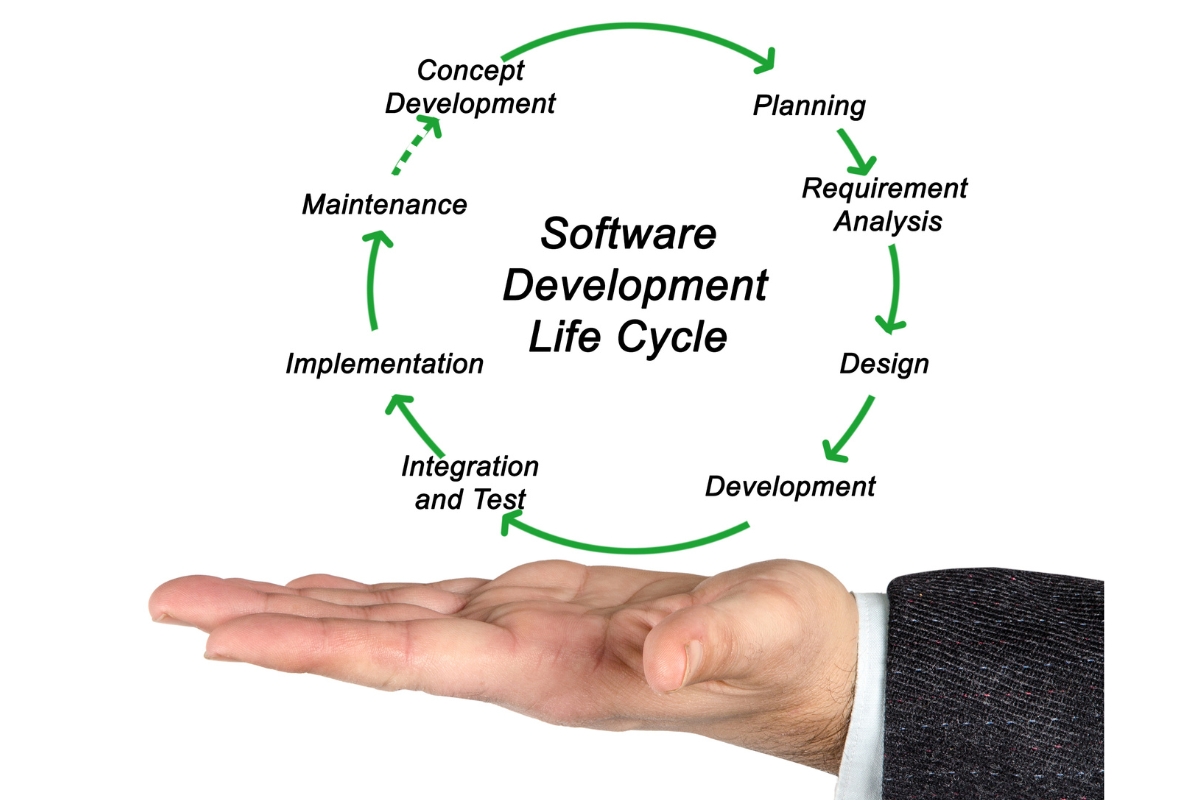
1. Start With the Business Problem
Begin by clearly identifying the operational problem the software needs to solve. Consider where employees lose time, where information becomes difficult to manage, which processes remain manual, and where existing tools create limitations. A clearly defined problem gives both the business and potential development partners a practical starting point.
2. Define the Software Requirements
Document the functionality the proposed system needs to provide. Include business objectives, workflows, users, permissions, data, reporting, integrations, automation, security, and other relevant requirements. Clear requirements make it easier to explain the project and compare providers against the same expectations.
3. Shortlist Suitable Development Companies
Research providers that offer the capabilities relevant to the proposed project. Consider their custom development services, technical expertise, experience with integrations, approach to security, communication processes, and support arrangements. A focused shortlist makes it easier to conduct meaningful discussions with companies that could realistically meet the requirements.
4. Assess Their Understanding of Your Business
Pay attention to the questions a provider asks during initial discussions. A suitable company should want to understand your objectives, workflows, users, operational challenges, and existing technology before recommending a solution. This can reveal whether the provider is approaching the project as a business problem or simply as a software development assignment.
5. Compare Technical and Development Capabilities
Evaluate whether each provider has the technical capabilities required for the proposed system. Consider application development, databases, APIs, integrations, automation, reporting, security, infrastructure, user interfaces, and other requirements relevant to the project. The strongest option should be able to connect these technical capabilities to the actual needs of the organization.
6. Evaluate Their Approach to Integrations and Data
Determine how each provider plans to handle existing systems and business information. Discuss APIs, data structures, synchronization, data migration, storage, reporting, and any limitations that could affect the project. This helps establish whether the provider can create a connected system without overlooking important data or integration requirements.
7. Discuss Security and Scalability
Ask how the provider will protect the system and its information while allowing it to accommodate reasonable future growth. Discuss authentication, permissions, data protection, backups, monitoring, infrastructure, and relevant security controls. Also consider how the system can handle increasing users, transactions, data, departments, services, and integrations over time.
8. Review Communication and Project Management
Understand how the development company will organize the project and communicate with your team. Ask about requirements documentation, project updates, milestones, feedback, approvals, testing, issue resolution, and change management. A clear process can help both sides maintain visibility and address decisions before they become larger problems.
9. Compare Scope, Investment, and Deliverables
Review each proposal based on what is actually included rather than comparing quoted figures in isolation. Consider features, integrations, testing, deployment, documentation, training, support, and other agreed deliverables alongside the proposed investment. This provides a more meaningful comparison of the overall value each provider offers.
10. Assess Long-Term Support
Custom software may require ongoing maintenance, security updates, bug fixes, performance improvements, infrastructure management, and future development. Ask potential providers what support they offer after launch and which responsibilities will remain with your organization. A provider’s ability to support the software over time can be as important as its ability to develop the initial system.
11. Choose the Provider That Best Fits Your Requirements
The final decision should consider the complete relationship between your business needs and the provider’s capabilities. Look for a company that understands the problem, can translate requirements into practical software, communicates clearly, manages scope responsibly, and can support the system beyond launch. The best custom software development company is ultimately the one whose approach, capabilities, investment, and long-term support align most closely with your organization’s actual requirements.
What Are the Best Practices for Working With a Custom Software Development Company?
Selecting the right provider establishes the foundation, but the business also has an important role throughout development. Clear requirements, active stakeholder involvement, timely feedback, structured decisions, and realistic planning can help the development team translate business needs into a useful system. Applying these practices can strengthen collaboration and help the organization get greater value from its custom software development project:
1. Provide Clear Business Requirements
Give the development team a clear description of the business problem, objectives, workflows, users, functionality, data, integrations, reporting, and security requirements. The more clearly important requirements are communicated, the easier it becomes for the provider to translate them into software. Requirements should also be reviewed and clarified as the project progresses.
2. Involve Relevant Employees and Stakeholders
Include people who understand the processes the software will support. Employees can provide practical information about daily tasks, exceptions, bottlenecks, and user needs that may not be visible to management. Their involvement can also improve feedback and prepare users for eventual adoption.
3. Maintain Clear Communication
Keep communication consistent throughout the development process. Establish appropriate channels for project updates, questions, feedback, approvals, documentation, and urgent issues. Clear communication helps the business and development team remain aligned as the system takes shape.
4. Prioritize Essential Features
Separate features that are necessary for the initial solution from those that can be considered later. Prioritizing essential functionality helps keep the project focused and makes development easier to manage. Future features can then be assessed based on actual business needs and user feedback.
5. Review Progress Regularly
Regular reviews provide opportunities to assess whether development remains aligned with the agreed requirements. Reviewing functionality as it develops can help identify misunderstandings, workflow issues, or necessary adjustments earlier. This is more practical than waiting until the entire system is completed before evaluating it.
6. Test the Software With Real Users
Real users can identify problems that may not be obvious during technical testing. Ask relevant employees or other intended users to perform realistic tasks and provide feedback on workflows, interfaces, permissions, and functionality. Their input can help improve usability before the system becomes part of everyday operations.
7. Document Approved Requirements and Changes
Keep a clear record of agreed requirements, approved features, decisions, and changes made during development. Documentation creates a shared reference for the business and development team and helps reduce disagreements about project scope. It also provides useful information for future maintenance and enhancements.
8. Plan Training and Adoption
Users need to understand how the new software fits into their responsibilities. Plan appropriate training, guidance, user access, and transition activities before launch rather than treating adoption as an afterthought. Preparing users can make the move from existing processes to the new system more manageable.
9. Prepare for Launch and Data Migration
Launch planning should cover system configuration, user accounts, data migration, integrations, testing, access, backups, and other operational requirements relevant to the project. Existing data should be reviewed and prepared before it is transferred into the new system. A structured launch process can reduce disruption when the software becomes operational.
10. Plan for Ongoing Maintenance
Treat the software as a long-term business system rather than a project that ends at launch. Establish how the organization will handle updates, bugs, security requirements, performance, infrastructure, support, and future functionality. Working with a development partner that understands these ongoing needs can help keep the system useful as business requirements evolve.
Why Partner With Smepal Consultancy Agency for Custom Software Development?
Choosing a development partner should ultimately come down to how well the provider can connect technology with the organization’s actual business requirements. Smepal Consultancy Agency approaches custom software development by focusing on workflows, operational challenges, functionality, integrations, data, automation, and future requirements. Our role is to help businesses move from identifying a software need to defining and developing a solution that supports how their organizations operate:

1. We Start With Your Business Requirements
We begin by understanding what your organization needs the software to achieve before determining the functionality required. Our approach considers your business objectives, users, workflows, data, reporting, integrations, security requirements, and operational challenges. This creates a clearer foundation for developing software around genuine business needs.
2. We Understand Your Workflows and Operational Challenges
We examine how tasks, information, responsibilities, approvals, and processes move through your organization. This helps us identify areas where employees may experience repetitive work, delays, disconnected systems, or unnecessary manual processes. Understanding these operational details allows us to design software that supports your actual workflows.
3. We Develop Around Specific Business Needs
We focus on functionality that has a clear purpose within your organization. Rather than adding features simply because they are available, we consider which capabilities can address your identified problems and objectives. This helps keep the development process focused while creating room for relevant future improvements.
4. We Consider Integrations, Data and Automation
We assess how the proposed software should interact with your existing platforms and business information. Where appropriate, we can consider integrations, data flows, reporting requirements, and automation opportunities as part of the development approach. Bringing these areas together can help create a more coordinated system instead of adding another disconnected application.
5. We Plan for Scalability and Future Requirements
We consider how your software requirements may change as your organization grows. Increasing users, customers, transactions, data, services, departments, and integrations can create new demands on a system over time. Our approach considers reasonable future requirements when planning the software foundation, functionality, and potential enhancements.
Frequently Asked Questions About the Best Custom Software Development Company
Selecting a custom software development company involves more than comparing technical services or project estimates. Businesses also need to understand how providers approach requirements, development, security, integration, support, and long-term software management. These FAQs address practical questions that can help decision-makers evaluate providers and determine which development partner best fits their requirements:
1. What Is a Custom Software Development Company?
A custom software development company designs and develops software around the specific requirements of an organization. Its work can include requirements analysis, system design, development, testing, deployment, integrations, automation, and ongoing maintenance. Unlike providers focused only on standard applications, a custom development company can create functionality around specific business processes and objectives.
2. What Does a Custom Software Development Company Do?
A custom software development company helps businesses turn operational requirements into functional digital systems. This can involve understanding business problems, mapping workflows, defining requirements, designing software, developing features, connecting existing systems, testing functionality, and supporting the solution after launch. The exact services depend on the scope and technical requirements of the project.
3. How Do I Find the Best Custom Software Development Company?
Start by defining your business problem and software requirements before comparing providers. Then assess potential companies based on their understanding of your workflows, technical capabilities, development approach, integration knowledge, security practices, communication, scalability, and support. The best custom software development company for your organization should be the provider whose capabilities and approach align with your specific requirements.
4. What Should I Look for in a Custom Software Development Company?
Look for a provider that understands business requirements and can translate workflows into practical software functionality. Technical development capabilities, integration knowledge, security practices, communication, project management, scalability, testing, and post-launch support should also form part of your evaluation. These factors can provide a more complete picture than comparing technology lists or prices alone.
5. How Do I Know Which Software Development Company Is Right for My Business?
Consider how well each provider understands your business problem, users, workflows, objectives, existing technology, and future requirements. Review how the company proposes to manage development, testing, communication, changes, security, integrations, and ongoing support. The right provider should offer a practical fit between your requirements and its development capabilities.
6. What Questions Should I Ask Before Hiring a Software Development Company?
Ask how the provider will gather requirements, understand workflows, develop the software, manage changes, test functionality, handle integrations, address security, and support the system after launch. You should also discuss project scope, deliverables, communication, timelines, and future development. These questions can help reveal how the provider manages both technical and business aspects of the project.
7. How Much Does Custom Software Development Cost?
Custom software development does not have one standard price because project requirements vary considerably. Scope, features, users, workflow complexity, integrations, data migration, infrastructure, security, testing, maintenance, and future requirements can all influence the investment. A proper assessment of the required functionality is therefore important before determining the likely project cost.
8. How Long Does Custom Software Development Take?
The development timeline depends on the scope and complexity of the software. Requirements, features, integrations, data migration, testing, user feedback, security, deployment, and changes during development can all affect the schedule. A clearly defined project scope can help the development company establish a more realistic timeline.
9. Can a Custom Software Development Company Integrate Existing Systems?
Yes, custom software can often integrate with existing platforms through APIs, connectors, data exchange mechanisms, or other appropriate methods. The approach depends on the capabilities and limitations of the systems involved. Integration requirements should be assessed early to determine how information will move between the new system and existing applications.
10. Can Custom Software Be Scaled as a Business Grows?
Yes, custom software can be designed with reasonable future growth requirements in mind. The system can be structured to accommodate changes such as additional users, data, transactions, services, departments, or integrations. Scalability should be considered during architecture and development rather than only after the system begins experiencing growth-related limitations.
11. How Important Is Security When Choosing a Software Development Company?
Security is an important consideration when selecting a development partner, particularly when the software will handle business, customer, employee, or operational information. Ask how the provider approaches authentication, permissions, data protection, secure integrations, backups, monitoring, and ongoing security maintenance. Security requirements should be incorporated into the software development process from the beginning.
12. Should I Choose a Software Development Company Based on Price?
Price should be considered alongside scope, capabilities, deliverables, technical approach, support, and expected business value. A lower initial estimate may not include the same functionality, integrations, testing, maintenance, or support as another proposal. Comparing the complete project requirements can provide a more meaningful basis for selecting a provider.
13. What Support Should a Software Development Company Provide After Launch?
Post-launch support may include bug fixes, security updates, performance monitoring, technical assistance, infrastructure management, integration maintenance, and future functionality. The appropriate support arrangement depends on the software and the organization’s needs. Businesses should clarify these responsibilities with the development provider before the project begins.
14. How Does Smepal Consultancy Agency Approach Custom Software Development?
We start by understanding your business requirements, operational challenges, workflows, users, data, integrations, and objectives. We then use this understanding to guide the functionality, automation, system structure, security, scalability, and other relevant development decisions. Our approach focuses on creating software around practical business requirements and supporting the system as those requirements evolve.
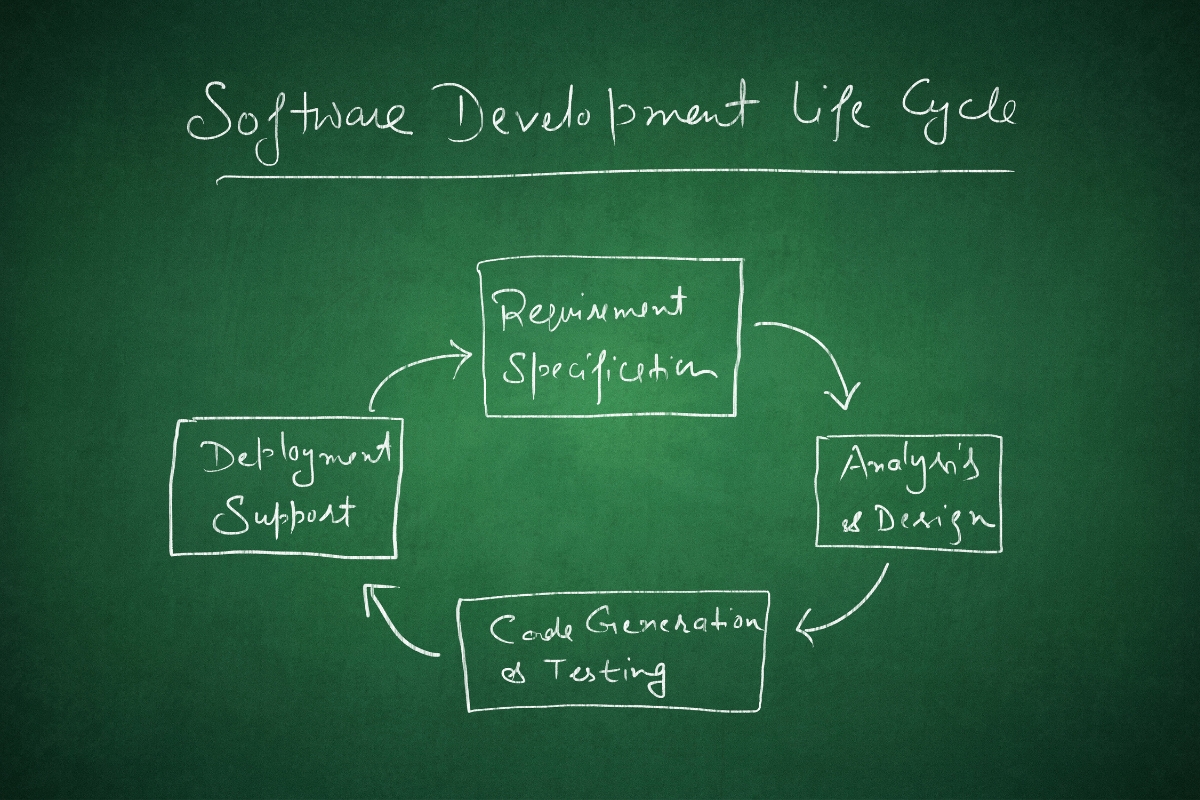
Choose Smepal Consultancy Agency as Your Custom Software Development Company
Discuss your software requirements, current systems, workflows, integration needs, and development objectives with Smepal Consultancy Agency today. We can help you assess your operational needs and identify the functionality your custom software should provide. Share your project requirements with our team to explore a practical solution aligned with how your organization operates and plans to grow. Contact us today to choose a custom software development partner that fits your business requirements.