
What to Look for in a Digital Systems Development Partner
Why Is Choosing the Right Digital Systems Development Partner Important?
Choosing a digital systems development partner can influence much more than how a system is built. The right partner can help create a system that fits your operations, controls project costs, and supports future growth. The wrong choice can result in delays, unnecessary features, technical problems, and a system that does not solve the original business problem:
1. The Partner Influences How Well the System Meets Business Needs
A digital system should solve specific business problems rather than simply provide a collection of technical features. A capable development partner takes time to understand how your business operates, what challenges employees face, and what outcomes the system should deliver. This helps translate business requirements into practical functionality and reduces the risk of building features that add little value to daily operations.
2. The Partner Shapes the Development Process
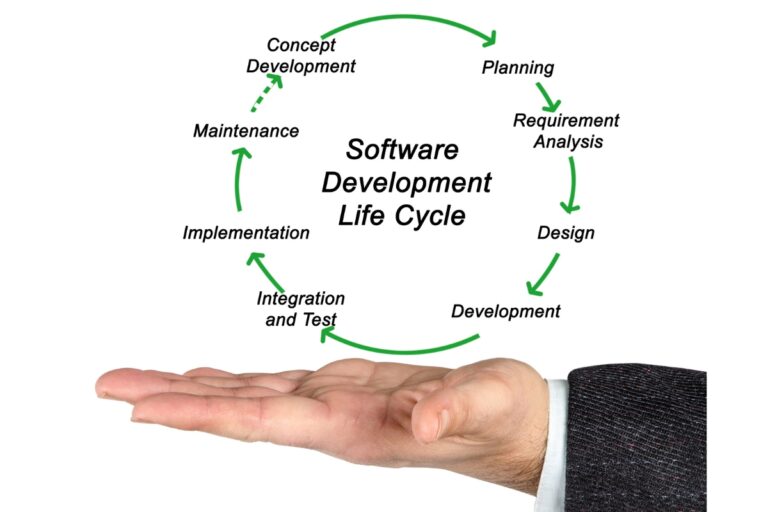
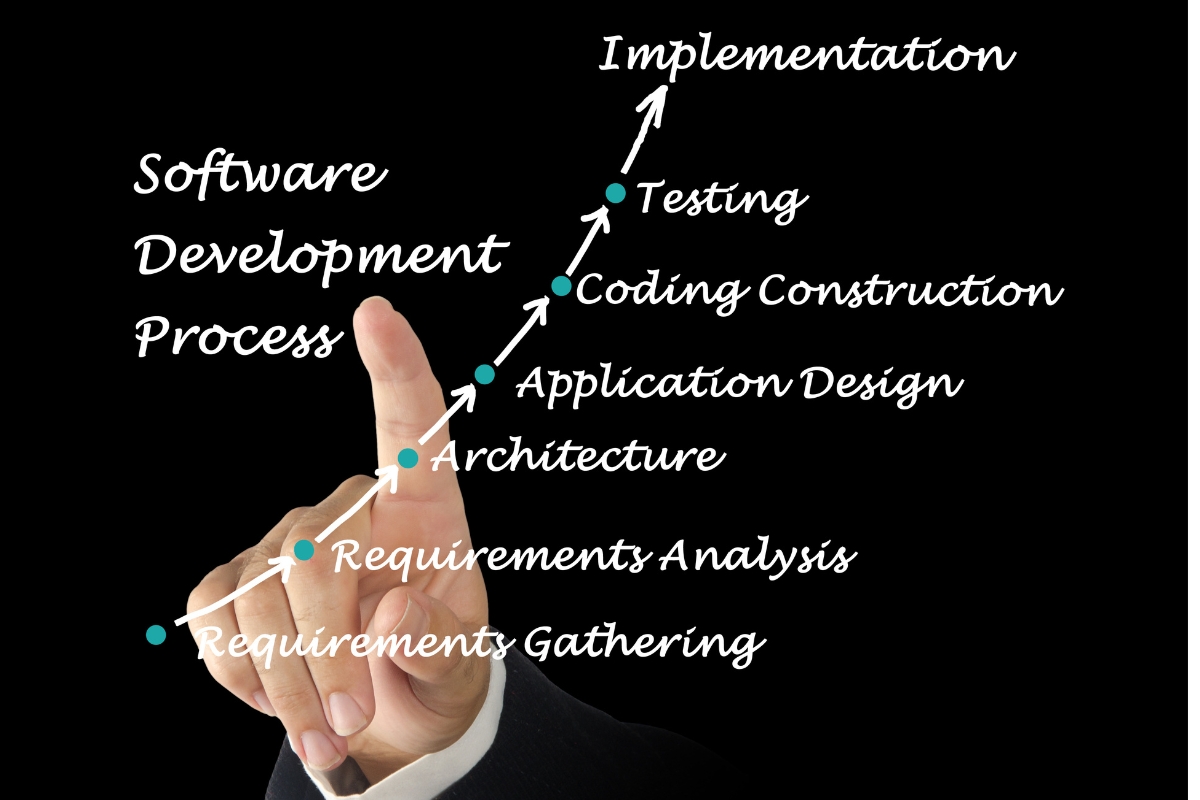
The development process affects how efficiently an idea moves from an initial requirement to a working digital system. A good partner should provide a clear process for requirements gathering, planning, design, development, testing, implementation, and review. A structured approach makes it easier to identify problems early, manage changes, involve stakeholders, and maintain visibility throughout the project.
3. The Partner Can Affect Project Costs and Timelines
Digital system development requires investment in planning, design, development, testing, deployment, and support. Poor requirements analysis or weak project management can lead to scope changes, rework, unexpected costs, and missed deadlines, while careful planning can identify potential challenges earlier. Businesses should therefore look beyond the initial quotation and consider the total value, project scope, deliverables, and potential long-term costs.
4. The Partner Influences System Quality and Reliability
A digital system needs to perform consistently once employees and customers begin using it. Development quality can affect functionality, performance, security, data accuracy, and overall reliability, making testing and quality assurance important parts of the development process. A capable partner should test important functions, integrations, data handling, and user interactions to reduce technical problems and disruptions after launch.
5. The Partner Can Affect Future Scalability
Businesses often gain new users, departments, products, locations, integrations, and reporting requirements as they grow. A suitable development partner should consider these possibilities when designing the system so that it can accommodate reasonable increases in functionality, users, and data without requiring a complete rebuild. The goal is not to over-engineer the system but to create a practical foundation that can support future business growth.
6. The Partner Becomes Part of the Long-Term Technology Journey
System development does not necessarily end when a project goes live because businesses may later require maintenance, security updates, troubleshooting, new integrations, performance improvements, or additional features. A development partner that understands your system and business processes can provide more informed support as requirements evolve. Businesses should therefore consider maintenance, technical support, documentation, and future development when evaluating a potential partner.
What Should You Look for in a Digital Systems Development Partner?
The best development partner should combine technical expertise with a strong understanding of business operations. Businesses should evaluate how a provider approaches requirements, workflows, technology, security, communication, and ongoing support. Looking at these areas before selecting a development provider can make it easier to identify a partner that fits both current and future needs:

1. Strong Understanding of Business Requirements
A development partner should understand what the business is trying to achieve before recommending a technical solution. This requires asking questions about your processes, users, challenges, goals, and expected outcomes rather than simply collecting a list of requested features. Strong requirements analysis creates a shared understanding of what the system needs to accomplish and helps reduce misunderstandings during development.
2. Experience With Digital Systems Development
Relevant experience can provide valuable insight into the technical and operational challenges involved in building digital systems. Businesses should examine whether a potential partner has developed systems with requirements similar to their own, including platforms involving multiple users, complex workflows, integrations, or sensitive data. The quality and relevance of previous projects are more useful indicators than simply looking at the number of systems a provider has built.
3. Ability to Understand Business Workflows
A digital system should support the way people actually work, so a development partner should be able to understand and map existing business workflows. This includes examining how information moves between departments, how tasks are assigned, where approvals occur, and where employees rely on manual processes or separate tools. Understanding these workflows helps the partner design a system that fits real operations while identifying opportunities for automation and improved information flow.
4. Strong Technical Development Capabilities
Technical capability is essential when evaluating a development provider because the partner must be able to select appropriate technologies and build a stable system. Depending on the project, this may include frontend and backend development, database management, authentication, automation, reporting, cloud infrastructure, and other technical areas. A strong partner should also be able to explain technical decisions clearly and show how the chosen approach supports the business requirements.
5. Integration and API Development Knowledge
Many businesses already use accounting platforms, payment systems, CRMs, websites, communication tools, and other applications that may need to connect with a new system. Integration and API development knowledge allows a partner to create reliable connections between these platforms, reduce duplicate data entry, and improve information flow. Businesses should ask how potential partners handle authentication, data synchronization, API limitations, third-party services, and integration security.
6. Data Management and Reporting Capabilities
Digital systems often collect and manage significant amounts of business information, making data management an important consideration when choosing a development partner. The provider should understand how data will be captured, stored, organized, accessed, protected, and converted into useful reports or dashboards. Discussing reporting requirements early also helps ensure that the system’s data structure supports the information managers and employees will need for effective decision-making.
7. Security-Focused Development Practices
Security should be considered throughout digital system development rather than added after the system has been built. A capable partner should understand relevant areas such as authentication, access controls, data protection, backups, secure development practices, and risk management based on the type of system and information involved. Ask potential partners how they identify and address security risks so you can determine whether protecting business information is built into their development approach.
8. Scalable System Architecture
A scalable system should be able to accommodate reasonable increases in users, data, transactions, functionality, and integrations as the business grows. The development partner should consider these possibilities during system architecture without unnecessarily over-engineering the initial solution. Ask how the proposed system could be expanded in the future and whether additional functionality can be introduced without requiring a complete rebuild.
9. Clear Communication and Project Management
Good communication keeps the business and development team aligned on requirements, progress, issues, decisions, and changes throughout the project. A reliable partner should establish clear communication channels and provide visibility into milestones, deliverables, responsibilities, timelines, and project risks. Businesses should also pay attention to how organized and responsive a provider is during the early discussions because this can provide an indication of how future collaboration may work.
10. Ongoing Maintenance and Technical Support
A digital system may require bug fixes, security updates, performance improvements, monitoring, troubleshooting, and new functionality after launch. Businesses should therefore understand what support a potential partner provides after implementation, including response times, maintenance arrangements, backups, documentation, updates, and future development. Choosing a partner that can provide ongoing support can make it easier to maintain and improve the system as business requirements change.
How Can a Business Assess Its Digital Systems Requirements Before Choosing a Partner?
Businesses should understand what they need before comparing potential development providers. A clear picture of current challenges, workflows, users, data, and future goals makes it easier to communicate requirements and assess whether a digital systems development partner is suitable. This preparation also helps businesses compare proposals more accurately and avoid investing in a system that does not address their actual needs:

1. Identify the Business Problem
Start by identifying the specific problem the digital system should solve. This could involve inefficient workflows, manual data entry, poor information sharing, limited reporting, difficulties managing customers, or disconnected business tools. Defining the problem first gives the development partner a clear starting point and prevents the project from becoming focused on technology without a clear business purpose.
2. Review Existing Systems and Tools
Review the software, spreadsheets, websites, databases, communication platforms, and other tools currently used by the business. Determine what each tool does well, where it creates difficulties, and whether employees are entering the same information in multiple places. This review helps a digital systems development partner understand the existing technology environment and identify which systems should be retained, replaced, connected, or improved.
3. Map Current Workflows
Document how important tasks move from one stage to another within the business. Identify who performs each activity, what information they need, where approvals happen, and how information moves between employees or departments. Workflow mapping gives the development team a practical view of how the business operates and helps ensure the proposed system supports real processes rather than assumptions about how work is done.
4. Identify Manual and Repetitive Processes
Look for tasks that employees perform repeatedly, particularly those involving data entry, approvals, notifications, calculations, reporting, or moving information between different tools. These processes may create delays, increase errors, and consume valuable employee time. Identifying them early allows the development partner to determine where automation could improve efficiency and reduce unnecessary manual work.
5. Define Required System Functionality
Create a clear list of the functions the system needs to perform based on the problems and workflows already identified. These may include user management, task assignment, customer management, payment processing, reporting, notifications, dashboards, document handling, or workflow automation. Separating essential functionality from optional features helps the business establish priorities and gives the development partner a clearer project scope.
6. Identify Users and Access Requirements
Determine who will use the system and what each user needs to access. Different employees, managers, administrators, customers, or external users may require different permissions and functions. Defining user roles early helps the digital systems development partner design appropriate access controls while ensuring that people can access the information and features required for their responsibilities.
7. Determine Data and Reporting Needs
Identify what information the system needs to collect, store, process, and display. Consider the reports, dashboards, performance indicators, records, and other information managers and employees will need to make decisions and monitor operations. Defining these requirements early helps the development team design suitable data structures and reporting functionality instead of trying to add important reporting capabilities after the system is already built.
8. Identify Required Integrations
List the existing platforms and services that the new system may need to connect with. These could include payment platforms, accounting software, customer relationship systems, websites, email services, communication tools, or other business applications. Identifying integrations before development allows the partner to assess technical requirements, API availability, data exchange, authentication, and potential integration challenges.
9. Establish Security Requirements
Determine what information needs protection and which users should be allowed to access different types of data. Consider requirements such as user authentication, permissions, data protection, backups, activity tracking, secure access, and recovery procedures based on the nature of the system. Clear security requirements help the development partner incorporate appropriate safeguards from the beginning rather than treating security as an afterthought.
10. Consider Future Growth and System Requirements
Think about how the business may change after the initial system is launched. Future requirements could involve more users, additional departments, new services, increased data volumes, new integrations, or expanded reporting needs. Sharing these expectations with a potential digital systems development partner helps them recommend an architecture and development approach that can support reasonable growth without unnecessarily increasing the initial system complexity.
How Do You Evaluate the Technical Capabilities of a Digital Systems Development Partner?
Once a business understands its requirements, the next step is determining whether potential partners have the technical capabilities to deliver them. Technical evaluation should go beyond asking which programming languages or tools a provider uses and instead focus on how they approach architecture, development, security, integrations, testing, deployment, and scalability. This gives businesses a clearer basis for determining whether a potential digital systems development partner can turn the requirements into a reliable working system:

1. Assess Their Software Development Expertise
Evaluate whether the partner has the development skills needed for the type of system you intend to build. Consider their experience with relevant technologies, application development, databases, user interfaces, backend functionality, authentication, automation, and other requirements identified during your planning. Reviewing relevant previous projects can help you determine whether their technical expertise matches the complexity and purpose of your proposed system.
2. Evaluate Their System Architecture Approach
System architecture determines how different components of a digital system work together and can affect performance, security, maintenance, and future development. Ask the potential partner how they would structure your system, why they recommend that approach, and how it would accommodate your expected users, data, integrations, and functionality. A good digital systems development partner should be able to explain architectural decisions in practical terms rather than relying on technical jargon.
3. Review Their Database and Data Management Capabilities
A reliable database is essential when a system needs to store and manage important business information. Evaluate whether the partner understands database design, data organization, access controls, backups, data integrity, performance, and the handling of growing data volumes. Strong data management capabilities help ensure that information remains accurate, accessible, secure, and useful for system operations and reporting.
4. Examine Their API and Integration Expertise
If your system needs to communicate with other platforms, the development partner should have practical experience with APIs and third-party integrations. Ask how they approach data synchronization, authentication, error handling, API limitations, and maintaining connections between systems. This can help you determine whether the partner can build reliable integrations rather than treating them as simple add-ons during the later stages of development.
5. Assess Their Automation Capabilities
Automation can reduce repetitive work and improve consistency across business processes. Evaluate whether the partner can identify suitable automation opportunities and develop workflows involving triggers, notifications, approvals, calculations, data transfers, or other recurring tasks. The right approach should automate processes that genuinely improve efficiency without adding unnecessary complexity to the system.
6. Evaluate Their Security Approach
A potential partner should demonstrate how security is considered throughout the development lifecycle. Ask about authentication, authorization, user permissions, data protection, secure coding practices, backups, monitoring, vulnerability management, and other safeguards relevant to your system. Their ability to explain these measures clearly can help you assess whether they have a practical approach to protecting business data and system access.
7. Review Their Testing and Quality Assurance Practices
Testing helps identify functional, performance, usability, security, and integration problems before they affect users. Ask how the partner tests new features, handles defects, validates integrations, and ensures that changes do not break existing functionality. A structured quality assurance process can reduce the risk of launching a system that appears complete but contains problems that could disrupt business operations.
8. Consider Their Deployment and Infrastructure Knowledge
Building the system is only part of the technical process because it must also be deployed in an environment where it can operate securely and reliably. Evaluate the partner’s understanding of hosting, servers, cloud infrastructure, domains, backups, deployment processes, monitoring, and system recovery where relevant. Their infrastructure knowledge can affect the system’s performance, availability, security, and ease of ongoing maintenance.
9. Assess Their Scalability Approach
Ask how the proposed system can accommodate growth in users, transactions, data, functionality, and integrations. A capable partner should be able to explain which architectural and technical decisions support future expansion and where potential limitations may arise. This helps businesses avoid choosing a system that works for current needs but becomes difficult or expensive to expand later.
10. Examine Their Documentation Practices
Good documentation helps businesses understand how the system works and makes future maintenance easier. Review whether the partner documents requirements, system architecture, databases, integrations, user roles, configurations, technical procedures, and important development decisions. Clear documentation also reduces dependence on individual developers and gives the business a stronger foundation for future improvements or technical support.
How Should You Evaluate the Development Process of a Potential Partner?
Technical expertise alone does not determine whether a digital system will be delivered successfully. Businesses should also understand how a potential digital systems development partner manages requirements, planning, design, development, testing, implementation, and changes throughout the project. Evaluating the development process helps you understand how the provider will turn your business requirements into a working system while managing quality, communication, risks, and project expectations:

1. Requirements Discovery and Analysis
The development process should begin with a clear understanding of the business requirements. A capable partner should discuss your business goals, challenges, users, workflows, required functionality, data, integrations, and expected outcomes before development starts. Thorough requirements analysis helps establish a clear project scope and reduces the risk of building a system that does not address the actual needs of the business.
2. System Planning and Architecture
After understanding the requirements, the partner should create a practical plan for how the system will be structured and developed. This should cover the system architecture, technologies, databases, integrations, user roles, security considerations, development stages, and expected deliverables. A well-planned architecture gives the project a clear technical foundation and can make the system easier to maintain, improve, and scale as business requirements change.
3. User Experience and Interface Design
The system should be easy for its intended users to understand and operate. A good development process should consider navigation, screen layouts, workflows, accessibility, responsiveness, and how users will complete important tasks within the system. Involving the business in reviewing interface concepts before extensive development begins can help ensure that the final system is practical rather than technically functional but difficult to use.
4. Development and Feature Implementation
Once the requirements and design are established, the partner can begin building the system and implementing its required functionality. Development should follow an organized process where features are built according to agreed requirements, progress is tracked, and technical issues are identified as work continues. A structured implementation approach helps businesses understand what is being developed and allows important issues to be addressed before they affect later stages.
5. Testing and Quality Assurance
Testing should take place throughout development rather than being left until the final stage. The partner should test functionality, user interactions, integrations, data handling, performance, security, and other relevant aspects of the system to identify defects and inconsistencies. Strong quality assurance helps reduce the likelihood of launching a system with problems that could affect employees, customers, data, or business operations.
6. User Feedback and Validation
The people who will use the system can provide valuable feedback about whether it supports real business processes. A good digital systems development partner should provide opportunities for stakeholders or selected users to review functionality, test workflows, and identify areas that need improvement before full implementation. This validation helps confirm that the system works in practice and not just according to the original technical specifications.
7. Deployment and Implementation
A development process should include a clear plan for moving the completed system into its operational environment. Deployment may involve configuring hosting or infrastructure, migrating data, setting up user accounts, connecting integrations, testing the live environment, and preparing users for adoption. A carefully managed implementation can reduce disruption and give the business a more controlled transition from existing tools or processes to the new system.
8. Post-Launch Monitoring and Improvements
The development process should not necessarily end when the system goes live. A reliable partner should monitor performance, identify technical issues, review user feedback, and make appropriate improvements after implementation. Post-launch monitoring allows the business and its development partner to address problems that may only become visible when the system is being used under real operating conditions.
9. Change and Scope Management
Business requirements can change as users gain a better understanding of the system or as new needs emerge during development. A professional partner should have a clear process for evaluating requested changes, explaining their impact on functionality, cost, resources, and timelines, and obtaining approval before implementation. Effective scope management helps prevent uncontrolled changes while still allowing the system to evolve when legitimate business requirements arise.
10. Documentation and Knowledge Transfer
A strong development process should produce documentation that explains how the system works and how it should be managed. This may include requirements, architecture, configurations, user roles, integrations, technical procedures, and relevant user guidance. Proper knowledge transfer reduces dependence on individual developers and gives the business the information it needs to operate, maintain, and improve the system over time.
What Questions Should You Ask a Digital Systems Development Partner?
The questions you ask before choosing a development provider can reveal how well they understand your business and how they approach technology projects. Direct discussions can also uncover their technical capabilities, development methods, communication practices, security approach, and commitment to ongoing support. Asking the right questions gives you useful information for determining whether a potential digital systems development partner is suitable for your project:
1. How Will You Understand Our Business Requirements?
Ask the provider how they will learn about your business, challenges, goals, users, workflows, and expected system outcomes before development begins. A strong partner should have a structured requirements discovery process rather than relying only on a basic list of requested features. Their answer should show how they will turn your business needs into clear and practical system requirements.
2. How Will You Map Our Existing Workflows?
Ask how the provider plans to understand the way tasks, information, approvals, and responsibilities currently move through your business. A capable partner should be willing to examine existing processes and identify inefficiencies, manual steps, dependencies, and opportunities for improvement. This helps ensure the proposed system supports actual business operations instead of imposing an unsuitable workflow.
3. How Will You Determine the Right System Architecture?
Ask what factors the provider will consider when deciding how your system should be structured. Their response should address areas such as functionality, users, databases, integrations, security, performance, scalability, and future development requirements. A suitable digital systems development partner should be able to explain the proposed architecture clearly and connect technical decisions to your business needs.
4. How Will You Handle Integrations With Our Existing Systems?
Ask how the provider will connect the new system with the platforms and applications your business already uses. They should be able to explain their approach to APIs, authentication, data synchronization, error handling, third-party services, and integration security. This helps you determine whether they can create reliable connections without introducing unnecessary duplication or data inconsistencies.
5. How Will You Approach Security and Data Protection?
Ask how security will be incorporated throughout the development process and how sensitive business information will be protected. The provider should be able to discuss authentication, user permissions, access controls, data protection, backups, secure development practices, and other safeguards relevant to your system. Their response should demonstrate that security is considered from the planning stage rather than added only after development is complete.
6. How Will You Test the Digital System?
Ask what testing methods the provider will use before and after the system is launched. Their process should cover important areas such as functionality, usability, integrations, data handling, performance, security, and compatibility where applicable. Understanding their testing approach helps you assess whether they have a structured way to identify and resolve problems before they affect users.
7. How Will You Handle Changes to Requirements?
Ask what happens when the business needs to change an existing requirement or introduce new functionality during development. A professional partner should have a clear process for evaluating the effect of changes on project scope, costs, resources, and timelines before receiving approval. This approach helps maintain control of the project while allowing legitimate business requirements to be addressed.
8. How Will We Track Development Progress?
Ask how you will receive updates and monitor progress throughout the project. The provider should explain how milestones, completed features, pending work, issues, deliverables, and decisions will be communicated to your team. Clear progress tracking improves transparency and allows you to identify potential delays or misunderstandings before they become larger problems.
9. What Happens After the System Goes Live?
Ask what support the provider offers once the system is deployed and users begin working with it. This may include bug fixes, monitoring, maintenance, security updates, troubleshooting, backups, and technical assistance. Understanding post-launch arrangements helps you determine whether the partner will remain available when the system encounters real-world issues.
10. How Will You Support Future System Improvements?
Ask how the provider can support new features, additional users, integrations, workflow changes, and other improvements as your business develops. A good partner should understand that digital systems may need to evolve rather than remain unchanged after launch. Their answer can help you assess whether they are prepared to support the system as part of your longer-term technology journey.
How Can You Compare Different Digital Systems Development Partners?
Once you have assessed your requirements and asked potential providers the right questions, you can begin comparing them more systematically. Looking beyond price allows you to evaluate differences in experience, technical capabilities, development processes, communication, support, and expected outcomes. A structured comparison makes it easier to identify the digital systems development partner that offers the strongest fit for your business:
1. Compare Their Understanding of Your Requirements
Compare how well each provider understands your business problems, workflows, users, objectives, and system requirements. One provider may focus mainly on the requested features while another may explore the underlying processes and desired outcomes in greater detail. The provider that demonstrates a stronger understanding of what the system needs to achieve may be better positioned to deliver a practical solution.
2. Compare Relevant Experience and Capabilities
Review the types of digital systems each provider has developed and determine how relevant that experience is to your project. Consider their technical skills, previous project complexity, industry familiarity where relevant, and ability to handle similar functionality, users, data, and integrations. Comparing capabilities in relation to your actual requirements is more useful than choosing a provider based only on the number of projects they have completed.
3. Compare Their Development Approach
Examine how each provider plans to move from requirements discovery through planning, design, development, testing, deployment, and support. Look for a clear and organized process that provides opportunities for feedback, quality checks, and controlled changes. A transparent development approach can make it easier to manage expectations and keep the project aligned with business objectives.
4. Compare Integration Capabilities
Determine how effectively each provider can work with your existing software, platforms, websites, payment services, databases, and other technologies. Ask about their experience with APIs, data synchronization, authentication, third-party services, and integration challenges relevant to your project. Strong integration capabilities can be particularly important when the new system needs to become part of an existing digital environment.
5. Compare Security Practices
Review how each provider approaches system security and data protection throughout development. Compare their practices around authentication, access controls, permissions, secure development, backups, monitoring, and other safeguards relevant to the type of information your system will handle. A provider that treats security as a core development requirement can help reduce avoidable risks as the system is built and maintained.
6. Compare Communication and Project Management
Compare how providers communicate project progress, handle questions, report issues, manage deadlines, and document important decisions. Consider whether they provide clear responsibilities, milestones, reporting methods, and processes for handling project risks or changes. Strong communication can make collaboration easier and give your business better visibility throughout development.
7. Compare Testing and Quality Assurance
Ask each provider how they test systems and manage defects before deployment. Compare their approach to functional testing, user testing, integration testing, performance checks, security testing, and regression testing where appropriate. A structured quality assurance process can reduce the likelihood of launching a system with errors that disrupt business operations.
8. Compare Maintenance and Support
Look at what happens after each provider completes the initial development work. Compare their maintenance arrangements, technical support, response times, monitoring, updates, troubleshooting, and approach to future improvements. Ongoing support can have a significant effect on the long-term reliability and usefulness of your system, so it should be part of the comparison rather than an afterthought.
9. Compare Project Scope and Deliverables
Review exactly what each provider includes in the proposed project, including features, integrations, design work, testing, deployment, documentation, training, and support. Make sure the deliverables are clearly defined so you can identify differences between apparently similar proposals. A detailed scope also makes it easier to understand what is included in the initial investment and what may require additional development later.
10. Compare Overall Business Value
The best option is not necessarily the provider with the lowest price or the longest list of technical capabilities. Consider how well each provider understands your business, meets your requirements, manages development, protects your data, supports growth, communicates with your team, and provides ongoing support. Comparing the overall value of each option helps you choose a partner based on the long-term contribution the system can make to your business rather than the initial cost alone.
What Challenges Can Arise When Choosing the Wrong Digital Systems Development Partner?
Choosing a development provider based only on price, impressive promises, or technical terminology can create serious problems later. A provider may appear capable during the selection stage but fail to understand your business, manage the project properly, or provide the technical and ongoing support your system requires. Understanding these risks can help you evaluate a digital systems development partner more carefully before committing your business to a project:
1. Poor Understanding of Business Requirements
A provider that does not take time to understand your business may build a system that technically works but fails to solve the problems you intended to address. This can result in unsuitable workflows, unnecessary features, missing functionality, and poor alignment with how employees actually work. Correcting these problems later may require additional development, time, and investment.
2. Scope Misunderstandings
Unclear project scope can create different expectations between the business and development provider about what will be delivered. Features, integrations, testing, training, documentation, or support may be assumed to be included by one party but excluded by the other. Clear requirements, deliverables, responsibilities, and change procedures can help prevent these misunderstandings from affecting the project.
3. Development Delays
Poor planning, weak project management, unclear requirements, technical difficulties, or slow communication can cause development timelines to extend. Delays may affect business operations when employees are waiting to adopt new processes or when existing systems need to remain in use longer than expected. A reliable partner should establish realistic milestones and communicate potential delays early.
4. Unexpected Project Costs
The initial development quotation may not reflect the full cost if requirements are unclear or important project components are excluded from the scope. Additional features, integrations, changes, troubleshooting, data migration, or post-launch support can increase the final investment. Businesses should therefore understand exactly what is included in the proposal and what circumstances could result in additional costs.
5. Integration Problems
A poorly planned system integration can cause data inconsistencies, failed transactions, duplicate records, or disruptions between connected platforms. These problems can become particularly difficult when the provider lacks experience with APIs, authentication, data synchronization, or third-party systems. Evaluating integration capabilities before choosing a digital systems development partner can help reduce these risks.
6. Poor System Usability
A system can have technically impressive functionality and still be difficult for employees or customers to use. Poor navigation, confusing interfaces, complicated workflows, and unnecessary steps can reduce adoption and make employees less willing to use the system. User experience should therefore be considered during design and validated with the people who will actually use the system.
7. Security and Data Risks
Weak security practices can expose business information to unauthorized access, data loss, misuse, or other security incidents. These risks can arise from poor access controls, insecure development practices, weak authentication, inadequate backups, or insufficient protection of sensitive data. Security should be assessed before development begins and maintained throughout the system’s lifecycle.
8. Limited Scalability
A system designed only for current requirements may become difficult to expand as the business grows. Adding users, data, functionality, departments, or integrations could become expensive or require significant redevelopment if the underlying architecture is too restrictive. A suitable partner should consider reasonable future requirements while keeping the initial system practical and appropriately scaled.
9. Weak Communication
Poor communication can leave the business uncertain about development progress, project decisions, delays, technical problems, or changes to requirements. When important information is not shared promptly, small issues can become larger problems and stakeholders may develop different expectations. Clear communication channels, regular updates, and defined responsibilities can make development more transparent and manageable.
10. Inadequate Post-Launch Support
The challenges of a digital system do not necessarily end after deployment because users may discover issues or the business may require new functionality. A provider that offers little or no support can leave the business responsible for troubleshooting, maintenance, security updates, and future improvements without adequate technical assistance. Understanding post-launch support arrangements before choosing a partner can help protect the long-term value of the system.
How Much Should You Consider Cost When Choosing a Digital Systems Development Partner?
Cost is an important consideration when planning digital system development, but the cheapest proposal does not always provide the best business value. The investment should be assessed against the system’s scope, complexity, technical requirements, quality, security, support, and expected long-term benefits. Looking at the full cost of development and ownership can help you choose a digital systems development partner based on value rather than price alone:

1. Project Scope and System Complexity
The size and complexity of the project can have a significant effect on development costs. A simple internal tool may require fewer resources than a system involving multiple user groups, complex workflows, dashboards, automation, integrations, and large amounts of data. Before comparing prices, make sure each provider is quoting for a similar scope so that you are making a meaningful comparison.
2. Number of Features and Functionalities
Every feature can add development, testing, design, and maintenance requirements to a project. Functions such as user management, reporting, notifications, payment processing, workflow automation, dashboards, and document management may require different levels of technical effort. Prioritizing essential functionality can help control the initial investment while leaving room for additional features in future development phases.
3. Number and Type of Users
The number and types of people who will use the system can influence its design and technical requirements. Employees, managers, administrators, customers, suppliers, and other users may require different interfaces, permissions, workflows, and access controls. Defining these user groups early helps the development partner estimate the resources needed to build and support the system appropriately.
4. Workflow and Automation Requirements
Complex workflows and automation can increase development requirements because they may involve multiple conditions, approvals, notifications, calculations, and system actions. However, automation can also create significant long-term value by reducing repetitive work and improving process efficiency. The cost should therefore be considered alongside the time, resources, and operational improvements the automation is expected to provide.
5. Integration Requirements
Connecting a new system with existing platforms can add development and testing costs, particularly when multiple third-party services are involved. The complexity may depend on API availability, authentication requirements, data synchronization, integration rules, and the reliability of external platforms. Businesses should identify required integrations early so that the digital systems development partner can include them accurately in the project scope and estimate.
6. Data Migration and Management
Moving existing information into a new system can require additional planning, data cleaning, transformation, validation, and testing. The amount and condition of the existing data can affect the effort required, particularly when information is stored across spreadsheets, databases, or different software platforms. Businesses should discuss data migration requirements early to avoid unexpected costs or operational problems during implementation.
7. Security and Infrastructure Requirements
Security and infrastructure requirements can influence both development and ongoing operating costs. Depending on the system, the project may require stronger authentication, access controls, backups, monitoring, secure hosting, additional infrastructure, or other safeguards. These investments should be viewed as part of the system’s reliability and protection rather than costs that should simply be minimized.
8. Testing and Deployment Requirements
Thorough testing and careful deployment require time and resources but can help prevent costly problems after launch. The project may involve functional testing, integration testing, user acceptance testing, security checks, data validation, deployment configuration, and user preparation. Businesses should confirm what testing and implementation services are included in each proposal before comparing development costs.
9. Maintenance and Support
The initial development cost is only one part of the investment because digital systems may require ongoing maintenance and technical support. Updates, bug fixes, security improvements, monitoring, troubleshooting, backups, and future adjustments can create recurring costs after launch. Ask each potential partner what support is available and how those services are priced so you can understand the likely long-term commitment.
10. Future Development Requirements
Businesses should consider whether the system will need new features, integrations, users, workflows, or other improvements as operations evolve. A low initial cost may become less attractive if future changes require major redevelopment because the original system was not designed with reasonable growth in mind. Discussing potential future requirements with a digital systems development partner can help you choose an approach that balances today’s budget with tomorrow’s needs.
What Mistakes Should Businesses Avoid When Choosing a Digital Systems Development Partner?
Choosing a development provider is a significant business decision, yet common mistakes can make the process more difficult than necessary. Businesses may focus too heavily on price, overlook their own requirements, or assume that technical expertise alone guarantees a successful project. Avoiding these mistakes can help you select a digital systems development partner that is better aligned with your business needs, expectations, and long-term goals:

1. Choosing Based Only on Price
Selecting the cheapest provider can appear financially attractive, but a lower initial quotation may not represent the best overall value. A cheaper proposal may exclude important services, provide limited functionality, or result in additional costs when requirements change or problems emerge. Businesses should compare price alongside scope, quality, technical capabilities, support, security, and expected long-term value.
2. Selecting a Partner Without Defining Requirements
Approaching development providers without first understanding what the business needs can lead to unclear proposals and mismatched expectations. Without defined problems, workflows, users, functionality, integrations, and desired outcomes, it becomes difficult to determine whether a provider can deliver the right solution. Businesses should establish their core requirements before asking potential partners to propose a development approach.
3. Focusing Only on Technical Skills
Technical expertise is important, but it does not automatically mean a provider understands how to solve a particular business problem. A development team may have strong programming skills but struggle to translate business processes into practical system functionality. Look for a partner that combines technical capabilities with business understanding, communication skills, requirements analysis, and project management.
4. Ignoring Business Workflow Requirements
A digital system should support the way work is performed within the organization. Ignoring existing workflows can result in a system that forces employees to adopt complicated processes, creates unnecessary steps, or fails to address important operational challenges. A suitable digital systems development partner should examine how work currently happens and identify where the system can improve or automate those processes.
5. Overlooking Integration Needs
Businesses sometimes focus on the new system without considering how it will interact with existing platforms. This can create problems when the system needs to exchange information with payment services, accounting software, websites, CRMs, communication tools, or other applications. Identifying integration requirements early allows the provider to assess technical dependencies and include the necessary work in the development plan.
6. Neglecting Security
Treating security as a secondary concern can expose business systems and information to unnecessary risks. Security requirements should be considered during requirements analysis, architecture, development, testing, deployment, and ongoing maintenance. Businesses should evaluate how potential partners approach authentication, access controls, data protection, backups, and other safeguards relevant to the proposed system.
7. Failing to Assess Communication
Poor communication can create misunderstandings about requirements, progress, costs, timelines, and project decisions. Businesses should assess how potential partners communicate, provide updates, handle questions, report problems, and manage changes before selecting one. Clear and consistent communication can make the development process more transparent and reduce avoidable project conflicts.
8. Accepting Unclear Deliverables
A proposal that does not clearly state what will be delivered can create disagreements later in the project. Businesses should ensure that features, integrations, design work, testing, deployment, documentation, training, support, and other relevant deliverables are clearly defined. Clear deliverables give both the business and development partner a shared reference point for measuring project progress and completion.
9. Ignoring Post-Launch Support
A system may require maintenance, troubleshooting, updates, security improvements, and new functionality after it goes live. Ignoring post-launch support during provider selection can leave the business without reliable technical assistance when problems occur. Businesses should understand the partner’s maintenance and support arrangements before development begins and determine what services are included or charged separately.
10. Failing to Consider Future Growth
Choosing a system based entirely on today’s requirements can create limitations as the business expands. Future increases in users, data, functionality, departments, integrations, or reporting needs may require significant changes if scalability was not considered during development. Businesses should discuss reasonable future requirements with potential partners and choose an approach that can evolve as the organization grows.
How Should You Choose the Right Digital Systems Development Partner?
Selecting the right provider becomes easier when the decision is based on a structured evaluation rather than assumptions or initial impressions. Businesses should move from defining their own needs to assessing potential partners, comparing their capabilities, and evaluating the value they can provide over the full system lifecycle. The following framework can help you choose a digital systems development partner that fits your requirements and supports your long-term business objectives:

1. Define the Business Problem
Begin by identifying the specific business problem you want the digital system to solve. Consider where the business is experiencing inefficiencies, delays, errors, disconnected information, manual processes, or limited visibility. A clearly defined problem gives potential development partners a meaningful starting point and helps you assess whether their proposed solutions address the right challenge.
2. Document Your Digital System Requirements
Document the functionality, users, workflows, data, integrations, security requirements, reporting needs, and expected outcomes of the proposed system. Separating essential requirements from optional features can also help establish priorities and control the initial project scope. Clear documentation gives each potential partner the same information, making it easier to compare their proposals fairly.
3. Create a Shortlist of Suitable Partners
Identify providers whose experience and capabilities appear relevant to your type of project. Consider their previous systems, technical expertise, development approach, integration capabilities, support services, and ability to work with businesses of your size and complexity. A focused shortlist allows you to spend more time evaluating providers that are genuinely capable of meeting your requirements.
4. Assess Their Business Understanding
Evaluate how well each potential partner understands your business rather than focusing only on the solution they propose. Pay attention to the questions they ask about your operations, workflows, users, challenges, goals, and expected outcomes. A partner that demonstrates genuine understanding is more likely to translate your business requirements into useful and practical system functionality.
5. Evaluate Their Technical Capabilities
Review whether each provider has the technical skills required to build, integrate, secure, test, deploy, and maintain your proposed system. Consider areas such as software development, databases, APIs, automation, system architecture, security, infrastructure, reporting, and scalability based on your specific requirements. The objective is to confirm that the partner can technically deliver the solution rather than simply describe it.
6. Review Their Development Methodology
Ask each provider to explain how they manage development from requirements discovery through design, implementation, testing, deployment, and post-launch improvements. Look for a structured process that provides clear milestones, stakeholder involvement, quality checks, progress updates, and controlled management of changes. Understanding the methodology can help you anticipate how the partnership will work once development begins.
7. Discuss Security, Integration and Scalability
Discuss how the proposed system will protect information, connect with existing platforms, and accommodate reasonable future growth. Ask specific questions about access controls, data protection, APIs, synchronization, system architecture, performance, and future expansion. These discussions can reveal whether the provider has considered the broader technical environment rather than focusing only on the initial functionality.
8. Evaluate Communication and Project Management
Determine how the provider will communicate with your team and manage the project throughout development. Clarify how progress will be reported, who will be responsible for decisions, how issues will be escalated, and how deadlines and changes will be managed. Strong communication and organized project management can make it easier to keep the development process aligned with your business expectations.
9. Compare Scope, Investment and Deliverables
Review each proposal carefully to determine what is included, what is excluded, what will be delivered, and how much the project will require financially. Compare providers using the same core requirements rather than selecting one based on the lowest quotation alone. Looking at scope, deliverables, quality, capabilities, and investment together gives you a more realistic basis for assessing overall value.
10. Assess Long-Term Support
Find out how each provider will support the system after launch and how future improvements will be handled. Consider maintenance, troubleshooting, security updates, monitoring, technical assistance, new features, integrations, and system changes that may become necessary later. Long-term support is particularly important because your relationship with a development partner may continue well beyond the initial implementation.
11. Select the Partner That Best Fits Your Requirements
After completing your evaluation, select the provider that demonstrates the strongest overall fit for your business rather than simply choosing the most affordable or technically impressive option. Consider their understanding of your requirements, technical capabilities, development process, communication, security, scalability, support, scope, and overall value. The right digital systems development partner should be able to deliver the current solution while providing a practical foundation for your business’s future technology needs.
What Are the Best Practices for Working With a Digital Systems Development Partner?
Successful digital system development requires active collaboration between the business and its development partner. Even a capable provider will need timely information, feedback, decisions, and stakeholder involvement to build a system that meets the intended objectives. Following practical collaboration practices can help the business and its digital systems development partner maintain alignment, manage expectations, and achieve better results:
1. Communicate Business Requirements Clearly
Explain your business problems, objectives, workflows, users, functionality, and expected outcomes as clearly as possible from the beginning. Avoid relying on assumptions or informal instructions when important requirements are being discussed. Clear communication gives the development partner a stronger understanding of what the system needs to achieve and reduces the risk of developing functionality that does not match business needs.
2. Involve Relevant Stakeholders
Include the people who understand the business processes and will be directly affected by the new system. Managers, department leaders, technical staff, and actual system users can provide different perspectives on requirements, challenges, and expected functionality. Their involvement can help identify important needs early and increase user acceptance when the system is eventually introduced.
3. Maintain Consistent Communication
Regular communication helps both sides stay informed about development progress, challenges, decisions, and changes. Establish clear communication channels and agree on how often updates, reviews, and project discussions should take place. Consistent communication allows the business and development partner to address issues early instead of allowing misunderstandings to affect later stages of the project.
4. Prioritize Essential Functionality
Not every possible feature needs to be included in the first version of a digital system. Identify the functions that are essential for solving the primary business problem and prioritize them based on their operational value. This helps control the initial scope and investment while creating an opportunity to introduce additional functionality through future development.
5. Review Development Progress Regularly
Regular reviews allow the business to see how the system is developing and confirm whether the work remains aligned with the agreed requirements. Review completed features, milestones, workflows, interfaces, integrations, and outstanding issues at appropriate stages of the project. Early reviews give the development partner an opportunity to correct misunderstandings before they become expensive or difficult to change.
6. Test the System With Real Users
Testing with actual users can reveal usability issues and workflow problems that may not be identified through technical testing alone. Select relevant users to perform realistic tasks and provide feedback on navigation, functionality, processes, and system performance. Their experience can help the development partner make practical improvements before full implementation.
7. Document Requirements and Approved Changes
Keep a clear record of the agreed requirements, project decisions, approved changes, and important discussions throughout development. Documentation creates a shared reference that helps prevent disagreements about what was requested or approved. It also gives both the business and development partner a useful record for managing the project and planning future improvements.
8. Prepare Users for System Adoption
Users should understand why the new system is being introduced and how it will affect their daily responsibilities. Provide appropriate training, demonstrations, guidance, and opportunities to ask questions before and during implementation. Preparing users early can reduce resistance, improve adoption, and help employees make better use of the system once it becomes part of their normal workflow.
9. Plan the Implementation Carefully
Implementation should be treated as an important project stage rather than simply switching the system on. Plan data migration, user accounts, access permissions, integrations, training, testing, deployment, communication, and any transition from existing tools. A well-planned implementation can reduce disruption and give the business greater control over the move to the new system.
10. Establish Ongoing Maintenance and Support
Agree on how the system will be maintained and supported after launch. Clarify responsibilities for bug fixes, updates, security improvements, monitoring, troubleshooting, backups, technical assistance, and future functionality. Establishing these arrangements early helps ensure that the business and its digital systems development partner have clear expectations throughout the system’s lifecycle.
Why Partner With Smepal Consultancy Agency for Digital Systems Development?
Choosing a development partner is ultimately about finding a team that can understand your business and turn its requirements into a practical digital solution. At Smepal Consultancy Agency, we approach digital systems development by looking at the business problems, workflows, users, and operational requirements behind the technology. Our approach is designed to help businesses develop systems that are useful today while providing a foundation for future improvements:
1. We Start With Your Business Requirements
We begin by understanding what your business needs the system to achieve before focusing on specific technologies or features. We look at your challenges, objectives, users, processes, and expected outcomes to establish clear requirements for development. This helps us focus the system on solving genuine business problems rather than adding functionality without a clear purpose.
2. We Understand Your Workflows and Operational Processes
We examine how work moves through your business, including tasks, approvals, information flows, responsibilities, and areas where employees rely on manual processes. Understanding these workflows helps us identify where a digital system can improve efficiency, visibility, coordination, and control. We use this operational understanding to shape functionality around the way your business actually works.
3. We Develop Systems Around Specific Business Needs
We do not approach every business requirement with the same system structure or functionality. We consider the specific objectives, users, workflows, data, and operational challenges involved in each project when defining the solution. This allows us to develop digital systems that are aligned with the business instead of forcing the business to adapt unnecessarily to a generic approach.
4. We Consider Integrations, Data and Automation
We consider how the proposed system will work with existing platforms and how information should move between different business tools. Where appropriate, we can consider integrations, data management, reporting, and automation as part of the overall system requirements. This helps create a more connected digital environment while reducing repetitive processes and unnecessary manual handling of information.
5. We Focus on Usability and Practical Functionality
A digital system should be useful to the people who rely on it every day. We consider how users will navigate the system, complete tasks, access information, and interact with its different functions when shaping the solution. Our focus is on practical functionality that supports business operations while making the system easier for intended users to adopt and use.
6. We Consider Security and System Scalability
We recognize that digital systems may handle important business information and may need to support changing requirements over time. We therefore consider appropriate security controls, access requirements, data protection, system architecture, and reasonable scalability as part of the development process. This helps create a stronger foundation for maintaining the system and accommodating future business growth.
7. We Support the System Beyond Initial Development
Our involvement does not have to end when the initial development work is completed. We can continue supporting businesses with system improvements, maintenance, troubleshooting, additional functionality, and evolving requirements as the need arises. This creates an opportunity to build a longer-term relationship where the digital system can continue developing alongside the business.
Frequently Asked Questions About Choosing a Digital Systems Development Partner
Businesses often have practical questions before committing to a development partner. The answers can help clarify what to evaluate, what to expect, and how to reduce development risks. These frequently asked questions address important considerations when selecting a digital systems development partner:
1. What Is a Digital Systems Development Partner?
A digital systems development partner is a company or specialist that helps a business plan, design, develop, implement, and improve software systems based on its operational needs. Unlike simply purchasing an off-the-shelf application, working with a development partner can allow the system to be designed around specific workflows, users, data, integrations, and business objectives. The partner can also provide technical guidance throughout the development process and support future improvements.
2. What Does a Digital Systems Development Partner Do?
A digital systems development partner can help translate business requirements into a functional digital system. Their work may include requirements analysis, workflow mapping, system architecture, interface design, software development, integrations, testing, deployment, documentation, and ongoing support. The exact responsibilities depend on the project’s scope and the agreement between the business and development partner.
3. What Should I Look for in a Digital Systems Development Partner?
Look for a partner that understands your business requirements, has relevant development experience, communicates clearly, and can demonstrate a structured development process. You should also assess their capabilities in areas such as integrations, data management, security, testing, scalability, maintenance, and technical support. The best choice should provide a practical fit between your business needs, project scope, available investment, and long-term technology requirements.
4. How Do I Choose the Right Digital Systems Development Partner?
Start by clearly defining the business problem and documenting the system requirements before comparing potential partners. Review each partner’s experience, technical capabilities, development methodology, communication approach, security practices, support model, project scope, and expected deliverables. Instead of choosing based only on price, select the partner that demonstrates the strongest understanding of your requirements and can provide sustainable business value.
5. Why Is Business Understanding Important When Choosing a Development Partner?
Business understanding helps a development partner create a system that supports how your organization actually operates. Without this understanding, a technically functional system may still create unnecessary steps, overlook important workflows, or fail to solve the original business problem. A partner that understands your operations can make better decisions about functionality, automation, integrations, user access, reporting, and system structure.
6. How Important Are Technical Capabilities When Selecting a Partner?
Technical capabilities are essential because they determine whether a partner can build, integrate, secure, test, and maintain the required system effectively. You should assess areas such as software development, databases, APIs, automation, security, system architecture, deployment, testing, and scalability. Strong technical skills become more valuable when they are combined with a clear understanding of your business requirements.
7. Can a Digital Systems Development Partner Integrate Existing Business Systems?
Yes, a capable digital systems development partner can often integrate the new system with existing platforms and tools where suitable integration methods are available. This may involve APIs, databases, payment platforms, communication tools, accounting applications, websites, or other business software. Integration requirements should be identified early because they can affect system architecture, development effort, security, testing, and project costs.
8. How Important Is Security in Digital Systems Development?
Security is critical when a digital system stores customer information, employee records, financial data, operational information, or other sensitive business data. A development partner should consider access controls, authentication, permissions, secure data handling, backups, system monitoring, vulnerability management, and appropriate security testing. Security should be incorporated throughout development rather than treated as an issue to address only after the system is completed.
9. How Much Does Digital Systems Development Cost?
The cost of digital systems development varies according to the complexity, functionality, users, integrations, data requirements, security needs, and infrastructure involved. A simple internal system may require significantly less development effort than a large platform with multiple user roles, automated workflows, external integrations, and advanced reporting. Request a detailed scope and deliverables from potential partners so you can compare investment against the actual value and requirements of each proposed solution.
10. How Long Does Digital Systems Development Take?
Development timelines depend on the size and complexity of the system, the number of features, integrations, testing requirements, feedback cycles, and implementation needs. A clearly defined project with focused requirements can generally move more efficiently than one where requirements continue changing during development. Your development partner should provide a realistic timeline with key milestones and explain the factors that could affect delivery.
11. What Support Should a Development Partner Provide After Launch?
Post-launch support can include troubleshooting, system monitoring, bug fixes, security updates, performance improvements, user assistance, backups, maintenance, and future feature development. The level of support required depends on how important the system is to daily business operations and how frequently it may need changes. Before signing an agreement, clarify what support is included, how issues are handled, and how future development work will be managed.
12. How Can Smepal Consultancy Agency Help With Digital Systems Development?
At Smepal Consultancy Agency, we can help businesses move from operational challenges and system requirements toward practical digital solutions. We can review your workflows, understand the functionality you need, consider integrations and data requirements, and help shape a system that supports your business operations. Our approach focuses on creating practical digital systems that can support current needs while allowing room for future improvements.

Choose Smepal Consultancy Agency as Your Digital Systems Development Partner Today
Choosing a development partner should begin with a clear understanding of the business problem you want to solve. Smepal Consultancy Agency can work with you to review your current systems, examine workflows, define required functionality and integrations, and explore a practical digital systems development solution for your organization. Whether you need to improve an existing system or develop a new solution, we can help turn your operational requirements into a structured development plan. Contact us today to discuss your business needs and explore the right digital systems development approach for your organization.