How International Businesses Can Generate Leads in East Africa
Why International Businesses Need Effective Lead Generation Strategies in East Africa
East Africa presents significant opportunities for international businesses looking to expand into emerging markets. However, identifying the right customers, building business relationships, and creating consistent sales opportunities requires structured lead generation strategies. Effective B2B lead generation in East Africa helps companies connect with potential clients, improve customer acquisition, and establish a stronger foundation for market expansion:
1. East Africa Offers Growing Business Opportunities
East Africa continues experiencing growth across industries such as technology, financial services, manufacturing, agriculture, healthcare, logistics, and professional services. Increasing digital adoption, business innovation, and investment opportunities are creating new possibilities for international companies seeking to introduce their products and services. Understanding these growth areas helps businesses identify potential markets and develop strategies that align with regional demand.
2. Lead Generation Helps Businesses Identify Qualified Prospects
Finding the right customers is one of the biggest challenges for businesses entering new markets. Lead generation enables companies to identify prospects that match their ideal customer profiles based on industry, business needs, location, and purchasing potential. By focusing on qualified leads, international businesses can improve sales efficiency, reduce wasted resources, and increase opportunities for successful conversions.
3. Digital Channels Improve Business Visibility
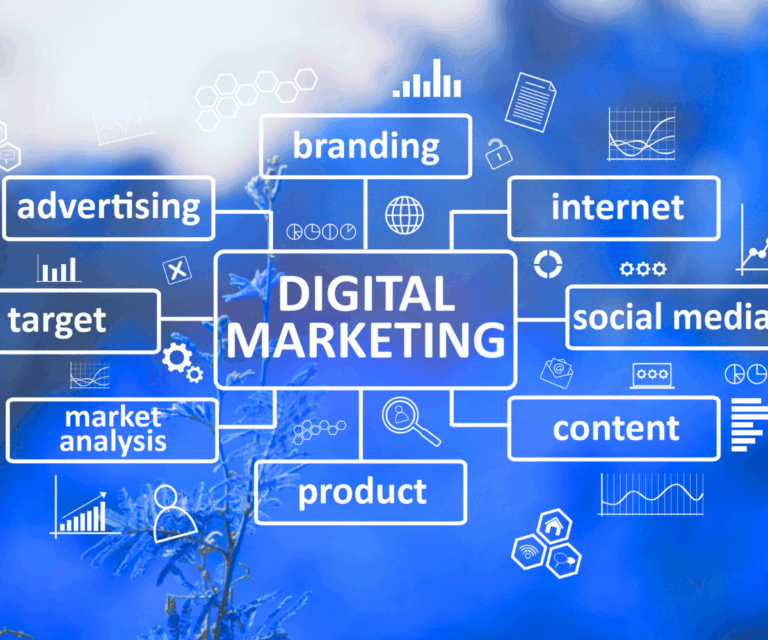
Digital platforms have become essential tools for businesses searching for solutions, suppliers, and partnerships across East Africa. A strong online presence helps international companies become more visible to decision-makers and potential customers through channels such as SEO, content marketing, LinkedIn, email marketing, and paid advertising. These digital strategies allow businesses to reach targeted audiences and create more opportunities for meaningful engagement.
4. Targeted Strategies Reduce Customer Acquisition Challenges
Entering East African markets without a clear targeting strategy can result in ineffective marketing campaigns and increased customer acquisition costs. Targeted lead generation allows businesses to focus on specific industries, customer segments, and decision-makers who are more likely to need their solutions. This focused approach improves marketing efficiency and helps companies generate higher-quality business opportunities.
5. Strong Lead Generation Builds Sustainable Sales Pipelines
Consistent lead generation helps businesses create reliable sales pipelines instead of depending on occasional customer inquiries. By continuously attracting, nurturing, and converting prospects, companies can develop predictable growth opportunities and improve revenue planning. A strong pipeline enables international businesses to build long-term customer relationships and achieve sustainable expansion.
6. Market Understanding Improves Expansion Success
Successful expansion into East Africa requires businesses to understand local industries, customer behaviors, competition, and market conditions. Market insights help companies create relevant messaging, identify growth opportunities, and develop strategies that meet customer expectations. Businesses that combine regional knowledge with effective lead generation approaches are better positioned to build trust and achieve long-term success.
Understanding the East African B2B Market Before Generating Leads
International businesses should understand the East African B2B landscape before launching lead generation campaigns. Each country has unique industries, customer expectations, business environments, and digital adoption levels that influence purchasing decisions. Developing a clear understanding of these market dynamics enables businesses to create more effective B2B lead generation in East Africa strategies and connect with the right prospects:
1. Researching Business Industries Across East Africa
East Africa offers business opportunities across industries such as technology, financial services, manufacturing, agriculture, healthcare, logistics, tourism, and professional services. Researching these sectors helps international businesses identify where demand exists and determine which industries are most likely to benefit from their products or services. A strong understanding of industry trends enables businesses to prioritize high-potential markets and develop more targeted lead generation strategies.
2. Understanding Local Business Decision-Making Processes
Business purchasing decisions across East Africa often involve multiple stakeholders, including business owners, executives, procurement teams, and department managers. Understanding how organizations evaluate solutions, compare vendors, and approve purchases helps businesses create more effective marketing and sales approaches. This knowledge allows companies to communicate more effectively with decision-makers throughout the buying process.
3. Identifying High-Potential Customer Segments
Not every business represents an ideal sales opportunity, making customer segmentation an essential part of lead generation. International companies should identify high-potential prospects based on factors such as industry, company size, location, operational needs, and purchasing capacity. Focusing on qualified customer segments improves marketing efficiency and increases the likelihood of generating valuable business leads.
4. Analyzing Market Demand and Competition
Understanding market demand and evaluating competitors helps businesses position themselves more effectively within East African markets. Analyzing customer needs, competitor offerings, pricing strategies, and market gaps allows companies to develop stronger value propositions and competitive advantages. This research supports better decision-making and improves lead generation performance.
5. Understanding Regional Business Differences
East Africa consists of several countries with different economic conditions, regulatory environments, business cultures, and customer expectations. A strategy that performs well in one country may require significant adjustments in another to remain relevant and competitive. Recognizing these regional differences enables businesses to localize their marketing efforts and improve customer engagement across multiple markets.
6. Evaluating Digital Adoption Among Businesses
Businesses across East Africa are increasingly adopting digital technologies for communication, research, procurement, and customer engagement. Understanding how organizations use search engines, social media, email, AI-powered search platforms, and professional networking channels helps businesses choose the most effective lead generation methods. Evaluating digital adoption also enables companies to allocate marketing resources more strategically and maximize their return on investment.
What Are the Most Effective B2B Lead Generation Strategies in East Africa?
Generating high-quality business leads requires a combination of digital marketing strategies that attract decision-makers, build trust, and encourage meaningful engagement. International businesses should focus on approaches that improve visibility, deliver valuable information, and guide prospects through the buying journey. The following strategies can strengthen B2B lead generation in East Africa and support sustainable business growth:
1. Building a Strong SEO Strategy for B2B Visibility
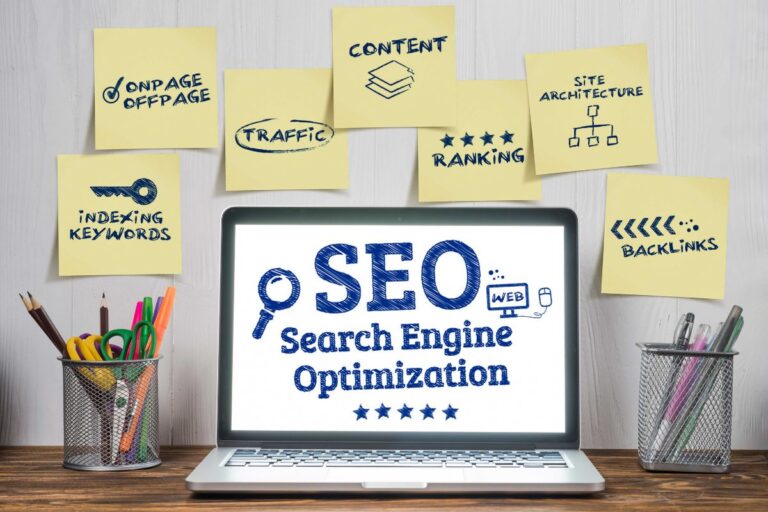
Search engine optimization helps businesses improve their visibility when decision-makers search for products, services, or industry solutions online. Optimizing website content, targeting relevant B2B keywords, improving technical SEO, and creating valuable resources increase organic traffic and help businesses attract qualified prospects across East Africa.
2. Creating Industry-Focused Content Marketing Campaigns
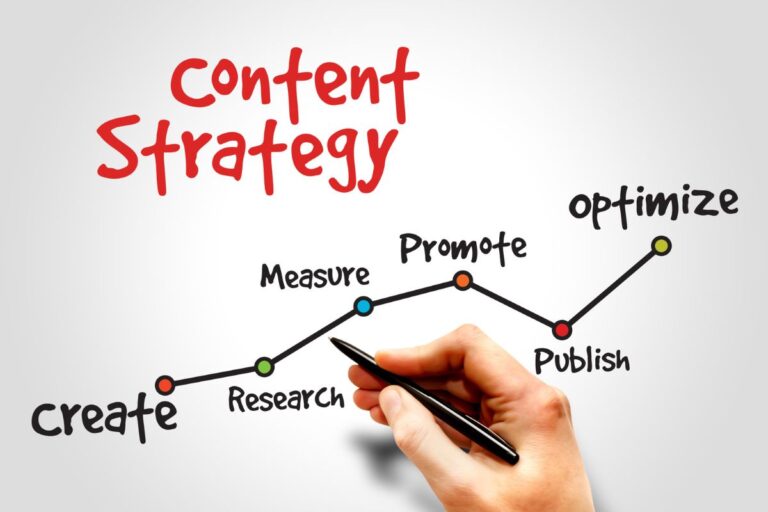
Content marketing enables businesses to educate potential customers while demonstrating industry expertise and credibility. Publishing informative blogs, white papers, case studies, guides, and reports that address business challenges helps organizations build trust, improve search visibility, and generate qualified leads over time.
3. Using LinkedIn Marketing for Business Connections
LinkedIn is one of the most effective platforms for connecting with business leaders, decision-makers, and industry professionals across East Africa. Businesses can strengthen their presence by sharing valuable insights, engaging with professional communities, and building relationships that create new lead generation opportunities.
4. Running Targeted Digital Advertising Campaigns
Digital advertising helps businesses reach highly targeted audiences based on industry, location, job roles, company size, and customer interests. Platforms such as Google Ads and LinkedIn Ads enable organizations to generate qualified leads, increase brand awareness, and support customer acquisition through measurable campaigns.
5. Implementing Email Marketing and Lead Nurturing
Email marketing remains an effective strategy for maintaining communication with prospects throughout the buying journey. Personalized email campaigns, educational content, and automated follow-up sequences help businesses nurture leads, strengthen relationships, and increase the likelihood of converting prospects into customers.
6. Optimizing Websites for Lead Conversion
A business website should be designed to encourage visitors to take meaningful actions such as requesting consultations, submitting inquiries, or downloading valuable resources. Clear messaging, compelling calls-to-action, fast loading speeds, and user-friendly navigation improve conversion rates and help businesses generate more qualified leads.
7. Using Account-Based Marketing for High-Value Prospects
Account-based marketing focuses on targeting specific high-value businesses with personalized marketing and sales strategies. By identifying key organizations and tailoring messaging to their needs, businesses can improve engagement with decision-makers, strengthen business relationships, and increase the chances of securing valuable long-term clients.
How Can SEO Support B2B Lead Generation in East Africa?
Search engine optimization plays a critical role in helping international businesses attract qualified prospects across East Africa. By improving online visibility and creating content that aligns with business search intent, companies can connect with decision-makers who are actively looking for products, services, and industry solutions. An effective SEO strategy strengthens B2B lead generation in East Africa by increasing organic traffic, building credibility, and generating sustainable lead opportunities:
1. Targeting Business Search Intent and Industry Keywords
Successful B2B SEO begins with understanding how business decision-makers search for solutions online. Businesses should target industry-specific keywords, commercial search terms, and customer questions that reflect the needs of their ideal prospects. Aligning content with search intent helps attract qualified visitors who are more likely to become valuable business leads.
2. Creating Content That Addresses Decision-Maker Needs
Decision-makers seek valuable information that helps them solve business challenges and make informed purchasing decisions. Businesses should publish educational content such as blog articles, case studies, industry guides, and solution-focused resources that answer common questions and demonstrate expertise. High-quality content builds trust while supporting both search visibility and lead generation.
3. Optimizing Local and Regional Search Visibility
Businesses expanding into East Africa should optimize their digital presence for both local and regional searches. Creating location-specific landing pages, targeting regional keywords, and maintaining accurate business information helps companies become more visible to organizations searching within specific countries or markets. Improved local visibility increases opportunities to generate qualified business inquiries.
4. Building Authority Through Industry Backlinks
Backlinks from reputable industry websites, business publications, professional organizations, and trusted directories help strengthen a website’s authority. Earning high-quality backlinks improves search engine rankings while increasing brand credibility among potential customers. A strong backlink profile supports long-term SEO performance and enhances lead generation efforts.
5. Improving Website Performance and User Experience
A well-optimized website encourages visitors to stay longer, explore services, and take action. Businesses should improve page loading speed, mobile responsiveness, website navigation, and overall usability to create a seamless user experience. Better website performance supports higher search rankings and increases the likelihood of converting visitors into qualified leads.
6. Measuring SEO Performance and Lead Growth
SEO should be monitored continuously to understand its impact on business growth and lead generation. Businesses should track key performance indicators such as organic traffic, keyword rankings, lead conversions, engagement metrics, and qualified inquiries to identify improvement opportunities. Regular performance analysis enables organizations to refine their SEO strategies and achieve stronger long-term results.
How Can Content Marketing Help Businesses Generate B2B Leads in East Africa?
Content marketing enables international businesses to educate potential customers, demonstrate expertise, and build lasting relationships with decision-makers across East Africa. By consistently publishing valuable and relevant content, businesses can attract qualified prospects, improve online visibility, and guide potential customers through the buying journey. Integrating content marketing into B2B lead generation in East Africa helps organizations establish credibility while creating sustainable opportunities for customer acquisition:
1. Creating Educational Content for Business Audiences
Business decision-makers actively seek reliable information before investing in products or services. Companies should develop educational content such as blog articles, industry guides, white papers, and practical resources that answer common business questions and provide actionable insights. Educational content positions businesses as trusted industry experts while attracting qualified prospects.
2. Addressing Industry Challenges and Solutions
Effective content should focus on solving the real challenges faced by businesses across different industries in East Africa. By discussing common operational issues, market trends, and practical solutions, businesses can demonstrate their expertise and show how their products or services create value. Solution-focused content encourages prospects to engage with the business and explore available offerings.
3. Publishing Case Studies and Success Stories
Case studies and success stories provide real-world examples of how businesses have helped clients achieve measurable results. Sharing these experiences builds confidence among potential customers by demonstrating proven expertise and successful outcomes. Well-developed case studies also strengthen credibility and support purchasing decisions.
4. Building Trust Through Thought Leadership
Thought leadership content helps businesses establish themselves as knowledgeable and reliable industry authorities. Publishing expert opinions, market insights, research findings, and trend analysis demonstrates a deep understanding of industry developments and customer needs. Strong thought leadership builds trust with decision-makers and strengthens long-term business relationships.
5. Optimizing Content for Search Engines and AI Platforms
Content should be optimized for both traditional search engines and AI-powered search platforms to improve discoverability. Businesses should create well-structured, informative, and authoritative content that answers customer questions clearly while incorporating relevant keywords naturally. Optimized content increases visibility, attracts qualified traffic, and supports long-term lead generation.
6. Using Multiple Content Formats to Reach Decision-Makers
Different business audiences consume information in different ways, making it important to diversify content formats. Companies should combine blog posts, case studies, videos, infographics, webinars, newsletters, and downloadable resources to engage decision-makers across multiple digital channels. A multi-format content strategy expands reach, improves engagement, and creates more opportunities to generate qualified B2B leads.
How Can Businesses Use LinkedIn for B2B Lead Generation in East Africa?
LinkedIn is one of the most effective platforms for connecting with business professionals, executives, and decision-makers across East Africa. It enables international businesses to build credibility, establish professional relationships, and engage directly with organizations seeking products or services. Incorporating LinkedIn into B2B lead generation in East Africa helps businesses increase visibility, generate qualified leads, and support long-term business growth:
1. Building Professional Brand Authority on LinkedIn
A strong LinkedIn presence helps businesses demonstrate expertise and establish credibility within their industries. Companies should maintain complete business profiles, share relevant achievements, highlight their services, and consistently publish valuable content that reflects their knowledge and experience. Building professional authority increases trust and encourages potential customers to engage with the brand.
2. Identifying and Connecting With Decision-Makers
LinkedIn allows businesses to identify professionals based on industry, company size, job title, and location. This enables companies to connect directly with business owners, executives, procurement managers, and other key decision-makers who influence purchasing decisions. Targeted networking helps businesses develop valuable relationships with qualified prospects.
3. Sharing Valuable Industry Insights
Regularly publishing industry insights, business trends, market analysis, and educational content helps businesses remain visible to their professional audience. Valuable content demonstrates expertise while encouraging engagement through comments, shares, and discussions. Consistent knowledge sharing strengthens brand reputation and attracts potential business opportunities.
4. Using LinkedIn Advertising for Targeted Outreach
LinkedIn advertising enables businesses to reach highly specific audiences based on professional attributes such as industry, job role, seniority level, company size, and geographic location. This level of targeting helps companies promote their services to qualified decision-makers and generate high-quality business leads. Well-optimized advertising campaigns improve visibility while supporting customer acquisition goals.
5. Developing Meaningful Business Relationships
Successful B2B lead generation depends on building genuine business relationships rather than focusing only on direct sales. Businesses should engage with prospects through meaningful conversations, personalized messages, valuable content, and ongoing professional interactions. Strong relationships create trust and increase the likelihood of future business partnerships.
6. Measuring LinkedIn Lead Generation Performance
Monitoring LinkedIn performance helps businesses understand which activities generate the best results. Companies should track metrics such as profile visits, content engagement, connection growth, lead inquiries, conversion rates, and advertising performance to evaluate success. Continuous performance analysis enables businesses to refine their LinkedIn strategies and improve lead generation outcomes over time.
How Can Paid Advertising Improve B2B Lead Generation Across East Africa?
Paid advertising enables international businesses to reach qualified prospects quickly and generate measurable business opportunities across East Africa. By targeting the right audiences with relevant messaging, businesses can increase visibility, attract decision-makers, and accelerate customer acquisition. Integrating paid advertising into B2B lead generation in East Africa helps organizations generate high-quality leads while maximizing the return on their marketing investments:
1. Running Targeted Google Ads Campaigns
Google Ads allows businesses to appear when potential customers actively search for products, services, or business solutions online. By targeting relevant industry keywords and business-focused search queries, companies can attract qualified prospects who are already interested in their offerings. Well-structured search campaigns improve visibility and increase lead generation opportunities.
2. Using LinkedIn and Social Media Advertising
LinkedIn, Facebook, and other social media platforms provide powerful advertising tools for reaching professional audiences across East Africa. Businesses can promote their services, share valuable content, and generate inquiries by targeting users based on their professional and demographic characteristics. Social media advertising expands brand awareness while supporting consistent lead generation.
3. Targeting Specific Industries and Business Roles
One of the greatest advantages of paid advertising is the ability to target highly specific audiences. Businesses can focus their campaigns on selected industries, company sizes, job titles, decision-makers, and geographic locations to improve lead quality. Precise targeting helps reduce wasted advertising spend while increasing the likelihood of reaching qualified prospects.
4. Optimizing Advertising Budgets for Better Results
Effective budget management ensures advertising resources are allocated to campaigns that deliver the strongest performance. Businesses should continuously monitor campaign results, adjust bidding strategies, and prioritize high-performing keywords and audience segments. Optimizing advertising budgets improves marketing efficiency and generates better returns on investment.
5. Testing Different Offers and Campaign Messages
Testing different headlines, advertisements, landing pages, calls-to-action, and promotional offers helps businesses identify the approaches that generate the best engagement and conversions. Continuous A/B testing provides valuable insights into customer preferences and campaign effectiveness. Regular optimization enables businesses to improve lead generation performance over time.
6. Measuring Lead Quality and Campaign ROI
Successful paid advertising should be evaluated based on both lead quality and overall business results. Businesses should track key performance indicators such as qualified leads, conversion rates, customer acquisition costs, cost per lead, and return on investment to measure campaign effectiveness. Continuous performance analysis supports better decision-making and helps maximize the long-term value of advertising investments.
What Role Does Email Marketing Play in B2B Lead Generation?
Email marketing remains one of the most effective channels for building relationships with business prospects and guiding them through the buying journey. It enables international businesses to communicate directly with decision-makers, share valuable insights, and nurture leads over time. When integrated into B2B lead generation in East Africa, email marketing helps businesses strengthen customer engagement, improve lead quality, and increase conversion opportunities:
1. Building Targeted Business Email Lists
A successful email marketing strategy begins with building a high-quality email list that includes relevant business contacts and decision-makers. Businesses should focus on attracting subscribers through valuable content, website inquiries, webinars, consultations, and other lead generation activities rather than purchasing contact lists. A targeted email list improves engagement and increases the likelihood of generating qualified business opportunities.
2. Creating Personalized Email Campaigns
Personalized email campaigns are more effective because they address the specific needs, interests, and challenges of different business audiences. Businesses should tailor their messaging based on industry, customer behavior, business size, or stage in the buying journey to deliver more relevant communication. Personalized emails strengthen customer relationships and improve response rates.
3. Nurturing Leads Through Valuable Communication
Not every prospect is ready to make an immediate purchasing decision, making lead nurturing an essential part of B2B marketing. Businesses should consistently provide valuable content such as industry insights, educational resources, product updates, and practical solutions that help prospects make informed decisions. Continuous communication builds trust and keeps businesses top of mind throughout the sales process.
4. Automating Follow-Ups and Customer Engagement
Marketing automation helps businesses maintain consistent communication without manually managing every interaction. Automated follow-up emails, welcome sequences, consultation reminders, and educational campaigns ensure prospects continue receiving relevant information at the right time. Automation improves efficiency while supporting stronger customer engagement and lead nurturing.
5. Improving Lead Conversion Through Segmentation
Segmenting email audiences allows businesses to deliver highly relevant messages to different customer groups. Companies can organize contacts based on industry, company size, location, interests, or engagement levels to improve communication effectiveness. Well-segmented campaigns generate higher engagement, improve conversion rates, and create more qualified business leads.
6. Tracking Email Marketing Performance
Measuring email marketing performance helps businesses understand which campaigns are generating the best results. Companies should monitor key metrics such as open rates, click-through rates, conversions, unsubscribe rates, and qualified lead generation to evaluate campaign success. Continuous performance analysis enables businesses to refine their email strategies and improve long-term marketing effectiveness.
How Can Businesses Improve Website Conversion for B2B Leads?
A business website should do more than attract visitors—it should encourage qualified prospects to take meaningful action. An optimized website helps international businesses convert traffic into inquiries, consultations, and long-term customers by providing a seamless user experience and clear conversion pathways. Improving website performance is an essential part of B2B lead generation in East Africa because it increases lead quality and maximizes the value of digital marketing efforts:
1. Creating Clear Business-Focused Landing Pages
Landing pages should be designed with specific business objectives and target audiences in mind. Each page should clearly explain the value of the products or services offered, address customer challenges, and provide relevant information that helps decision-makers move forward. Well-structured landing pages improve user engagement and increase conversion opportunities.
2. Optimizing Calls-to-Action for Lead Generation
Effective calls-to-action encourage visitors to take the next step in the buying journey. Businesses should use clear and action-oriented messages that prompt users to request consultations, submit inquiries, download resources, or contact the sales team. Strategically placed calls-to-action help convert website visitors into qualified business leads.
3. Building Trust Through Case Studies and Reviews
Business decision-makers are more likely to engage with companies that demonstrate proven expertise and successful client outcomes. Displaying case studies, customer testimonials, reviews, certifications, and project success stories helps build credibility and reinforces trust. Strong social proof gives potential customers greater confidence when considering a business partnership.
4. Simplifying Inquiry and Contact Processes
Complicated forms and lengthy inquiry processes can discourage potential customers from making contact. Businesses should keep contact forms simple, provide multiple communication options, and make it easy for visitors to request information or schedule consultations. A streamlined inquiry process improves the overall customer experience and increases lead generation.
5. Improving Website Speed and User Experience
A fast, responsive, and easy-to-navigate website keeps visitors engaged and encourages them to explore available services. Businesses should optimize page loading speeds, mobile responsiveness, navigation, and overall usability to reduce friction throughout the customer journey. A positive user experience supports higher conversion rates and stronger business outcomes.
6. Testing Website Elements for Better Conversions
Continuous testing helps businesses identify the website elements that generate the best results. Companies should evaluate headlines, page layouts, forms, calls-to-action, images, and other conversion elements through regular testing and performance analysis. Ongoing optimization enables businesses to improve website effectiveness and generate more qualified B2B leads over time.
What Challenges Should International Businesses Consider When Generating Leads in East Africa?
International businesses entering East Africa often encounter unique challenges that can influence the success of their lead generation efforts. Differences in market conditions, customer expectations, business cultures, and purchasing processes require businesses to adopt flexible and well-informed strategies. Recognizing these challenges allows companies to strengthen B2B lead generation in East Africa while improving customer acquisition and long-term business growth:
1. Understanding Different East African Markets
East Africa is made up of several countries, each with its own economic environment, business regulations, customer behaviors, and industry opportunities. Businesses should avoid treating the region as a single market and instead develop country-specific strategies that reflect local market conditions. A better understanding of individual markets improves targeting and increases the effectiveness of lead generation campaigns.
2. Building Trust With Local Businesses
Trust plays a significant role in B2B purchasing decisions across East Africa. International companies should establish credibility by demonstrating expertise, providing valuable insights, showcasing successful client experiences, and maintaining transparent communication throughout the customer journey. Building trust helps businesses develop stronger relationships and improve conversion opportunities.
3. Adapting Messaging for Regional Audiences
Marketing messages that perform well in one market may not resonate with audiences in another. Businesses should adapt their communication to reflect regional business priorities, cultural preferences, industry terminology, and customer expectations while maintaining a consistent brand identity. Localized messaging improves engagement and strengthens customer relationships.
4. Identifying the Right Decision-Makers
B2B purchasing decisions often involve multiple stakeholders, making it important to identify the individuals who influence buying decisions. Businesses should understand organizational structures and engage with executives, procurement teams, department managers, and other relevant decision-makers throughout the sales process. Reaching the right contacts improves lead quality and shortens the path to conversion.
5. Managing Longer B2B Sales Cycles
Business purchasing decisions typically require more time than consumer purchases because organizations evaluate multiple options, conduct internal reviews, and seek stakeholder approval before making commitments. Businesses should develop long-term engagement strategies that provide ongoing value and maintain regular communication throughout the buying journey. Patience and consistency help increase the likelihood of successful conversions.
6. Maintaining Consistent Lead Nurturing
Generating leads is only the first step in building successful business relationships. Companies should consistently nurture prospects through personalized communication, educational content, follow-up campaigns, and timely engagement to keep potential customers interested. Continuous lead nurturing strengthens trust, improves customer experiences, and increases the chances of converting qualified prospects into long-term clients.
What B2B Lead Generation Trends Will Shape East Africa in 2026?
B2B lead generation continues to evolve as businesses across East Africa adopt new digital technologies and customer expectations change. International companies that stay ahead of emerging trends can improve customer acquisition, strengthen relationships with decision-makers, and generate higher-quality business opportunities. Understanding these developments helps businesses refine their B2B lead generation in East Africa strategies and remain competitive in a rapidly changing marketplace:
1. AI Is Improving Lead Identification and Qualification
Artificial intelligence is helping businesses identify high-potential prospects by analyzing customer behaviors, business data, and engagement patterns. AI-powered tools enable organizations to prioritize qualified leads, improve targeting accuracy, and reduce the time required to identify valuable business opportunities. As AI capabilities continue advancing, businesses can make more informed lead generation decisions.
2. AI Search Is Changing Business Discovery
AI-powered search platforms are changing how businesses discover products, services, and industry solutions online. Companies that create well-structured, authoritative, and informative content are more likely to appear in AI-generated responses and digital recommendations. Optimizing content for both traditional search engines and AI search experiences helps businesses increase visibility and attract qualified prospects.
3. Marketing Automation Is Increasing Efficiency
Marketing automation enables businesses to streamline lead generation activities by automating email campaigns, follow-ups, customer segmentation, and lead nurturing processes. These technologies reduce manual work while ensuring prospects receive timely and relevant communication throughout the buying journey. Automation improves operational efficiency and supports scalable business growth.
4. Data-Driven Lead Generation Is Becoming Essential
Businesses are increasingly relying on data to guide lead generation strategies and improve marketing performance. Analyzing customer behavior, campaign performance, conversion rates, and engagement metrics allows organizations to make informed decisions and continuously optimize their marketing efforts. Data-driven strategies improve lead quality while maximizing marketing return on investment.
5. Personalized Outreach Is Improving Engagement
Business decision-makers expect communication that addresses their specific needs, industries, and business objectives. Personalized outreach through targeted emails, customized content, and tailored marketing campaigns helps businesses build stronger relationships and improve engagement with qualified prospects. Delivering relevant experiences increases trust and supports higher conversion rates.
6. Digital Transformation Is Creating New B2B Opportunities
Digital transformation continues expanding across East Africa as businesses adopt cloud technologies, digital communication platforms, online procurement systems, and AI-powered solutions. These developments are creating new opportunities for international businesses to connect with decision-makers through digital channels and expand their market presence. Companies that embrace digital innovation are better positioned to generate sustainable B2B growth across the region.
Best Practices for Successful B2B Lead Generation in East Africa
Successful lead generation requires more than implementing individual marketing tactics. International businesses should develop structured strategies that align with their objectives, target the right audiences, and continuously improve performance based on measurable results. Following these best practices helps strengthen B2B lead generation in East Africa while supporting sustainable customer acquisition and long-term business growth:
1. Define Clear Lead Generation Goals
Businesses should establish clear and measurable lead generation objectives before launching marketing campaigns. Defining goals such as increasing qualified inquiries, generating sales opportunities, improving conversion rates, or expanding into specific East African markets provides direction and helps evaluate campaign success. Clear objectives also enable businesses to allocate resources more effectively.
2. Understand Your Ideal Customer Profile
Successful lead generation begins with identifying the businesses that are most likely to benefit from your products or services. Companies should define their ideal customer profile based on factors such as industry, company size, business challenges, location, purchasing capacity, and decision-making processes. Understanding the target audience improves campaign relevance and increases lead quality.
3. Combine Organic and Paid Lead Generation Strategies
Relying on a single marketing channel may limit lead generation opportunities. Businesses should combine organic strategies such as SEO, content marketing, and LinkedIn engagement with paid advertising campaigns to maximize visibility and reach qualified prospects. An integrated approach creates a more consistent and sustainable flow of business leads.
4. Create Valuable Business-Focused Content
Decision-makers are more likely to engage with businesses that provide practical information and demonstrate industry expertise. Companies should develop content that addresses customer challenges, answers common questions, and offers valuable insights through blogs, case studies, guides, webinars, and other educational resources. High-quality content builds trust while supporting long-term lead generation.
5. Use Data to Improve Targeting
Data plays an important role in helping businesses understand customer behavior and campaign performance. Organizations should analyze metrics such as website traffic, engagement, lead quality, conversion rates, and customer interactions to refine their targeting strategies. Data-driven decision-making improves marketing efficiency and increases the likelihood of reaching qualified prospects.
6. Continuously Optimize Lead Generation Campaigns
Lead generation is an ongoing process that requires regular evaluation and improvement. Businesses should continuously test marketing messages, advertising campaigns, landing pages, calls-to-action, and customer engagement strategies to identify opportunities for better performance. Continuous optimization enables organizations to adapt to changing market conditions and achieve stronger long-term results.
Why Partner With SMEPAL Consultancy Agency Limited for B2B Lead Generation in East Africa?
Generating qualified business leads requires a strategic approach that combines market research, digital marketing expertise, and continuous optimization. At SMEPAL Consultancy Agency Limited, we help international businesses build effective lead generation strategies that connect them with the right decision-makers across East Africa. Our customer-focused solutions are designed to improve visibility, strengthen business relationships, and deliver sustainable growth:
1. We Develop Customized B2B Lead Generation Strategies
We create tailored lead generation strategies based on your industry, business objectives, target audience, and expansion goals across East Africa. Our customized approach helps you reach qualified prospects while improving marketing efficiency and long-term business performance.
2. We Help Businesses Reach Qualified Prospects
We focus on helping businesses connect with high-value prospects who are most likely to become long-term customers. Through targeted digital marketing, audience research, and strategic outreach, we improve the quality of your leads and increase conversion opportunities.
3. We Combine SEO, AI Search Optimization, and Performance Marketing
Our integrated approach combines search engine optimization, AI Search Optimization, performance marketing, and content strategies to improve your online visibility across multiple digital channels. This enables your business to attract decision-makers actively searching for your products or services.
4. We Create Content That Attracts Decision-Makers
We develop valuable, informative, and industry-focused content that addresses business challenges and supports purchasing decisions. Our content marketing strategies help establish your brand as a trusted authority while generating qualified B2B leads across East Africa.
5. We Improve Lead Quality Through Data-Driven Strategies
We use data, analytics, and performance insights to continuously refine your lead generation campaigns. By monitoring customer behavior, campaign results, and conversion metrics, we help improve targeting accuracy and maximize your marketing return on investment.
6. We Support Sustainable Business Growth Across East Africa
Our goal is to help your business build a consistent pipeline of qualified leads that supports long-term expansion across East African markets. We work closely with you to develop scalable lead generation strategies that strengthen customer acquisition, improve business performance, and create sustainable growth opportunities.
Frequently Asked Questions About B2B Lead Generation in East Africa
Businesses expanding into East Africa often have questions about generating qualified leads, selecting the right marketing channels, and achieving sustainable growth. The following answers address some of the most common questions about B2B lead generation in East Africa to help international businesses make informed marketing and expansion decisions:
1. What is B2B lead generation in East Africa?
B2B lead generation in East Africa is the process of identifying, attracting, and engaging businesses that are likely to become customers. It involves using strategies such as SEO, content marketing, LinkedIn marketing, email marketing, paid advertising, and lead nurturing to connect with qualified decision-makers across East African markets.
2. Why is lead generation important for international businesses entering East Africa?
Lead generation helps international businesses identify qualified prospects, build relationships with decision-makers, and create consistent sales opportunities. It also improves customer acquisition, supports market expansion, and contributes to long-term business growth.
3. How can companies generate B2B leads in East African markets?
Businesses can generate B2B leads by combining SEO, content marketing, LinkedIn networking, email marketing, paid advertising, website optimization, and data-driven lead nurturing strategies. A multi-channel approach helps attract qualified prospects and improve conversion opportunities.
4. Which digital marketing channels work best for B2B lead generation?
The most effective digital marketing channels include search engine optimization (SEO), LinkedIn, Google Ads, content marketing, email marketing, AI Search Optimization, and professional networking platforms. Using multiple channels together creates a stronger and more sustainable lead generation strategy.
5. Is SEO effective for generating B2B leads in East Africa?
Yes. SEO improves online visibility by helping businesses appear when potential customers search for relevant products, services, or business solutions. A well-executed SEO strategy attracts qualified organic traffic and supports long-term lead generation.
6. How can LinkedIn help businesses find customers in East Africa?
LinkedIn enables businesses to connect directly with executives, procurement teams, business owners, and other decision-makers across East Africa. It also provides opportunities to build professional relationships, share industry expertise, and generate qualified business leads.
7. How much should businesses invest in B2B lead generation?
The investment depends on business objectives, target markets, industry competition, and growth goals. Businesses should allocate budgets based on measurable performance while balancing organic marketing efforts with paid advertising to maximize return on investment.
8. What challenges affect B2B lead generation in East Africa?
Common challenges include understanding different regional markets, building trust with local businesses, identifying the right decision-makers, adapting marketing strategies for different countries, and maintaining consistent lead nurturing throughout longer sales cycles.
9. How long does it take to generate quality B2B leads?
Lead generation timelines vary depending on the marketing strategies used, industry competition, and target audience. While paid advertising may generate leads more quickly, long-term strategies such as SEO and content marketing typically deliver more sustainable and higher-quality results over time.
10. Why should businesses work with SMEPAL Consultancy Agency Limited?
SMEPAL Consultancy Agency Limited develops customized lead generation strategies that combine SEO, AI Search Optimization, performance marketing, content marketing, and data-driven insights. We help international businesses attract qualified prospects, strengthen customer acquisition, and achieve sustainable business growth across East Africa.
Generate More Business Opportunities Through B2B Lead Generation in East Africa With SMEPAL Consultancy Agency Limited
Ready to grow your business through effective B2B lead generation in East Africa? Contact SMEPAL Consultancy Agency Limited today to book a consultation and discuss the best lead generation strategies for your business. Inquire about our services and discover how we can help you attract qualified prospects, improve customer acquisition, and accelerate business growth. Take immediate action today and let us help you build a sustainable pipeline of high-value B2B opportunities across East Africa.