The Costly Mistakes Killing Your Digital Marketing Performance

Mistake 1 — Using Digital Marketing Services Without a Clear Strategy
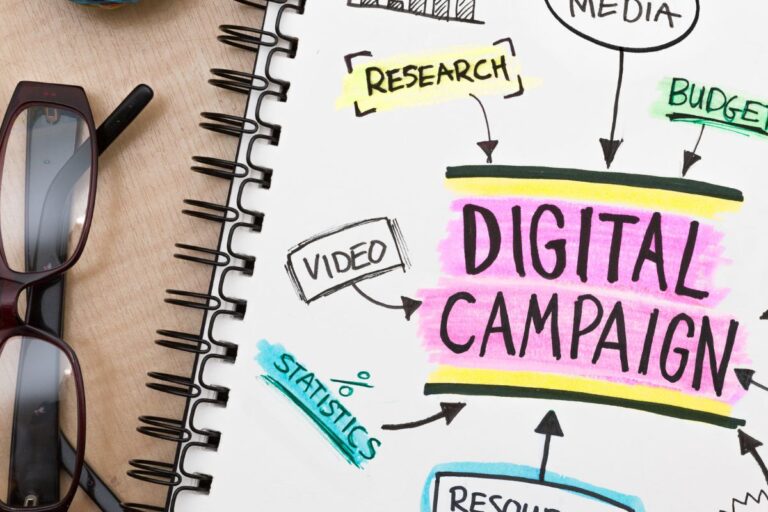
One of the biggest mistakes businesses make is subscribing to or implementing digital marketing services without having a solid, documented strategy in place. Many companies jump straight into posting on social media, launching ads because a competitor did, or creating content simply to “stay active,” without defining what they want to achieve or how success will be measured.
A strategy-first approach ensures every action, message, and budget decision serves a clear purpose. It guides you toward the right platforms, the right audience, and the right content choices—so your efforts work together instead of operating in isolation. Without strategy, digital marketing services turn into scattered activities that consume time and money without generating meaningful growth.
Random posting leads to low engagement because the content doesn’t match what customers want or where they are in their buying journey. Unfocused campaigns waste ad spend since targeting, timing, and messaging are not aligned. And without clear goals, you can’t measure ROI or identify what needs improvement.
When digital marketing services run without a guiding plan, even the best tools or consultants can only deliver partial results. A strong strategy connects every digital activity into a streamlined funnel that moves customers from awareness to conversion with clarity and consistency.
To build a strong strategy, businesses should focus on:
1. Defining clear objectives
Goals such as lead generation, brand awareness, sales growth, or customer retention must be specific, measurable, and tied to business priorities.
2. Understanding the target audience deeply
This includes knowing their pain points, motivations, decision-making process, preferred platforms, and behaviors.
3. Conducting competitive and market research
Insight into what competitors are doing helps you identify gaps, opportunities, and differentiators.
4. Creating a content and platform plan
Your business must determine what content to create, how often to publish, and where to distribute it for maximum impact.
5. Setting KPIs and performance metrics
Tracking mechanisms such as analytics dashboards, CRM data, campaign insights, and funnel mapping ensure measurable progress.
6. Allocating the budget strategically
Budgets should support high-impact areas first, such as SEO, ads, content creation, or automation, depending on your goals and audience.
7. Building a full customer journey and marketing funnel
A strategy must outline how you attract, nurture, convert, and retain customers through structured digital marketing services.
By prioritizing strategy, businesses turn scattered efforts into a coordinated digital ecosystem that builds authority, increases visibility, and drives consistent results. A strong strategy doesn’t just improve performance—it ensures every digital marketing investment has a clear path to ROI.
Mistake 2 — Ignoring Data, Analytics, and Performance Tracking
Data is the backbone of effective digital marketing services. Businesses that rely on guesswork rather than insights often waste resources, miss opportunities, and misinterpret customer behavior. Surprisingly, many small and mid-sized businesses still operate without proper tracking systems, leaving major decisions to chance.
Analytics provide a clear picture of what’s actually working. They show:
-
Which platforms drive the most traffic – knowing whether your audience prefers social media, search engines, or email helps allocate resources wisely.
-
Which audiences convert best – identifying high-performing segments ensures campaigns target the right people.
-
Which content resonates – understanding what users engage with allows for more effective messaging.
-
How customers move through your funnel – from awareness to consideration to conversion, analytics reveal where prospects drop off and where improvements are needed.
Ignoring analytics leads to repeated mistakes and wasted spend. For example:
-
Running ads that generate clicks but no conversions.
-
Publishing content that receives little to no engagement.
-
Spending on channels that deliver low ROI while neglecting high-performing ones.
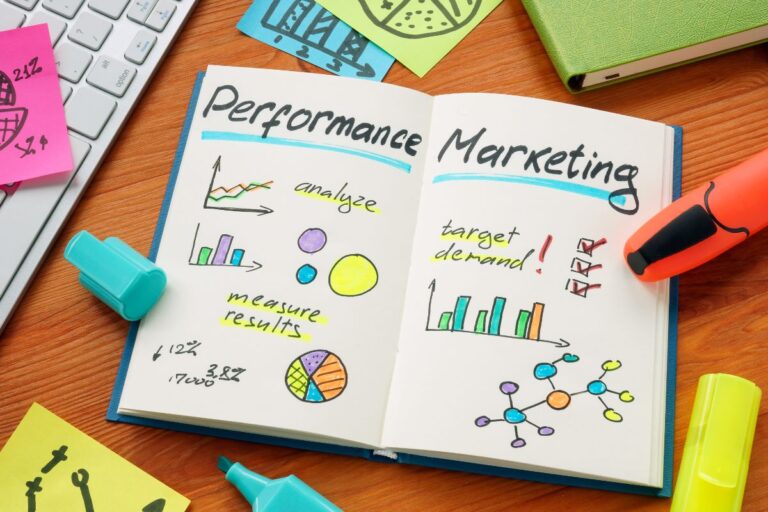
Without proper performance tracking, businesses cannot make informed decisions, measure ROI accurately, or refine their strategies for better results. Digital marketing services are only truly effective when backed by data-driven insights. Companies that embrace analytics not only reduce waste but also improve targeting, enhance customer experiences, and achieve more predictable growth.
Integrating analytics into your digital marketing services means every campaign, post, and ad is guided by real insights, ensuring your efforts translate into measurable business outcomes.
Mistake 3 — Targeting the Wrong Audience or Too Many Audiences at Once
Digital marketing success hinges on reaching the right people with the right message. Yet, many businesses make the critical error of targeting broad, irrelevant, or completely unsuitable audiences. Others attempt to reach multiple audience groups simultaneously, which often dilutes messaging, confuses potential customers, and results in poor conversion rates.
Poor targeting has direct consequences:
-
Higher costs per click and per lead – ads reach people who are unlikely to convert.
-
Lower engagement – content fails to resonate with the audience, reducing likes, shares, and comments.
-
Weakened brand relevance – messages feel generic, and the brand fails to build trust.
Even the best digital marketing services cannot deliver results if campaigns aren’t reaching the right people. This is where customer personas become critical. A persona is a detailed profile of your ideal customer, capturing:
-
Needs and pain points – what problems they are trying to solve.
-
Behavior and habits – where they spend time online and how they interact with content.
-
Demographics – age, location, income, occupation, and other relevant factors.
-
Motivations and decision-making triggers – what influences them to purchase or take action.
When digital marketing services are designed around specific personas, campaigns are more focused, messages resonate more deeply, and ROI improves. Targeting fewer, well-defined audiences allows you to craft personalized content, optimize ad spend, and guide potential customers through the funnel efficiently.
In short, precision targeting is not optional—it’s essential. Businesses that try to reach everyone often end up connecting with no one. By understanding who your ideal customers are and leveraging digital marketing services to engage them effectively, you maximize conversions, strengthen brand loyalty, and reduce wasted resources.
Mistake 4 — Inconsistent or Low-Quality Content Across Digital Platforms
Content is the engine that drives online visibility, credibility, and conversions, yet many businesses struggle to maintain both quality and consistency across their digital channels. Common issues include posting irregularly, reusing outdated content, producing material that fails to engage, or creating generic content that doesn’t address audience needs. These missteps significantly reduce the impact of digital marketing services.
Inconsistent content can weaken brand authority. Customers expect reliability and clear messaging—when a brand appears sporadically or delivers mixed-quality material, it signals poor organization, lack of professionalism, or even indifference toward the audience. Low-quality content also confuses prospects, diminishes engagement, and negatively affects search engine visibility, limiting organic reach.
High-performing digital marketing services depend on a well-structured content strategy, which includes:
-
Frequency and consistency – a clear publishing schedule that keeps audiences engaged and familiar with the brand.
-
Quality and relevance – content that addresses customer pain points, educates, entertains, or inspires action.
-
Messaging consistency – maintaining a coherent brand voice and tone across all channels.
-
Platform-specific optimization – tailoring content to suit the nuances of blogs, social media, email, or video platforms.
-
Evergreen and timely content mix – combining long-lasting content with trending topics to maximize reach and engagement.
Whether it’s blogs, social media posts, videos, infographics, or email newsletters, high-quality content is central to the success of digital marketing services. Brands that prioritize consistency and relevance build trust, increase engagement, strengthen authority, and ultimately drive conversions.
Investing in a cohesive content strategy ensures that your digital marketing services work efficiently to generate traffic, nurture leads, and support long-term growth, rather than leaving results to chance.
Mistake 5 — Overlooking SEO and Ranking Signals That Drive Organic Traffic
Search engine optimization (SEO) is one of the most powerful drivers of organic traffic, yet many businesses continue to overlook it in favor of paid advertising or quick fixes. Relying solely on ads may produce short-term visibility, but ignoring SEO means missing out on long-term, sustainable growth that keeps your business discoverable without continually increasing spend.
Common SEO mistakes that undermine digital marketing services include:
-
Shallow or poorly researched keywords – targeting the wrong search terms reduces your chances of reaching the right audience.
-
Unoptimized web pages – missing meta tags, headings, alt text, or weak page structures lowers search engine rankings.
-
Lack of quality backlinks – without credible links pointing to your site, authority and trustworthiness remain low.
-
Slow website loading speed – performance issues frustrate users and hurt rankings.
-
Neglected technical SEO – issues like broken links, poor site architecture, missing sitemaps, or improper indexing prevent search engines from crawling your site effectively.
Prioritizing SEO within your digital marketing services ensures your content and website are easily discoverable by your target audience. Organic ranking signals, such as mobile responsiveness, structured data, page speed, and secure browsing (HTTPS), are critical components that influence how search engines evaluate and display your site.
Ignoring these signals means leaving traffic, leads, and revenue on the table. By combining SEO with your other digital marketing services, you create a balanced strategy where paid campaigns complement organic growth rather than compensate for poor discoverability.
Investing in SEO strengthens your online presence, improves brand credibility, and ensures that every piece of content or campaign your business runs has the potential to attract long-term, high-quality traffic, making your digital marketing services far more effective and cost-efficient.
Mistake 6 — Weak Social Media Execution and Poor Community Engagement
Social media is more than just posting content—it’s a powerful tool for relationship building, storytelling, and developing a loyal community. Yet many businesses treat it like a checklist, posting randomly without a clear purpose, engagement strategy, or understanding of how each platform works. This approach significantly limits the impact of digital marketing services.
Weak social media execution often manifests as:
-
Irregular posting – inconsistent activity confuses audiences and reduces visibility in feeds and algorithms.
-
Poor creatives – low-quality visuals or unengaging copy fails to capture attention or reflect brand professionalism.
-
Lack of interaction – ignoring comments, messages, or mentions erodes trust and damages relationships with potential customers.
-
Failure to use social insights – missing opportunities to analyze what content resonates, which posts drive engagement, or which demographics respond best.
-
Ignoring trends and platform features – failing to leverage stories, reels, live videos, or trending topics results in missed reach and engagement opportunities.
Digital marketing services deliver maximum results when brands use social media strategically. By analyzing insights, you can understand which content resonates, what posting times work best, and which platforms generate the most leads. Engagement signals—likes, comments, shares, saves, and direct messages—not only increase organic reach but also strengthen connections with your audience.
Neglecting community interaction comes at a high cost. Brands that fail to engage risk losing loyalty, trust, and repeat business. When social media is executed properly as part of your digital marketing services, it becomes a driver for lead generation, customer retention, and stronger brand authority.
A structured social media strategy ensures every post, story, and comment contributes to building a loyal, engaged community while supporting broader business goals.
Mistake 7 — Running Paid Ads Without Proper Optimization
Paid advertising can deliver fast results, but only when campaigns are optimized strategically. Many businesses launch ads without fully understanding bidding strategies, audience targeting, segmentation, ad creatives, or the importance of optimized landing pages. The result is wasted budget, low engagement, and poor conversions—a common problem that undermines digital marketing services.
Common issues businesses face with poorly managed ads include:
-
Targeting the wrong audience – reaching people who are unlikely to convert increases costs and reduces ROI.
-
Weak ad creatives – unappealing visuals, unclear messaging, or irrelevant content fails to capture attention or drive clicks.
-
Incorrect campaign objectives – running ads without aligning objectives (such as traffic, conversions, or lead generation) leads to wasted spend.
-
Neglecting performance monitoring – failing to track metrics like CTR, CPA, or conversion rates prevents timely optimizations.
-
Ignoring A/B testing – without testing variations of ads, businesses cannot identify what resonates best with their audience.
Digital marketing services that include professional ad management can prevent these pitfalls. Proper optimization involves:
-
Continuous monitoring and adjusting bids to maximize ROI.
-
Refining audience segments based on demographics, behavior, and engagement.
-
Designing compelling creatives tailored to each platform and campaign objective.
-
Creating and testing high-converting landing pages that align with ad messaging.
Running ads without strategy or expertise is one of the fastest ways to lose money online. When done correctly, paid campaigns integrated into broader digital marketing services generate measurable results, increase conversions, and strengthen overall marketing performance.
Mistake 8 — Not Leveraging Automation, CRM, and Funnel-Based Marketing
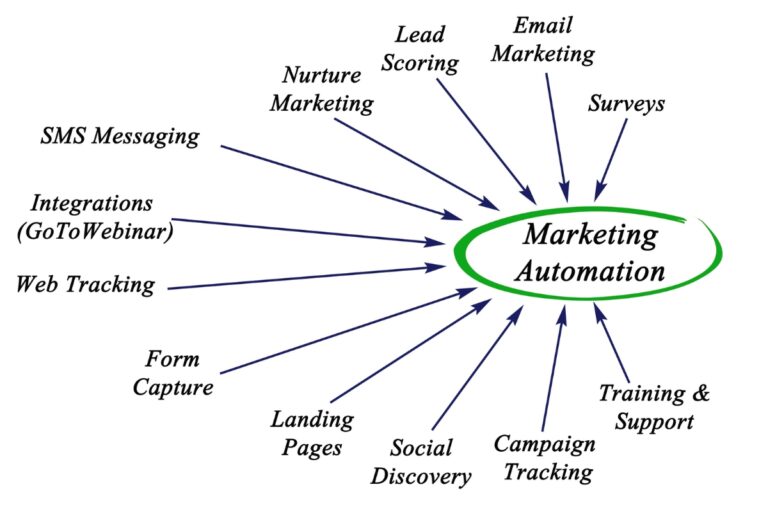
Automation, CRM systems, and funnel-based marketing are essential components of high-performing digital marketing services. Automation improves efficiency, ensures consistency, and enhances the customer experience, while CRMs help businesses track leads, manage interactions, and nurture relationships effectively. Despite this, many companies still rely on manual processes, missing critical opportunities to streamline operations and scale results.
Failing to leverage these tools leads to several challenges:
-
Leads slipping through the cracks – without automation, follow-ups can be delayed or missed entirely, causing potential customers to lose interest.
-
Scattered customer data – lacking a CRM means information about prospects and clients is fragmented, making personalized communication and informed decision-making difficult.
-
No predictable buyer journey – without a structured marketing funnel, businesses cannot guide prospects from awareness to consideration and ultimately conversion.
-
Inconsistent messaging and engagement – manual processes make it hard to deliver timely, relevant content, reducing trust and brand loyalty.
Digital marketing services become significantly more effective when businesses integrate automation and CRM systems into their workflows. Key benefits include:
-
Streamlined campaign management that saves time and reduces errors.
-
Personalized lead nurturing through automated email sequences, follow-ups, and remarketing.
-
Clear visibility into the sales funnel, enabling better forecasting and decision-making.
-
Enhanced customer experience, which builds trust and encourages repeat business.
Companies that fail to adopt these modern tools fall behind competitors who leverage them efficiently. By combining automation, CRM, and funnel-based strategies as part of professional digital marketing services, businesses can increase conversions, retain more customers, and achieve measurable, scalable growth.
Mistake 9 — Hiring the Wrong Digital Marketing Services Provider
Not all digital marketing services providers deliver real value, and choosing the wrong partner can cost a business significant time, money, and growth potential. Many agencies overpromise results, underdeliver, lack transparency, or rely on outdated tactics that fail to produce measurable outcomes.
Common red flags when selecting a provider include:
-
No case studies or proven track record – without evidence of past success, it’s difficult to trust their capabilities.
-
Lack of performance reporting – if they don’t provide clear metrics or analytics, you can’t measure ROI or track progress.
-
Unrealistic guarantees – promises of instant results or guaranteed rankings are often misleading and unsustainable.
-
Unclear pricing structures – hidden fees or vague proposals may result in wasted budget.
-
Absence of strategy development – agencies that execute without a plan risk delivering disconnected campaigns that fail to drive growth.
Reliable digital marketing services providers, on the other hand, offer:
-
Data-driven strategies – every campaign and tactic is based on analytics and measurable goals.
-
Transparent reporting – clients can see performance metrics, progress, and areas for improvement.
-
Proven results – case studies, testimonials, and real ROI demonstrate their effectiveness.
-
Customer-first approach – strategies are tailored to your business needs rather than a one-size-fits-all plan.
-
Focus on ROI over vanity metrics – the emphasis is on leads, conversions, and revenue, not just likes, clicks, or impressions.
Choosing the right digital marketing services provider can make all the difference in achieving long-term success. The right partner not only optimizes campaigns but also guides your business through evolving digital landscapes, ensuring that every investment contributes to measurable growth, stronger brand authority, and sustained competitive advantage.
How to Fix These Mistakes and Improve Your Digital Marketing Performance
Improving digital marketing performance requires a structured, strategic, and data-driven approach. Businesses that follow a clear roadmap see measurable growth, better ROI, and stronger brand authority. Here’s how to fix the common mistakes and maximize the impact of digital marketing services:
1. Audit Your Current Digital Activities
Begin by analyzing all ongoing campaigns, content, social media activity, paid ads, SEO efforts, and analytics. Identify gaps, inefficiencies, and opportunities where digital marketing services are underperforming or misaligned with business goals.
2. Establish a Clear Strategy
Define specific objectives, target audiences, messaging frameworks, and key performance indicators (KPIs). A documented strategy ensures that every action, budget allocation, and campaign serves a clear purpose.
3. Implement Proper Tracking and Automation Tools
Use analytics dashboards, CRM systems, and marketing automation platforms to monitor performance, track leads, and manage customer interactions. Proper tools allow you to make data-driven decisions, reduce waste, and optimize campaigns effectively.
4. Develop Detailed Customer Personas
Understand your audience’s needs, pain points, behavior, demographics, motivations, and buying habits. Tailoring digital marketing services to well-defined personas increases engagement, conversions, and customer satisfaction.
5. Create a Consistent, High-Quality Content Calendar
Plan and schedule blogs, videos, social media posts, and email campaigns to maintain regular communication with your audience. Ensure content is platform-optimized, relevant, and aligned with your brand voice and customer journey.
6. Optimize Your Website and Digital Assets
Focus on SEO, site speed, mobile responsiveness, and user experience. A technically optimized website supports organic traffic growth, increases conversions, and complements paid campaigns.
7. Continuously Review and Optimize Ad Campaigns
Monitor paid ads for targeting, bidding, creatives, and landing page performance. Use A/B testing and insights to adjust campaigns in real-time for maximum ROI.
8. Use Funnel-Based Marketing to Nurture Leads
Design a structured path that guides prospects from awareness to consideration to conversion. Funnel systems, combined with automation, ensure leads are engaged consistently and moved toward purchase efficiently.
9. Partner With Professional Digital Marketing Services
Engage experts who bring proven strategies, industry insights, and measurable results. A reliable provider like SMEPAL ensures your campaigns are optimized, your strategy is cohesive, and every digital effort contributes to long-term growth.
By following these steps, businesses can transform scattered efforts into a coordinated, high-performing digital marketing ecosystem. Proper strategy, consistent execution, and leveraging expert digital marketing services not only fix past mistakes but also create sustainable growth, stronger brand authority, and measurable returns on every marketing investment.
How Smepal Digital Marketing Agency Helps You Avoid These Costly Mistakes
Smepal Digital Marketing Agency provides end-to-end digital marketing services designed to eliminate guesswork, fix performance gaps, and help businesses achieve consistent, measurable growth. Instead of struggling with strategy, targeting, content, or ads on your own, we give you the clarity, expertise, and execution needed to perform at your highest potential. Here’s how we help you avoid every major mistake that holds businesses back:
1. We Build Clear, Data-Driven Digital Strategies
We start by auditing your current performance, defining your goals, understanding your audience, and building a step-by-step digital marketing roadmap that guides every action with purpose.
2. We Create High-Quality, Consistent Content
Our team produces optimized blogs, videos, social posts, and website content tailored to your audience—ensuring consistency, quality, and engagement across all platforms.
3. We Improve Your SEO and Website Performance
From keyword optimization and technical SEO to mobile responsiveness and speed improvement, we ensure your website ranks higher, loads faster, and converts more effectively.
4. We Optimize Your Ads for Maximum ROI
We eliminate budget waste by setting the right campaign objectives, improving your creatives, refining your audience targeting, and continuously optimizing your ads for better CTR, conversions, and ROI.
5. We Help You Leverage Automation, CRM & Funnels
We implement automation workflows, CRM systems, and funnel-based strategies to ensure every lead is captured, nurtured, and guided toward purchasing—without delays or missed opportunities.
6. We Strengthen Your Social Media Execution
From strategy and content to engagement and community management, we help you build a strong, active, and loyal social presence that drives real business results.
7. We Provide Full Transparency, Reporting & Support
Smepal offers data-backed analytics, clear reporting dashboards, and consistent communication so you always know what’s working, what needs improvement, and how your investment is performing.
FAQs About Digital Marketing Services
Digital marketing services can be complex, and businesses often have questions about how to maximize results, costs, and ROI. Understanding these services is key to making informed decisions and improving performance. Here are the most important questions you need answers to:
1. What exactly are digital marketing services?
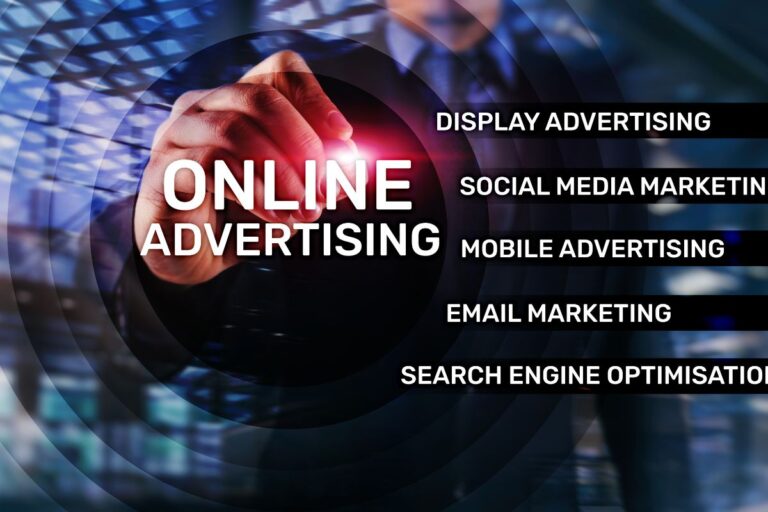
Digital marketing services encompass a range of activities designed to grow a business online. These include search engine optimization (SEO), social media marketing, paid advertising, content creation, email marketing, branding, analytics, marketing automation, and website optimization. When combined strategically, these services increase visibility, drive engagement, generate leads, and boost conversions.
2. How do digital marketing services improve business performance?
Digital marketing services help businesses reach their ideal audience at the right time and on the right platforms. They increase brand awareness, drive website traffic, nurture leads, and improve conversion rates. By leveraging data, automation, and targeted strategies, these services translate online activity into measurable business results and revenue growth.
3. What is the cost of digital marketing services in Kenya?
Pricing varies depending on the provider, scope of work, platforms used, and campaign complexity. Most businesses invest between KES 30,000 and KES 500,000 monthly for comprehensive services. While costs differ, investing in professional digital marketing services often provides a higher return than uncoordinated or DIY approaches.
4. How do I know if my digital marketing provider is effective?
An effective provider delivers measurable results. Key indicators include growth in traffic, leads, conversions, engagement, search rankings, and social reach. Transparent reporting, clear communication, and strategy-driven campaigns are signs that the digital marketing services you receive are adding value.
5. Which businesses need digital marketing services the most?
Any business aiming for online visibility benefits from digital marketing services. This includes SMEs, large corporations, retailers, service providers, educational institutions, e-commerce brands, and personal brands. Essentially, any organization seeking to attract, engage, and convert online audiences can benefit from professional support.
6. How long does it take to see results from digital marketing?
Results depend on the type of service and market competition. SEO may take 3–6 months to show consistent improvements in rankings and organic traffic. Social media campaigns and paid ads can deliver faster results, sometimes within a few weeks. Consistency, strategy, and proper optimization are critical for achieving sustainable growth.
7. Should I hire an agency or an in-house marketer?
Agencies provide access to broader expertise, specialized tools, and cost-efficient services across multiple platforms. In-house teams offer full-time focus but may lack specialized skills in certain areas. Many businesses find a combination of agency support and internal resources delivers the best balance of strategy, execution, and results.
8. Which digital marketing services offer the highest ROI?
SEO, email marketing, paid advertising, and content marketing generally provide the strongest returns when executed correctly. Their effectiveness depends on strategy, targeting, and consistent optimization. High ROI is achieved when campaigns are data-driven, personalized, and aligned with the customer journey.
9. Why are my ads not converting even with proper targeting?
Poor conversion is often due to weak landing pages, unoptimized ad creatives, unclear messaging, or lack of continuous optimization. Even with precise audience targeting, these factors can prevent users from taking desired actions. Integrating these elements into professional digital marketing services ensures better results.
10. How do I choose the best digital marketing services provider for my business?
Look for experience, transparency, documented case studies, and a strategy-first approach. Strong communication, measurable reporting, and a customer-focused mindset are also critical. A reliable provider like SMEPAL ensures your campaigns are optimized, measurable, and designed to deliver long-term growth.

Boost Your Business Growth Today with Expert Digital Marketing Services from Smepal Digital Marketing Agency
Ready to stop wasting time, budget, and effort on digital marketing that doesn’t deliver? Partner with Smepal Digital Marketing Agency today and leverage expert digital marketing services designed to drive traffic, generate leads, and boost your sales. Our proven strategies, data-driven insights, and hands-on approach ensure every campaign works toward measurable growth. Don’t wait—take control of your online performance and transform your business now. Visit us today to get started!