





Home » Bespoke Software Solutions

Bespoke Software Solutions

Businesses often need software that reflects the way they operate, especially when standard applications cannot fully accommodate their processes or requirements. Bespoke software solutions provide a way to create digital systems around specific business needs, workflows, users, and objectives rather than relying entirely on predefined functionality. Developing such a solution involves more than building customized features, as the software must connect business requirements with practical processes, technology, usability, and long-term goals. Understanding how bespoke software solutions work and where they can create value helps businesses make informed decisions about developing a system that fits their operations.

business software requirements

Understanding Bespoke Software Solutions

Bespoke software solutions are designed to address the specific ways a business operates, allowing the technology to reflect its requirements rather than forcing the organization to work around generic functionality. Their purpose is to connect software capabilities with particular workflows, users, operational needs, and business objectives. Understanding what this type of software involves helps businesses establish whether a tailored approach is appropriate before committing to development or adoption:

1. What Are Bespoke Software Solutions?

Bespoke software solutions are digital systems developed specifically around the requirements of an individual business or organization. Instead of providing a fixed set of features intended for a broad market, the software can be structured around specific workflows, user roles, processes, data requirements, and operational objectives. This allows the resulting system to address business needs that may not be fully supported by standard applications.

2. How Do Bespoke Software Solutions Differ From Standard Software?

Standard software is generally developed for a wide range of users and provides predefined features that businesses can configure within established limits. Bespoke software, by contrast, is developed around the requirements of a particular organization, giving greater control over functionality, workflows, integrations, and user experiences. The difference is therefore not simply whether software can be customized, but how closely the underlying system is designed around the business’s specific operating requirements.

3. What Can Bespoke Software Solutions Include?

Bespoke software can include the specific capabilities a business needs to manage its operations and deliver its services effectively. Depending on the requirements, a solution may incorporate custom workflows, dashboards, client portals, databases, automation features, reporting tools, integrations, user permissions, and role-specific functionality. The final combination depends on the processes the software is intended to support rather than on a predetermined package of features.

What Are the Benefits of Bespoke Software Solutions?

Software built around actual business requirements can influence how employees perform tasks, how information moves through an organization, and how different processes are managed. The value of bespoke software solutions extends beyond having customized features because the system can be structured to address specific operational gaps and business objectives. When properly planned and implemented, tailored software can support more efficient operations while providing a foundation for sustainable business improvement:

business software requirements

1. Improve Operational Efficiency

Bespoke software can be designed around existing business processes, helping employees complete tasks through workflows that match the organization’s actual operations. This can reduce unnecessary steps, minimize duplicated activities, and make information easier to move between connected processes. The result can be a more structured operational environment where technology supports rather than complicates everyday work.

2. Automate Business Processes

Tailored software can automate repetitive or rule-based activities that would otherwise require employees to perform the same actions manually. Automation may support activities such as approvals, notifications, data entry, task assignments, record updates, and routine workflow transitions. This can create greater consistency while allowing employees to spend more time on activities that require human judgment or direct customer interaction.

3. Improve Data Visibility

Purpose-built systems can bring relevant business information into a structured environment where authorized users can access and monitor it more easily. Instead of relying on disconnected spreadsheets, applications, or manual records, businesses can design data flows around the information their operations actually require. This can improve visibility into activities, records, performance, and other areas that depend on timely and organized information.

4. Support Better Decision-Making

Bespoke software can incorporate reporting tools, dashboards, data summaries, and other capabilities that reflect the information a business needs to monitor. When relevant data is organized around specific business processes, managers can have clearer visibility into operational activity and performance. This can provide a stronger basis for decisions because the available information is connected to the organization’s actual requirements.

5. Improve Customer Experiences

Custom software can be designed around the specific interactions a business has with its customers, clients, or service users. It can support functions such as customer portals, communication workflows, service requests, account management, notifications, and personalized access to information. By aligning these processes with customer needs, businesses can create more consistent and practical digital experiences.

6. Support Business Growth

A tailored software environment can be developed with the organization’s expected changes in users, departments, processes, data, and functionality in mind. As the business grows, the system can be reviewed and expanded to accommodate new requirements rather than remaining limited to an inflexible set of predefined functions. This makes scalability an important consideration when designing bespoke software solutions for long-term business use.

What Business Functions Can Bespoke Software Solutions Support?

Bespoke software can support different areas of a business depending on the operational problems, workflows, and objectives the organization needs to address. Its usefulness depends on how closely the system fits the processes and information requirements of the people who use it. Businesses can therefore apply tailored software across multiple functions where existing systems do not adequately support their operations:

business software requirements

1. Customer Relationship Management

Bespoke software can help businesses organize customer records, communication, follow-ups, service histories, and other relationship management activities within a system designed around their processes. Customer information can be structured according to the fields, access requirements, and workflows that matter to the organization. This can help teams manage customer interactions more consistently while giving authorized users access to relevant information.

2. Sales and Lead Management

Tailored systems can support the way a business captures, qualifies, follows up, and converts leads into customers. A bespoke solution can include lead records, sales pipelines, quotation workflows, follow-up reminders, sales activities, and conversion tracking based on the organization’s process. This allows sales teams to work within a system that reflects their actual approach rather than adapting entirely to a predefined sales structure.

3. Finance and Business Administration

Custom software can support financial and administrative workflows such as invoicing, approvals, record management, expense tracking, and internal administrative processes. Businesses can define how information moves between employees or departments and establish appropriate permissions for sensitive records. The system can also connect relevant administrative activities with other operational functions where integration is required.

4. Human Resource Management

Bespoke software can support employee records, internal workflows, approvals, attendance processes, performance activities, and other human resource requirements. Organizations can structure employee information and processes according to their policies, roles, and internal approval procedures. This can create a centralized environment for managing relevant employee-related activities while providing controlled access to authorized users.

5. Inventory and Operations Management

Customized software can help businesses manage inventory, operational activities, resources, orders, stock movements, and other processes that depend on accurate and timely information. The system can be structured around the organization’s specific operational workflows, including how items are recorded, approved, transferred, monitored, or reported. This can improve coordination between connected activities and provide greater visibility into day-to-day operations.

6. Reporting and Business Intelligence

Tailored reporting systems can organize business data around the metrics, processes, and performance indicators an organization needs to monitor. Bespoke dashboards can bring information from relevant systems or workflows into a more accessible format for authorized users. This can give managers and teams clearer operational visibility and provide useful information for monitoring performance and making business decisions.

How Are Bespoke Software Solutions Developed?

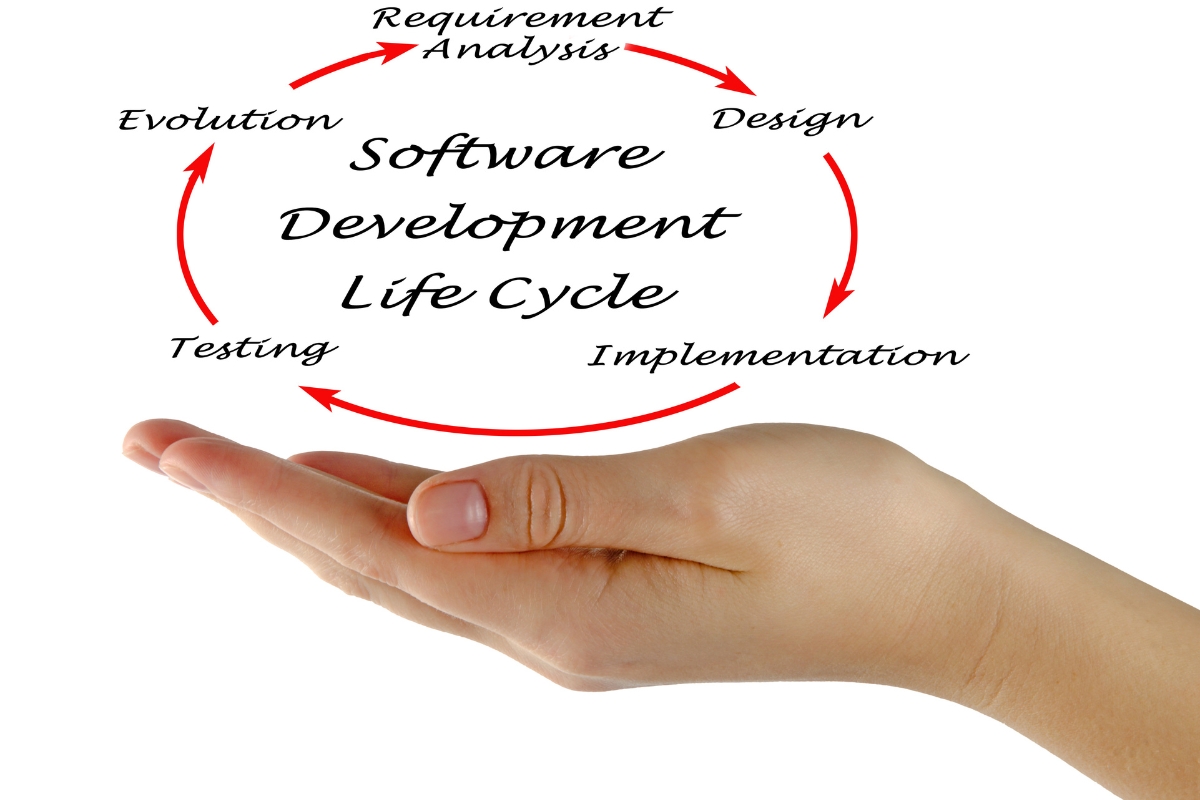
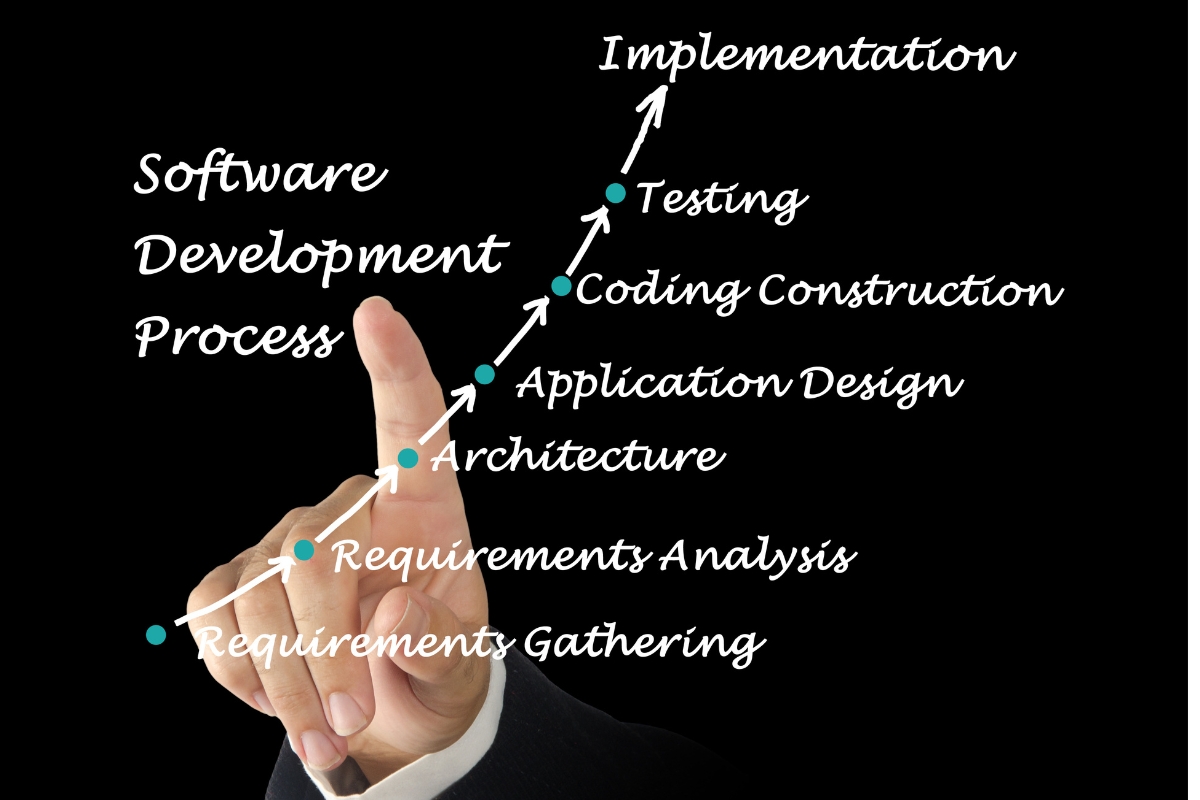
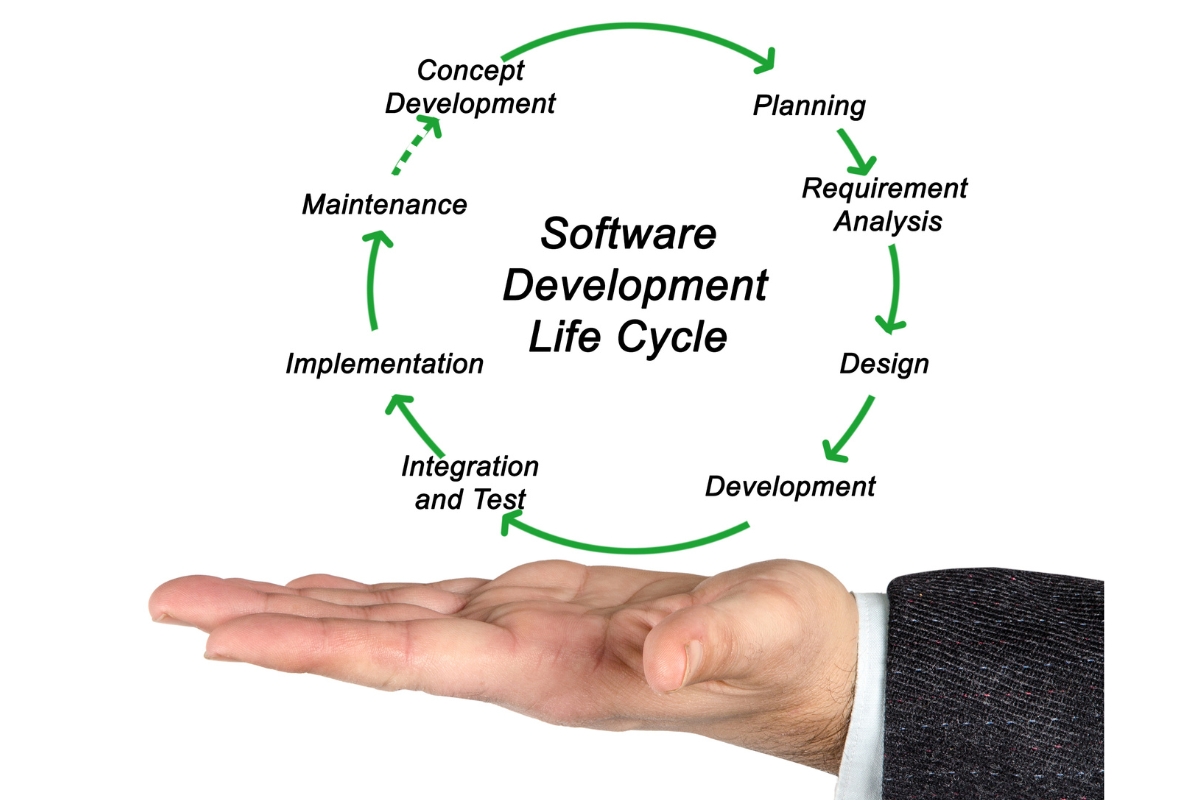
Developing bespoke software solutions begins with understanding the business problem rather than immediately deciding which features to build. The resulting system needs to reflect actual requirements, workflows, users, data, and objectives so that the technology addresses a genuine business need. This makes bespoke software development a structured process that moves from business analysis and requirements definition through design, development, testing, deployment, and ongoing improvement:

business software requirements

1. Understand the Business Problem

The development process begins by identifying the operational challenge, business objective, or opportunity that the software needs to address. Business stakeholders and development specialists examine how the organization currently works and where existing processes or systems create limitations. Establishing the underlying problem provides a foundation for determining what the software should ultimately achieve.

2. Gather and Document Software Requirements

Once the business need is understood, the required software capabilities can be identified and documented. Functional requirements describe what the system should do, while non-functional requirements address areas such as security, performance, reliability, scalability, and usability. Requirements can then be clarified and prioritized to establish what the solution needs to deliver and which capabilities should receive attention first.

3. Map Existing Business Processes

Existing workflows are examined to understand how tasks, information, approvals, and responsibilities move through the organization. This process can reveal unnecessary steps, duplicated activities, manual tasks, system gaps, and opportunities for automation or improvement. Process mapping also helps ensure that the new software supports practical business operations rather than simply reproducing existing inefficiencies in digital form.

4. Design the Software Solution

The identified requirements and workflows are translated into a practical software design covering areas such as system architecture, user journeys, interfaces, data structures, permissions, integrations, and workflows. The design establishes how different components of the system will work together and how users will interact with it. This stage provides a structured foundation for development while allowing important requirements to be reviewed before significant development work begins.

5. Develop and Integrate the Software

The approved design is then translated into a working software system through development and configuration. Where necessary, the solution can be connected with existing databases, business applications, APIs, payment services, communication tools, or other third-party platforms. Integration is planned around the organization’s actual technology environment so that the new system can exchange relevant information with the systems already in use.

6. Test the Solution

Testing examines whether the software performs according to its requirements before it is introduced into regular business operations. This can include checking functionality, workflows, integrations, security controls, usability, performance, data handling, and different user roles. Testing helps identify defects or gaps early and provides an opportunity to correct them before deployment.

7. Deploy and Improve the System

After testing and preparation, the software can be deployed for its intended users and business processes. Implementation may involve user onboarding, data migration, configuration, monitoring, and support to help the organization transition into the new system. Ongoing feedback, performance monitoring, maintenance, security updates, and changing business requirements can then guide future improvements so the software continues to provide practical value.

How to Choose the Right Bespoke Software Solution Approach

Not every business requires the same type, scale, or complexity of custom software, so the development approach needs to reflect the organization’s actual situation. The right direction depends on factors such as business requirements, available resources, existing technology, users, security needs, and expected future changes. Careful evaluation before development helps organizations establish a practical approach that supports their objectives without introducing unnecessary functionality or complexity:

business software requirements

1. Define the Business Requirements

Businesses should first establish the problems they need to solve, the objectives they want to achieve, and the people and processes the software will support. This includes identifying users, workflows, information requirements, essential capabilities, and expected outcomes. Clear requirements provide a basis for determining what type of bespoke software solution is appropriate and what the project needs to accomplish.

2. Assess Required Features and Workflows

The required features should be assessed against the actual processes the software needs to support. Businesses can separate essential functionality from optional features that may increase development complexity without providing sufficient operational value. Mapping features to specific workflows also helps ensure that the system remains focused on genuine business requirements.

3. Consider Integration Requirements

Existing technology can significantly influence how a new software system should be designed and developed. Businesses may need to connect the solution with existing software, databases, APIs, payment systems, communication platforms, accounting tools, or other third-party services. Understanding these integration requirements early can help determine the appropriate architecture and reduce avoidable technical complications later in development.

4. Consider Scalability and Future Requirements

The development approach should account for how the business may change after the software is launched. Expected increases in users, data, departments, transactions, functionality, or operational complexity can influence the way the system is structured. Planning for these requirements from the beginning can make it easier to expand the software without having to redesign its fundamental architecture prematurely.

5. Evaluate Security and Data Requirements

Security requirements should be considered according to the type of information the system will collect, process, store, and share. Businesses should evaluate areas such as user permissions, access controls, authentication, data protection, audit records, and secure integrations where applicable. These requirements can influence the system architecture, development practices, testing processes, and ongoing management of the software.

6. Consider Usability and User Adoption

A software system needs to be practical for the employees, customers, administrators, or other users who will interact with it. The interface, navigation, workflows, and level of complexity should therefore reflect the users’ responsibilities and technical needs. Involving relevant users during planning and design can help identify usability issues and support smoother adoption after implementation.

7. Assess Support and Maintenance Requirements

Businesses should consider how the software will be maintained, monitored, secured, and improved after its initial deployment. Ongoing requirements may include technical support, bug fixes, security updates, performance monitoring, infrastructure management, integrations, and future development. Establishing these expectations early helps businesses account for the software’s full lifecycle rather than treating development as a one-time activity.

What Are the Challenges of Developing Bespoke Software Solutions?

Bespoke software can address specific business requirements, but developing and implementing a tailored system requires careful planning, coordination, and ongoing management. Challenges can emerge at different stages, particularly when requirements, costs, integrations, security, users, or project scope are not managed effectively. Recognizing these considerations early helps businesses approach custom software projects with realistic expectations and stronger planning:

business software requirements

1. Defining Requirements Clearly

Unclear or incomplete requirements can make it difficult for development teams to determine exactly what the software needs to accomplish. Requirements may also change as stakeholders gain a clearer understanding of the system, potentially affecting functionality, timelines, and development work. A structured requirements process can help clarify priorities and establish a more stable foundation for the project.

2. Managing Development Costs

The cost of bespoke software depends on factors such as system complexity, required functionality, integrations, security requirements, user experience, development time, infrastructure, and ongoing support. Additional requirements introduced during development can also affect the original scope and budget. Businesses therefore need to connect planned expenditure with defined requirements and priorities when managing the project.

3. Integrating Existing Systems

Connecting new software with legacy systems, databases, third-party applications, APIs, or external services can introduce technical challenges. Differences in data structures, interfaces, authentication methods, system capabilities, or integration standards may require additional development work. Understanding the existing technology environment before development can help identify these dependencies early.

4. Managing Security and Data Privacy

Custom software may process business, employee, customer, financial, or other sensitive information that requires appropriate protection. Security therefore needs to be considered across system architecture, user access, authentication, data handling, integrations, testing, deployment, and maintenance. Treating security as an ongoing requirement rather than a final development step can help reduce avoidable weaknesses.

5. Supporting User Adoption and Change

Introducing a new system can change how employees perform familiar tasks and how information moves through an organization. Users may need training, clear guidance, and sufficient involvement during implementation to understand how the new workflows affect their responsibilities. Managing these changes can help the organization transition from existing processes to the new software environment more effectively.

6. Maintaining and Updating the Software

Bespoke systems require ongoing attention after deployment as technologies, security requirements, business processes, integrations, and user expectations change. Maintenance may involve correcting issues, applying security updates, improving performance, updating integrations, and introducing new functionality. Without continued technical management, a system that initially meets business requirements may become less suitable over time.

7. Controlling Scope Expansion

New feature requests can emerge as stakeholders interact with the system or identify additional opportunities during development. While some changes may be necessary, uncontrolled additions can increase timelines, costs, technical complexity, and development workload. Establishing clear scope controls and evaluating proposed changes against the original business objectives can help keep the project focused.

How Do Bespoke Software Solutions Support Digital Transformation?

Bespoke software can form part of a broader digital transformation strategy when businesses need technology to improve how their operations, information, and services work together. Digital transformation involves changing and improving business processes through technology rather than simply introducing new software without addressing underlying operational needs. By connecting technology with business objectives, bespoke software solutions can help organizations develop a more integrated and adaptable digital environment:

best custom software development company

1. Connect Business Processes

Bespoke software can connect processes that previously depended on separate applications, manual handovers, or disconnected workflows. A tailored system can bring related activities into a shared digital environment while allowing information to move between appropriate processes and users. This can help businesses create stronger connections between departments and reduce operational gaps caused by fragmented systems.

2. Improve Access to Business Data

Centralized systems can make relevant business information easier for authorized users to access across connected functions. Instead of relying on information stored across multiple disconnected sources, businesses can structure data around the processes and decisions that depend on it. This can improve visibility while helping teams work with more consistent and accessible information.

3. Create More Consistent Workflows

Software can standardize recurring processes by establishing defined workflows, approvals, responsibilities, and system actions. A bespoke approach allows these workflows to reflect the organization’s actual requirements instead of requiring every process to conform to a generic software structure. This can help create greater consistency while retaining the flexibility needed for business-specific operations.

4. Support Data-Driven Operations

Bespoke software can structure operational information so that businesses can monitor activities, identify patterns, and review performance more effectively. Reporting features and dashboards can present information according to the metrics and processes that matter to the organization. This can support data-driven operations by making relevant information more available for analysis and decision-making.

5. Build a Foundation for Future Digital Systems

A well-designed software system can provide a foundation for future digital capabilities as business requirements develop. Organizations may later extend the system through additional integrations, automation, analytics, dashboards, customer portals, or other digital functions where these address genuine needs. This allows digital transformation to develop progressively rather than requiring every capability to be introduced as part of one initial project.

How Smepal Consultancy Agency Can Help With Bespoke Software Solutions

Successful bespoke software requires more than technical development because the system needs to address the business problem, processes, users, and outcomes behind the technology. Our role is to connect business requirements with practical digital systems that can support how an organization operates and grows. We can support businesses in shaping bespoke software solutions around their operational requirements while considering integration, usability, automation, data visibility, and long-term improvement:

best custom software development company

1. We Start With the Business Problem

We begin by understanding the organization’s objectives, operational challenges, existing processes, users, and desired outcomes before determining what the software should do. This helps us focus the solution on the underlying business need rather than starting with a predetermined set of technical features. By establishing the problem first, we can help define a clearer direction for the software project.

2. We Translate Business Requirements Into System Requirements

We help translate business processes and requirements into practical software functionality and system specifications. This involves connecting what the organization needs to achieve with the workflows, user roles, data requirements, integrations, and capabilities the system may require. The result is a clearer relationship between business objectives and the technical structure of the proposed solution.

3. We Design Solutions Around Business Workflows

We structure software around the way the organization actually operates, including how tasks are performed, information is exchanged, decisions are made, and approvals are handled. This approach helps avoid introducing unnecessary processes simply because they are built into a standard application. Our focus is on creating a system that supports relevant workflows while addressing identified operational requirements.

4. We Support Custom Software Development and Integration

We can support the development of tailored software and its connection with relevant business technologies where integration is required. This may involve working with existing databases, applications, APIs, payment systems, communication platforms, or other digital tools that form part of the organization’s technology environment. Integration can help the new system operate as part of a connected digital ecosystem rather than functioning as an isolated application.

5. We Build Practical Visibility and Automation Into Systems

We can incorporate dashboards, reporting, workflow automation, and other system capabilities where they provide a clear business purpose. These features can help organizations monitor operations, reduce repetitive work, organize information, and improve visibility into relevant activities. We focus on applying these capabilities according to actual requirements rather than adding functionality simply because it is technically available.

6. We Support Ongoing System Improvement

Our involvement can continue beyond the initial development and deployment of the software as business requirements evolve. We can support refinement, optimization, integration improvements, functionality changes, and other system enhancements based on operational needs and feedback. This ongoing approach helps businesses keep their bespoke software aligned with changing processes, users, technology, and longer-term objectives.

How to Build a Long-Term Strategy for Bespoke Software Solutions

Bespoke software should remain aligned with the business after its initial deployment as operational requirements, users, technology, and priorities continue to change. Its long-term value depends on how effectively the system is monitored, maintained, and adapted as the organization develops. Businesses can therefore approach bespoke software solutions as an ongoing digital capability that requires continuous alignment with business needs:

business software requirements

1. Prioritize High-Value Business Requirements

Businesses can prioritize future development and improvements according to the requirements that provide meaningful operational or strategic value. This helps direct resources toward changes that can improve important workflows, customer processes, data visibility, automation, or other defined business needs. Prioritization also helps prevent the software from becoming unnecessarily complex through the addition of low-value functionality.

2. Set Measurable Objectives

Clear objectives can help businesses determine whether their software is delivering the intended operational value. Depending on the system’s purpose, these objectives may relate to process efficiency, automation, customer service, reporting, response times, data accuracy, or other relevant outcomes. Measuring progress against defined objectives provides a practical basis for deciding whether further improvements are required.

3. Monitor System Performance

Regular monitoring can help businesses identify technical and operational issues that may affect the usefulness of the software. Organizations can review system usage, workflow performance, errors, user feedback, response times, and other relevant operational results. These observations can reveal areas where the system needs refinement, additional support, or changes to better reflect current requirements.

4. Expand the System Gradually

Businesses can introduce additional functionality, integrations, automation, users, or workflows progressively as new requirements emerge. A gradual approach allows organizations to evaluate existing capabilities before committing resources to further development and can make changes easier to manage. This also provides an opportunity to prioritize improvements according to changing business needs rather than attempting to build every possible feature at the beginning.

5. Keep the Software Aligned With Business Goals

Long-term software decisions should continue to reflect changes in business strategy, operations, customers, organizational structure, and priorities. As the organization develops, existing workflows or system capabilities may no longer provide the same level of value they did when the software was first introduced. Regularly reviewing the relationship between the system and business goals helps ensure that the software continues to support the organization’s direction.

Frequently Asked Questions About Bespoke Software Solutions

Businesses often have practical questions before deciding whether a custom software approach is suitable for their organization. These questions may relate to terminology, investment, development timelines, ownership, accessibility, security, and future changes to the system. The answers below address additional considerations that can help businesses understand what to expect when evaluating bespoke software solutions:

1. What is the difference between bespoke software and custom software?

Bespoke software and custom software generally describe software created around the specific requirements of a particular business or organization. The terms are often used interchangeably, although the exact terminology can vary between software providers and markets.

2. How much do bespoke software solutions cost?

The cost depends on factors such as the complexity of the system, required functionality, integrations, user experience, security requirements, development time, infrastructure, and ongoing support. A solution with several connected workflows and integrations will generally require different resources from a relatively simple custom application.

3. How long does it take to develop bespoke software?

Development time varies according to the scope, complexity, number of features, integrations, testing requirements, and changes introduced during the project. A clearly defined project scope can make it easier to establish a realistic development timeline.

4. Can bespoke software integrate with existing business systems?

Yes, bespoke software can be designed to integrate with existing systems where the relevant technologies, interfaces, and access requirements support integration. This may include databases, APIs, accounting applications, payment systems, communication platforms, or other business software.

5. Can bespoke software solutions be accessed through the cloud?

Yes, bespoke software can be designed and deployed using cloud infrastructure where this suits the organization’s requirements. Cloud-based deployment can support remote access, centralized management, scalability, and integration with other cloud services, subject to the system’s architecture and security requirements.

6. Are bespoke software solutions suitable for small businesses?

They can be suitable for small businesses when a specific operational problem justifies developing a tailored system. The decision should consider the business’s requirements, available resources, expected value, complexity, and long-term need rather than business size alone.

7. Who owns the software after bespoke development?

Ownership depends on the contractual agreement between the business and the development provider. Businesses should clarify intellectual property rights, source code ownership, licensing arrangements, third-party components, and usage rights before development begins.

8. Can bespoke software be expanded after it is launched?

Yes, a well-designed system can often be expanded as business requirements change. Additional functionality, integrations, automation, user roles, reporting capabilities, or other components can be introduced according to the system’s architecture and the organization’s future requirements.

9. How secure are bespoke software solutions?

Security depends on how the system is designed, developed, deployed, configured, and maintained. Appropriate measures may include authentication, access controls, data protection, secure development practices, testing, monitoring, updates, and other safeguards relevant to the system and information it handles.

10. What should a business prepare before starting a bespoke software project?

A business should have a clear understanding of the problem it wants to solve, its key objectives, relevant workflows, intended users, important data, existing systems, and required outcomes. Documenting these areas can give the development process a clearer starting point and help stakeholders communicate their requirements more effectively.

best custom software development company

Build Your Bespoke Software Solution With Smepal Consultancy Agency Today!

Ready to explore software designed around the way your business operates? Contact us to discuss your bespoke software requirements and explore a practical development direction. We can help you consider how a tailored digital system can support your business operations and long-term goals. Contact Smepal Consultancy Agency today to start the conversation.