How a Digital Systems Development Company Can Transform Your Business Operations
Businesses can lose valuable time, accuracy, visibility, and productivity when employees rely on manual processes, disconnected tools, and scattered information to manage daily operations. McKinsey research found that large IT projects run 45% over budget and 7% over time on average, showing why businesses need a clear strategy when investing in digital solutions. A capable digital systems development company for businesses can connect workflows, automate repetitive tasks, centralize information, improve reporting, and create systems that support how a business actually operates. The right digital system can therefore move a business from fragmented processes to more efficient, connected, and scalable operations.

Why Are Digital Systems Important for Modern Business Operations?
Modern businesses often manage large amounts of information, customer interactions, employee activities, and operational tasks every day. When these activities depend on spreadsheets, paper records, disconnected applications, or repetitive manual work, delays and errors can quickly affect performance. Digital systems bring these processes together, making it easier for businesses to manage operations, access information, monitor performance, and make informed decisions:
1. They Reduce Dependence on Manual Processes
Manual processes can consume employee time and increase the risk of delays, duplication, and human error. Digital systems can automate repetitive activities such as data entry, task assignments, notifications, approvals, and routine reporting. By replacing unnecessary manual steps with structured workflows, businesses can improve consistency while allowing employees to focus on more valuable responsibilities.
2. They Improve Access to Business Information
Business information becomes difficult to manage when it is spread across spreadsheets, documents, emails, and separate applications. A well-designed digital system can centralize relevant information and make it accessible to authorized users when they need it. This can reduce time spent searching for records, improve information accuracy, and give teams a clearer view of important business activities.
3. They Connect Different Business Functions
Departments often depend on information from one another, yet disconnected processes can create communication gaps and repeated data entry. Digital systems can connect functions such as sales, customer management, finance, operations, human resources, and reporting within a coordinated workflow. This allows information to move more efficiently between processes and helps different teams work from consistent business data.
4. They Improve Operational Visibility
Business leaders need to know what is happening across their operations to identify problems and respond quickly. Digital systems can provide dashboards, reports, status updates, and performance information that make important activities easier to monitor. Better visibility can help managers identify bottlenecks, track progress, measure performance, and understand where operational improvements are needed.
5. They Support Better Business Decisions
Effective decisions depend on having accurate, relevant, and accessible information at the right time. Digital systems can organize operational data into reports and useful insights that help business leaders understand performance and identify emerging issues. With better information available, businesses can make faster decisions based on actual operational data rather than relying mainly on assumptions or incomplete records.
What Business Problems Can a Digital Systems Development Company for Businesses Solve?
Businesses often turn to technology because an operational problem is slowing growth, increasing costs, or making everyday work harder to manage. A digital systems development company for businesses should therefore begin by understanding how the organization operates before recommending technologies, features, or solutions. The right development approach can address common operational challenges by creating connected, structured, and scalable systems:
1. Disconnected Business Processes
When departments use separate tools and processes, information can become fragmented across the organization. Employees may enter the same information multiple times, wait for updates from other teams, or struggle to know which records are current. A connected digital system can bring related processes together, allowing information to move more efficiently between departments and reducing unnecessary duplication.
2. Repetitive Administrative Work
Employees can spend significant amounts of time handling repetitive activities such as data entry, approvals, notifications, record updates, and routine reports. These tasks can slow productivity and increase the likelihood of human errors, especially when they are performed frequently. Digital systems can automate suitable administrative processes, reducing unnecessary work while allowing employees to focus on responsibilities that require greater attention and judgment.
3. Poor Data Management
Businesses can struggle to manage information effectively when records are scattered across spreadsheets, documents, applications, emails, and separate databases. This can make information difficult to locate, create duplicate records, and increase the risk of using outdated or inaccurate data. A properly designed system can organize relevant business information in a structured environment, making it easier to manage, retrieve, update, and report on.
4. Limited Operational Visibility
Managers cannot effectively improve processes when they have limited visibility into what is happening across the business. It can be difficult to track employee activities, customer requests, sales, projects, tasks, or performance when information is spread across different tools. Digital systems can provide centralized dashboards, reports, status updates, and activity records that give decision-makers a clearer view of ongoing operations.
5. Inefficient Communication and Collaboration
Poor communication can create delays when employees depend on emails, phone calls, physical documents, or informal updates to coordinate work. Important information can be missed, tasks may lack clear ownership, and teams may struggle to understand the current status of a process. Digital workflows can improve collaboration by giving users shared information, defined responsibilities, task updates, notifications, and clearer communication points.
6. Difficulty Scaling Existing Processes
A process that works well for a small team may become inefficient when the business gains more customers, employees, transactions, or locations. Manual procedures can become harder to control, while disconnected tools may create more administrative work as operational demands increase. A scalable digital system can help businesses handle growing workloads by improving automation, workflow management, data organization, user access, and reporting.
How Can Digital Systems Transform Business Workflows?
Digital transformation becomes more valuable when it improves how work actually moves through a business rather than simply adding new software. Well-planned system development can connect activities, automate suitable steps, standardize processes, and give teams greater control over their responsibilities. This allows businesses to create workflows that are more efficient, trackable, and adaptable:
1. Automating Repetitive Workflows
Many business workflows contain repeated actions that do not require employees to make new decisions each time. Digital systems can automate activities such as sending notifications, updating records, assigning tasks, generating reports, or moving requests between stages. This reduces repetitive effort, improves consistency, and allows employees to spend more time on activities that require human judgment.
2. Standardizing Business Processes
Different employees may handle the same process differently when there are no clearly defined procedures. Digital workflows can establish consistent steps, rules, approvals, and responsibilities so that processes follow an agreed structure. Standardization can improve operational consistency while making it easier for managers to identify where a process needs adjustment.
3. Improving Task Management
Unclear task ownership can cause missed deadlines, duplicated work, and delays. A digital system can assign tasks to specific users, set priorities and deadlines, record progress, and provide notifications when action is required. This gives employees clearer responsibilities and gives managers a better way to monitor work without relying entirely on manual follow-ups.
4. Creating Centralized Workflows
Businesses often manage related activities through multiple disconnected channels, making it difficult to see the complete process. A centralized digital workflow can bring stages such as requests, approvals, assignments, updates, and reporting into one structured environment. This creates a clearer operational path and reduces the need to move information manually between separate tools.
5. Improving Workflow Tracking
Without proper tracking, businesses may struggle to determine whether a task, customer request, approval, or project is pending, completed, or delayed. Digital systems can record each stage of a workflow and provide users with current status information. This makes it easier to identify outstanding work, follow up on delays, and maintain accountability across the organization.
6. Reducing Operational Bottlenecks
Bottlenecks occur when a particular task, approval, department, or process prevents other activities from moving forward. Better workflow visibility can help businesses identify where delays occur and understand which stages require improvement. By redesigning processes and automating suitable steps, digital systems can help reduce unnecessary delays and create smoother operational flows.
How Can a Digital Systems Development Company Improve Business Data Management?
Effective data management helps businesses keep information accurate, accessible, organized, and useful across daily operations. A digital systems development company can design systems that structure business data, reduce duplication, improve reporting, and make important information easier for authorized users to access. When data is managed properly, businesses can operate more efficiently and make decisions using reliable information:
1. Centralizing Business Data
Business information can become difficult to manage when customer records, employee details, transactions, projects, and operational data are stored in different locations. A connected digital system can bring relevant information into a structured environment where authorized users can access the records they need. Centralization can improve coordination, reduce information gaps, and give the business a more consistent view of its operations.
2. Improving Data Accuracy
Inaccurate information can affect reports, customer service, financial processes, and management decisions. Digital systems can use standardized fields, validation rules, required information, and controlled data entry to reduce common mistakes. By creating consistent ways to capture and update information, businesses can improve the reliability of the data used across their operations.
3. Making Information Easier to Retrieve
Employees can waste time searching through emails, spreadsheets, documents, and different applications for information they need to complete their work. A structured digital system can organize records into searchable databases and provide appropriate access based on user roles. This allows employees to retrieve relevant information faster and spend less time looking for records.
4. Reducing Data Duplication
Repeated data entry can create duplicate records and increase the risk of inconsistent information across different systems. Connected databases and workflows can allow information captured during one process to be used in another relevant process without requiring employees to enter it again. This can reduce administrative effort while helping maintain more consistent business records.
5. Supporting Real-Time Reporting
Businesses need current information to monitor performance and respond to operational changes. Digital systems can collect information as activities take place and use that data to generate dashboards, reports, summaries, and performance indicators. This gives managers faster access to operational information without depending entirely on manually prepared reports.
6. Improving Data-Based Decision-Making
Management decisions are stronger when they are supported by accurate and relevant business information. Digital systems can bring operational data together and present it through reports or dashboards that make important patterns and performance indicators easier to understand. This can help business leaders identify problems, evaluate performance, allocate resources, and make decisions based on actual operational information.
How Can Digital Systems Improve Business Productivity?
Business productivity is not simply about making employees work faster; it is about reducing unnecessary effort and helping teams use their time effectively. Properly designed digital systems can automate routine activities, improve coordination, reduce errors, and give employees faster access to the information they need. These improvements can create measurable operational benefits across different areas of the business:

1. Saving Employee Time
Employees can spend considerable time entering information, searching for records, preparing routine reports, following up on tasks, and completing administrative procedures. Digital systems can centralize information and automate suitable activities, reducing the amount of time required for these processes. The time saved can then be redirected toward customer service, sales, planning, problem-solving, and other higher-value responsibilities.
2. Reducing Repetitive Tasks
Repetitive activities can consume employee capacity without necessarily requiring complex decision-making. Digital systems can automate suitable tasks such as notifications, reminders, data transfers, approvals, record updates, and recurring reports. Reducing these repeated actions can improve productivity while allowing employees to concentrate on work that requires greater attention and judgment.
3. Improving Employee Coordination
Teams can lose productivity when employees do not know who is responsible for a task, what has already been completed, or what needs to happen next. Shared digital workflows can provide task assignments, deadlines, status updates, notifications, and relevant information in one environment. This gives employees greater visibility into their responsibilities and can make collaboration more organized.
4. Reducing Human Errors
Manual data entry, repeated calculations, and inconsistent procedures can create avoidable errors that require additional time to identify and correct. Digital systems can use validation rules, automated calculations, standardized processes, and controlled workflows to reduce some of these risks. Fewer avoidable errors can mean less rework and more consistent operational output.
5. Making Daily Operations More Consistent
Businesses may experience inconsistent results when employees follow different procedures for the same type of task. Digital workflows can establish defined steps, rules, approvals, and responsibilities that guide employees through common processes. This creates greater consistency while also making it easier for managers to identify where processes need improvement.
6. Helping Teams Focus on Higher-Value Work
Administrative workloads can prevent employees from giving enough attention to customers, strategic activities, business development, and other important responsibilities. By reducing unnecessary manual work and improving access to information, digital systems can free employees to focus on activities that contribute more directly to business objectives. Over time, this shift can help businesses use their people more effectively while improving overall operational efficiency.
How Can Digital Systems Improve Customer and Client Management?
Customer experiences are often shaped by the quality of the systems employees use to manage information, communication, service requests, and follow-ups. Well-designed digital systems can give teams faster access to customer information while creating more organized processes for responding to needs and maintaining relationships. By connecting customer data with everyday workflows, businesses can make service delivery more consistent, responsive, and easier to manage:

1. Centralizing Customer Information
Customer information can become difficult to manage when records are spread across spreadsheets, emails, messaging platforms, documents, and separate applications. A centralized digital system can organize relevant customer details, requests, transaction history, and other records in one structured environment. Authorized employees can then access the information they need without relying on scattered records or repeatedly asking other team members for updates.
2. Improving Customer Follow-Up
Missed follow-ups can cause businesses to lose opportunities and weaken customer relationships. Digital systems can create reminders, assign follow-up tasks, trigger notifications, and move customer requests through defined workflows. This helps employees know what action is required, when it should happen, and who is responsible for completing it.
3. Speeding Up Customer Service
Employees may take longer to respond when they have to search through several systems before finding a customer’s information. A connected system can bring relevant records, previous interactions, requests, and service information together in an accessible format. Faster access to this information can help employees respond more efficiently and resolve customer needs with less unnecessary delay.
4. Tracking Customer Interactions
Businesses need clear records of customer interactions to understand what has already been discussed and what action is still required. Digital systems can record inquiries, requests, follow-ups, transactions, service activities, and other relevant interactions in a structured history. This gives authorized employees greater context when handling future communication and reduces the risk of important information being lost.
5. Supporting Personalized Customer Experiences
Customers are more likely to receive relevant service when employees understand their previous interactions, preferences, requests, and business history. A digital system can organize this information so that authorized team members can use it when handling customer needs. This can help businesses provide more informed communication and tailor their service without relying on employees to remember every customer detail.
6. Improving Customer Retention Processes
Customer retention often depends on consistent communication, timely follow-ups, and reliable service after an initial transaction. Digital workflows can help businesses schedule follow-ups, monitor outstanding requests, identify customers who need attention, and maintain service records. These structured processes can make it easier to maintain customer relationships and respond before small service issues become larger problems.
How Can a Digital Systems Development Company Connect Existing Business Tools?
Many businesses already depend on websites, accounting platforms, payment systems, customer management tools, communication applications, and other software. Replacing every existing tool is not always necessary, because a digital systems development company can assess where those platforms can work together through suitable integrations. Connecting the right systems can reduce duplicated work, improve information flow, and create a more unified operational environment:

1. Connecting Existing Business Applications
Different business applications often manage different parts of an organization’s operations. Suitable integrations can allow relevant systems to exchange information so employees do not have to repeatedly transfer data between platforms. This can create smoother workflows while allowing businesses to continue using existing tools that remain valuable to their operations.
2. Using APIs for System Integration
APIs allow compatible software systems to communicate and exchange defined information with each other. A development team can use APIs to connect a new digital system with existing applications, services, or platforms where appropriate access is available. This can support automated data exchange and reduce the need for employees to manually move information from one system to another.
3. Connecting Payment and Financial Systems
Payment and financial activities often involve information that must be recorded accurately across multiple business processes. Suitable integrations can allow payment information or transaction data to flow between connected systems, reducing unnecessary manual entry. This can improve efficiency while helping businesses maintain more consistent financial and operational records.
4. Connecting Websites and Internal Systems
A business website may generate customer inquiries, orders, registrations, applications, or other information that employees later process manually. Connecting the website with relevant internal systems can allow this information to enter the appropriate workflow automatically or with fewer manual steps. This creates a stronger connection between online activity and the internal processes responsible for responding to it.
5. Synchronizing Business Information
When the same information exists in several systems, employees may need to update each location separately. Integration can synchronize relevant data between compatible platforms, helping reduce repeated data entry and inconsistencies. This can also make it easier for different teams to work with information that is more current and consistent.
6. Reducing Technology Silos
Technology silos occur when systems operate independently and information cannot move efficiently between them. Connected systems can create a more unified digital environment where relevant applications, departments, and workflows work together. This can improve information flow, reduce operational friction, and help businesses gain more value from the technology they already use.
How Can Digital Systems Improve Business Reporting and Decision-Making?
Business leaders need timely and reliable information to understand performance and respond to operational changes. Digital systems can turn day-to-day activities into structured management information through dashboards, reports, metrics, and accessible records. This gives decision-makers a clearer view of what is happening across the business and supports faster, more informed actions:

1. Creating Automated Reports
Preparing recurring reports manually can take considerable time, especially when employees must collect information from different sources before compiling it. Digital systems can collect relevant operational data and generate scheduled reports based on predefined requirements. This reduces manual reporting work and helps management receive important information more consistently.
2. Building Operational Dashboards
Dashboards can bring important business information together in a format that is easier to monitor and understand. Depending on the business, a dashboard can show sales, tasks, projects, customer activity, employee performance, financial information, or other operational metrics. This gives managers a quicker way to identify what is progressing well and where attention may be needed.
3. Tracking Key Performance Indicators
Key performance indicators help businesses measure whether important activities are moving toward defined objectives. A digital system can capture relevant data and present selected KPIs through reports, dashboards, or performance summaries. This allows managers to monitor measurable results more consistently instead of relying only on occasional manual reviews.
4. Identifying Operational Trends
Individual records may provide limited insight, but accumulated business data can reveal patterns over time. Digital systems can organize historical information so businesses can compare performance, identify recurring issues, observe changes in demand, and recognize areas of improvement. These trends can help management understand what may be affecting operations and where further action is required.
5. Supporting Faster Management Decisions
Delayed information can delay decisions, particularly when managers depend on manually prepared updates before responding to an operational issue. Digital systems can make relevant information available sooner through automated updates, reports, and dashboards. Faster access to current information can help decision-makers respond to problems, adjust resources, and act on opportunities more quickly.
6. Improving Accountability
Clear records can help businesses understand who handled a task, when an action occurred, and what stage a process has reached. Digital systems can maintain activity records, task histories, approvals, and performance information that support greater accountability. This makes it easier for managers to follow up on responsibilities and identify where processes or performance require attention.
What Role Does Automation Play in Business Transformation?
Automation becomes valuable when it solves a specific operational problem and removes unnecessary manual effort from a business process. Instead of using automation simply because it is available, businesses should identify repetitive, rule-based activities where automated actions can improve efficiency, consistency, or response times. When applied strategically, automation can strengthen everyday workflows and create measurable operational improvements:
1. Automating Routine Tasks
Businesses perform many routine activities that follow predictable rules or steps, such as updating records, assigning tasks, processing requests, or sending standard communications. Suitable tasks can be automated so that the system performs defined actions without requiring employees to repeat them manually. This can reduce administrative workload and free employees to focus on activities that require judgment or direct customer interaction.
2. Automating Notifications and Reminders
Missed deadlines and follow-ups can affect customer service, project delivery, internal processes, and revenue opportunities. Digital systems can automatically send reminders or notifications when specific dates, events, or workflow conditions are reached. This helps employees stay aware of pending responsibilities without relying entirely on memory or manual follow-up.
3. Automating Approvals and Workflows
Approval processes can become slow when requests depend on physical documents, emails, or repeated communication between different employees. Digital workflows can route requests to the appropriate person, record decisions, and move approved activities to the next stage. This creates a clearer approval process while reducing unnecessary delays and improving visibility into pending requests.
4. Automating Data Updates
Repeatedly entering the same information into different systems increases administrative effort and can create inconsistencies. Where compatible systems and integration methods are available, automation can transfer relevant information between connected processes without requiring employees to enter it repeatedly. This can improve data consistency while allowing employees to spend less time performing routine updates.
5. Automating Operational Reports
Recurring operational reports often require employees to gather information, organize it, calculate figures, and prepare summaries on a regular basis. Digital systems can collect defined data and generate scheduled reports according to the business’s reporting requirements. Automated reporting can reduce preparation time and provide management with more consistent access to important operational information.
6. Improving Process Consistency
Manual processes can vary between employees, especially when procedures are complex or not clearly documented. Automation can apply predefined rules, workflow steps, notifications, and actions consistently each time a process is triggered. This can reduce unnecessary variation and help businesses maintain more predictable processes as operations grow.
How Can a Digital Systems Development Company Build Scalable Business Solutions?
A digital system should support a business beyond its immediate needs because users, data, processes, and operational demands can change as the organization grows. A digital systems development company can plan for scalability by considering future functionality, integrations, data volumes, user numbers, and changing business requirements during development. Building with growth in mind can help businesses improve their systems over time without creating unnecessary technical limitations:
1. Supporting More Users
A system that works for a small team may face performance, access, or management challenges when more employees, customers, or other users begin relying on it. Scalable development considers how user numbers may increase and how different users will access the system based on their roles and responsibilities. This helps create a solution that can accommodate business growth without requiring major structural changes each time new users are added.
2. Handling Increasing Data Volumes
Business data can grow significantly as a company gains customers, processes more transactions, creates additional records, and expands its operations. A scalable system should be designed to organize and manage increasing amounts of information without making everyday access, reporting, or system performance unnecessarily difficult. Planning for data growth early can also help businesses avoid costly restructuring when existing storage and database structures become inadequate.
3. Adding New Features Over Time
Business requirements rarely remain unchanged after a system is launched. Flexible system architecture can make it easier to introduce new features, improve existing functionality, and respond to emerging operational needs without rebuilding the entire solution. This allows businesses to develop their digital capabilities gradually as priorities and requirements become clearer.
4. Supporting New Business Processes
Growth can introduce new departments, services, locations, customer groups, approval procedures, and operational workflows. A scalable system should have enough flexibility to accommodate these changes as the business evolves. Designing with future processes in mind can make it easier to modify workflows and functionality without disrupting the entire system.
5. Accommodating New Integrations
Businesses may eventually need to connect their digital systems with additional payment platforms, accounting software, websites, communication tools, databases, or other applications. Considering potential integration requirements during the initial architecture stage can make future connections easier to implement. A scalable approach should therefore leave room for suitable integrations as the business’s technology environment develops.
6. Reducing the Need for Complete System Replacement
A system that cannot adapt to changing requirements may eventually force a business to start development again from the beginning. Scalable development can extend the useful life of a system by allowing functionality, users, data, workflows, and integrations to evolve over time. This can help businesses protect their initial investment while continuing to improve the system as operational needs change.
What Should Businesses Consider Before Developing a Digital System?
Successful digital system development begins with understanding the business rather than immediately choosing software, programming technologies, or features. Businesses should first identify the problems they want to solve, understand how work currently happens, and define what the new system must accomplish. Careful preparation creates a stronger foundation for development and helps ensure that the resulting system addresses genuine operational requirements:

1. Define the Business Problem
Every development project should have a clear reason for being undertaken. Businesses should identify the operational challenges affecting productivity, service delivery, data management, reporting, communication, or growth before discussing specific technical solutions. A clearly defined problem gives the development team a practical starting point and helps prevent investment in features that do not address meaningful business needs.
2. Map Existing Workflows
Understanding how work currently moves through the organization can reveal unnecessary steps, delays, duplicated activities, and points where information is lost. Businesses should document important processes from the point where an activity begins through to completion, including the people, information, approvals, and tools involved. This gives the development team a clearer picture of how the proposed system should support or improve existing operations.
3. Identify Required Functionality
Businesses should distinguish between essential functionality and features that may simply be attractive to have. This involves identifying what users need to accomplish, what information the system must handle, which processes should be automated, and what outputs are required. Prioritizing functionality helps keep development focused and can make the system easier for employees to use.
4. Determine User and Access Requirements
Different users may require different levels of access depending on their roles and responsibilities. Businesses should identify the people who will use the system, what each user needs to do, and which information or functions they should be allowed to access. Defining these requirements early can support better workflow design, security, permissions, and user management.
5. Identify Integration Requirements
Existing business platforms should be reviewed before development begins to determine whether they need to exchange information with the new system. This may include accounting platforms, payment services, websites, customer management tools, communication applications, or internal databases. Identifying these requirements early helps the development team consider suitable integration methods and account for their effect on the overall system architecture.
6. Establish Data and Reporting Requirements
Businesses should determine what information the system needs to capture, store, update, retrieve, and report. This includes identifying important records, data fields, reporting needs, dashboards, performance indicators, and users who require access to specific information. Clear data requirements help create a system that supports both daily operations and management decision-making.
7. Consider Security Requirements
Security should be considered before development begins because the system may handle customer information, employee records, financial data, operational information, or other sensitive business records. Businesses should identify appropriate requirements for user authentication, access permissions, data protection, backups, monitoring, and other relevant safeguards. Addressing security during planning allows it to become part of the system’s structure rather than an afterthought.
8. Plan for Future Growth
Businesses should consider how their users, data, workflows, integrations, and functionality may change after the system is launched. This does not mean developing every possible feature immediately, but it does mean creating a foundation that can accommodate reasonable future requirements. Planning for growth can make future improvements more manageable and reduce the risk of outgrowing the system too quickly.
What Challenges Can Businesses Face During Digital Systems Development?
Digital systems development can create significant operational value, but the outcome depends on proper planning, communication, testing, and collaboration. Businesses can face challenges when requirements are unclear, existing systems are difficult to integrate, users are not prepared, or implementation is poorly managed. Understanding these risks early allows businesses and development teams to address them before they affect the project’s cost, timeline, usability, or operational value:
1. Unclear Requirements
Poorly defined requirements can result in a system that works technically but does not solve the business problems it was intended to address. Important workflows, user needs, reports, integrations, or functionality may be overlooked when requirements are not documented clearly. Businesses should therefore work closely with the development team to define what the system needs to achieve before development progresses too far.
2. Scope Changes
Business requirements can change during development as users discover new needs or stakeholders request additional functionality. Some changes may be necessary, but uncontrolled additions can increase development effort, extend timelines, and raise project costs. A clear scope management process can help businesses evaluate requested changes and understand their effect before approving them.
3. Integration Difficulties
Connecting a new system with existing platforms can be technically complex, particularly when different systems use different data structures, access methods, or integration capabilities. Poorly planned integrations can cause data inconsistencies, workflow interruptions, or unexpected development work. Reviewing existing platforms and identifying integration requirements early can help the development team plan a more reliable approach.
4. User Resistance
Employees may be reluctant to adopt a new system when they are comfortable with existing processes or do not understand how the change will benefit their work. Resistance can reduce adoption even when the system itself functions correctly. Involving relevant users during requirements gathering, testing, training, and implementation can help create familiarity and make the transition easier.
5. Data Migration Issues
Moving information from spreadsheets, older applications, databases, or other sources into a new system can create problems if the existing data is incomplete, duplicated, outdated, or inconsistently formatted. Poor migration can affect the accuracy of records and disrupt daily operations after launch. Businesses should assess their existing data and establish a clear migration, validation, and backup process before transferring important information.
6. Security Risks
Digital systems may handle customer information, employee records, financial details, operational data, and other important business information. Weak access controls, poor data handling, or inadequate security practices can expose this information to unauthorized access or other risks. Security should therefore be considered throughout development, from system architecture and user permissions to testing, deployment, monitoring, and ongoing maintenance.
7. Implementation Disruptions
Launching a new system can temporarily affect normal operations if deployment is not carefully planned. Employees may need to change established procedures, migrate information, learn new processes, or work with both old and new systems during a transition period. A structured implementation plan, appropriate testing, user preparation, data backups, and carefully managed deployment can reduce unnecessary disruption.
How Should Businesses Measure the Impact of Digital Systems Development?
Completing a digital system is not the only measure of a successful development project because the real value comes from how the system improves business operations. Businesses should compare performance before and after implementation using measurable indicators such as time saved, errors reduced, workflow efficiency, productivity, customer service, and financial returns. Tracking these outcomes helps management determine whether the system is delivering the operational improvements that justified the investment:
1. Measure Time Saved
One of the clearest ways to assess operational improvement is to compare how long employees spend completing important processes before and after implementation. Businesses can measure activities such as data entry, reporting, approvals, customer follow-ups, record searches, and other administrative tasks. A reduction in processing time can indicate that automation, centralized information, or improved workflows are making daily operations more efficient.
2. Track Error Reduction
Businesses can compare error rates before and after implementing the new system to determine whether structured workflows and automation are improving accuracy. Useful measures may include incorrect data entries, duplicate records, processing mistakes, missed tasks, or reporting errors. A sustained reduction in avoidable errors can demonstrate that the system is improving the reliability of business processes.
3. Monitor Workflow Efficiency
Workflow performance can be measured by tracking processing times, completed tasks, pending requests, approval times, and operational bottlenecks. Digital systems can make these indicators easier to monitor because activities are recorded as they move through defined processes. Comparing these measures over time can help businesses identify whether workflows are becoming faster and where further improvements may be required.
4. Measure Employee Productivity
Businesses can assess whether employees are completing more valuable work after repetitive administrative activities have been reduced. Depending on the organization, relevant measures could include tasks completed, customer requests handled, projects delivered, sales activities, or processing volumes. The goal is not simply to make employees work faster but to determine whether the system allows their time and skills to be used more effectively.
5. Monitor Customer Service Improvements
Digital systems can influence customer service by improving response times, follow-ups, information access, and request management. Businesses can track measures such as response time, unresolved requests, follow-up completion, customer complaints, or service processing time. Comparing these indicators before and after implementation can show whether operational improvements are translating into a more responsive customer experience.
6. Evaluate Return on Investment
A digital system should ultimately be assessed against the business value it creates compared with the investment required to develop, implement, maintain, and improve it. Businesses can consider savings from reduced manual work, lower error-related costs, improved productivity, increased revenue opportunities, better customer retention, or other measurable benefits. Evaluating these outcomes helps management determine whether the system is delivering sufficient value and where additional improvements may increase its return.
Why Partner With Smepal Consultancy Agency for Digital Systems Development?
Choosing the right development partner can determine whether a digital system becomes a useful business asset or another complicated tool that employees struggle to use. At Smepal Consultancy Agency, we approach digital systems development by understanding your business requirements, workflows, users, technology environment, and long-term goals before shaping the solution. We combine practical functionality, integration, automation, usability, security, scalability, and ongoing improvement to create digital systems that support how your business actually operates:
1. We Start With Your Business Requirements
We begin by understanding what you want the system to achieve and the business problems you need it to solve. Our approach looks beyond individual features to identify the outcomes that matter, such as improving workflow management, centralizing information, reducing manual work, strengthening reporting, or improving customer service. By defining clear requirements at the beginning, we can guide development toward a system that addresses genuine operational needs rather than adding unnecessary functionality.
2. We Understand Your Workflows
We examine how work currently moves through your business before defining how the digital system should function. Our team can review tasks, approvals, information flows, employee responsibilities, customer interactions, and other operational processes to identify delays, duplication, and bottlenecks. This helps us design workflows that reflect your actual operations while creating opportunities to simplify and improve them.
3. We Develop Around Your Specific Business Needs
Every business has different processes, users, objectives, and operational challenges, so we do not depend on a one-size-fits-all system structure. We develop around the functionality your organization actually needs and consider how different parts of the system should work together. This approach gives you a more relevant solution that can support your existing operations while leaving room for future improvements.
4. We Consider Integration and Automation
We look at the platforms your business already uses and determine how they can connect with the new system where appropriate. Our approach considers APIs, data flows, payment platforms, websites, accounting tools, communication systems, customer management tools, and other relevant applications. We also identify repetitive processes that could benefit from automation, helping your teams reduce unnecessary manual work and maintain more consistent workflows.
5. We Focus on Practical System Functionality
We prioritize features that solve real operational problems and provide value to the people who will use the system. Our focus is not on adding technology simply because it is available, but on creating functions that make tasks easier, information more accessible, and processes more manageable. By emphasizing practical usability, we help businesses adopt systems that employees can understand and use effectively in their daily work.
6. We Consider Security and Scalability
We consider security and future growth as part of system planning rather than treating them as afterthoughts. Our approach can account for user permissions, access controls, sensitive business information, system structure, increasing data volumes, additional users, and future functionality. This helps create digital systems that can protect important information while adapting as your business grows and its operational requirements change.
7. We Support Long-Term Digital System Improvement
Our role does not have to end when the initial development work is completed. As your business grows, you may need new features, integrations, workflow improvements, reporting capabilities, or adjustments to support changing operations. We can continue working with you to improve your digital system over time, helping it remain useful and aligned with your evolving business requirements.
Frequently Asked Questions About Digital Systems Development for Businesses
Businesses often have questions about what digital system development involves, what it can achieve, and what to expect before starting a project. Understanding these areas can help decision-makers define realistic requirements and choose an appropriate development approach. Here are answers to common questions businesses ask before investing in digital systems development:
1. What Is Digital Systems Development for Businesses?
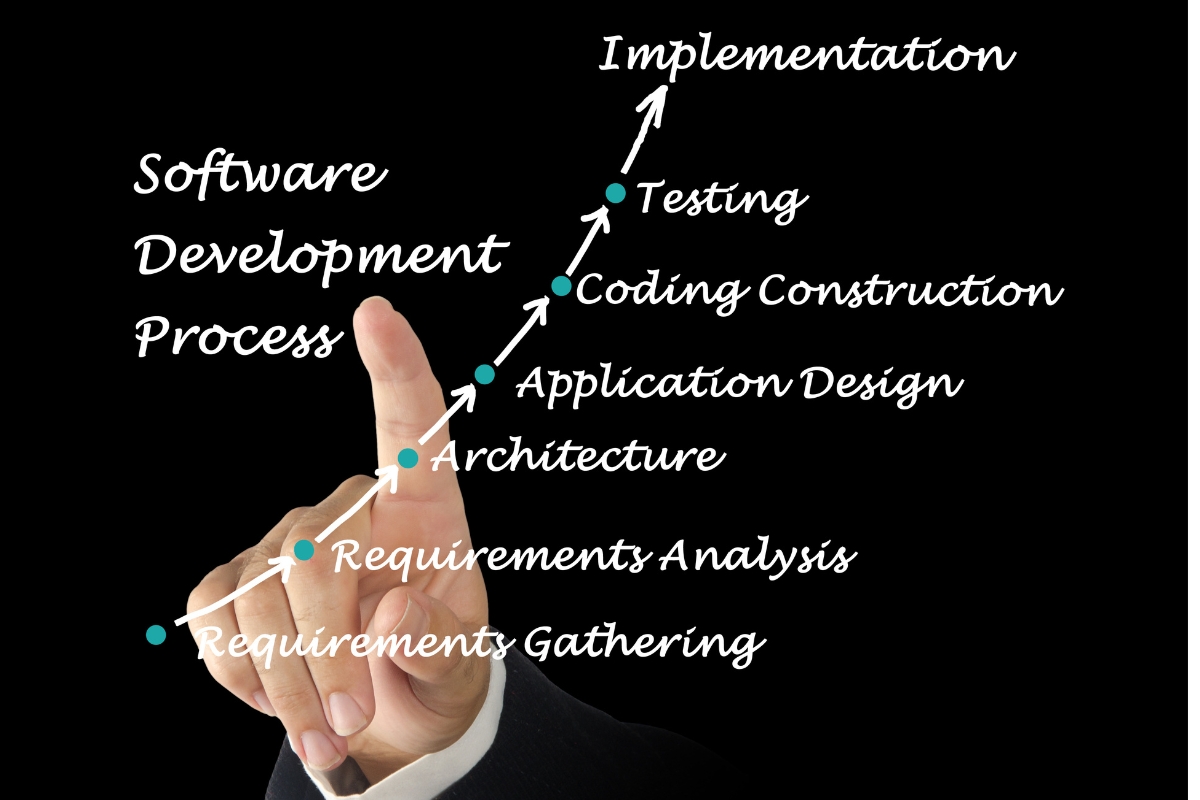
Digital systems development for businesses involves planning, designing, building, testing, and improving software systems that support specific business operations. These systems can manage workflows, customer information, reporting, payments, internal processes, data, automation, and other operational requirements. The goal is to create a digital solution that makes business activities more organized, efficient, and manageable.
2. What Does a Digital Systems Development Company for Businesses Do?
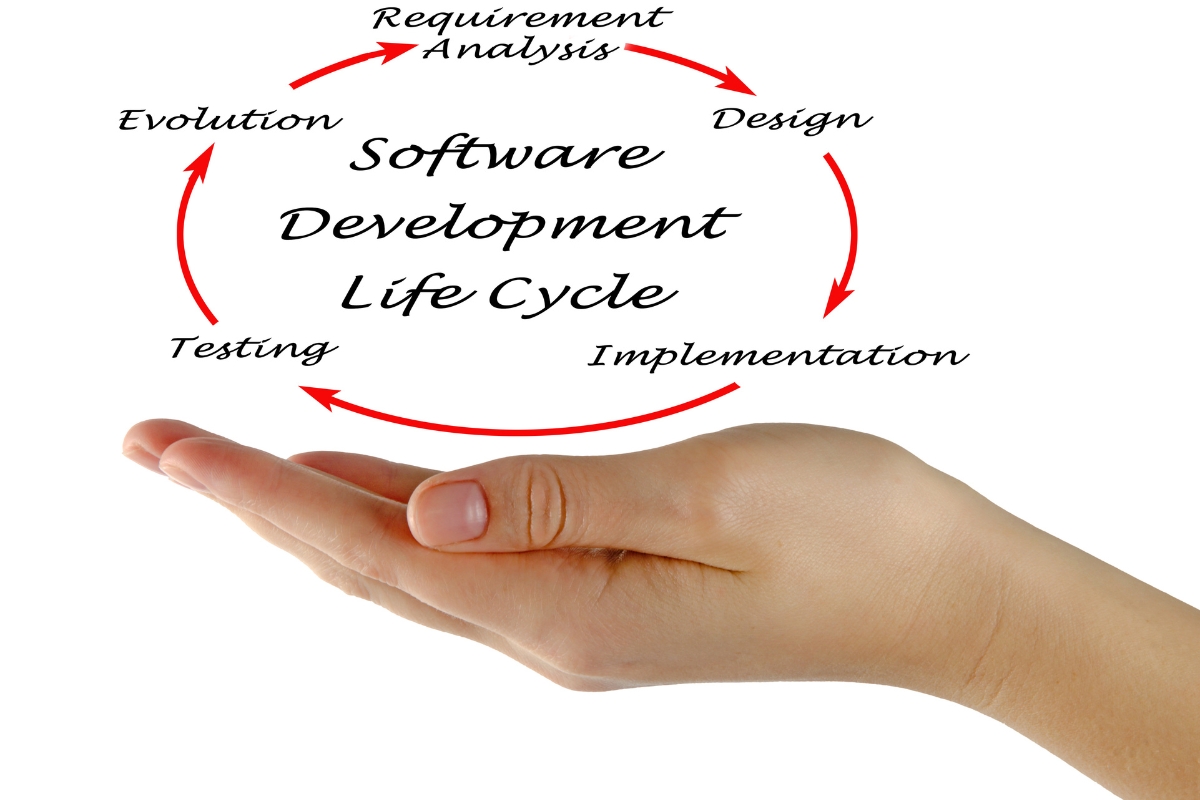
A digital systems development company for businesses helps organizations turn operational requirements into functional digital systems. The process can include requirements analysis, workflow planning, system design, development, integrations, testing, implementation, and ongoing improvements. The right development partner focuses on solving business problems rather than simply delivering software.
3. How Can Digital Systems Transform Business Operations?
Digital systems can transform operations by connecting processes, centralizing information, automating repetitive activities, improving communication, and providing better visibility into performance. They can also reduce manual work and make important information easier for employees and managers to access. The resulting improvements can help businesses operate more consistently and respond more effectively to changing demands.
4. Can Digital Systems Automate Business Processes?
Yes. Digital systems can automate suitable rule-based and repetitive processes such as notifications, reminders, approvals, data updates, reporting, task assignments, and workflow transitions. Automation should be based on genuine business requirements so that it simplifies work without creating unnecessary complexity.
5. Can Digital Systems Integrate With Existing Business Software?
Yes, depending on the platforms involved and the available integration options. Digital systems can use APIs and other appropriate methods to exchange information with websites, payment platforms, accounting applications, customer management tools, and other business software. Proper integration can reduce duplicated data entry and create smoother information flows between systems.
6. How Can Digital Systems Improve Business Productivity?
Digital systems can improve productivity by reducing repetitive work, simplifying workflows, improving access to information, and helping employees coordinate tasks more effectively. They can also reduce errors caused by manual processes and provide faster access to operational information. This allows teams to spend more time on activities that require judgment, creativity, and customer engagement.
7. How Much Does Digital Systems Development Cost?
The cost depends on factors such as system complexity, required functionality, integrations, number of users, security requirements, design needs, automation, and ongoing support. A simple internal system may require a very different investment from a complex platform serving multiple users and business functions. Businesses should define their requirements first so development costs can be assessed against the actual scope of the project.
8. How Long Does It Take to Develop a Digital System?
Development time varies according to the system’s scope, functionality, integrations, testing requirements, and level of customization. Smaller systems may require less development time, while complex business platforms can require several development stages. A clear requirements process and well-defined scope can help create a more realistic project timeline.
9. Can a Digital System Be Customized for a Specific Business?
Yes. Custom digital systems can be designed around a business’s workflows, users, processes, data requirements, integrations, and operational objectives. This allows the system to address requirements that may not be adequately handled by generic software. Customization can also make it easier to build functionality that directly supports the organization’s way of working.
10. How Can Businesses Prepare for Digital Systems Development?
Businesses should begin by identifying the operational problems they want to solve and documenting how their current processes work. They should also identify users, required functionality, existing software, integration requirements, data needs, security considerations, and future growth plans. Clear requirements give the development team a stronger foundation for designing an appropriate solution.
11. Can Digital Systems Support Business Growth?
Yes. A well-planned digital system can support growth by accommodating more users, increasing data volumes, additional workflows, new functionality, and further integrations. Designing with scalability in mind can reduce the need to replace the entire system as requirements change. This allows the business to improve its digital infrastructure progressively as it expands.
12. How Can Smepal Consultancy Agency Help With Digital Systems Development?
At Smepal Consultancy Agency, we help businesses understand their requirements, examine their workflows, define practical functionality, and plan digital systems around their operational goals. We consider integrations, automation, usability, security, scalability, and future improvements throughout the development process. Our goal is to help you build a digital system that solves real business challenges and continues to provide value as your organization grows.
Transform Your Business Operations With Smepal Consultancy Agency Today
Ready to improve how your business operates through a practical digital system? Contact Smepal Consultancy Agency to discuss your operational challenges, review your existing systems and workflows, and identify the functionality, integrations, and automation opportunities your business needs. We can help you define practical improvements and explore a digital systems development solution tailored to your processes, users, and future requirements. Get in touch with Smepal Consultancy Agency today to discuss your needs and take the next step toward a more connected, efficient, and scalable business operation.