How to Choose a Digital Systems Development Company for Your Business
Finding the right technology partner can be challenging when your business needs a digital system built around the way you actually operate. Choosing a digital systems development company is not simply about comparing technical skills or development prices, but about finding a partner that understands your processes, goals, and challenges. So, how do you know which development company can turn your business requirements into a practical system that delivers real value?
Why Choosing the Right Digital Systems Development Company Matters
Choosing the right technology partner can determine whether your digital system solves business challenges or creates new ones. A capable digital systems development company looks beyond coding to understand how the system should support your operations, employees, customers, and long-term goals. Before making a decision, consider how the development partner approaches business problems, system performance, business continuity, and the total cost of implementation:
1. Your System Must Solve a Real Business Problem
A digital system should address a clear business need rather than exist simply because the business wants new technology. The right development company takes time to understand the problem, identify inefficient processes, and determine how technology can improve the way work gets done. This approach helps ensure that the final system supports specific objectives such as reducing manual work, improving customer management, organizing data, automating processes, or strengthening reporting. A company that focuses only on building software may deliver technically functional features without addressing the operational problem that led to the project.
2. Development Decisions Affect Long-Term Operations
The decisions made during development can influence how effectively a system performs long after launch. System architecture, functionality, integrations, security controls, and scalability can affect reliability, maintenance, user experience, and future development requirements. A suitable development partner should therefore consider not only what the business needs today but also how the system may need to evolve as users, data, processes, and integrations increase. Making these decisions carefully from the beginning can reduce technical limitations and make future improvements easier to manage.
3. The Right System Can Improve Business Efficiency
A well-planned digital system can change how employees handle everyday tasks and how information moves across the business. By automating repetitive processes, centralizing information, improving workflows, and providing easier access to business data, the system can reduce unnecessary manual work and improve productivity. The development company should understand where technology can create these improvements rather than simply reproduce existing inefficient processes in digital form. This ensures the investment contributes to measurable operational improvements.
4. The System Must Support Security and Business Continuity
Digital systems often handle important business information, customer records, financial data, employee information, and operational records. Poor development decisions can expose this information to unauthorized access, data loss, or system disruptions that affect daily operations. The right development partner should build security, access controls, backups, monitoring, and appropriate data protection measures into the project from the beginning. Strong planning in these areas helps protect the business and maintain reliable access to critical systems.
5. The Wrong Partner Can Increase Costs
Choosing a development partner based only on the lowest initial price can create higher costs later. Poor planning, unclear communication, unsuitable functionality, weak testing, and ineffective implementation can lead to rework, delays, additional development, and disruption to business operations. A development company should establish clear requirements, communicate project expectations, and build functionality that directly supports the agreed business objectives. Evaluating these factors before development begins can help you avoid unnecessary expenses and achieve better value from your technology investment.
What Should You Look for in a Digital Systems Development Company?
Not every development company approaches business technology projects in the same way. The right partner should combine technical capabilities with an understanding of your operations, requirements, security needs, and future plans. Look for a development company that can demonstrate these qualities before you commit to a project:
1. Business and Industry Understanding
A development company should understand how your business operates before recommending or building a system. This includes learning about your business model, internal processes, customer interactions, operational challenges, and industry-specific requirements. A developer with this understanding can translate business needs into practical functionality instead of creating features that have little value to your team. Strong business understanding also helps the development process remain focused on measurable operational outcomes.
2. Relevant Development Experience
Previous development experience can provide useful insight into whether a company can handle your project’s requirements. Review the types of systems the company has built, the technical challenges involved, and whether its experience relates to your business needs. Consider experience with different levels of system complexity, user requirements, databases, integrations, automation, and reporting. Relevant experience does not mean the company must have built an identical system, but it should demonstrate the technical and problem-solving capabilities required for your project.
3. Strong Requirements Discovery Process
A reliable development company should have a clear process for understanding what you need before development begins. Requirements discovery may involve discussions with stakeholders, workflow analysis, documentation, system mapping, feature prioritization, and project scoping. This process helps identify what the system must do, who will use it, what information it will handle, and how it should interact with existing tools. Thorough planning at this stage can reduce misunderstandings, scope changes, and unnecessary development later.
4. Custom Development Capabilities
Your business may have processes that do not fit neatly into standard software packages. A development company with custom development capabilities can create functionality around your specific workflows, user roles, data structures, and operational requirements. This can be particularly valuable when existing software cannot provide the right combination of features or requires costly workarounds. Custom development should still remain practical, with each feature serving a clear business purpose rather than adding complexity without value.
5. Integration Capabilities
Modern business systems often need to communicate with other applications and platforms. Your development partner should understand how to connect systems through APIs and other appropriate integration methods, including websites, payment platforms, accounting tools, CRM systems, communication platforms, and other third-party applications. Effective integration can reduce duplicate data entry, improve information flow, and allow different parts of the business to work from more consistent data. Ask potential developers about their previous integration experience and how they plan to handle your specific technical environment.
6. Security and Data Protection
Security should be considered throughout development rather than added after the system is complete. A capable development company should plan for authentication, role-based access controls, data protection, backups, monitoring, secure integrations, and appropriate handling of sensitive information. The approach should also account for how users access the system and what information each user is permitted to view or modify. Discuss security requirements early so they can be incorporated into the system architecture and development process.
7. Scalability and Future Development
A system that works for your business today may need to handle significantly more users, data, functionality, and integrations in the future. Your development partner should therefore consider scalability when selecting the architecture, database structure, infrastructure, and overall system design. The company should also be able to support future improvements as your processes and business requirements change. Choosing a partner capable of continued development can help your system grow with the business instead of becoming a limitation.
How Should You Evaluate a Digital Systems Development Company?
Finding a potential development partner is only the beginning of the selection process. You need to evaluate how the company works, what it has delivered, how it communicates, and whether its technical approach fits your business requirements. A practical evaluation should consider the following areas:

1. Review Their Portfolio
A development company’s portfolio can show the types of systems it has built and the complexity of projects it can handle. Look for projects that demonstrate experience with business management systems, customer platforms, workflow automation, dashboards, integrations, or other functionality relevant to your requirements. Pay attention to how the systems appear to solve specific business problems rather than focusing only on visual design. A strong portfolio should give you confidence that the company can turn business requirements into functional digital solutions.
2. Check Client Experience and References
Client feedback can provide insight into what it is actually like to work with a development company. Review testimonials, case studies, online feedback, and references that demonstrate how previous projects were planned, developed, implemented, and supported. Where possible, ask about communication, reliability, adherence to agreed requirements, problem-solving, and post-launch support. This can help you identify whether the company’s positive claims are supported by real client experiences.
3. Assess Their Communication Process
Clear communication is essential throughout digital systems development because projects often involve technical decisions, changing requirements, testing, and implementation. Ask how the company provides project updates, documents requirements, handles questions, reports progress, and communicates potential issues. You should also understand who will be responsible for communicating with your business and how quickly you can expect responses. A development partner that communicates consistently can make the project easier to manage and reduce misunderstandings.
4. Understand Their Development Process
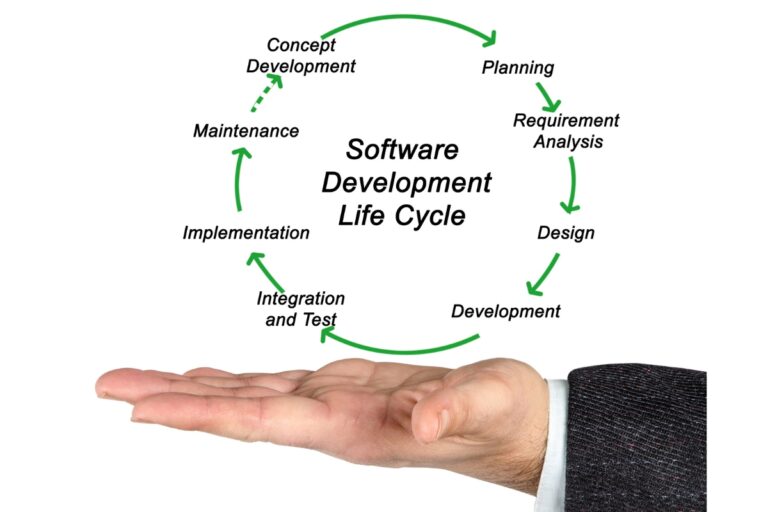
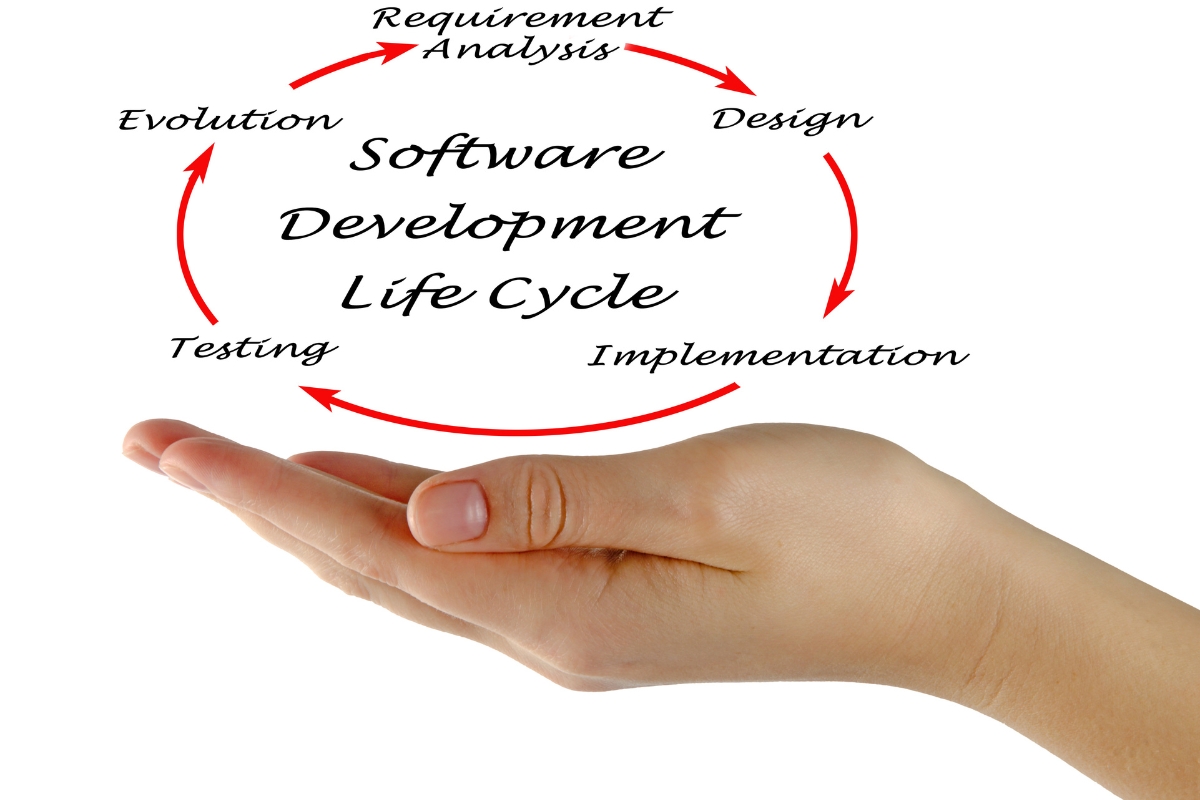
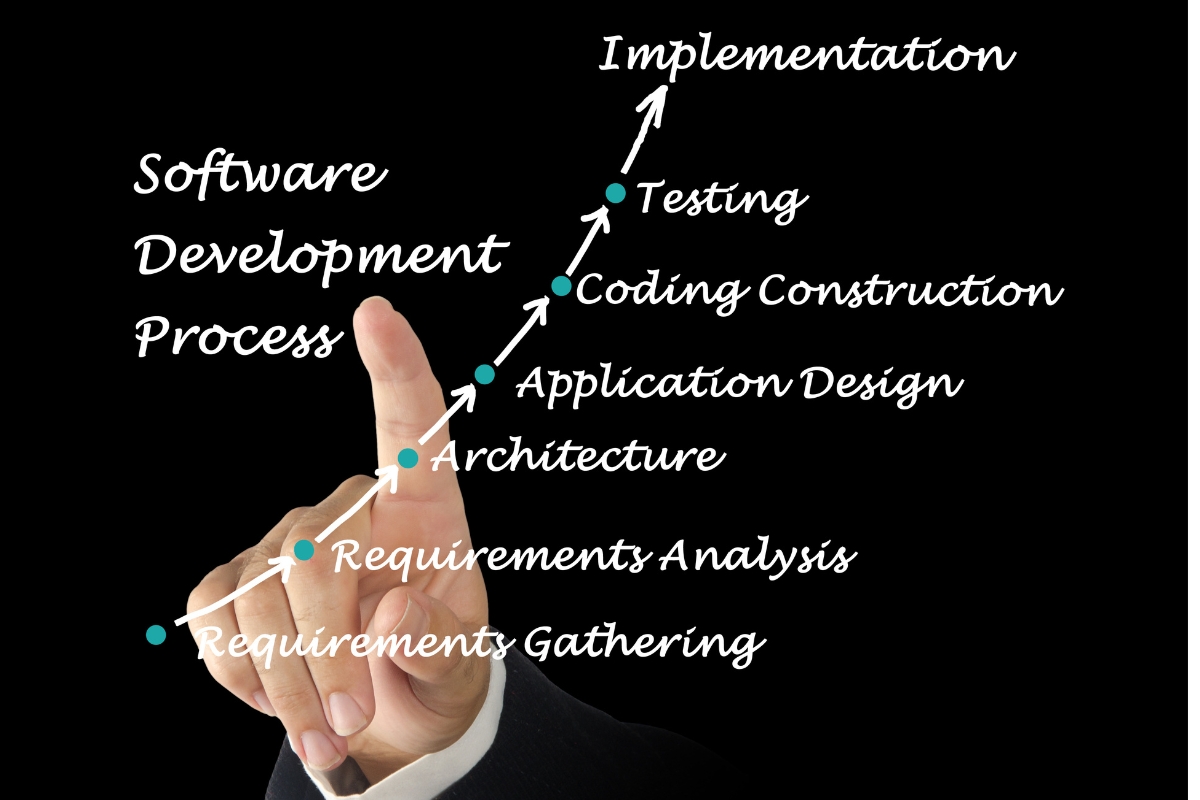
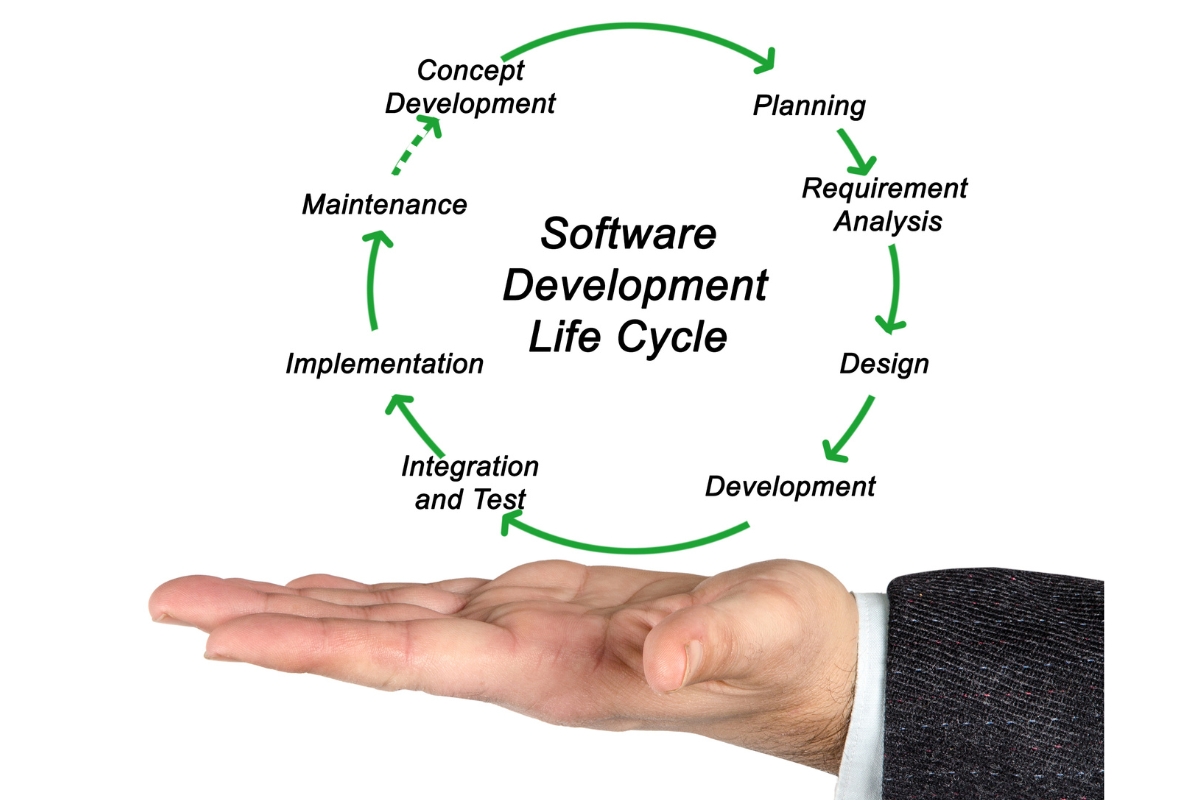
A professional development process should provide a clear path from the initial business discussion to the completed system. Ask how the company handles discovery, requirements gathering, planning, system design, development, testing, implementation, training, and post-launch support. Understanding these stages helps you know what to expect and where your business will be involved. It also makes it easier to identify gaps in planning before development begins.
5. Evaluate Their Technical Approach
You should understand the technical foundation proposed for your digital system rather than accepting technical decisions without explanation. Discuss the technologies, system architecture, database structure, hosting environment, integrations, security approach, and other technical considerations that may affect performance and future development. A capable development partner should be able to explain these choices in practical terms and connect them to your business requirements. This helps ensure the proposed technology is appropriate for your current needs and capable of supporting future growth.
6. Assess Their Problem-Solving Ability
Digital systems development can involve unexpected technical, operational, or integration challenges. The right development partner should be able to investigate these challenges, explain the available options, and recommend practical solutions based on your business priorities. During your evaluation, pay attention to how the company responds when you describe a difficult requirement or an existing operational problem. A strong problem-solving approach shows that the company can adapt when the project does not follow the original plan.
What Questions Should You Ask a Digital Systems Development Company?
Asking the right questions can help you determine whether a development company is suitable for your business and its technical requirements. The discussion should go beyond programming skills to cover requirements, project management, integrations, security, costs, and ongoing support. Before choosing a partner, ask questions that reveal how the company will approach your project from planning through long-term support:

1. How Will You Understand Our Business Requirements?
A development company should have a clear process for understanding your business before recommending a solution. Ask how they will gather requirements, analyze workflows, identify operational challenges, and determine which features the system needs. The process may include stakeholder discussions, workflow mapping, documentation, and requirements analysis to create a clear project scope. A strong discovery process helps ensure that the system reflects how your business actually operates rather than relying on assumptions.
2. What Development Process Do You Follow?
Understanding the development process helps you know what to expect throughout the project. Ask how the company moves from discovery and planning to design, development, testing, implementation, training, and post-launch support. You should also understand when your team will review progress, provide feedback, approve functionality, and participate in testing. A clearly defined process creates accountability and makes it easier to track whether the project is progressing as expected.
3. How Will You Handle Changes to the Project Scope?
Business requirements can change as development progresses and users gain a better understanding of what the system needs to do. Ask how the company handles requests for additional features, changes to existing functionality, or adjustments to the original requirements. The development partner should explain how these changes may affect costs, development time, testing, and the final delivery date. Having a clear change management process can prevent misunderstandings and unexpected expenses.
4. How Will the System Integrate With Our Existing Tools?
Your new system may need to exchange information with websites, payment platforms, accounting software, CRM systems, communication tools, or other business applications. Ask the development company which integration methods it recommends and whether it has experience working with the platforms you already use. Discussing integrations before development starts allows the team to identify technical limitations, data requirements, API availability, and potential additional costs. Early planning also helps create a system that works as part of your existing technology environment.
5. How Will You Approach Security and Data Protection?
Security should be part of the development strategy from the beginning rather than an afterthought. Ask how the company will manage user access, authentication, permissions, data protection, backups, monitoring, and protection against unauthorized access. You should also understand how sensitive information will be stored and what measures will help protect the system from data loss or security incidents. Clear answers to these questions can help you assess whether the development partner takes the protection of your business information seriously.
6. What Support Will You Provide After Launch?
Launching the system does not necessarily mark the end of the development relationship. Ask what support is available for troubleshooting, maintenance, security updates, performance improvements, bug fixes, user assistance, and future functionality. You should also clarify whether post-launch support is included in the project cost or provided under a separate agreement. Understanding these arrangements before development begins can help you plan for the system’s ongoing maintenance and future improvement.
How Much Does It Cost to Hire a Digital Systems Development Company?
The cost of hiring a digital systems development company depends on what your business needs the system to accomplish. There is no single price that applies to every project because system complexity, functionality, integrations, users, security, and implementation requirements can vary significantly. Before setting a development budget, consider the factors that can influence the overall investment:
1. System Complexity
The size and technical complexity of a system can have a significant effect on development costs. A simple system with a limited number of functions generally requires less development work than a complex platform with multiple user roles, interconnected modules, automation, reporting, and advanced workflows. The architecture, database requirements, infrastructure, and technical challenges involved can also influence the amount of development work required. A digital systems development company should assess these requirements before providing a realistic project estimate.
2. Features and Functionality
The features your business requires will directly influence the development investment. Basic functions such as user accounts, dashboards, forms, and record management may require less work than advanced features such as automated workflows, real-time reporting, complex calculations, advanced search, or specialized business processes. The number of features also matters because every additional function may require design, development, testing, and ongoing maintenance. Prioritizing essential functionality can help businesses manage costs while ensuring the system addresses their most important needs.
3. Integrations and Automation
Connecting a new system to third-party platforms can increase the technical requirements of a project. Integrations with payment platforms, accounting software, CRM systems, websites, communication tools, or other applications may require APIs, data synchronization, authentication, and additional testing. Automated workflows can also require more development work because the system must perform actions based on specific rules, events, or conditions. Discussing these requirements with a digital systems development company early can help identify the technical work and costs involved.
4. User and Data Requirements
The number of people using the system and the amount of information it needs to handle can affect development requirements. A system serving a small internal team may have different infrastructure, access control, and performance requirements from one designed for hundreds or thousands of users. User roles and permissions can also add complexity when different employees, customers, administrators, or partners require different levels of access. Data volumes, storage requirements, search performance, and reporting needs should therefore be considered when estimating the overall project cost.
5. Design, Testing, and Implementation
The development budget should account for more than writing the software itself. Interface design, user experience, testing, deployment, data migration, configuration, user training, and implementation can all require additional time and resources. Thorough testing is particularly important because the system needs to function correctly across its intended workflows, users, devices, and integrations. A complete project estimate should therefore consider the work required to move the system from development into reliable day-to-day business use.
6. Ongoing Support and Maintenance
The cost of a digital system does not necessarily end when the initial development project is complete. Businesses may need ongoing maintenance, troubleshooting, security updates, performance monitoring, backups, hosting, technical support, and additional functionality as their requirements change. These expenses form part of the system’s total cost of ownership and should be considered when comparing development options. Discussing ongoing support with your digital systems development company from the beginning can help you understand the long-term financial commitment and plan your technology budget more effectively.
What Red Flags Should You Avoid When Choosing a Development Company?
Choosing a development partner requires more than comparing portfolios, prices, and technical skills. Some warning signs can indicate that a digital systems development company may not provide the planning, communication, security, or support your business requires. Watch for these red flags before signing an agreement or starting development:

1. Promising Unrealistic Results
Be cautious when a development company guarantees an unusually short timeline, exceptional results, or a highly complex system at an extremely low price without first understanding your requirements. Every digital system has different development, testing, integration, and implementation needs, making unrealistic promises difficult to justify before proper discovery. A professional provider should explain what is achievable, identify potential challenges, and provide realistic expectations based on the project’s scope. Clear estimates are generally more useful than promises designed simply to win the project.
2. Focusing Only on Coding
Software development is not only about writing code. A company that focuses heavily on technical implementation without understanding your business processes, users, objectives, and operational challenges may build functionality that does not solve the actual problem. The development partner should connect technical decisions to specific business requirements and explain how the proposed system will improve your operations. Strong business understanding should therefore be part of the development process from discovery through implementation.
3. Providing an Unclear Project Scope
Starting development without a clearly defined scope can create confusion about what the project will deliver. Important areas such as functionality, deliverables, timelines, responsibilities, integrations, revisions, and payment arrangements should be discussed before development begins. An unclear scope can lead to disagreements when one party expects features or services that were never included in the original agreement. A clear project scope gives both the business and development company a shared understanding of what will be built.
4. Avoiding Security Discussions
Security should never be treated as an optional feature that can be addressed after the system is completed. A development company should be willing to discuss authentication, user permissions, data protection, backups, monitoring, secure integrations, and other relevant security requirements during the planning stage. Avoiding these discussions may indicate that important risks have not been properly considered. Businesses should expect their development partner to explain how the proposed system will protect information and control access.
5. Offering Limited Post-Launch Support
A system may require troubleshooting, updates, maintenance, security improvements, performance monitoring, or additional functionality after it goes live. Choosing a provider that offers little or no support after launch can leave your business responsible for resolving technical problems without the necessary expertise. Before selecting a digital systems development company, ask what support is available, how issues are reported, and whether maintenance is included or charged separately. Clear post-launch arrangements can make it easier to keep the system reliable as your business continues using it.
6. Poor Communication
Weak communication can create misunderstandings about requirements, timelines, costs, responsibilities, and changes to the project. Delayed responses or limited progress updates can also make it difficult for your business to identify problems before they affect implementation. Pay attention to how the development company communicates during the initial discussions because this can provide an indication of how the project relationship may work later. A reliable partner should provide clear updates, document important decisions, respond to concerns, and communicate changes promptly.
How Can You Prepare Before Approaching a Digital Systems Development Company?
Approaching a development partner with a clear understanding of your business needs can make the early stages of a project more productive. Preparation helps a digital systems development company understand your challenges, assess the required functionality, and develop a more realistic approach to the project. Before starting discussions, prepare the following information:
1. Define Your Business Challenge
Start by identifying the specific problem you want the digital system to solve. This could involve excessive manual work, disorganized information, inefficient workflows, poor customer management, limited reporting, or difficulties connecting existing business tools. A clearly defined challenge gives the development company a useful starting point for understanding what the system needs to accomplish. It also helps prevent the project from becoming focused on technology without a clear business purpose.
2. Document Your Existing Workflows
Document how important processes currently work within your business. Identify the people involved, the steps they follow, the tools they use, the information they handle, and the points where delays or errors commonly occur. Workflow documentation gives the development team a clearer picture of your current operations and helps identify opportunities for automation or improvement. Even simple process notes or flow diagrams can make requirements discussions more productive.
3. List Essential Requirements
Create a list of the functionality you believe the system needs and separate essential requirements from optional ideas. Essential features should directly support the business problems and outcomes you have identified, while optional features can be considered later. This prioritization helps control project scope and allows the development team to focus resources on the functionality that provides the greatest value. It also creates a clearer basis for discussing timelines and development costs.
4. Identify Existing Systems
Prepare a list of the websites, software, payment platforms, databases, communication tools, accounting systems, CRM platforms, and other technologies your business currently uses. Identify which systems the new solution needs to connect with and what information may need to move between them. This information helps the development company assess integration requirements before technical planning begins. Early identification of these dependencies can also reveal potential compatibility challenges and additional development requirements.
5. Establish Your Budget and Priorities
Understand how much your business can reasonably invest in the project before development discussions begin. Your budget does not need to determine every technical decision, but it helps the development company recommend an approach that matches your available resources and priorities. Consider which functionality should be included in the initial system and which features can be introduced during later development phases. A clear understanding of investment capacity can help create a more practical project plan.
6. Define Your Expected Outcomes
Determine what you want the system to improve once it is implemented. Your expected outcomes could include reducing processing time, automating repetitive tasks, improving customer service, increasing reporting accuracy, reducing data entry, or giving managers better visibility into operations. Establishing measurable outcomes gives the development project a clear purpose and provides a basis for evaluating its success after launch. It also helps the development company connect proposed functionality to the business value you expect to achieve.
Why Choose Smepal Consultancy Agency as Your Digital Systems Development Company?
At Smepal Consultancy Agency, we approach digital systems development as a business improvement project rather than simply a software development exercise. We take time to understand how your business operates, where challenges exist, and how a practical digital system can improve workflows, information management, automation, and long-term growth. Our approach focuses on building solutions around your actual requirements while considering integration, security, scalability, usability, and continued development:
1. We Start With Your Business Requirements
We begin by understanding the business problem you want to solve and the objectives you want the system to achieve. Our process considers your users, existing processes, operational challenges, required functionality, and expected outcomes before development begins. This gives us a clearer foundation for translating your business requirements into a practical digital solution. By starting with the business rather than the technology, we can focus development on functionality that provides genuine value.
2. We Analyze Your Existing Workflows
We examine how your business currently handles its important processes, information, users, and daily tasks. This helps us identify repetitive work, bottlenecks, unnecessary manual processes, data management challenges, and areas where technology could improve efficiency. Understanding your existing workflows also helps us determine which processes should be maintained, improved, automated, or redesigned. Our goal is to ensure the proposed system fits naturally into your operations while addressing existing inefficiencies.
3. We Build Around Your Specific Needs
Every business has its own workflows, users, operational requirements, and ways of managing information. We therefore develop functionality around your specific needs rather than forcing your business to adapt entirely to a fixed software structure. This can include customized dashboards, user roles, workflows, records, reports, automation, and other system features relevant to your operations. Our approach helps create a solution that supports how your business actually works.
4. We Plan for Integration and Automation
We consider how the new system can work with the technology your business already uses. This includes identifying existing websites, payment platforms, accounting tools, CRM systems, databases, APIs, and other applications that may need to exchange information with the system. We also look for repetitive processes that can be automated to reduce manual work and improve consistency. Planning these requirements early helps create better data flows and a more connected business technology environment.
5. We Consider Security and Scalability
We consider security and future growth as part of the system development process. Our planning can account for user authentication, access controls, permissions, data protection, backups, and other measures relevant to the system’s requirements. We also consider how the system may need to accommodate more users, data, functionality, and integrations as your business grows. This helps create a solution that can remain useful as your operational requirements evolve.
6. We Focus on Practical Business Value
We prioritize functionality that addresses genuine business requirements rather than adding features simply because they are technically possible. Every major system component should have a clear purpose and contribute to improved efficiency, better information management, stronger customer service, automation, reporting, or another defined business objective. This practical approach helps businesses invest in functionality that supports measurable operational improvements. We aim to make technology useful to the people who rely on it every day.
7. We Support Continued Development
Your business requirements may change after the initial system is launched. New users, processes, integrations, reporting needs, and operational challenges may create opportunities for further development and improvement. Smepal Consultancy Agency can continue working with your business to identify these needs, improve existing functionality, resolve technical issues, and expand the system where appropriate. This ongoing approach allows your digital system to develop alongside your business rather than becoming a static solution.
Frequently Asked Questions About Choosing a Digital Systems Development Company
Choosing the right development partner can raise important questions about technical capabilities, costs, timelines, security, and ongoing support. Understanding these areas can help businesses make a more informed decision before committing to a development project. The following FAQs address common questions businesses may have when choosing a digital systems development company:
1. What Does a Digital Systems Development Company Do?
A digital systems development company designs and builds software solutions that address specific business requirements. Its work may include requirements analysis, system design, development, integrations, automation, testing, implementation, and ongoing support. The goal is to create a digital system that helps a business manage processes, information, users, and operations more effectively.
2. How Do I Choose the Right Digital Systems Development Company?
Start by assessing the company’s business understanding, relevant experience, development process, communication, technical capabilities, security approach, and post-launch support. Review its portfolio and client experience, then discuss your requirements to determine how well the company understands your business challenge. A suitable partner should be able to explain a practical development approach that aligns with your objectives and budget.
3. What Should I Look for in a Development Company?
Look for a company that combines technical expertise with strong business and problem-solving skills. Consider its experience, requirements discovery process, custom development capabilities, integration experience, security practices, scalability approach, communication, and ongoing support. The right provider should focus on solving your business problem rather than simply selling technical features.
4. How Do I Know if a Developer Understands My Business?
A developer should ask detailed questions about your business model, workflows, users, challenges, existing tools, and expected outcomes. They should be able to explain your requirements back to you and connect proposed system functionality to specific business objectives. A strong discovery process is a good indication that the developer is interested in understanding your operations before starting development.
5. Should I Choose a Local Digital Systems Development Company?
A local development company can make communication, meetings, collaboration, and understanding of the local business environment easier. However, location should not be the only factor when choosing a development partner. Consider the company’s capabilities, experience, communication, project process, security practices, and ability to provide the support your business requires.
6. How Much Does It Cost to Hire a Digital Systems Development Company?
The cost varies depending on system complexity, features, integrations, users, data requirements, design, testing, implementation, and ongoing support. A simple business system will generally have different development requirements from a complex platform with multiple integrations and automated workflows. The best way to establish a realistic budget is to define your requirements and obtain a project assessment based on the scope.
7. How Long Does Digital Systems Development Take?
Development timelines depend on the complexity and scope of the system. Requirements discovery, design, development, integrations, testing, data migration, user feedback, and implementation can all affect the delivery timeline. A development company should provide a realistic estimate after understanding your requirements rather than promising an arbitrary completion date.
8. Can a Development Company Integrate My Existing Software?
Yes, a development company can often integrate a new system with existing software where the required integration methods and technical access are available. This may include websites, payment platforms, accounting software, CRM systems, databases, and other business applications. Integration requirements should be discussed during the planning stage so the development team can assess APIs, data flows, authentication, compatibility, and other technical considerations.
9. What Should I Prepare Before Starting Development?
Prepare information about your business challenge, existing workflows, users, required functionality, current software, integration needs, budget, and expected outcomes. Separating essential requirements from optional features can also help keep the initial project focused. Providing this information gives the development company a stronger foundation for understanding your needs and preparing an appropriate solution.
10. Does a Digital Systems Development Company Provide Ongoing Support?
Many development companies provide post-launch support, although the specific services and terms vary between providers. Support may include troubleshooting, maintenance, security updates, performance improvements, backups, bug fixes, and future development. Ask about ongoing support before signing an agreement so you understand what is included and how additional services are handled.
11. Can a Digital System Be Scaled as My Business Grows?
Yes, a digital system can be designed with future growth in mind. Developers can consider increasing users, larger data volumes, additional functionality, new integrations, and changing operational requirements during system architecture and development. Discussing your future plans early allows the development team to create a solution that can evolve rather than require a complete replacement as your business grows.
12. Why Choose Smepal Consultancy Agency for Digital Systems Development?
Smepal Consultancy Agency takes a business-focused approach to digital systems development. We begin by understanding your requirements, workflows, users, challenges, and objectives before planning the appropriate functionality, integrations, automation, security, and scalability. We can work with your business to build practical digital systems and support continued improvements as your requirements evolve.
Choose the Right Digital Systems Development Company With Smepal Consultancy Agency Today
Ready to build a digital system that addresses your business’s actual operational needs? Contact Smepal Consultancy Agency to discuss your current challenges, technology requirements, workflows, existing tools, and processes with our team. We can help you define the required functionality, integrations, automation, security, scalability, budget, and implementation approach for a practical solution built around your business. Contact Smepal Consultancy Agency today and start discussing your digital systems development project with a partner focused on turning your business requirements into a useful digital solution.