
How Custom Software Development Helps Businesses Build Scalable Digital Operations
As businesses grow, existing digital tools can struggle to keep pace with increasingly complex operations and changing demands. More customers, employees, data, transactions, and processes can expose the limitations of disconnected systems, rigid software, and manual workflows that were once sufficient. Custom software provides an opportunity to build digital systems around a business’s actual workflows, requirements, users, and long-term growth objectives rather than forcing operations into predefined structures. Through custom software development in Kenya, businesses can create scalable digital operations that improve efficiency, connect essential processes, and adapt as their operational needs continue to evolve.
Overview of Contents
ToggleWhat Is Custom Software Development?
Custom software development involves creating digital systems specifically around the needs, processes, and objectives of a particular business. Unlike ready-made solutions that provide predetermined features and workflows, custom development allows functionality to reflect how an organization actually operates. Understanding how custom software is developed, what distinguishes it from ready-made solutions, and where it can support business operations helps organizations make better technology decisions:
1. What Is Custom Software Development?
Custom software development is the process of designing and building software around the specific requirements of a business rather than forcing its operations into a predetermined system. The development process can address particular workflows, user roles, data requirements, integrations, and operational challenges that generic software may not adequately support. For businesses exploring custom software development in Kenya, this approach can provide a digital system that fits their existing operations while allowing room for future improvements and growth.
2. How Does Custom Software Development Work?
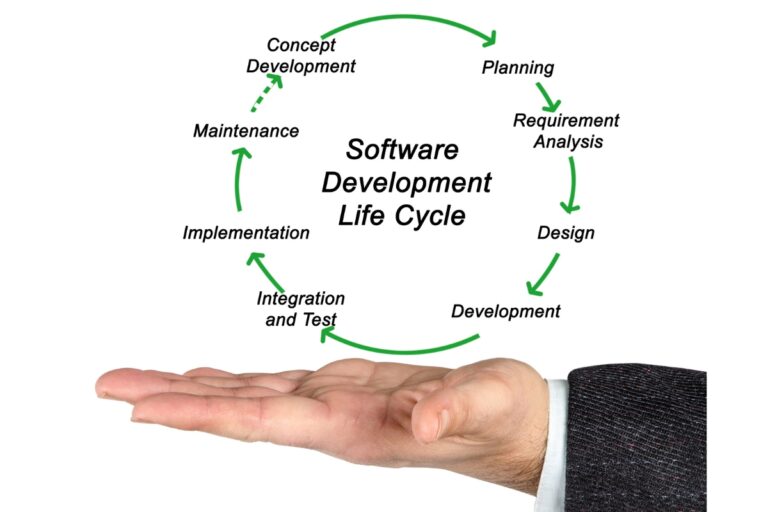
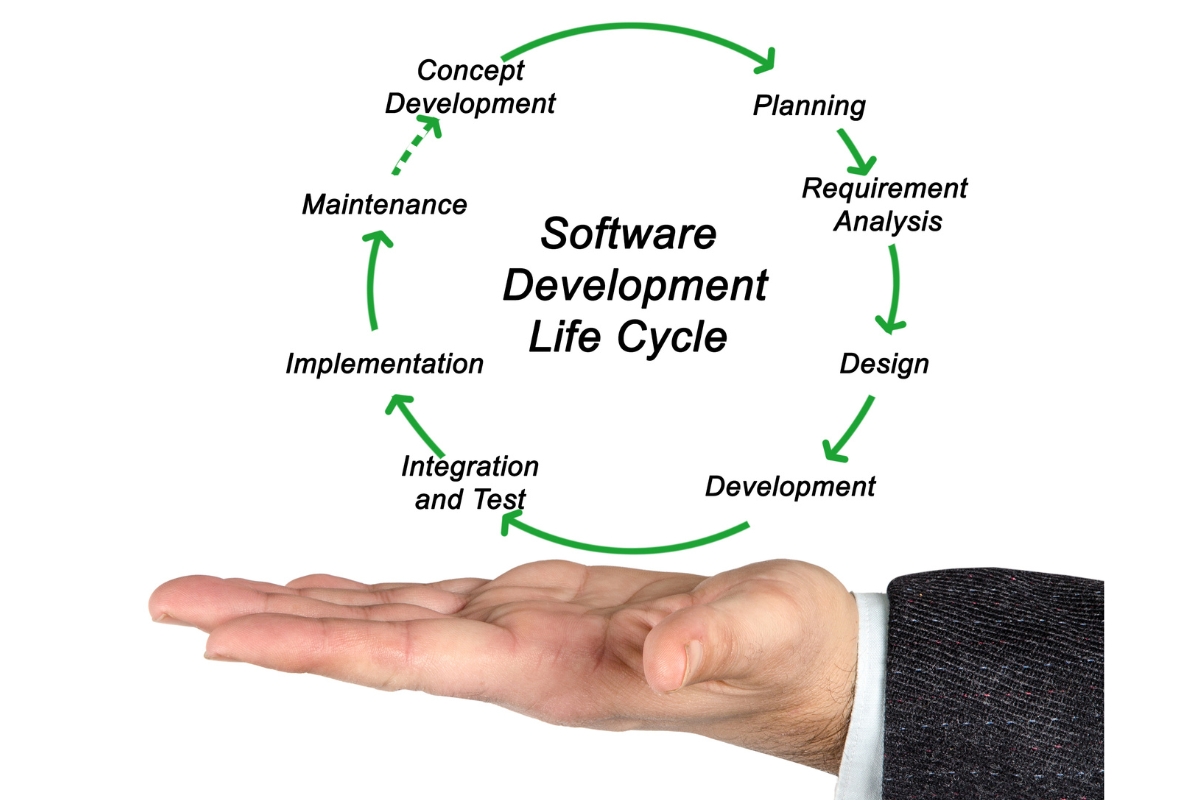
Custom software development typically begins with business analysis and requirements gathering to understand what the organization needs the system to achieve. These requirements then inform system architecture, user experience and interface design, development, integrations, testing, deployment, and subsequent improvements. A structured development process helps ensure that the final system solves genuine business problems rather than simply adding technology without a clear operational purpose.
3. How Is Custom Software Different From Ready-Made Software?
Ready-made software is generally built for a broad market and provides standardized functionality that businesses can configure within predefined limits. Custom software, by contrast, can be designed around specific business processes, integrations, user requirements, and scalability needs, giving organizations greater control over how the system operates and evolves. The right choice depends on factors such as business requirements, budget, implementation timelines, ownership considerations, integration needs, and whether available ready-made solutions can adequately support the organization’s operations.
4. What Types of Business Operations Can Custom Software Support?
Custom software can support many areas of business operations depending on the organization’s requirements and objectives. A tailored system can manage customer information, internal workflows, bookings, payments, documents, reporting, dashboards, customer portals, approvals, notifications, and repetitive processes through automation. By bringing relevant functions into a connected digital environment, businesses can reduce reliance on multiple disconnected tools and create workflows that better reflect their day-to-day operations.
5. Why Is Business Analysis Important Before Development?
Business analysis helps identify the operational problems, processes, users, and objectives that software needs to address before development begins. Without this step, a business may invest in features that provide little practical value or create a system that does not align with how employees and customers actually interact with its processes. Understanding the business first allows a development partner to recommend appropriate functionality, integrations, automation opportunities, and system structures based on genuine operational requirements.
Why Do Businesses Need Scalable Digital Operations?
Business growth can increase operational demands faster than existing tools and processes can accommodate them. More customers, employees, transactions, data, and business activities can place pressure on systems that were designed for smaller or simpler operations. Scalable digital operations provide the foundation businesses need to manage this increasing complexity while continuing to improve efficiency and maintain control:

1. Growing Businesses Handle More Operational Complexity
As a business expands, it typically manages more customers, employees, transactions, services, locations, and internal processes. Activities that were once easy to coordinate manually can become difficult when several departments and users need to access or update information simultaneously. Scalable digital systems help businesses organize this growing complexity without relying on increasingly complicated manual coordination.
2. Manual Processes Become Harder to Manage
Spreadsheets, emails, paper records, and repetitive administrative tasks can become inefficient as transaction volumes and workloads increase. Employees may spend more time entering information, searching for records, following up on tasks, or moving data between different systems instead of focusing on productive activities. Digital workflows and automation can reduce this burden by handling recurring processes more consistently and efficiently.
3. Disconnected Systems Create Information Gaps
When different departments rely on separate applications, spreadsheets, or databases, important business information can become fragmented across multiple locations. Employees may struggle to find current information, while managers can have difficulty obtaining a complete view of business performance and ongoing activities. Connecting relevant systems can reduce these information gaps and create a more consistent flow of data across the organization.
4. Rigid Software Can Limit Business Growth
Software that offers limited customization may work well initially but become restrictive when a business introduces new services, processes, users, or operational requirements. Employees may resort to workarounds, additional spreadsheets, or separate applications to compensate for functionality the existing system cannot provide. Custom software development in Kenya can help businesses explore systems designed around their specific requirements while allowing functionality to evolve as those requirements change.
5. Scalable Systems Support Sustainable Growth
A scalable digital operation can accommodate increasing users, data, transactions, workflows, and business activities without requiring the organization to repeatedly replace its core systems. Businesses can plan their digital infrastructure around both current requirements and realistic future needs, making it easier to introduce new functionality as operations expand. This creates a stronger foundation for sustainable growth and allows technology to support business development rather than become an operational constraint.
How Does Custom Software Development Support Business Scalability?
Business scalability requires digital systems that can accommodate growth without creating unnecessary operational complexity. As organizations gain more customers, employees, data, services, and locations, their software needs to evolve alongside those changes. Custom software development in Kenya can help businesses plan digital systems around both current operations and future scalability requirements:

1. Software Can Be Designed Around Current Business Processes
Custom software can be structured around the workflows a business already uses instead of requiring employees to significantly change how they perform essential tasks. Developers can assess processes such as customer management, approvals, reporting, bookings, sales, service delivery, or internal coordination and translate relevant requirements into system functionality. This approach allows custom software development in Kenya to focus on practical business needs while creating a foundation that can be expanded as operations grow.
2. Systems Can Accommodate More Users
Growing businesses often need software that can support increasing numbers of employees, customers, administrators, managers, and other users. Custom systems can include role-based permissions that determine what different users can view, edit, approve, or manage within the platform. With careful planning, custom software development in Kenya can therefore create user structures that support organizational growth without giving every user access to the same information or functionality.
3. Software Can Handle Increasing Business Data
Business growth generates more customer records, transactions, documents, reports, communications, and operational data that must be stored and accessed efficiently. Custom software can be designed with appropriate data structures, search functionality, reporting capabilities, and integrations to help businesses manage this increasing information more effectively. As part of custom software development in Kenya, data requirements can be considered during system planning so that the platform is built with realistic current and future operational demands in mind.
4. New Features Can Be Added as Requirements Change
Business requirements rarely remain unchanged as an organization introduces new products, services, departments, or ways of serving customers. A custom system can be developed with an architecture that allows additional functionality to be introduced when there is a genuine business need. This flexibility makes custom software development in Kenya particularly relevant for businesses that want their digital systems to evolve instead of repeatedly replacing software whenever their requirements change.
5. Workflows Can Expand With Business Growth
A growing organization may move from simple approval processes to more complex workflows involving multiple employees, departments, conditions, and stages. Custom software can accommodate these requirements by creating digital workflows for assignments, approvals, notifications, escalations, data collection, and task tracking. Through custom software development in Kenya, businesses can progressively improve these workflows as their operations become more complex while reducing dependence on additional disconnected applications.
6. Systems Can Support Multiple Locations or Business Units
Expansion into new branches, departments, regions, or markets can create additional requirements for managing users, customers, transactions, inventory, services, and reporting across different parts of the organization. Custom platforms can be designed to accommodate multiple business units while maintaining appropriate access controls and centralized visibility where required. With custom software development in Kenya, businesses can plan for this type of expansion from the beginning rather than having to restructure their entire digital environment when they grow.
How Custom Software Improves Business Process Efficiency
Efficient business processes depend on reducing unnecessary manual work, improving coordination, and ensuring that information moves through the organization effectively. Custom software can target specific operational bottlenecks rather than adding generic features that do not address the underlying problems. Through custom software development in Kenya, businesses can use automation, connected workflows, and centralized information to make everyday processes more efficient:

1. Automating Repetitive Tasks
Employees often spend significant time performing repetitive activities such as sending notifications, updating records, generating routine documents, assigning tasks, or transferring information between systems. Custom software can automate suitable parts of these processes based on predefined rules and business requirements. Custom software development in Kenya can therefore help organizations reduce repetitive administrative workloads while allowing employees to dedicate more time to activities that require judgment, communication, and problem-solving.
2. Standardizing Business Workflows
Inconsistent processes can lead to different employees handling the same task in different ways, making performance difficult to monitor and maintain. Custom software can establish structured workflows that define the steps, responsibilities, approvals, and information required for recurring business activities. This allows custom software development in Kenya to turn important operational procedures into consistent digital processes that are easier to follow, monitor, and improve.
3. Reducing Manual Data Entry
Repeatedly entering the same customer, transaction, or operational information into separate systems increases workloads and creates opportunities for inconsistencies. Connected custom software can allow relevant information to move between functions or integrated platforms without requiring employees to repeatedly enter identical data. By reducing unnecessary data entry, custom software development in Kenya can improve efficiency while helping businesses maintain more consistent records across their digital operations.
4. Improving Task Coordination
Business activities often involve several people completing tasks, reviewing information, providing approvals, or responding to specific triggers. A custom system can centralize assignments, workflow stages, approvals, notifications, and task statuses so employees can understand what needs to happen next. This makes custom software development in Kenya useful for organizations that need stronger coordination across teams and want to reduce delays caused by unclear responsibilities or scattered communication.
5. Reducing Operational Errors
Manual processes and inconsistent procedures can increase the likelihood of incorrect data entry, missed steps, duplicated records, or overlooked tasks. Custom software can introduce validation rules, required fields, automated calculations, permissions, and predefined workflows that reduce some of these avoidable errors. With careful requirements analysis, custom software development in Kenya can therefore improve process consistency while helping businesses establish stronger controls around important operational activities.
6. Speeding Up Routine Business Activities
Employees can complete routine processes faster when relevant information, tools, tasks, and approvals are available within a connected digital environment. Automation can handle suitable repetitive steps, while centralized information reduces the time spent searching across spreadsheets, emails, and separate applications. By combining these capabilities, custom software development in Kenya can help businesses shorten process times and create more efficient digital operations as their workloads increase.
How Custom Software Connects Business Systems
Businesses often use multiple applications to manage customers, finances, communication, operations, and other functions, but these tools may not always share information effectively. When systems operate in isolation, employees may need to transfer data manually, switch between platforms, or maintain duplicate records. Custom software development in Kenya can help businesses connect relevant applications and create a more coordinated digital environment:

1. Integrating Existing Business Applications
Custom software does not necessarily require a business to replace every application it already uses. Instead, a tailored system can connect relevant existing tools where appropriate, allowing information to move between platforms and reducing unnecessary manual processes. This makes custom software development in Kenya a practical approach for businesses that want to improve their digital environment while retaining useful systems that already support specific functions.
2. Connecting Customer and Internal Systems
Customer-facing platforms and internal business systems often contain information that different teams need to access to complete their responsibilities. Custom integrations can connect websites, customer portals, enquiry systems, booking platforms, or other interfaces with internal tools used for processing requests, managing records, or delivering services. Through custom software development in Kenya, businesses can create a more connected flow of information from customer interactions to internal operations.
3. Centralizing Business Information
Information stored across separate applications can create silos that make it difficult for employees and managers to obtain a complete view of business activities. Custom software can bring relevant information together or connect systems so that authorized users can access the data they need from appropriate interfaces. This connected approach can make custom software development in Kenya valuable for organizations seeking better coordination, visibility, and control over their digital operations.
4. Connecting APIs and External Services
Modern businesses may depend on external services for payments, communication, accounting, databases, authentication, analytics, or other operational requirements. Custom software can use appropriate APIs and integration methods to connect these services with the business’s core systems where the technical and business requirements support it. This allows custom software development in Kenya to extend system functionality without requiring every capability to be built from scratch.
5. Reducing Duplicate Data Across Systems
When employees enter the same information into several applications, businesses can experience duplicated work, inconsistent records, and avoidable data errors. Connected systems can allow relevant information to be transferred between applications automatically or through controlled workflows, reducing the need for repeated manual entry. As a result, custom software development in Kenya can help businesses create more consistent data flows while improving operational efficiency.
How Custom Software Supports Data-Driven Decision-Making
Effective decision-making depends on having relevant business information that is accessible, organized, and sufficiently current for the decision being made. Custom software can bring operational data together and present it in ways that help managers understand performance, identify issues, and monitor important activities. Through custom software development in Kenya, businesses can build digital systems that turn operational information into useful visibility for planning and decision-making:
1. Centralizing Operational Data
Businesses generate information through sales, customer interactions, transactions, employee activities, service delivery, and other processes. Custom systems can organize relevant information within a structured environment or connect multiple data sources so decision-makers have easier access to the information they require. Custom software development in Kenya can therefore help businesses reduce fragmented data and establish a stronger foundation for reporting and analysis.
2. Creating Business Dashboards
Business dashboards can bring important performance indicators into a single interface where authorized users can monitor relevant activities. Depending on the organization, dashboards may display sales performance, customer activity, operational workloads, staff performance, transactions, bookings, or other meaningful metrics. With custom software development in Kenya, dashboard functionality can be designed around the indicators that matter to a particular business rather than relying solely on generic reporting interfaces.
3. Automating Business Reports
Preparing reports manually can require employees to collect information from different sources, organize spreadsheets, check records, and perform repetitive calculations. Custom software can generate selected reports from structured operational data according to predefined requirements, reducing some of the manual preparation involved. This capability can make custom software development in Kenya useful for businesses that need more consistent reporting and faster access to operational information.
4. Providing Real-Time Operational Visibility
Decision-makers can respond more effectively when they have access to current information about relevant business activities. Custom systems can provide appropriate users with updated information about transactions, tasks, customers, performance indicators, or workflow stages as activities occur. While the actual level of real-time visibility depends on system architecture and integrations, custom software development in Kenya can be planned to give businesses more timely insight into their operations.
5. Supporting Better Business Decisions
Accessible and reliable data can help managers evaluate performance, identify operational bottlenecks, allocate resources, monitor targets, and plan future activities. Custom software does not make decisions on behalf of the business, but it can provide the structured information needed to evaluate options more effectively. By combining centralized data, dashboards, reporting, and connected workflows, custom software development in Kenya can support more informed operational and strategic decision-making.
How Custom Software Improves Customer and Employee Experiences
Customer and employee experiences can deteriorate when people have to navigate complicated processes, search across disconnected systems, or depend on manual communication for routine activities. Custom software can simplify these interactions by bringing relevant information, workflows, and functionality into digital environments designed around specific user needs. Through custom software development in Kenya, businesses can create more practical experiences for customers and employees while maintaining the operational structure needed to support growth:

1. Creating Simpler Customer Interactions
Customers increasingly expect businesses to make routine interactions convenient and straightforward. Custom platforms can simplify enquiries, bookings, service requests, account access, document submissions, payments, and other processes by organizing the required steps within a suitable digital interface. With custom software development in Kenya, businesses can design customer journeys around their actual services rather than forcing customers through workflows that were created for unrelated business models.
2. Providing Customer Self-Service
Customers do not always want to contact employees for information or routine requests that they could handle independently. Customer portals and other digital interfaces can allow users to check information, submit requests, access documents, track progress, make bookings, or perform other supported activities without relying entirely on staff. Custom software development in Kenya can help businesses determine which customer interactions are suitable for self-service and build functionality around those specific requirements.
3. Giving Employees Better Access to Information
Employees can work more effectively when they can access accurate and relevant information without searching through emails, spreadsheets, paper files, or multiple applications. A centralized or connected custom system can give authorized employees access to customer records, tasks, documents, transactions, workflow updates, and other information required for their roles. This can make custom software development in Kenya valuable for businesses seeking to improve internal coordination and reduce the time employees spend looking for operational information.
4. Supporting Role-Based User Experiences
Different users interact with business systems for different reasons, so providing everyone with the same interface and permissions may create unnecessary complexity. Custom software can support role-based experiences where employees, managers, administrators, customers, and other users access functionality relevant to their responsibilities. Through custom software development in Kenya, businesses can create interfaces and permissions that make systems easier to use while helping protect information that should not be accessible to every user.
5. Improving Service Consistency
As businesses grow, maintaining consistent customer service can become more difficult when employees rely heavily on individual processes and informal communication. Structured digital workflows can establish consistent steps for handling enquiries, requests, bookings, approvals, follow-ups, and service activities. Custom software development in Kenya can help businesses translate appropriate service processes into repeatable digital workflows, supporting greater consistency without removing the need for employees to handle situations that require human judgment.
What Are the Long-Term Benefits of Custom Software for Growing Businesses?
The value of custom software extends beyond solving an immediate operational problem because well-planned systems can evolve alongside the businesses that use them. Organizations can gain greater control over their digital infrastructure while reducing the limitations created by disconnected tools, rigid platforms, and temporary workarounds. When approached strategically, custom software development in Kenya can contribute to a stronger digital foundation for long-term operational improvement and transformation:

1. Greater Control Over Business Systems
Businesses using ready-made software must generally work within the functionality, configuration options, updates, and development priorities established by the software provider. Custom software gives an organization greater influence over the functionality it requires and the direction in which its system develops. This does not mean the business controls every technical aspect, but it can have greater input into system requirements, priorities, integrations, and future improvements through a suitable development partnership.
2. Better Alignment With Business Objectives
Technology creates greater value when it supports clearly defined business objectives rather than existing as a standalone investment. Custom software can be planned around goals such as improving operational efficiency, strengthening customer service, connecting departments, increasing visibility, automating suitable processes, or supporting expansion. Through custom software development in Kenya, businesses can connect software decisions to their strategic and operational priorities instead of selecting functionality simply because it is available.
3. Greater Flexibility as Requirements Change
Business requirements can change because of new services, changing customer expectations, organizational growth, regulatory considerations, or new operational priorities. A custom system can be improved over time by introducing, modifying, or expanding functionality based on genuine requirements. This flexibility makes custom software development in Kenya useful for businesses that expect their digital needs to develop rather than remain fixed over the long term.
4. Reduced Dependence on Workarounds
Employees often create spreadsheets, manual procedures, separate databases, or other workarounds when existing software cannot adequately support a business process. Although these solutions may address immediate gaps, they can increase complexity and create additional points where information can become inconsistent. Purpose-built functionality can address suitable operational requirements within a connected system, reducing unnecessary dependence on workarounds and helping businesses establish more structured processes.
5. Stronger Digital Infrastructure for Growth
An integrated software platform can become an important part of a business’s digital infrastructure by connecting users, workflows, information, and operational functions. When scalability is considered during planning, the system can be structured to accommodate realistic increases in users, data, processes, integrations, or business units. Custom software development in Kenya can therefore contribute to a digital foundation that supports expansion while allowing the business to introduce additional capabilities as its needs evolve.
6. Greater Opportunity for Digital Transformation
Digital transformation involves more than purchasing software because it requires businesses to reconsider how technology can improve processes, customer experiences, decision-making, and overall operations. Custom software can form one component of this broader strategy by connecting systems, automating suitable workflows, improving data visibility, and creating new digital capabilities. When combined with business analysis and continuous improvement, custom software development in Kenya can help organizations build digital capabilities that support meaningful long-term transformation rather than simply replacing manual processes with another standalone tool.
What Challenges Should Businesses Consider Before Custom Software Development?
Custom software can provide a strong fit for specific business requirements, but development requires careful consideration before significant resources are committed. Businesses need to understand the financial, operational, technical, and planning demands involved in creating and maintaining a tailored system. A realistic assessment can help organizations determine whether custom software development in Kenya is appropriate and how to approach the investment effectively:

1. Higher Initial Investment
Custom development may require a higher upfront investment than immediately subscribing to an existing software platform because the system must be analyzed, designed, developed, tested, and implemented around specific requirements. The cost can also vary significantly depending on the complexity of the workflows, integrations, user requirements, security needs, and functionality involved. Businesses considering custom software development in Kenya should therefore evaluate the expected operational value rather than comparing development costs with subscription fees alone.
2. Longer Development and Implementation
A tailored system generally requires more planning and development time because its functionality must be designed around the business rather than activated from an existing software package. Requirements gathering, system design, development, testing, user feedback, deployment, and training can all affect the implementation timeline. Proper planning during custom software development in Kenya helps businesses establish realistic expectations and avoid rushing a system into use before it has been adequately tested.
3. Unclear Requirements Can Create Problems
Unclear requirements can lead to misunderstandings, unnecessary features, changing project scope, and a final system that does not adequately solve the intended business problems. Businesses should identify their processes, objectives, users, required functionality, integrations, and operational challenges before development progresses too far. Clear requirements give custom software development in Kenya a stronger foundation and help development teams make decisions based on defined business needs.
4. Ongoing Maintenance Is Necessary
Custom software does not become a finished investment simply because the initial development project has been completed. Systems may require updates, security improvements, performance monitoring, bug fixes, infrastructure management, integrations, and additional functionality as business requirements change. Businesses should account for ongoing technical support and improvement when evaluating custom software development in Kenya so that the system remains useful and secure over time.
5. Poor Planning Can Reduce Business Value
A technically functional system can still deliver limited value if it is built without sufficient understanding of the business’s actual processes and priorities. Adding unnecessary features, overlooking important workflows, failing to plan integrations, or designing around assumptions rather than user needs can increase costs without solving meaningful problems. Effective planning helps ensure that custom software development in Kenya remains focused on practical requirements, measurable outcomes, usability, and long-term business value.
How Should Businesses Prepare for Custom Software Development?
Successful custom software development starts before developers begin writing code because the quality of the final system depends heavily on how well the business understands its requirements. Organizations should examine their current operations, identify the problems they want to solve, and establish what the system must accomplish for different users. Preparing these elements in advance can make custom software development in Kenya more focused, efficient, and aligned with business objectives:
1. Identify Existing Operational Problems
Businesses should begin by documenting the specific operational challenges they want software to address. These may include repetitive manual tasks, disconnected systems, slow approvals, poor reporting, information gaps, customer service difficulties, or inefficient workflows. Identifying the underlying problems helps ensure that custom software development in Kenya focuses on solving genuine business challenges rather than introducing technology without a clear purpose.
2. Map Current Business Processes
Process mapping helps businesses understand how information, tasks, approvals, and responsibilities currently move from one stage to another. Organizations can document who performs each activity, what information they use, where delays occur, and which steps depend on manual intervention or separate systems. This understanding gives a development partner a clearer basis for designing digital workflows that reflect the way the business actually operates.
3. Define Functional Requirements
Functional requirements describe what the proposed system needs to do for the business and its users. They may include features for customer management, reporting, bookings, payments, document handling, notifications, dashboards, approvals, portals, or workflow automation depending on the organization’s needs. Clearly defining these requirements helps custom software development in Kenya remain focused on useful functionality while reducing the risk of building features that provide little operational value.
4. Identify Integration Requirements
Businesses should determine which existing systems, databases, applications, payment services, communication platforms, or other third-party services need to exchange information with the proposed software. Identifying these requirements early allows technical teams to assess available integration methods, data flows, dependencies, and potential limitations before development begins. This can help create a more connected digital environment instead of adding another isolated system.
5. Define User Roles and Access Requirements
Different users may need different levels of access depending on their responsibilities within the organization. Businesses should identify employees, managers, administrators, customers, partners, and other relevant users and determine what each group needs to view, create, edit, approve, or manage. Defining these requirements early helps custom software development in Kenya incorporate appropriate user roles and permissions into the system design.
6. Establish Scalability Requirements
Businesses should consider how their digital requirements may change as they gain more users, customers, transactions, data, locations, services, or business processes. These future considerations do not mean building every possible feature from the beginning, but they can influence the system’s architecture and development priorities. Including scalability requirements in custom software development in Kenya can help businesses avoid creating a system that meets today’s needs but becomes difficult to extend as operations grow.
7. Prioritize Features
Not every desired feature needs to be included in the first version of a custom system. Businesses can separate essential functionality from features that can be introduced later based on their operational importance, user needs, complexity, and available resources. Feature prioritization helps custom software development in Kenya focus initial development on capabilities that provide the greatest practical value while leaving room for structured future improvements.
8. Establish Clear Business Objectives
The proposed software should have clear objectives that connect development work to measurable business needs. These objectives might involve reducing processing time, improving customer response, increasing operational visibility, reducing manual data entry, strengthening coordination, or supporting expansion. Establishing these goals gives custom software development in Kenya a clear direction and provides a basis for evaluating whether the completed system is delivering meaningful business value.
Why Choose Custom Software Development in Kenya for Business Growth?
Businesses operating in Kenya may have specific operational requirements shaped by their customers, processes, payment methods, communication channels, and growth plans. Working with a development partner that understands these requirements can make it easier to design systems that are practical for the business while remaining capable of supporting future expansion. Custom software development in Kenya can therefore provide an opportunity to build digital infrastructure around actual business needs rather than simply adopting software because it is readily available:
1. Understanding Local Business Requirements
Businesses may operate within local market conditions that influence how they manage customers, payments, communication, compliance processes, and day-to-day operations. A development partner familiar with the Kenyan business environment can use this context to ask more relevant questions and identify requirements that might otherwise be overlooked. This understanding can make custom software development in Kenya more closely aligned with the organization’s actual operating environment while still allowing the system to support broader business objectives.
2. Building Systems Around Actual Business Processes
The purpose of custom software should be to solve meaningful business problems rather than simply acquire another digital platform. Developers can examine how employees work, how customers interact with the organization, where information moves, and which processes create delays before translating those requirements into system functionality. This business-first approach allows custom software development in Kenya to focus on creating a better fit between technology and operations.
3. Supporting Local Payment and Communication Requirements
Some businesses may need their digital systems to connect with payment services, communication platforms, or other tools that form part of their day-to-day operations in Kenya. Where these integrations are technically appropriate and relevant to the business, custom software can be designed to exchange information with supported external services. This can make custom software development in Kenya useful for organizations that need digital systems to reflect the specific services and channels they rely on.
4. Creating Systems That Can Serve Growing Businesses
Choosing a Kenyan development partner does not mean limiting a system to a local operating model or current business size. A well-planned solution can be designed around current requirements while considering future users, data volumes, services, locations, integrations, and potential expansion into other markets. Custom software development in Kenya can therefore support businesses that want locally relevant systems with the flexibility to accommodate broader growth.
5. Choosing a Strategic Development Partner
The choice of development partner can significantly influence the value a business receives from a custom software project. Businesses should consider whether the partner understands their operations, can translate requirements into practical system specifications, communicates clearly, demonstrates appropriate technical capability, and can provide support as the system evolves. A strategic approach to custom software development in Kenya means evaluating the partner based not only on development capability but also on business analysis, planning, implementation, and long-term digital systems support.
How Can Smepal Consultancy Agency Support Custom Software Development?
Custom software projects require more than technical development because the system must address real business processes, user requirements, operational challenges, and future objectives. Smepal Consultancy Agency approaches custom software as part of a broader digital transformation strategy, helping businesses determine where tailored systems, automation, integrations, and improved workflows can create meaningful value. Our role is to work as a strategic digital transformation and digital systems development partner, supporting the business from requirements analysis through long-term system improvement:

1. We Analyze Your Business Requirements
We begin by understanding the business, its objectives, users, existing processes, operational challenges, and desired outcomes before determining what the system should do. This allows us to distinguish genuine business requirements from assumptions and unnecessary functionality. Through this approach, we can establish a clearer foundation for custom software development in Kenya that is connected to the organization’s actual needs.
2. We Identify Digital System Opportunities
We assess where software can create meaningful improvements across business operations rather than assuming that every process requires custom development. Depending on the situation, opportunities may involve workflow automation, system integration, customer portals, dashboards, internal management tools, reporting, or other digital capabilities. This helps businesses focus their investment on areas where technology can address specific operational problems or create measurable value.
3. We Map Business Processes and Workflows
We examine how tasks, information, approvals, responsibilities, and customer interactions move through the organization. Process mapping helps reveal bottlenecks, duplicated activities, manual dependencies, information gaps, and opportunities for improvement before functionality is defined. These insights can then guide the structure of the proposed system and make custom software development in Kenya more closely aligned with actual business operations.
4. We Define Functional and Technical Requirements
We translate identified business needs into clear functional and technical requirements that can guide system planning and development. These may cover user roles, features, data requirements, workflows, integrations, security considerations, performance expectations, and other relevant technical needs. Establishing these requirements early helps create a clearer scope for custom software development in Kenya and reduces the risk of developing functionality without a defined business purpose.
5. We Plan Integrations and Automation
We identify where existing applications, databases, payment platforms, communication services, or other external systems may need to connect with the proposed solution. We also assess repetitive processes that could be automated through appropriate workflows, notifications, approvals, data transfers, or other mechanisms. This allows custom software development in Kenya to contribute to a more connected and efficient digital environment rather than creating another isolated application.
6. We Design for Scalability
We consider how the proposed system may need to accommodate increasing users, customers, data, transactions, processes, integrations, departments, locations, or services. These future requirements can influence system architecture, user permissions, data structures, integrations, and development priorities. By considering scalability during planning, we can help businesses build digital systems that have room to evolve as their operational requirements change.
7. We Focus on Usability and Business Value
A technically capable system still needs to be practical for the people who use it and valuable to the business that operates it. We consider user needs, interface simplicity, workflow efficiency, accessibility of information, and the operational outcomes the system is expected to support. Our approach to custom software development in Kenya therefore focuses on creating systems that employees and customers can use effectively while helping the business achieve meaningful operational improvements.
8. We Support Long-Term Digital Systems Development
Business requirements can change after a system is launched as organizations introduce new services, gain more users, expand operations, or identify additional opportunities for improvement. We recognize that digital systems may require ongoing maintenance, enhancements, integrations, optimization, and new functionality over time. Our long-term approach to custom software development in Kenya helps businesses treat their digital systems as evolving business infrastructure rather than one-time technology projects.
Frequently Asked Questions About Custom Software Development in Kenya
Businesses often have practical questions about the cost, suitability, development process, scalability, and potential applications of custom software. Understanding these factors can help decision-makers determine whether a tailored system is appropriate for their operational requirements and growth objectives. The following answers address common questions about custom software development in Kenya:
1. What Is Custom Software Development in Kenya?
Custom software development in Kenya is the process of designing and building software around the specific requirements, workflows, users, and objectives of a business or organization. Instead of relying entirely on predetermined functionality, the system is planned to address identified operational needs and can include features, integrations, workflows, and interfaces relevant to the organization.
2. How Does Custom Software Help Businesses Scale?
Custom software can support growth by accommodating increasing users, customers, data, transactions, workflows, and business processes. When scalability is considered during planning, the system can also be structured to support new features, integrations, departments, locations, or services as the business expands.
3. Is Custom Software Suitable for Small and Growing Businesses?
Custom software can be suitable for small and growing businesses when they have specific operational requirements that existing solutions cannot adequately address. However, size alone does not determine whether custom development is appropriate, so businesses should first assess their problems, requirements, budget, expected value, and future needs.
4. How Much Does Custom Software Development Cost in Kenya?
The cost varies depending on factors such as system complexity, number of users, required features, integrations, security requirements, design, development time, and ongoing support. A business should define its requirements before seeking a meaningful estimate because custom software development in Kenya can range from relatively focused solutions to complex business platforms requiring substantial development work.
5. How Long Does Custom Software Development Take?
The development timeline depends on the scope and complexity of the proposed system. Requirements analysis, process mapping, design, development, integrations, testing, revisions, deployment, and user training can all influence the timeframe, so a realistic schedule should be established after the business requirements have been assessed.
6. Can Custom Software Integrate With Existing Business Systems?
Yes, custom software can often integrate with existing applications, databases, payment services, communication platforms, accounting systems, and other third-party tools where suitable integration methods are available. The specific possibilities depend on the systems involved, their APIs or other integration capabilities, data structures, security requirements, and the business’s objectives.
7. Can Custom Software Be Updated as a Business Grows?
Yes, custom software can be modified and expanded as business requirements change. New features, workflows, integrations, user roles, reporting capabilities, and other functionality can be introduced when there is a genuine operational need, provided the original system has been designed and maintained appropriately.
8. What Business Processes Can Custom Software Automate?
Custom software can automate suitable repetitive processes such as data entry, notifications, task assignments, approvals, document generation, customer requests, reporting, booking workflows, and information transfers between connected systems. The appropriate processes depend on the business, and automation should focus on activities where it can reduce unnecessary manual work or improve consistency.
9. Is Custom Software Better Than Off-the-Shelf Software?
Not necessarily. Ready-made software may be the better option when its existing functionality adequately meets the business’s requirements at an acceptable cost and implementation timeframe. Custom software becomes more relevant when a business has specialized workflows, integration requirements, scalability needs, or operational problems that available solutions cannot adequately address.
10. How Should a Business Prepare for Custom Software Development?
A business should first identify its operational problems, map existing processes, define functional requirements, identify integration needs, establish user roles, consider scalability, prioritize features, and set clear business objectives. This preparation gives the development team a stronger understanding of what the system needs to accomplish and helps ensure that custom software development in Kenya remains focused on genuine business value.
11. What Should Businesses Look for in a Software Development Partner?
Businesses should consider a partner’s ability to understand business requirements, analyze processes, define clear system specifications, plan integrations, address security and scalability, communicate effectively, and provide appropriate ongoing support. Technical capability is important, but the partner should also demonstrate an understanding of how the proposed system will contribute to operational and strategic objectives.
12. How Does Smepal Consultancy Agency Approach Custom Software Development?
Smepal Consultancy Agency approaches custom software as part of a broader digital transformation and digital systems development strategy. We begin by understanding business requirements, mapping processes, identifying digital opportunities, defining functional and technical requirements, and planning appropriate integrations, automation, usability, security, and scalability. This approach helps businesses determine where custom development can create genuine operational value rather than assuming that every business requires a custom system.
Choose Smepal Consultancy Agency for Custom Software Development in Kenya Today!
Businesses experiencing operational bottlenecks, disconnected systems, manual workflows, or software limitations can assess whether a tailored digital system would create meaningful value as they grow. Smepal Consultancy Agency works as a strategic digital transformation and custom digital systems development partner, focusing on business analysis, process mapping, requirements definition, system planning, integrations, automation, usability, security, and scalability. Rather than assuming every business needs custom software, we help organizations understand their requirements and identify where purpose-built digital systems can improve their operations. Contact us today to discuss your digital systems requirements and explore the right approach for your business.