
Top 10 Digital Marketing Solutions for Business Growth
In today’s digital marketplace, capturing attention is harder than ever, with more than 70% of customers researching brands online before making a purchase. Businesses that implement the best digital marketing solutions gain a competitive advantage in visibility, credibility, and customer conversions. Whether your audience is in Kenya, Africa, or across the globe, the core challenge remains — attracting the right prospects and turning them into loyal customers. Below are the top ten best digital marketing solutions that drive measurable growth:
1.Website Design & Development
A business website is the foundation of your online presence and a primary driver for digital success. It not only reflects your brand’s credibility but also determines how effectively you convert visitors into customers. To understand its impact, consider the following:
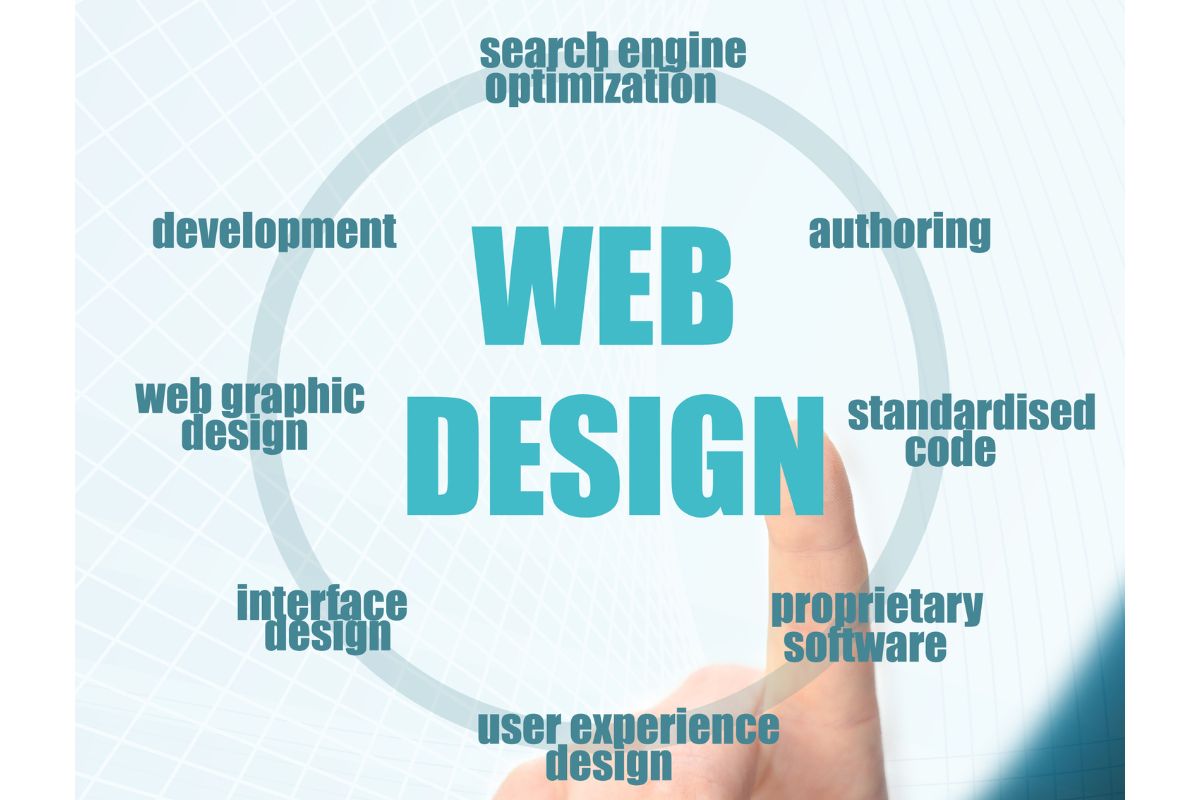
Top Reasons Why Professional Website Design is Important
a. Enhances Credibility and Brand Authority
A well-crafted website immediately signals professionalism and trustworthiness. Visitors are more likely to engage with a business that presents clear information, consistent branding, and industry expertise. Credibility gained here amplifies the impact of other digital marketing solutions, such as paid ads, social media campaigns, and content strategies.
b. Boosts Conversion Rates
Conversion-focused websites guide visitors toward meaningful actions, whether purchasing a product, filling out a contact form, or subscribing to a newsletter. Strategic call-to-actions, persuasive messaging, and intuitive layouts work together to increase the likelihood of turning visitors into leads or customers.
c. Improves Mobile and Multi-Device Experience
With over 50% of online traffic coming from mobile devices, responsive design is no longer optional. A mobile-first approach ensures fast load times, intuitive navigation, and accessible content, enhancing the performance of search engine optimization, paid advertising, and social media marketing campaigns.
d. Reduces Bounce Rates
Optimized page speed, engaging visuals, and easy-to-follow navigation keep visitors on your site longer. Lower bounce rates improve user engagement metrics, maximize the effectiveness of paid campaigns, and enhance the performance of organic marketing efforts.
e. Strengthens Integration with Other Marketing Channels
A flexible, well-structured website allows seamless integration with analytics platforms, marketing automation tools, CRM systems, and landing pages. This synergy ensures that all digital marketing solutions work together to generate measurable results and actionable insights.
f. Supports Long-Term Digital Growth
Modern website design allows your business to scale easily as new products, services, or campaigns are introduced. A strong website foundation ensures long-term ROI, enabling all digital marketing solutions to deliver sustained visibility, engagement, and conversions.
Key Features of Effective Website Design
Creating a website that drives results requires more than just aesthetics — it must combine functionality, performance, and user-centric design. Here are the essential features that define a high-performing website and ensure that it supports all other digital marketing solutions:
a. Responsive & Mobile-First Design
With a majority of internet traffic coming from mobile devices, responsive design is critical. A mobile-first website adapts seamlessly across smartphones, tablets, and desktops, providing a consistent and enjoyable browsing experience. This ensures visitors can engage with your content, navigate easily, and complete actions like form submissions or purchases without frustration.
b. User Experience (UX) & Navigation
Simplified menus, clear pathways, and intuitive layouts improve usability and increase engagement. Well-structured navigation helps visitors find relevant information quickly, reduces confusion, and encourages deeper exploration of your site. Strong UX not only keeps users on your site longer but also positively impacts the effectiveness of SEO, PPC, and other digital campaigns.
c. Fast Load Speeds
Page speed is a major factor in both user experience and search engine rankings. Optimized images, clean coding practices, and reliable hosting reduce load times, keeping visitors engaged and minimizing bounce rates. Fast websites enhance the performance of paid ads and organic campaigns by ensuring that potential customers reach your content efficiently.
d. Strategic Calls-to-Action (CTAs)
CTAs guide visitors toward specific actions such as contacting your business, subscribing to newsletters, or making a purchase. Placement, design, and clarity of CTAs significantly influence conversion rates. By aligning CTAs with user intent, businesses can turn website traffic into measurable leads and sales more effectively.
e. SEO-Friendly Architecture
A website’s structure plays a critical role in search engine visibility. Properly organized pages, metadata, internal linking, and clean URLs support search engine indexing and ranking. SEO-friendly architecture ensures your website works in tandem with search engine optimization efforts to attract organic traffic and improve overall campaign ROI.
f. Integrated Tracking & Analytics
Tracking tools such as Google Analytics, Tag Manager, and heatmaps provide insights into user behavior, conversion pathways, and campaign performance. Integrated analytics allow businesses to make data-driven decisions, optimize marketing strategies, and continuously improve website performance.
g. Secure & Reliable Infrastructure
Website security builds trust with visitors and protects your brand’s reputation. SSL certificates, secure hosting, and regular backups safeguard sensitive customer data, prevent downtime, and ensure consistent availability. A secure website reassures users and enhances the performance of all other digital marketing solutions by creating a safe online environment.
Implementation Best Practices of Website Design
A well-designed website requires strategic planning and meticulous execution to maximize its impact on traffic, conversions, and overall digital marketing performance. Following best practices ensures your site not only looks professional but also functions as a high-performing hub for all other digital marketing solutions:

a. Conduct User Research
Understanding visitor behavior, needs, and preferences is critical before designing your website. This includes analyzing demographics, browsing patterns, and purchase intent. Insights from user research inform layout decisions, content prioritization, and CTAs, ensuring your site resonates with the target audience.
b. Develop a Conversion-Focused Site Map
Mapping out your website structure with conversion pathways in mind ensures visitors can navigate efficiently and reach critical actions like contact forms, product pages, or subscription prompts. This approach reduces friction, improves UX, and increases the likelihood of turning traffic into measurable leads.
c. Maintain Consistent Branding and Visual Hierarchy
Consistent use of brand colors, typography, and imagery strengthens recognition and builds trust. A clear visual hierarchy highlights the most important elements, guiding visitors’ attention naturally toward key offerings and calls-to-action.
d. Include Dynamic Content Sections
Interactive elements like testimonials, case studies, video demonstrations, and client reviews make your site more engaging and credible. Dynamic content adds depth, encourages longer visits, and reinforces the effectiveness of other digital marketing solutions, including social media and content marketing campaigns.
e. Implement Performance Optimization Techniques
Techniques such as caching, Content Delivery Networks (CDNs), image compression, and clean coding improve load speeds and overall performance. Faster websites retain more visitors, reduce bounce rates, and improve user satisfaction, which directly supports SEO, PPC, and other marketing initiatives.
Expected Impact from Website Design
Investing in professionally designed websites translates into measurable business outcomes. Companies that leverage expertly crafted websites often experience:
a. Higher Conversion Rates
Intuitive navigation, clear CTAs, and persuasive layouts turn more visitors into leads and paying customers, maximizing ROI from all digital marketing solutions.
b. Longer Session Durations
Engaging content, interactive features, and easy-to-use interfaces encourage users to explore more pages, boosting engagement metrics and overall campaign effectiveness.
c. Improved Customer Satisfaction
A smooth, professional, and responsive website leaves a lasting impression, increasing trust, brand loyalty, and likelihood of repeat business.
d. Better Integration with Other Marketing Channels
A modern website supports SEO, PPC, social media campaigns, and email marketing by providing optimized landing pages, tracking capabilities, and seamless performance across channels.
Recommended Tools & Platforms for Website Design
Leveraging the right tools ensures efficient website creation, design, and performance monitoring:
a. Website Builders & CMS
WordPress, Webflow, Shopify, Wix – platforms for scalable, customizable, and SEO-friendly websites.
b. Design Tools
Figma, Adobe XD, Canva – for wireframing, prototyping, and creating visually compelling web designs.
c. Performance & SEO Tools
Google PageSpeed Insights, GTmetrix, Screaming Frog – monitor website speed, SEO health, and technical optimizations.
d. Tracking & Analytics
Google Analytics 4, Hotjar, Tag Manager – track user behavior, conversions, and engagement to inform continuous optimization.
A well-designed website is the cornerstone of digital success and sets the stage for all other marketing initiatives. For businesses seeking measurable results, investing in professional website design is not optional — it is a strategic, non-negotiable step toward sustainable growth and maximizing the performance of all other digital marketing solutions.
2. Search Engine Optimization (SEO)
In today’s digital landscape, being visible on search engines is critical for attracting potential customers actively seeking your products or services. SEO is one of the most cost-effective and long-term best digital marketing solutions, enabling businesses to earn organic visibility, drive qualified traffic, and establish credibility online.

a. Improves Organic Search Visibility
SEO ensures your website appears prominently on search engines when users look for relevant products or services. By optimizing keywords, meta tags, and content structure, your business can attract qualified visitors without relying solely on paid advertising. Increased visibility in organic search builds brand authority and positions your company as a trusted option in your niche.
b. Enhances Website Usability and Technical Health
Technical SEO improvements, such as fast load speeds, mobile optimization, secure HTTPS setup, and clean site architecture, make websites more accessible and user-friendly. Search engines favor well-optimized sites, and visitors stay longer on platforms that load quickly and navigate intuitively, improving engagement metrics and supporting other marketing channels.
c. Builds Brand Authority and Trust
High-quality content and authoritative backlinks help establish your brand as an expert in your industry. SEO-driven strategies such as guest posting, thought leadership content, and citations on trusted platforms increase online reputation, fostering trust among users and amplifying the effectiveness of other digital marketing solutions like social media campaigns and content marketing.
d. Drives Long-Term, Cost-Effective Traffic
Unlike paid campaigns, SEO generates traffic consistently without requiring daily ad spend. Optimized content continues to attract visitors over time, providing a compounding effect where each investment in content creation, technical optimization, or link building delivers ongoing returns.
e. Supports Targeted Audience Acquisition
Keyword research and on-page optimization allow businesses to attract users actively searching for solutions they provide. This ensures traffic is highly relevant, increasing the likelihood of conversions and maximizing ROI across other marketing strategies such as PPC and email marketing.
f. Provides Measurable Insights and Analytics
SEO performance can be tracked using tools like Google Analytics, Google Search Console, SEMrush, and Ahrefs. Businesses can monitor organic traffic, keyword rankings, engagement metrics, and conversions, allowing continuous optimization and demonstrating tangible results from one of the most effective digital marketing solutions.
g. Integrates Seamlessly with Other Marketing Solutions
SEO amplifies the impact of other digital marketing efforts. Optimized landing pages improve PPC campaign performance, keyword-targeted content supports social media engagement, and high-ranking pages enhance credibility for email and content marketing campaigns. A comprehensive SEO strategy ensures all channels work in harmony to drive sustainable growth.
Key Features of Effective SEO
To maximize the impact of SEO as one of the best digital marketing solutions, businesses must implement a combination of strategic, technical, and content-focused elements. Each component ensures your website not only ranks higher but also delivers qualified traffic, engages users, and supports measurable business growth:

a. Keyword Research and Optimization
Identifying high-value keywords aligned with user intent is the foundation of effective SEO. This involves analyzing search volume, competition, and relevance, and integrating these keywords naturally into website content, headings, meta tags, URLs, and internal linking. Proper keyword targeting ensures your content reaches the right audience at the right moment, boosting visibility and supporting other digital marketing channels like PPC and content marketing.
b. High-Quality Content Creation
Content is a primary driver of organic traffic and authority. Businesses should create content that educates, engages, and solves real problems for their target audience. This includes blog posts, guides, FAQs, videos, infographics, and case studies. High-quality content not only attracts visitors but also encourages shares, backlinks, and longer session durations, which enhances domain authority and improves ROI across other marketing efforts.
c. Technical SEO
A technically sound website ensures search engines can crawl and index your pages efficiently. This includes optimizing site speed, implementing structured data, fixing broken links, maintaining mobile responsiveness, and ensuring secure HTTPS protocols. Technical SEO improves user experience, reduces bounce rates, and increases the likelihood of higher search engine rankings, complementing all other digital marketing solutions.
d. Link Building and Authority Development
Backlinks from reputable and relevant sources remain one of the strongest ranking signals for search engines. Building authority through guest posts, partnerships, citations, and influencer mentions establishes credibility. High-quality backlinks signal trustworthiness to search engines and drive referral traffic, reinforcing the impact of content marketing, social media, and email campaigns.
e. On-Page and Off-Page Optimization
On-page optimization includes meta titles, headings, internal linking, alt tags, and content structure, ensuring each page aligns with search intent. Off-page optimization focuses on external factors such as social shares, citations, partnerships, and community engagement. A balanced approach ensures sustainable search visibility and positions SEO as a long-term, high-ROI digital marketing solution.
f. Local SEO
For businesses targeting Kenya, Africa, or global markets, local SEO ensures your brand appears in geographically relevant searches. Optimizing Google Business Profile listings, using location-specific keywords, building local citations, and gathering reviews attracts nearby customers actively seeking your products or services, enhancing foot traffic, inquiries, and regional conversions.
g. Analytics and Continuous Optimization
SEO is an ongoing process that requires monitoring, evaluation, and iterative improvement. Tracking keyword rankings, organic traffic, click-through rates, and user behavior using tools like Google Analytics 4, Search Console, and SEMrush enables data-driven decisions. Continuous optimization ensures your SEO strategy evolves with search engine algorithms and market trends, maximizing the ROI of this critical digital marketing solution.
Implementation Best Practices of SEO
Implementing SEO effectively requires a structured approach that combines strategic planning, technical optimization, and continuous monitoring. Following best practices ensures your efforts translate into measurable results, higher search visibility, and sustainable traffic growth:
a. Conduct Comprehensive SEO Audit
Start with a thorough evaluation of your current website to identify strengths, weaknesses, and opportunities. Analyze site structure, content quality, technical performance, backlink profile, and user experience. An SEO audit reveals gaps that competitors might exploit and provides a roadmap for improving rankings, enhancing website performance, and boosting ROI from all digital marketing solutions.
b. Prioritize High-Impact Pages and Keywords
Not all pages and keywords deliver equal results. Focus your optimization efforts on high-value pages and keywords that align with user intent and have significant traffic potential. This approach maximizes ROI by ensuring resources target opportunities most likely to drive qualified leads, conversions, and revenue.
c. Develop an Editorial Calendar
Consistency in content creation is key for sustainable SEO success. Plan blog posts, guides, FAQs, videos, and multimedia content strategically, ensuring topics cover audience needs and target keywords. An editorial calendar helps maintain regular updates, supports content marketing efforts, and ensures coverage of critical topics that enhance visibility and authority.
d. Optimize for Mobile and Page Speed
Mobile usability and fast-loading pages are critical ranking factors and user experience drivers. Optimize images, leverage caching and CDNs, and use responsive design to deliver seamless experiences across devices. A fast, mobile-friendly website increases engagement, reduces bounce rates, and strengthens the impact of SEO alongside other marketing channels like PPC and social media.
e. Track, Measure, and Adjust
Use tools such as Google Analytics 4, Google Search Console, SEMrush, and Ahrefs to monitor keyword performance, organic traffic, and user behavior. Regularly review results to refine strategies, update content, fix technical issues, and adapt to evolving search algorithms. Continuous measurement ensures SEO remains an effective, high-ROI digital marketing solution that delivers long-term growth.
Expected Impact of SEO
Implementing SEO effectively delivers measurable results that improve traffic, engagement, conversions, and overall business growth. By optimizing for both search engines and user experience, businesses benefit from the following outcomes:
a. Higher Organic Traffic
SEO attracts more qualified visitors who are actively searching for your products or services. By targeting relevant keywords, optimizing content, and improving technical performance, your website gains consistent organic visibility, driving traffic that is highly likely to engage and convert.
b. Improved Conversions
Visitors who find your site through targeted SEO efforts are more likely to take desired actions, whether signing up, making a purchase, or requesting a consultation. Strategic landing pages, optimized content, and clear calls-to-action ensure the traffic generated translates into tangible leads and revenue.
c. Enhanced Brand Authority
High-quality content, authoritative backlinks, and strong domain presence position your business as a trusted industry leader. This credibility not only increases user confidence but also strengthens the effectiveness of other digital marketing solutions, such as social media, email marketing, and content campaigns.
d. Long-Term Cost Efficiency
Unlike paid campaigns, SEO continues to deliver traffic and engagement without requiring continuous ad spend. Investment in content, technical optimization, and authority-building compounds over time, producing sustainable results and a favorable return on investment.
e. Better Integration with Other Marketing Channels
SEO works synergistically with other digital marketing solutions, including PPC, social media marketing, content marketing, and email campaigns. Optimized pages improve landing page performance, support keyword-driven campaigns, and ensure a cohesive, high-performing marketing ecosystem that maximizes overall ROI.
3. Pay-Per-Click Advertising (PPC)
Pay-Per-Click (PPC) advertising is one of the fastest and most measurable best digital marketing solutions available, enabling businesses to reach ready-to-buy customers instantly. Unlike organic channels, PPC provides immediate visibility, precise targeting, and full control over ad spend, making it ideal for driving traffic, leads, and conversions quickly.
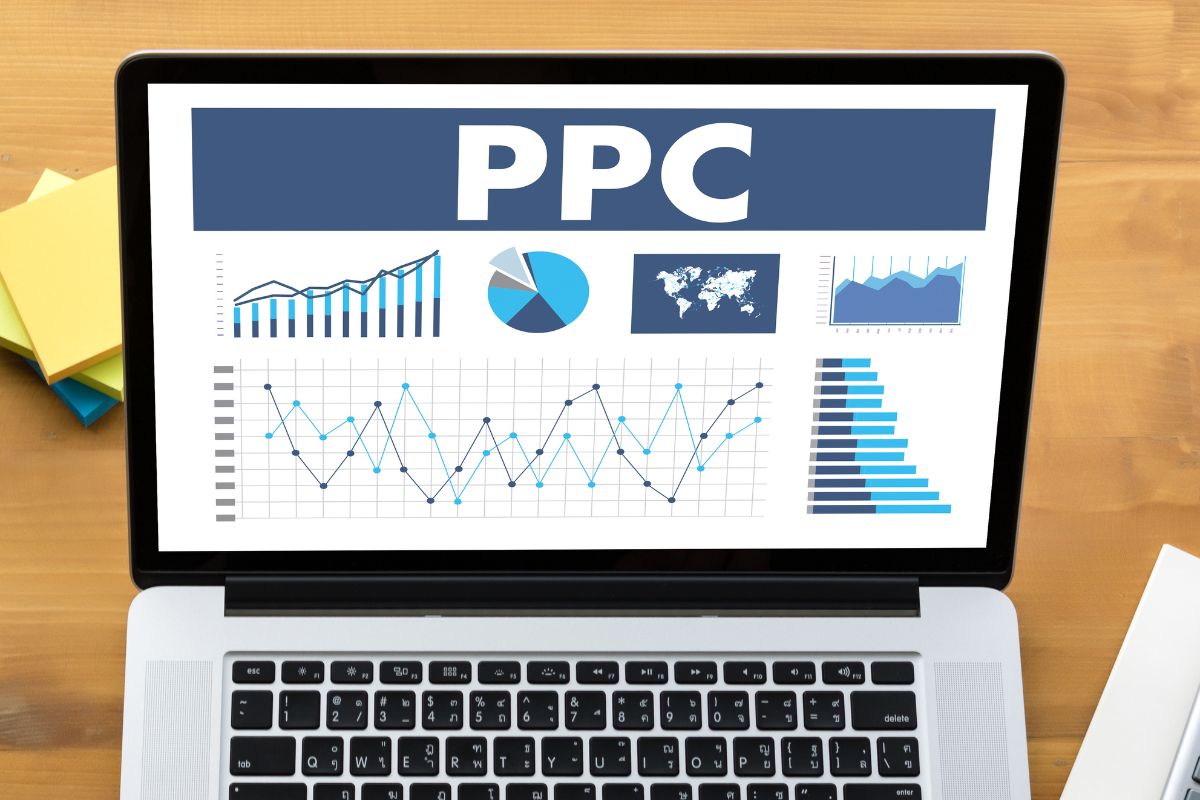
How PPC Functions as a High-ROI Solution for Businesses
a. Instant Visibility and Traffic
PPC places your ads directly in front of users actively searching for your products or services on search engines or browsing relevant websites. Unlike SEO, which can take time to show results, PPC ensures your brand is visible the moment campaigns go live, driving immediate traffic and engagement.
b. Precise Audience Targeting
With PPC, you can target users based on location, demographics, device, interests, and even past behaviors. Platforms like Google Ads, Bing Ads, and social media networks allow you to deliver highly relevant ads to the right audience, maximizing conversions and ROI.
c. Budget Control and Flexibility
Businesses can set daily or monthly budgets, adjust bids, and control ad spend to fit financial goals. PPC campaigns are scalable, allowing small businesses and large enterprises alike to start modestly and expand as performance improves.
d. Measurable Results and Analytics
PPC provides real-time tracking of clicks, impressions, conversions, cost per acquisition (CPA), and return on ad spend (ROAS). This transparency ensures every dollar spent can be analyzed, optimized, and justified, making it one of the most accountable marketing solutions.
e. Supports Remarketing and Customer Retention
Remarketing campaigns allow you to re-engage users who have previously visited your website but did not convert. By showing targeted ads to warm audiences, PPC increases the likelihood of conversions and improves overall customer lifetime value.
f. Complements Other Marketing Channels
PPC works seamlessly with SEO, social media marketing, and email campaigns. For instance, high-performing PPC ads can inform organic content strategy, while landing page optimizations enhance both paid and organic conversions.
g. A/B Testing and Continuous Optimization
PPC campaigns can be tested and refined continuously. Ad creatives, copy, targeting, and bids can all be adjusted based on performance data, ensuring campaigns evolve to generate the best possible ROI over time.
Key Features of Effective PPC
Maximizing the ROI from PPC campaigns requires attention to strategic, technical, and creative elements. The following features are essential for successful campaigns:
a. Keyword and Audience Targeting
Identify high-intent keywords and segments that match your ideal customer profile. Proper targeting ensures ads reach users most likely to convert, reducing wasted spend and improving campaign efficiency.
b. Ad Copywriting and Creative Design
Compelling ad copy, strong value propositions, and visually appealing creatives increase click-through rates and engagement. Ads should be tailored to each platform and audience segment for maximum effectiveness.
c. Landing Page Optimization
Landing pages should align with ad messaging, be mobile-friendly, load quickly, and include clear calls-to-action. Optimized pages improve conversion rates and maximize the ROI of every click.
d. Bidding Strategies and Budget Allocation
Smart bidding options, such as CPC, CPA, or ROAS-based bidding, ensure campaigns stay cost-efficient while delivering results. Budget allocation should prioritize high-performing campaigns for optimal impact.
e. Conversion Tracking and Analytics
Implement robust tracking to monitor clicks, form submissions, phone calls, and e-commerce transactions. Accurate data allows real-time insights, ongoing optimization, and precise measurement of campaign success.
f. Remarketing and Retargeting
Use remarketing campaigns to re-engage visitors who have previously interacted with your site or ads. This increases conversions and reinforces brand awareness across touchpoints.
g. Continuous Testing and Optimization
Run A/B tests on ad creatives, copy, targeting, and landing pages. Continuous experimentation ensures campaigns evolve with market trends, audience behavior, and platform algorithm updates, maximizing long-term ROI.
Implementation Best Practices of PPC
Applying PPC effectively requires a structured approach to planning, execution, and optimization. Follow these best practices to maximize results:
a. Set Clear Goals and KPIs
Define objectives such as leads, sales, or brand awareness, and identify key performance indicators to measure campaign success. Clear goals guide strategy, ad creation, and budget allocation.
b. Conduct Competitor Analysis
Analyze competitor ads, keywords, and landing pages to identify opportunities and gaps. Understanding competitors’ strategies helps you differentiate your campaigns and improve performance.
c. Develop Targeted Campaign Structure
Organize campaigns by audience segments, products, or services. Well-structured campaigns ensure precise targeting, easy tracking, and efficient budget management.
d. Optimize Ad Copy and Creatives Regularly
Continuously test and refine ad copy, visuals, and calls-to-action based on performance metrics. High-performing creatives drive clicks, engagement, and conversions.
e. Implement Robust Tracking and Analytics
Set up conversion tracking, tag management, and analytics tools to monitor performance. Accurate tracking enables data-driven decisions and ongoing optimization for better ROI.
f. Monitor and Adjust Bids and Budgets
Regularly evaluate bidding strategies and budget allocation to ensure funds are directed toward high-performing campaigns. Adapt to seasonal trends, audience behavior, and competitive dynamics.
g. Perform Continuous Optimization
Analyze metrics such as CTR, CPC, CPA, and ROAS to refine targeting, adjust creatives, and improve landing pages. Continuous optimization ensures PPC remains a profitable and scalable digital marketing solution.
Expected Impact of PPC
When managed effectively, PPC delivers immediate, measurable, and high-ROI results:
a. Increased Qualified Traffic
Targeted ads reach users actively searching for your products or services, driving high-quality traffic that is more likely to convert.
b. Faster Conversions
PPC enables businesses to generate leads or sales quickly compared to organic channels, accelerating customer acquisition.
c. Scalable ROI
With continuous optimization, campaigns can be scaled to maximize returns while maintaining efficiency, ensuring every advertising dollar contributes to growth.
d. Enhanced Brand Awareness
Even when users don’t immediately convert, repeated exposure through search and display ads builds familiarity, trust, and long-term recognition.
e. Data-Driven Decision Making
Real-time analytics and performance reports provide actionable insights that inform future campaigns, improve strategy, and enhance overall marketing performance.
4. Social Media Marketing
Social media marketing is a core component of the best digital marketing solutions, enabling businesses to engage directly with their audience, build brand awareness, and drive conversions. With billions of users across platforms like Facebook, Instagram, LinkedIn, and Twitter, businesses can target, engage, and convert potential customers in real time.
Key Reasons Why Social Media Marketing is Important
a. Builds Brand Awareness
Social media platforms allow businesses to reach a wide audience and consistently showcase their brand identity. Sharing valuable content and engaging with users ensures your brand stays top-of-mind for potential customers across Kenya, Africa, and globally.
b. Strengthens Customer Engagement and Loyalty
Direct interactions through comments, messages, and reviews foster trust and long-term relationships. Engaged audiences are more likely to become repeat customers and advocates for your brand.
c. Drives Targeted Traffic and Leads
Paid and organic social strategies allow precise targeting based on demographics, interests, behavior, and location. This ensures your campaigns attract users who are most likely to convert.
d. Supports Other Marketing Channels
Social media amplifies SEO, content marketing, PPC, and email campaigns by driving traffic, boosting engagement, and increasing conversions. A cohesive approach creates a stronger overall digital marketing ecosystem.
e. Offers Real-Time Performance Insights
Social platforms provide analytics on impressions, engagement, click-throughs, and conversions. Businesses can quickly optimize campaigns based on data to improve ROI and campaign effectiveness.
f. Cost-Effective Growth
Compared to traditional advertising, social media marketing is scalable and affordable, offering measurable results even with modest budgets while maximizing impact across multiple channels.
Key Features of Effective Social Media Marketing
Successful social media marketing requires strategic planning, creative execution, and continuous optimization. Core features include:
a. Platform Optimization
Ensure business profiles are complete, branded consistently, and optimized with relevant keywords, categories, and contact information to enhance visibility and credibility.
b. Consistent Posting Schedule
Maintain regular posting to engage your audience, increase reach, and build brand recognition. A content calendar ensures timely and organized updates across all platforms.
c. Paid Advertising and Retargeting
Use paid campaigns and retargeting to reach both new and existing audiences, maximizing conversions while efficiently allocating budgets.
d. Engaging Multimedia Content
Videos, live streams, carousel posts, and interactive stories improve engagement rates and capture attention more effectively than static content.
e. Hashtag and Trend Utilization
Leveraging trending hashtags and relevant topics increases discoverability and positions your brand in active conversations.
f. Monitoring and Reputation Management
Track brand mentions, reviews, and comments to protect your reputation, respond promptly to issues, and enhance customer trust.
g. Data-Driven Adjustments
Continuously analyze engagement, CTR, and conversion metrics to refine campaigns, optimize creatives, and improve overall ROI.
Implementation Best Practices for Social Media Marketing
Applying social media marketing effectively requires a systematic and consistent approach. Best practices include:

a. Define Clear Objectives
Set measurable goals such as increasing followers, driving website traffic, generating leads, or boosting sales. Clear objectives guide content creation, targeting, and campaign design.
b. Understand Your Audience
Research demographics, interests, and behaviors to create content that resonates and drives engagement. Audience insights inform targeting, messaging, and ad placement.
c. Develop a Comprehensive Content Calendar
Plan and schedule posts, campaigns, and promotions to maintain consistency and maximize reach. A structured calendar ensures alignment with broader marketing initiatives.
d. Utilize Paid Campaigns Strategically
Invest in paid advertising where organic reach is limited to amplify high-performing content and target specific audience segments effectively.
e. Monitor Engagement and Respond Promptly
Active community management builds trust and loyalty. Respond to questions, comments, and mentions quickly to strengthen relationships.
f. Analyze Metrics and Adjust Campaigns
Track KPIs such as engagement rate, CTR, conversions, and ROI to optimize campaigns continuously. Data-driven adjustments ensure maximum performance and cost-efficiency.
g. Align with Overall Marketing Strategy
Ensure social media efforts complement SEO, PPC, content marketing, and email campaigns for a consistent brand message and cohesive multi-channel strategy.
Expected Impact of Social Media Marketing
Social media marketing as a best digital marketing solution delivers tangible benefits across engagement, conversions, and brand growth:
a. Increased Brand Awareness
Reach a wider audience and build recognition among target demographics across platforms, enhancing overall brand visibility.
b. Higher Engagement Rates
Interactive and targeted content encourages likes, shares, comments, and clicks, fostering loyalty and customer interaction.
c. Improved Lead Generation and Conversions
Targeted ads and optimized campaigns drive qualified traffic to your website or landing pages, converting users into leads or customers.
d. Stronger Customer Relationships
Active community engagement and prompt responses strengthen trust, loyalty, and long-term customer retention.
e. Measurable ROI and Campaign Insights
Analytics allow you to evaluate performance, optimize campaigns, and make informed decisions to maximize the impact of your social media marketing efforts.
5. Content Marketing
Content marketing is one of the most powerful and sustainable best digital marketing solutions, helping businesses attract, educate, and convert potential customers. High-quality content builds authority, nurtures relationships, and drives organic traffic across multiple channels, including SEO, social media, email campaigns, and PPC.

How Content Marketing Functions as a Strategic Growth Lever
a. Attracts and Engages Target Audiences
High-quality content like blogs, guides, videos, and infographics draws in your ideal customers by addressing their needs, questions, and pain points. Engaging content keeps visitors on your site longer and encourages repeat visits.
b. Builds Brand Authority and Trust
Providing valuable and informative content positions your business as an industry leader. Over time, this strengthens credibility, increases customer confidence, and differentiates your brand from competitors.
c. Supports Lead Generation and Conversions
Strategically crafted content guides users through the buyer journey — from awareness to consideration to decision — helping convert visitors into leads and paying customers.
d. Enhances SEO and Organic Reach
Optimized content improves search engine rankings, driving consistent organic traffic to your website. It also creates link-building opportunities that further enhance visibility.
e. Amplifies Other Marketing Channels
Content fuels social media posts, email marketing campaigns, PPC landing pages, and sales enablement tools, creating a cohesive digital marketing ecosystem.
f. Provides Measurable Insights
Content marketing allows businesses to track engagement, shares, conversions, and ROI, enabling data-driven optimization of future campaigns.
Key Features of Effective Content Marketing
Effective content marketing combines creativity, strategy, and measurable performance to drive growth. To fully leverage it as one of the best digital marketing solutions, businesses should focus on these critical features:
a. Audience-Centric Approach
Content should be tailored to the needs, preferences, and pain points of your target audience. Understanding user behavior and intent ensures your content resonates, increases engagement, and encourages conversions.
b. Consistency in Publishing
Regular content updates build trust and keep your brand top-of-mind. A consistent publishing schedule also strengthens search engine authority, improving organic visibility over time.
c. SEO Integration
Every piece of content should be optimized for search engines using targeted keywords, meta descriptions, headings, and internal links. This ensures content attracts qualified traffic, supporting broader digital marketing efforts.
d. Multi-Format Content Strategy
Using diverse content types — blogs, videos, infographics, podcasts, and interactive content — engages users across multiple channels. Multi-format content ensures your message reaches audiences wherever they consume information.
e. Clear Calls-to-Action (CTAs)
Each content piece should guide users toward a specific action, whether subscribing to newsletters, downloading resources, or making purchases. Strategic CTAs turn engagement into measurable business results.
f. Thought Leadership and Authority Building
Well-researched, insightful content positions your brand as an industry leader. High-quality content enhances credibility, encourages backlinks, and supports long-term brand authority.
g. Measurable KPIs and Analytics
Tracking engagement, traffic, shares, leads, and conversions allows continuous optimization. Data-driven content strategies ensure that your marketing efforts remain effective, scalable, and aligned with business goals.
Implementation Best Practices for Content Marketing
Applying content marketing effectively requires a structured, audience-focused approach. Best practices include:
a. Conduct Audience Research
Understand your audience’s needs, pain points, and interests to create content that resonates and drives action.
b. Develop a Content Calendar
Plan and schedule content consistently to cover all stages of the buyer’s journey and maintain engagement.
c. Align Content with Marketing Goals
Ensure content supports broader objectives such as brand awareness, lead generation, SEO, and customer retention.
d. Optimize for Search Engines and User Experience
Use keyword research, headings, meta descriptions, and multimedia elements to enhance SEO while delivering valuable experiences for readers.
e. Promote Content Strategically
Distribute content via social media, email marketing, partnerships, and other channels to maximize reach and engagement.
f. Encourage Interaction and Engagement
Include comments, polls, surveys, and social sharing options to foster community engagement and user participation.
g. Monitor, Measure, and Update
Use analytics tools to track traffic, engagement, leads, and conversions. Update content regularly to maintain relevance, improve performance, and maximize ROI.
Expected Impact of Content Marketing
When implemented effectively, content marketing delivers measurable results across brand visibility, audience engagement, and revenue growth:

a. Increased Organic Traffic
High-quality, SEO-optimized content attracts targeted users who are actively seeking solutions, driving sustainable traffic to your website.
b. Higher Conversion Rates
Content designed for lead nurturing guides users through the buyer’s journey, turning prospects into paying customers.
c. Strengthened Brand Authority
Consistently valuable content positions your business as a trusted industry leader, enhancing credibility and customer trust.
d. Cost-Efficient Marketing
Content marketing delivers long-term results without requiring constant ad spend, making it one of the most efficient best digital marketing solutions.
e. Synergy Across Marketing Channels
Content supports SEO, PPC, social media marketing, and email campaigns, creating a cohesive ecosystem that amplifies overall marketing performance.
6. Email Marketing
Email marketing remains one of the most effective best digital marketing solutions for nurturing leads, engaging customers, and driving conversions. It allows businesses to communicate directly with their audience, deliver personalized messages, and track measurable outcomes.

How Email Marketing Functions as a High-Impact Growth Tool
a. Direct and Personalized Communication
Email allows businesses to deliver tailored messages directly to subscribers’ inboxes. Personalized campaigns based on user behavior, preferences, and purchase history drive engagement and increase conversion likelihood.
b. Automation and Workflow Campaigns
Automated email sequences streamline communication, including welcome emails, onboarding sequences, cart abandonment follow-ups, and re-engagement campaigns. Automation ensures timely, relevant messaging without manual effort.
c. Segmentation and Targeting
Segment email lists based on demographics, purchase behavior, engagement levels, or interests. Targeted emails improve relevance, increase open rates, and maximize ROI.
d. Promotional and Transactional Messaging
Email supports a variety of campaigns, including newsletters, promotional offers, event invitations, product launches, and transactional confirmations. Each message type strengthens customer relationships and drives specific business goals.
e. Integration with Other Marketing Channels
Email campaigns complement SEO, content marketing, social media, and PPC by sharing blog content, promotional offers, and product updates. Integration ensures a consistent brand experience across all touchpoints.
f. Testing and Optimization
A/B testing of subject lines, copy, visuals, send times, and CTAs helps optimize campaigns for better engagement and conversions. Continuous refinement ensures maximum campaign effectiveness.
g. Analytics and Performance Tracking
Track key metrics such as open rates, click-through rates (CTR), bounce rates, and conversion rates. Analytics provide actionable insights to improve segmentation, targeting, and messaging for higher ROI.
Key Features of Effective Email Marketing
Successful email marketing combines personalization, automation, and measurable outcomes. Core features include:
a. Personalized Content and Recommendations
Emails that address recipients by name and offer tailored product or service suggestions increase engagement and conversions.
b. Mobile Optimization
Ensure emails are responsive and visually appealing across all devices to maintain user experience and engagement.
c. Engaging Subject Lines and Preheaders
Compelling subject lines and preheaders increase open rates and encourage recipients to read further.
d. Automation and Trigger-Based Emails
Set up automated campaigns for onboarding, cart abandonment, post-purchase follow-ups, and re-engagement to save time and maintain consistent communication.
e. Segmented and Targeted Campaigns
Group subscribers based on demographics, behavior, and preferences to deliver highly relevant messages that resonate.
f. Analytics and Reporting
Measure performance with detailed reports on opens, clicks, conversions, and ROI to refine future campaigns.
g. Compliance and Deliverability
Ensure campaigns comply with regulations like GDPR and CAN-SPAM, and implement best practices to maintain high deliverability rates.
Implementation Best Practices of Email Marketing
To maximize email marketing results, businesses should follow a structured approach:

a. Build a High-Quality Subscriber List
Focus on organic growth of subscribers who are genuinely interested in your products or services to ensure engagement and reduce unsubscribe rates.
b. Define Clear Objectives and KPIs
Identify campaign goals such as lead nurturing, sales, or brand awareness, and establish metrics to measure success.
c. Segment Your Audience Effectively
Use behavioral and demographic data to deliver targeted emails that resonate with specific groups, improving engagement and conversions.
d. Craft Compelling and Relevant Content
Design emails with valuable content, strong visuals, and persuasive CTAs that encourage readers to take action.
e. Optimize for Mobile and User Experience
Ensure emails load quickly, display correctly, and are easy to interact with on all devices.
f. Test, Analyze, and Refine Campaigns
Run A/B tests on subject lines, content, and CTAs. Use analytics to continuously improve performance and ROI.
g. Integrate Email Marketing with Other Channels
Coordinate email campaigns with content marketing, PPC, SEO, and social media strategies to provide consistent messaging and enhance overall digital marketing impact.
Expected Impact from Email Marketing
Effective email marketing delivers measurable results in engagement, retention, and revenue growth:
a. Increased Customer Engagement
Targeted, personalized emails foster meaningful interactions and strengthen relationships with subscribers.
b. Higher Conversion Rates
Well-crafted campaigns guide prospects through the sales funnel, turning leads into paying customers.
c. Improved Customer Retention
Regular, relevant communication keeps your brand top-of-mind and encourages repeat purchases.
d. Cost-Efficient Marketing
Email marketing delivers high ROI with minimal cost compared to traditional advertising channels.
e. Actionable Insights and Data-Driven Decisions
Detailed analytics help refine strategies, optimize content, and improve campaign effectiveness over time.
7. Marketing Automation
Marketing automation is one of the most powerful best digital marketing solutions for businesses that want to scale without increasing manual workload. It streamlines repetitive tasks, nurtures leads, personalizes customer journeys, and ensures consistent communication across multiple channels. With automation, your marketing becomes more efficient, data-driven, and capable of delivering the right message at the right moment to every potential or existing customer.

Key Features and Benefits of Marketing Automation
a. Streamlined Workflows and Task Automation
Marketing automation reduces the time spent on repetitive tasks such as follow-up emails, lead qualification, customer segmentation, and posting schedules. Automated workflows ensure tasks run consistently and accurately, improving efficiency and minimizing human error.
b. Personalized Customer Journeys
Automation tools allow you to create custom user journeys based on behavior, interests, and engagement levels. Each customer receives relevant content at the right stage, increasing conversions and strengthening loyalty.
c. Lead Scoring and Qualification
Assign scores to leads based on actions such as email opens, website visits, downloads, or inquiries. Automated scoring helps you identify high-value leads, prioritize follow-ups, and improve sales-marketing alignment.
d. Multi-Channel Campaign Coordination
Marketing automation ensures seamless communication across email, SMS, social media, landing pages, and ads. Centralized management allows businesses to deliver consistent messaging across touchpoints.
e. Behavioral Triggers and Dynamic Messaging
Automation triggers messages based on real user actions—such as cart abandonment, browsing behavior, or completed purchases—ensuring timely and relevant communication that boosts engagement and revenue.
f. CRM Integration for Seamless Data Flow
Integrating automation platforms with CRM systems ensures unified customer data. This enables smarter targeting, improved personalization, and a clearer view of the customer lifecycle.
g. Performance Tracking and Optimization
Automation platforms provide real-time insights into campaign performance, allowing businesses to refine messages, adjust workflows, and optimize the customer journey based on data.
Key Features of Effective Marketing Automation
Below are the foundational components that make marketing automation impactful and scalable:
a. Workflow Building and Task Sequencing
Drag-and-drop workflow builders help map out complex customer journeys, set conditions, define triggers, and automate actions without coding.
b. Multi-Step Email and SMS Automation
Create sequences for onboarding, nurturing, cross-selling, reactivation, and retention. Each message is delivered based on timing, behavior, or segmentation rules.
c. Advanced Segmentation Capabilities
Automated systems can segment customers using demographics, purchase behavior, engagement level, location, and lifecycle stage—ensuring more accurate targeting.
d. Lead Management Tools
Automation supports lead capture, assignment, scoring, and nurturing. This speeds up the buyer journey and increases sales team efficiency.
e. AI-Powered Personalization
Some platforms use AI to analyze behavior and deliver hyper-personalized messages, recommendations, and offers for each customer.
f. Multi-Channel Campaign Automation
Run coordinated campaigns across emails, landing pages, ads, social media, and SMS—ensuring a consistent and omnichannel experience.
g. Deep Analytics and Reporting
Access detailed reports on workflow performance, conversion paths, lead quality, and ROI. Analytics guide smarter decisions and continuous improvement.
Implementation Best Practices of Marketing Automation
To achieve maximum impact with marketing automation, businesses should follow these structured practices:
a. Start with a Clear Strategy and Funnel Mapping
Define your customer journey from awareness to conversion. Identify touchpoints, messaging, and automated actions for each stage of the funnel.
b. Segment Your Audience Early
Segment customers based on interests, demographics, or engagement level before launching workflows. Segmentation enhances personalization and effectiveness.
c. Build High-Intent Lead Magnets
Offer valuable resources—such as guides, PDFs, webinars, or discounts—to gather leads and feed your automation workflows with quality prospects.
d. Create Behavioral Trigger Points
Use actions like site visits, email opens, purchases, or cart abandonment as triggers for automated responses. These real-time messages increase relevance and conversions.
e. Integrate Your CRM and Data Tools
Ensure your automation platform is synchronized with CRM data for seamless customer tracking and more targeted messaging.
f. Conduct Continuous Testing and Optimization
A/B test workflows, messaging, timing, and triggers. Regular optimization ensures your automations evolve with customer behavior.
g. Ensure Compliance and Clean Data Practices
Maintain GDPR and data protection compliance, clean your lists regularly, and remove inactive contacts to improve deliverability and accuracy.
Expected Impact from Marketing Automation
a. Higher Lead Conversion Rates
Automated nurturing guides prospects through the funnel more effectively, resulting in more qualified leads and higher conversion potential.
b. Improved Customer Retention and Loyalty
Consistent, personalized communication keeps customers engaged long-term and encourages repeat purchases.
c. Increased Operational Efficiency
Automation reduces workload, eliminates repetitive tasks, and frees your team to focus on strategy and growth.
d. Better Customer Insights and Data Accuracy
Unified tracking and analytics help you understand customer behavior, preferences, and buying patterns more clearly.
e. Scalable Growth With Lower Costs
Automation enables your business to scale marketing efforts without increasing manpower, providing long-term cost efficiency.
8. Conversion Rate Optimization (CRO)
Conversion Rate Optimization is one of the best digital marketing solutions for businesses that want to maximize results from existing traffic rather than relying solely on increased ad spend. It focuses on improving how users interact with your digital assets and removes friction that prevents them from taking action. To turn more visitors into buyers, CRO analyzes behavior, tests improvements, and enhances the overall user journey across your website, landing pages, and funnels. Here’s how CRO strengthens performance across every digital touchpoint:

Key Features of Effective CRO
a. User Behavior Analysis
CRO begins with understanding how visitors interact with your pages, including where they click, what they read, and where they drop off. Tools like heatmaps, scroll tracking, and session recordings reveal friction points and opportunities for improvement. These insights guide strategic adjustments that directly influence conversions.
b. A/B and Multivariate Testing
Testing different versions of page elements—such as headlines, button colors, layouts, or images—provides data-backed decisions rather than assumptions. A/B testing compares two variations, while multivariate testing tests several changes at once. These approaches ensure your page evolves based on what your audience responds to best.
c. Optimized Messaging and Value Proposition
Clear communication significantly increases conversions. CRO ensures your headline, supporting text, offer, and call-to-action clearly present your value and remove confusion. Strong messaging reduces bounce rates and encourages visitors to take meaningful action.
d. Speed and Performance Enhancements
Fast websites convert more effectively, retain visitors longer, and reduce abandonment. CRO focuses on compressing images, improving server response times, and implementing caching. By delivering instant-loading experiences, businesses reduce drop-offs and build user trust.
e. Improved User Experience (UX) and Navigation
Simplifying layouts, reducing distractions, and making navigation intuitive lead to more engaged users. CRO may involve reorganizing menus, simplifying forms, or prioritizing key actions. Each adjustment creates a smoother path toward conversion.
f. Landing Page Optimization
Dedicated landing pages tailored to specific campaigns improve clarity and reduce decision fatigue. CRO refines these pages through targeted messaging, trust badges, social proof, and optimized CTAs. This increases relevance and encourages action at a much higher rate than generic pages.
g. Form Optimization and Lead Capture Enhancements
Complicated forms discourage conversions. CRO simplifies them by reducing fields, improving design, or adding autofill options. This reduces friction and encourages more users to submit their information.
Implementation Best Practices for Conversion Rate Optimization (CRO)
a. Start With Comprehensive Data and Funnel Analysis
Review analytics, identify pages with high traffic but low conversions, and map out the user journey. This highlights the specific gaps preventing users from completing key actions.
b. Prioritize High-Impact Pages and Actions
Focus optimization efforts on pages that can produce immediate gains—such as product pages, landing pages, the homepage, and checkout funnels. These areas often deliver the fastest and most measurable improvements.
c. Develop Hypotheses and Test Systematically
Before making changes, create clear hypotheses based on user data. Test one element at a time to measure the impact accurately. This structured approach eliminates guesswork and leads to predictable growth.
d. Reduce Friction and Remove Distractions
Too many links, complicated layouts, or irrelevant content can confuse users. CRO removes unnecessary elements and ensures each page directs attention to the main call-to-action.
e. Build Trust With Social Proof and Guarantees
Testimonials, reviews, security badges, certifications, and money-back guarantees reassure visitors. CRO ensures these credibility elements are strategically placed to support conversions.
f. Mobile-First Optimization
Since mobile users make up a significant portion of online traffic, CRO ensures your forms, buttons, images, and layouts work flawlessly across devices. Optimizing mobile interactions increases engagement and reduces bounce rates.
g. Continuous Testing, Monitoring, and Adjustment
CRO is not a one-time activity; it evolves with user behavior, technology, and competition. Regular audits and ongoing testing ensure your conversion rates continue to improve over time.
Expected Impact of Conversion Rate Optimization (CRO)
a. Higher Conversion Rates Without Extra Ad Spend
By improving how users interact with your digital assets, CRO increases leads and sales without the need for additional marketing budget.
b. Increased Revenue and Customer Acquisition
Even a small boost in conversion rate can lead to significant revenue growth, especially for businesses running active digital campaigns.
c. Better User Engagement and Satisfaction
Enhanced UX, clearer messaging, and faster performance lead to happier visitors who stay longer and interact more deeply with your content.
d. Stronger ROI Across All Marketing Channels
When CRO is applied to landing pages, websites, and funnels, campaigns such as SEO, PPC, social media, and email instantly perform better because traffic converts at higher rates.
e. Reduced Customer Acquisition Costs (CAC)
Higher conversion rates mean you spend less to acquire each customer, making your marketing more profitable and scalable.
9. Analytics and Performance Tracking
Analytics and performance tracking are central to the best digital marketing solutions because they reveal what is working, what needs improvement, and where your business can scale profitably. Without accurate data, marketing decisions become guesswork, budgets are wasted, and growth becomes unpredictable. Effective tracking ensures every action is informed, measurable, and aligned with your business goals, ultimately creating a clear roadmap for continuous optimization and success across all marketing channels:

Key Features of Effective Analytics and Performance Tracking
a. Comprehensive Website and Campaign Tracking Setup
Analytics begins with proper tracking implementation, including Google Analytics 4, Google Tag Manager, Meta Pixel, UTM parameters, and conversion events. Accurate setup ensures every click, interaction, and conversion is captured correctly. This foundational step removes blind spots and provides reliable, real-time data.
b. Custom Dashboards and Reporting Systems
Dashboards help visualize performance across channels such as SEO, PPC, social media, email, and CRO. These customized views allow businesses to monitor KPIs at a glance, compare performance across time periods, and identify emerging trends. Decision-makers can quickly track growth, bottlenecks, and priority areas.
c. Conversion Tracking and Attribution Modeling
Knowing which channels generate leads or sales is vital for budget optimization. Conversion tracking identifies the exact traffic sources responsible for actions, while attribution modeling helps assign proper credit across touchpoints. This allows businesses to invest more confidently in high-performing strategies.
d. User Behavior and Engagement Analysis
Analytics tools reveal how visitors move through your website, what pages they spend time on, and where drop-offs occur. Through heatmaps, scroll depth, and interaction tracking, businesses gain actionable insights that improve user experience and conversion pathways.
e. Funnel and Journey Mapping
Understanding the customer journey—from first impression to final conversion—uncovers friction points and opportunities for improvement. Funnel mapping reveals which stages underperform and where optimization will deliver the greatest ROI. This structured approach strengthens overall marketing efficiency.
f. Multi-Channel Performance Tracking
Businesses leveraging the best digital marketing solutions typically run campaigns across several platforms. Analytics consolidates performance data from SEO, PPC, social ads, email, content marketing, and automation. This holistic view helps businesses evaluate effectiveness across all channels, reducing guesswork.
g. Real-Time Alerts and Monitoring
Automated alerts notify teams when performance indicators spike or drop suddenly. This allows businesses to respond immediately—optimizing campaigns, fixing broken tracking, or addressing technical issues. Real-time monitoring ensures stability and consistent performance.
Implementation Best Practices for Analytics and Performance Tracking

a. Establish Clear KPIs and Measurement Frameworks
Before tracking begins, businesses must define specific KPIs such as cost per lead, conversion rate, ROAS, retention rate, and customer lifetime value. These metrics guide decision-making and ensure all efforts align with business objectives.
b. Use Tag Manager for Centralized Tracking Control
Google Tag Manager simplifies tracking management by storing all tags in one place. This prevents tracking duplication, reduces errors, and allows easy implementation of new tracking tools without heavy development work.
c. Ensure Accurate Conversion Event Setup
Set up primary conversion events (form submissions, purchases, phone calls) and secondary events (scroll depth, button clicks, downloads). This detailed tracking reveals how users engage and which actions predict conversions.
d. Use A/B Testing Insights to Improve Performance
Analytics provides the data necessary for effective A/B testing. By tracking page variations, businesses can determine which changes improve engagement, reduce bounce rates, and increase conversions.
e. Review Data Frequently and Identify Trends Early
Weekly and monthly reviews help track performance, identify underperforming channels, and uncover trends. This proactive approach prevents performance decline and ensures campaigns stay competitive.
f. Combine Quantitative and Qualitative Data
While analytics provides numbers, behavior tools like Hotjar, surveys, and session recordings reveal motivations behind the numbers. Combining these insights creates a complete and accurate picture of user behavior.
g. Maintain Clean, Accurate, and Consistent Data
Avoid duplicated events, broken tags, and inaccurate tracking setups. A clean data environment ensures decisions are based on trustworthy metrics, improving the outcome of optimization efforts.
Expected Impact of Analytics and Performance Tracking
a. Smarter, Data-Driven Decision Making
Analytics empowers businesses to stop guessing and start making decisions backed by real evidence. This leads to faster wins, better strategies, and sustainable growth.
b. Improved Budget Allocation and ROI
By identifying which channels perform best, businesses can allocate budgets more effectively. This reduces wasted spend and increases returns across all digital marketing activities.
c. Enhanced User Experience and Conversion Rates
Data reveals friction points and user challenges, leading to targeted improvements. Better experience equals higher engagement, longer session durations, and more conversions.
d. Stronger Integration Across All Marketing Channels
Analytics supports SEO, PPC, CRO, content marketing, and automation by delivering performance insights that elevate each strategy. This creates a cohesive digital ecosystem that operates efficiently.
e. Predictable Growth and Long-Term Stability
With accurate tracking and ongoing monitoring, businesses can forecast results, prepare for seasonality, and scale confidently. Predictability leads to stronger performance and long-term success.
10. Online Reputation Management (ORM)
Reputation determines how customers perceive your business, and that perception directly influences trust, conversions, and long-term brand loyalty. ORM helps businesses actively shape, monitor, and protect their digital presence across search engines, review platforms, and social media. By maintaining a strong online image, businesses can increase credibility and support broad digital strategies—including some of the best digital marketing solutions available today:

Key Features of Effective ORM
a. Review Monitoring and Management
Monitoring reviews across platforms such as Google, Facebook, Yelp, and industry-specific sites helps businesses stay informed about customer sentiment. Effective ORM includes responding to reviews—positive or negative—in a timely and professional manner. This builds transparency, strengthens trust, and demonstrates accountability to customers.
b. Brand Mentions and Sentiment Tracking
Businesses must track how their brand is discussed across social media, blogs, forums, and news outlets. Sentiment analysis tools help identify whether mentions are positive, neutral, or negative. This allows for fast response, proactive reputation repair, and opportunity identification.
c. Crisis Prevention and Response Strategy
ORM includes planning for potential brand crises—such as negative press, social backlash, or misinformation. Businesses with a clear response framework can act quickly, control narratives, and reduce long-term reputation damage. Proactive management keeps trust intact even during challenges.
d. Search Engine Reputation Optimization
Negative content appearing on search results can harm conversions. ORM leverages SEO best practices to promote positive assets such as articles, press releases, testimonials, and optimized web pages. This pushes negative results lower while strengthening your brand’s authority.
e. Customer Feedback Collection and Analysis
ORM involves collecting structured customer feedback to identify product or service improvement areas. Online surveys, review requests, and NPS scoring help businesses understand customer expectations and resolve issues early. These insights directly influence customer satisfaction and retention.
f. Social Media Reputation Building
Consistent communication, community engagement, and brand storytelling strengthen your online presence. Responding to comments, participating in conversations, and maintaining transparency boost trust and humanize your brand. Strong social media reputation complements other digital marketing solutions.
g. Content and Thought Leadership Development
Publishing expert content—such as blogs, articles, videos, and industry insights—positions your brand as credible and knowledgeable. This positive visibility enhances trust, influences buyer perception, and supports long-term reputation growth.
Implementation Best Practices for Online Reputation Management (ORM)
a. Establish a Reputation Monitoring System
Use tools like Google Alerts, Brandwatch, SEMrush, and Mention to track brand mentions in real time. Continuous monitoring prevents issues from escalating and ensures proactive response.
b. Encourage Satisfied Customers to Leave Reviews
Requesting reviews through email, SMS, or post-purchase workflows helps generate consistent positive feedback. High ratings strengthen credibility and improve search visibility.
c. Respond Professionally to All Reviews
Acknowledging feedback—especially negative comments—demonstrates responsibility and care. A polite, solution-oriented approach can turn unhappy customers into advocates and reassure future buyers.
d. Optimize Positive Content for Search Visibility
Ensure press releases, success stories, blog posts, and testimonials rank well on search engines. This supports your broader digital marketing solutions by reinforcing trust at every customer touchpoint.
e. Implement a Social Listening Strategy
Track conversations about your brand, competitors, and industry. Social listening helps identify customer needs, potential crises, and opportunities for engagement.
f. Maintain Transparency and Consistency in Communication
Regular updates, honest messaging, and clear information build a reliable brand image. Consistency across channels improves audience trust and loyalty.
g. Evaluate Reputation Metrics Regularly
Track review scores, sentiment trends, brand visibility, and customer satisfaction indicators. These metrics guide strategy improvements and reveal areas requiring immediate attention.
Expected Impact of Online Reputation Management (ORM)

a. Stronger Customer Trust and Purchase Confidence
Positive online reputation increases trust, making customers more comfortable choosing your business over competitors. High ratings and positive reviews directly influence conversions.
b. Improved Brand Perception Across All Platforms
Consistent reputation management ensures your business appears credible everywhere customers search—Google, social platforms, review sites, and industry directories.
c. Increased Conversions and Higher Sales
Trust is a major conversion driver. Businesses with strong reputations enjoy higher click-through rates, more inquiries, and increased sales from both new and returning customers.
d. Reduced Risk from Negative Publicity
ORM helps prevent minor issues from escalating into reputation crises. Rapid monitoring and timely response protect brand value and customer loyalty.
e. Stronger Support for Other Digital Marketing Channels
Reputation impacts SEO, PPC, social media performance, and email marketing results. Positive perception increases engagement, boosts ROI, and strengthens overall marketing effectiveness.
Frequently Asked Questions About the Best Digital Marketing Solutions
Choosing the best digital marketing solutions can feel overwhelming, especially when you’re trying to determine what works, what fits your budget, and what delivers real results. These FAQs provide clarity, simplify your decision-making, and help you understand how each strategy contributes to business growth. Here are the most important questions clients ask before getting started:
1. What are the best digital marketing solutions for businesses that want fast results?
If you want quick visibility, strategies like PPC advertising, social media ads, and conversion-focused landing pages work best because they generate traffic almost immediately. These solutions are ideal when launching new products, running promotions, or trying to increase sales within a short time frame. Blending them with SEO ensures you achieve both instant and long-term results.
2. How do I know which of the best digital marketing solutions are right for my business?
The right mix depends on your goals, industry, competition, and budget. A proper audit helps identify where you need visibility, which channels your audience uses, and the strategies with the highest ROI. Combining multiple channels usually delivers the strongest results because each supports the other.
3. Are the best digital marketing solutions expensive to implement?
Costs vary depending on the strategies you choose — SEO, content marketing, and email automation are more cost-effective in the long run, while paid ads require ongoing budgets. What matters most is ROI rather than cost alone. With the right setup, even small budgets can achieve significant growth.
4. How long does it take to see results from the best digital marketing solutions?
Paid ads can deliver results instantly, while SEO, content, and brand authority strategies take weeks to months depending on your niche and competition. However, combining short-term and long-term approaches ensures consistent growth throughout the year. The key is maintaining consistency and adjusting based on analytics.
5. What makes SEO one of the best digital marketing solutions for long-term growth?
SEO increases your website’s visibility, authority, and organic traffic without relying on daily ad spending. Once rankings improve, you continue receiving leads 24/7 even if you’re not actively promoting. This makes SEO the most sustainable and cost-efficient strategy for long-term profitability.
6. Why is social media marketing included among the best digital marketing solutions today?
Because it allows you to connect with your audience directly, build relationships, showcase products, and influence purchase decisions in real time. Social platforms offer massive reach and advanced targeting that help you attract clients based on interests, behaviors, and demographics. Consistent posting and engagement also boost brand loyalty and trust.
7. How does content marketing support the best digital marketing solutions?
Content acts as the foundation for SEO, email marketing, social media engagement, and even paid ads. High-quality content educates your audience, positions you as an expert, and drives organic traffic from search engines. When done well, it becomes a long-term asset that continuously brings new leads.
8. Can small businesses also benefit from the best digital marketing solutions?
Absolutely — small businesses can see even faster growth because digital marketing levels the playing field. Tools like localized SEO, targeted ads, social media, and reputation management help smaller brands compete with established companies. With a strategic plan, even limited budgets deliver significant impact.
9. What role does conversion rate optimization (CRO) play in the best digital marketing solutions?
CRO ensures that traffic from all your marketing channels actually converts into leads or buyers. It improves user experience, page structure, messaging clarity, CTAs, and overall navigation to maximize results. Without CRO, businesses often waste valuable traffic that should be converting into revenue.
10. How do I measure the success of the best digital marketing solutions?
Success is measured through metrics such as website traffic, lead generation, conversion rates, customer acquisition costs, engagement levels, and overall ROI. Tools like Google Analytics, CRM dashboards, and heatmaps help track performance accurately. Reviewing results regularly ensures your strategy stays effective and continues improving.

Get the Best Digital Marketing Solutions Today With Smepal Digital Marketing Agency — Drive Growth and Maximize ROI Now
Take action today and partner with Smepal Digital Marketing Agency to implement the best digital marketing solutions tailored to your business needs. Our expert team will help you increase visibility, attract qualified leads, and convert traffic into paying customers using proven strategies across SEO, PPC, social media, content marketing, and more. Don’t let competitors outpace you — start driving measurable results, optimizing your campaigns for maximum ROI, and achieving sustainable growth now.