10 Proven Performance Marketing Strategies That Drive More Customers
Home » Digital Marketing Blog-Industry News » What Is Performance Marketing? A Complete Guide for Businesses in 2026

What Is Performance Marketing? A Complete Guide for Businesses in 2026

Digital marketing is evolving faster than ever, with businesses moving away from traditional advertising methods that make it difficult to measure real results. Today’s most successful brands are investing in campaigns that track every click, lead, and sale, allowing them to optimize spending and improve profitability with confidence. As competition continues to grow in 2026, relying on data-driven strategies has become essential for attracting customers and achieving sustainable business growth. Understanding performance marketing through a comprehensive performance marketing guide helps businesses make informed decisions that increase qualified leads, drive more sales, and maximize return on investment.
performance strategies (3)

Overview of Contents

What Is Performance Marketing?

Performance marketing is a digital marketing model where businesses pay only for measurable results instead of paying simply to display advertisements. Rather than focusing on impressions alone, businesses invest in actions that directly support growth, such as clicks, leads, conversions, app installs, or completed sales. This approach makes it easier to measure success and ensure every marketing budget is working toward a clear objective.

One of the biggest strengths of performance marketing is its focus on accountability. Every campaign is tracked using real-time data, allowing businesses to monitor important metrics such as click-through rate (CTR), conversion rate, cost per acquisition (CPA), and return on ad spend (ROAS). These insights help marketers understand which campaigns are delivering results and which areas need improvement.

Another key advantage is continuous optimization. Businesses can refine audience targeting, improve ad creatives, adjust bidding strategies, and reallocate budgets based on campaign performance. As this performance marketing guide demonstrates, ongoing optimization helps reduce wasted ad spend, increase conversions, and maximize return on investment, making performance marketing one of the most effective digital marketing strategies for businesses in 2026.

How Performance Marketing Works

Performance marketing follows a structured process that helps businesses achieve measurable results while making the most of their marketing budget. Instead of relying on assumptions, every stage is guided by data, allowing campaigns to be monitored, refined, and improved over time. As explained in this performance marketing guide, the following steps form the foundation of a successful performance marketing strategy:

1. Setting Clear Business Objectives

Every successful campaign starts with a clearly defined objective. Businesses should identify whether their goal is to increase brand awareness, generate qualified leads, drive website traffic, boost online sales, or encourage app downloads. Setting specific goals makes it easier to choose the right marketing channels, measure performance, and evaluate success.

2. Identifying the Right Target Audience

Reaching the right audience is essential for maximizing campaign performance. Businesses use demographics, interests, online behavior, geographic location, and purchase intent to ensure advertisements are shown to people who are most likely to engage and convert. Accurate audience targeting reduces wasted ad spend and improves overall ROI.

3. Launching Campaigns Across Digital Channels

Once the audience and objectives are defined, businesses launch campaigns on the platforms that best align with their goals. Common performance marketing channels include Google Ads, Meta Ads (Facebook and Instagram), TikTok Ads, LinkedIn Ads, and other digital advertising networks. Using the right combination of platforms helps businesses reach customers at different stages of the buying journey.

4. Creating High-Converting Ad Creatives

Compelling ad creatives play a major role in campaign success. Businesses use persuasive copy, eye-catching visuals, engaging videos, and strong calls to action to capture attention and encourage users to take the desired action. Well-designed creatives improve engagement, click-through rates, and conversions.

5. Tracking Campaign Performance

Performance marketing relies on continuous measurement to evaluate campaign effectiveness. Businesses monitor key performance indicators (KPIs) such as clicks, impressions, click-through rate (CTR), conversion rate, cost per acquisition (CPA), and return on ad spend (ROAS). These metrics provide valuable insights that support informed decision-making.

6. Optimizing Campaigns for Better Results

Campaign optimization is an ongoing process that improves performance over time. Businesses analyze campaign data to refine audience targeting, test new ad creatives, adjust bidding strategies, and allocate budgets to the highest-performing campaigns. As highlighted throughout this performance marketing guide, continuous optimization helps increase conversions, improve ROI, and support sustainable business growth.

Why Performance Marketing Matters for Businesses in 2026

As competition continues to increase across digital channels, businesses need marketing strategies that deliver measurable outcomes rather than uncertain results. Performance marketing allows organizations to monitor every stage of the customer journey, optimize campaigns in real time, and invest in the channels that generate the greatest value. As this performance marketing guide demonstrates, adopting a performance-focused approach helps businesses grow more efficiently while maximizing every marketing investment:

1. Measurable Marketing Results

Performance marketing gives businesses complete visibility into how their campaigns are performing. Every click, lead, conversion, and sale can be tracked, making it easier to measure success and identify opportunities for improvement.

2. Better Return on Investment (ROI)

By focusing on measurable actions instead of estimated exposure, businesses can allocate their budgets more effectively. Continuous optimization helps reduce wasted ad spend while improving overall return on investment.

3. Precise Audience Targeting

Modern advertising platforms allow businesses to reach highly specific audiences based on demographics, interests, online behavior, geographic location, and purchase intent. This precision ensures marketing messages are delivered to people who are most likely to become customers.

4. Faster Customer Acquisition

Performance marketing helps businesses attract qualified prospects more quickly through targeted advertising campaigns. Whether the goal is generating leads or increasing sales, campaigns can begin delivering results soon after they are launched.

5. Scalable Business Growth

Successful campaigns can be expanded by increasing budgets, targeting new audiences, or launching additional campaigns across multiple platforms. This allows businesses to grow steadily while maintaining control over marketing performance and costs.

6. Data-Driven Decision Making

Every marketing decision is supported by real-time performance data instead of assumptions. By analyzing metrics such as ROAS, CPA, CTR, and conversion rates, businesses can continually refine their strategies and achieve sustainable growth. As highlighted throughout this performance marketing guide, data-driven optimization is one of the key reasons performance marketing remains an essential strategy for businesses in 2026.

Top Performance Marketing Channels Every Business Should Know

Choosing the right marketing channels is one of the most important factors in building successful campaigns. Each platform serves a different purpose, from increasing brand awareness to generating qualified leads and driving sales. As this performance marketing guide explains, combining multiple channels creates a stronger and more effective marketing strategy that reaches customers throughout their buying journey:

1. Google Ads

Google Ads helps businesses reach users who are actively searching for products or services. By targeting high-intent keywords, businesses can generate qualified traffic, increase conversions, and achieve a higher return on ad spend. It is one of the most effective channels for capturing customers who are ready to take action.

2. Meta Ads (Facebook & Instagram)

Meta Ads allow businesses to advertise across Facebook and Instagram using advanced audience targeting. Businesses can reach users based on demographics, interests, behaviors, and previous interactions, making these platforms ideal for building brand awareness, generating leads, and driving online sales.

3. TikTok Ads

TikTok Ads enable businesses to engage audiences through short-form, creative video content. The platform is highly effective for increasing product discovery, encouraging engagement, and reaching younger audiences who respond well to authentic and entertaining advertisements.

4. LinkedIn Ads

LinkedIn Ads are designed for professional and business-focused marketing. They help organizations connect with decision-makers, industry professionals, and business leaders, making the platform an excellent choice for B2B lead generation, recruitment campaigns, and professional services marketing.

5. Email Marketing

Email marketing remains one of the highest-performing digital marketing channels for nurturing leads and retaining customers. Automated email campaigns help businesses recover abandoned carts, promote new offers, encourage repeat purchases, and build long-term customer relationships.

EMAIL MARKETING

6. Affiliate Marketing

Affiliate marketing allows businesses to partner with publishers, influencers, or content creators who promote products or services in exchange for a commission on successful sales or leads. This pay-for-performance model expands brand reach while ensuring marketing costs are tied directly to measurable results.

7. Search Engine Optimization (SEO)

Search Engine Optimization (SEO) complements paid performance marketing by increasing a website’s visibility in organic search results. Through high-quality content, technical optimization, and authority building, SEO attracts long-term organic traffic that reduces reliance on paid advertising and supports sustainable business growth. As highlighted throughout this performance marketing guide, integrating SEO with paid campaigns creates a balanced strategy that delivers both immediate and long-term results.
Key Performance Marketing Metrics You Should Track

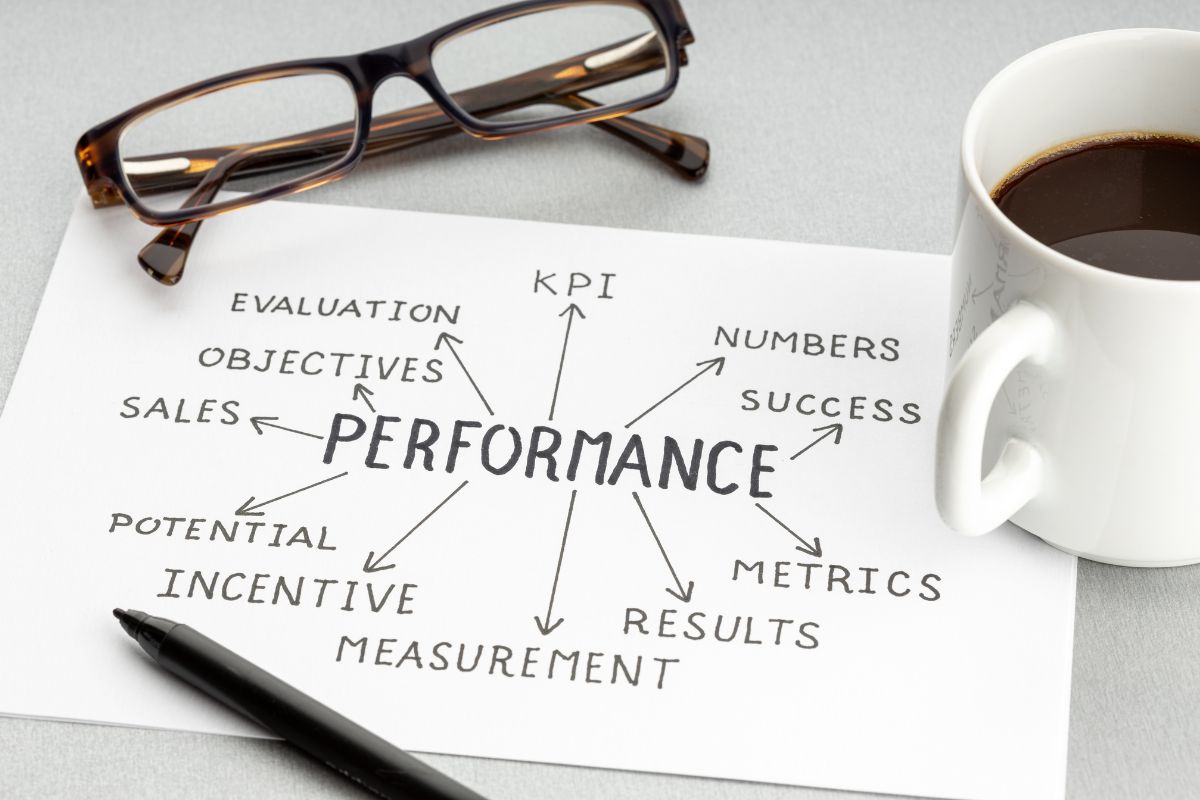
Measuring campaign performance is essential for making informed marketing decisions and maximizing results. The right metrics help businesses understand what is working, identify areas for improvement, and allocate budgets more effectively. As this performance marketing guide highlights, tracking the following key performance indicators (KPIs) enables businesses to optimize campaigns and achieve stronger returns on their marketing investment:

1. Return on Ad Spend (ROAS)

Return on Ad Spend (ROAS) measures the revenue generated for every amount spent on advertising. It is calculated by dividing revenue from a campaign by the total advertising cost. Tracking ROAS helps businesses identify their most profitable campaigns and allocate budgets toward strategies that generate the highest returns.

2. Cost Per Acquisition (CPA)

Cost Per Acquisition (CPA) measures how much it costs to acquire a new customer or generate a desired conversion. A lower CPA indicates that campaigns are acquiring customers more efficiently, making this metric essential for controlling marketing costs and improving profitability.

3. Click-Through Rate (CTR)

Click-Through Rate (CTR) measures the percentage of users who click on an advertisement after seeing it. A strong CTR often indicates that the ad copy, visuals, and targeting are relevant to the intended audience. Monitoring CTR helps businesses improve engagement and identify opportunities to enhance ad performance.

4. Conversion Rate

Conversion rate measures the percentage of users who complete a desired action after clicking on an advertisement, such as making a purchase, submitting a form, or signing up for a service. A higher conversion rate shows that both the campaign and the landing page are effectively encouraging users to take action.

5. Customer Lifetime Value (CLV)

Customer Lifetime Value (CLV) estimates the total revenue a customer is expected to generate throughout their relationship with a business. Understanding CLV helps businesses determine how much they can invest in acquiring new customers while maintaining long-term profitability.

6. Return on Investment (ROI)

Return on Investment (ROI) measures the overall profitability of a marketing campaign by comparing the revenue generated against the total costs involved. Unlike ROAS, which focuses only on advertising spend, ROI considers all marketing expenses, providing a broader view of campaign success. As emphasized throughout this performance marketing guide, regularly tracking ROI helps businesses make smarter investment decisions and build sustainable marketing strategies.

SEO vs Performance Marketing

Common Mistakes Businesses Make in Performance Marketing

Performance marketing can deliver exceptional results, but success depends on proper planning, execution, and continuous optimization. Even businesses with significant advertising budgets can struggle when common mistakes reduce campaign effectiveness and increase acquisition costs. As this performance marketing guide explains, avoiding the following mistakes can help improve campaign performance, maximize ROI, and support sustainable business growth.

1. Advertising Without Clear Goals

Launching campaigns without clearly defined objectives often leads to inconsistent results and wasted advertising spend. Every campaign should have measurable goals, such as increasing brand awareness, generating leads, driving website traffic, or boosting sales.

2. Poor Audience Targeting

Showing advertisements to the wrong audience reduces engagement and increases marketing costs. Businesses should use demographics, interests, online behavior, geographic location, and purchase intent to reach users who are most likely to convert.

3. Weak Ad Creatives

Low-quality visuals, unconvincing copy, and weak calls to action can prevent campaigns from capturing attention. Strong ad creatives communicate value quickly, encourage engagement, and improve conversion rates.

4. Ignoring Landing Page Optimization

A high-performing advertisement can still fail when it directs users to a poorly designed landing page. Fast loading speeds, mobile responsiveness, persuasive messaging, and clear calls to action are essential for turning visitors into customers.

5. Not Tracking Conversions

Without conversion tracking, businesses cannot accurately measure campaign performance or identify which advertisements generate results. Implementing tools such as Google Analytics and conversion tracking pixels provides the data needed for informed optimization.

6. Failing to Test Campaign Variations

Running the same advertisement without testing different headlines, visuals, audiences, or calls to action limits campaign potential. Regular A/B testing helps businesses discover the combinations that deliver the highest engagement and conversion rates.

7. Scaling Campaigns Too Quickly

Increasing advertising budgets before campaigns have proven consistent performance can reduce efficiency and increase acquisition costs. Businesses should scale gradually, using performance data to guide every budget increase.

8. Ignoring Performance Data

Performance marketing is built on data, yet some businesses fail to analyze campaign metrics regularly. Monitoring KPIs such as ROAS, CPA, CTR, and conversion rate helps identify opportunities for improvement and supports smarter marketing decisions.

9. Depending on One Marketing Channel

Relying entirely on a single platform limits reach and increases risk if costs rise or algorithms change. Diversifying campaigns across channels such as Google Ads, Meta Ads, TikTok Ads, email marketing, and SEO creates a more resilient and effective marketing strategy.

10. Managing Campaigns Without a Strategy

Launching campaigns without a structured marketing plan often leads to inconsistent messaging, poor budget allocation, and missed growth opportunities. As highlighted throughout this performance marketing guide, a clear strategy that aligns business goals, audience targeting, creative development, and continuous optimization is essential for achieving long-term success.

How to Build a Successful Performance Marketing Strategy

Building a successful performance marketing strategy requires more than launching advertisements and hoping for results. It involves setting clear objectives, understanding your audience, selecting the right channels, and continuously improving campaigns using real-time data. As this performance marketing guide demonstrates, following a structured approach helps businesses maximize ROI, generate qualified leads, and achieve sustainable growth:

1. Define Your Business Goals

Every successful strategy begins with clearly defined business goals. Whether your objective is increasing brand awareness, generating qualified leads, driving website traffic, or boosting online sales, setting measurable goals provides direction and makes it easier to evaluate campaign performance.

2. Understand Your Audience

Knowing your target audience is essential for delivering relevant and effective marketing campaigns. Analyze customer demographics, interests, online behavior, purchasing habits, and pain points to create personalized campaigns that attract high-quality prospects and improve conversion rates.

3. Choose the Right Marketing Channels

Select the digital marketing channels that best align with your objectives and audience. Google Ads can capture users with high purchase intent, Meta Ads are effective for audience targeting and engagement, LinkedIn Ads support B2B marketing, while TikTok Ads help increase product discovery and brand awareness. As outlined in this performance marketing guide, combining multiple channels often produces stronger and more consistent results.

4. Create High-Converting Campaigns

Develop campaigns that capture attention and encourage users to take action. Use compelling headlines, persuasive ad copy, high-quality visuals, engaging videos, and strong calls to action that communicate value and guide potential customers toward conversion.

5. Monitor and Optimize Continuously

Performance marketing requires ongoing monitoring and improvement. Regularly track key metrics such as ROAS, CPA, CTR, conversion rate, and ROI to identify opportunities for optimization. Continuous testing of audiences, creatives, bidding strategies, and landing pages helps improve campaign performance over time.

6. Scale Winning Campaigns

Once campaigns consistently deliver profitable results, gradually increase budgets and expand targeting to reach a larger audience. Scaling should always be guided by performance data to maintain efficiency and profitability. By applying the principles in this performance marketing guide, businesses can build a scalable marketing system that supports long-term growth and maximizes every advertising investment.

Why Choose Smepal Consultancy Agency Limited for Performance Marketing?

Choosing the right performance marketing partner can make the difference between inconsistent campaign results and sustainable business growth. At Smepal Consultancy Agency Limited, we combine strategic planning, platform expertise, and continuous optimization to help businesses generate qualified leads, increase sales, and maximize return on investment. As this performance marketing guide demonstrates, a data-driven approach is the foundation of successful digital marketing, and that’s exactly what we deliver:

1. Tailored Performance Marketing Strategies

Every business has unique goals, customers, and challenges. We develop customized performance marketing strategies that align with your objectives, target audience, industry, and budget to ensure every campaign delivers measurable results.

2. Multi-Platform Campaign Management

Our team plans, launches, and manages campaigns across leading digital platforms, including Google Ads, Meta Ads, TikTok Ads, LinkedIn Ads, and other relevant channels. This multi-channel approach helps your business reach potential customers throughout every stage of the buying journey.

3. Data-Driven Campaign Optimization

We continuously monitor campaign performance using key metrics such as ROAS, CPA, CTR, conversion rate, and ROI. By analyzing real-time data, we optimize targeting, bidding strategies, ad creatives, and budgets to improve performance and maximize your marketing investment.

4. Transparent Reporting and Insights

We believe every client should have complete visibility into campaign performance. Our detailed reports provide clear insights into traffic, leads, conversions, advertising costs, and overall campaign effectiveness, enabling you to make informed business decisions.

5. Conversion-Focused Marketing Approach

Our goal is not simply to increase traffic but to generate meaningful business results. We create high-converting campaigns, optimize landing pages, and refine customer journeys to help turn more visitors into qualified leads and loyal customers.

6. Long-Term Business Growth Partnership

We view every client relationship as a long-term partnership focused on continuous improvement and sustainable growth. As your business evolves, we refine your performance marketing strategy, identify new opportunities, and adapt to changing market trends to keep your campaigns delivering exceptional results.
Frequently Asked Questions About Performance Marketing

Performance marketing continues to be one of the most effective ways for businesses to generate measurable results and maximize their marketing investment. Below are answers to some of the most frequently asked questions to help you better understand how performance marketing works and how it can support your business growth:

1. What is performance marketing?

Performance marketing is a digital marketing approach where businesses pay for measurable actions such as clicks, leads, conversions, or sales. This model focuses on accountability, allowing businesses to track campaign performance and optimize spending based on real results.

2. How does performance marketing work?

Performance marketing works by setting clear objectives, targeting the right audience, launching campaigns across digital platforms, and tracking key performance metrics. Businesses then use this data to continuously optimize campaigns for better results and higher ROI.

3. What is included in a performance marketing guide?

A comprehensive performance marketing guide explains the fundamentals of performance marketing, campaign planning, audience targeting, marketing channels, performance metrics, optimization techniques, and best practices. It helps businesses understand how to build and manage campaigns that deliver measurable growth.

4. What are the benefits of performance marketing?

Performance marketing provides measurable results, better budget control, precise audience targeting, faster customer acquisition, and improved return on investment. It also allows businesses to make informed decisions using real-time campaign data.

5. Which businesses should use performance marketing?

Performance marketing is suitable for businesses of all sizes and industries, including e-commerce stores, professional service providers, healthcare organizations, educational institutions, real estate companies, and B2B businesses. Any business seeking measurable growth can benefit from this approach.

6. What platforms are used for performance marketing?

Popular performance marketing platforms include Google Ads, Meta Ads (Facebook and Instagram), TikTok Ads, LinkedIn Ads, email marketing, affiliate marketing, and other digital advertising networks. The right platform depends on your business goals and target audience.

7. How do you measure performance marketing success?

Success is measured using key performance indicators such as Return on Ad Spend (ROAS), Cost Per Acquisition (CPA), Click-Through Rate (CTR), conversion rate, Return on Investment (ROI), and revenue generated. These metrics help businesses evaluate campaign effectiveness and identify opportunities for improvement.

8. What is ROAS in performance marketing?

Return on Ad Spend (ROAS) measures how much revenue is generated for every amount spent on advertising. It is one of the most important metrics for evaluating campaign profitability and optimizing advertising budgets.

9. How much should I budget for performance marketing?

Your budget should be based on your business objectives, industry competition, target audience, and growth goals. Many businesses start with a manageable budget, analyze campaign performance, and gradually increase investment as profitable campaigns are identified.

10. Is performance marketing better than traditional marketing?

Performance marketing is often more effective because it focuses on measurable outcomes rather than estimated exposure. Unlike traditional marketing, it provides detailed performance data that allows businesses to optimize campaigns and improve ROI continuously.

11. Should I hire a performance marketing agency?

Working with a performance marketing agency gives businesses access to experienced professionals, advanced tools, and proven optimization strategies. It also saves time while helping maximize advertising budgets and achieve stronger marketing results.

12. Why choose Smepal Consultancy Agency Limited for performance marketing?

Smepal Consultancy Agency Limited develops customized performance marketing strategies that help businesses generate qualified leads, increase sales, and maximize ROI. Our team combines data-driven optimization, multi-platform campaign management, transparent reporting, and continuous performance improvement to deliver measurable and sustainable business growth.

SEO vs Performance Marketing

Grow Your Business with Smepal Consultancy Agency Limited Today

Take the guesswork out of your marketing by adopting a data-driven strategy that delivers measurable results and sustainable business growth. At Smepal Consultancy Agency Limited, we create and optimize high-performing performance marketing campaigns that generate qualified leads, increase sales, and maximize ROI. Contact our team today for a personalized consultation and discover how we can help your business achieve its growth goals.


Similar Posts