
Home » Workflow Transformation Services

Workflow Transformation Services

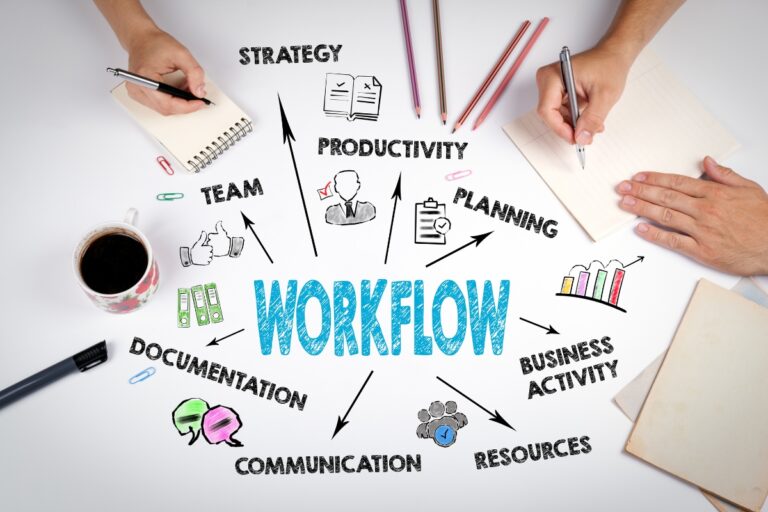
Workflow Transformation Services become important when businesses need to improve how tasks, information, approvals, employees, customers, and systems move through their operational processes. A structured workflow transformation approach can help organizations identify inefficient processes, reduce repetitive work, improve coordination, automate suitable activities, strengthen visibility, and create more consistent ways of working. Understanding Workflow Transformation Services can help businesses plan practical improvements across administrative processes, customer operations, internal workflows, approvals, reporting, service delivery, and digital systems.

What Are Workflow Transformation Services and Why Are They Important?

Workflow Transformation Services involve assessing existing business processes and redesigning how work moves between people, departments, systems, and customers. The transformation can involve process analysis, workflow redesign, automation, system integration, digital forms, notifications, dashboards, approvals, and other digital capabilities. A structured approach can help businesses align workflows with their operational requirements and technology environment:

1. What Are Workflow Transformation Services?

Workflow Transformation Services involve reviewing existing workflows and improving how activities are initiated, assigned, processed, approved, completed, and monitored. The transformation can include manual, digital, or hybrid processes across different departments and business functions. The specific approach should correspond to the organization’s operational requirements.

2. Why Are Workflow Transformation Services Important?

Inefficient workflows can create delays, duplicated work, communication gaps, unnecessary manual activities, and limited visibility into business operations. Workflow transformation can help businesses establish clearer processes and automate suitable activities. It can also provide more consistent information flow between employees, customers, and business systems.

3. When Should a Business Consider Workflow Transformation?

A business can consider workflow transformation when existing processes involve repeated manual tasks, approval delays, disconnected systems, duplicated data entry, unclear responsibilities, or limited reporting. Transformation can also become relevant when a business is growing and existing processes are becoming difficult to manage. The appropriate scope depends on the complexity and operational importance of the workflows involved.

4. What Types of Workflows Can Be Transformed?

Businesses can transform workflows involving sales enquiries, customer onboarding, procurement, approvals, employee processes, service requests, finance operations, document management, reporting, inventory, bookings, communication, and other activities. Workflow transformation can also connect processes that currently operate across separate departments or systems. The workflow should be assessed based on its actual business requirements.

5. What Is the Main Goal of Workflow Transformation?

The main goal is to create more structured, efficient, visible, and manageable ways for work to move through the organization. This can involve simplifying processes, reducing unnecessary activities, automating repetitive tasks, improving information flow, and connecting relevant systems. The transformation should support defined business objectives rather than introducing technology without a clear operational purpose.

What Should Businesses Assess Before Workflow Transformation?

Businesses should understand how existing work is performed before redesigning or automating a workflow. This can involve reviewing processes, people, systems, information, approvals, dependencies, bottlenecks, and expected outcomes. Assessing the current workflow provides a foundation for identifying appropriate transformation opportunities:

1. Existing Business Processes

Businesses can document how activities currently move from initiation to completion. This may include the people involved, systems used, information required, approvals, handoffs, and final outcomes. Understanding the current process can reveal areas that require redesign.

2. Manual and Repetitive Activities

Businesses can identify activities that require repeated data entry, document preparation, notifications, follow-ups, approvals, or information transfers. Some of these activities may be suitable for automation. Others may require process changes before automation is introduced.

3. Workflow Bottlenecks

Bottlenecks can occur when work depends on specific employees, approvals, systems, information, or manual steps. Businesses can identify where tasks regularly wait or require additional intervention. Addressing these points can improve workflow continuity.

4. Roles and Responsibilities

Workflow transformation should establish who initiates, receives, processes, approves, reviews, and completes each activity. Clear responsibilities can reduce confusion and unnecessary handoffs. Role definitions should correspond to the organization’s operating structure.

5. Systems and Tools

Existing workflows may involve websites, spreadsheets, email, accounting platforms, CRM systems, ERP systems, databases, communication tools, or custom applications. Businesses can identify how these systems currently exchange or fail to exchange information. This assessment can inform integration and automation requirements.

6. Data and Information Flow

Businesses can examine what information enters a workflow, where it is stored, who accesses it, and how it moves between activities. This can identify duplicated data entry, missing information, inconsistent records, or unnecessary transfers. Improving information flow can support more reliable workflows.

7. Approval and Decision Processes

Many business workflows depend on approvals or decisions from specific employees or departments. Businesses can review approval criteria, authorization levels, escalation procedures, and notification processes. This can help identify opportunities for clearer and more structured approval workflows.

How Do Workflow Transformation Services Work?

Workflow transformation can follow a structured process that begins with understanding existing operations and continues through redesign, technology planning, implementation, testing, and monitoring. The process should be adapted to the organization’s requirements and the complexity of the workflows involved. The following stages can support a practical transformation approach:

1. Assess Current Workflows

The business can document existing processes, responsibilities, systems, information flows, approvals, and operational challenges. This provides a current-state view of how work is performed. The assessment can establish the areas requiring further analysis.

2. Identify Workflow Problems

The transformation process can identify delays, duplication, manual activities, communication gaps, unnecessary approvals, disconnected systems, and other workflow issues. Problems should be connected to their operational impact. This helps establish which improvements require attention.

3. Define Future Workflow Requirements

Businesses can establish how the improved workflow should operate. Requirements can include task assignment, approvals, notifications, data collection, system integrations, automation, reporting, user access, and escalation procedures. Future requirements should remain aligned with business objectives.

4. Redesign the Workflow

The workflow can then be redesigned to remove unnecessary steps, clarify responsibilities, improve information flow, and introduce suitable automation. The redesigned process should be practical for the employees and systems that will use it. Documentation can help stakeholders understand the proposed workflow.

5. Plan Technology Requirements

Technology requirements can include workflow platforms, custom software, APIs, databases, dashboards, digital forms, automation tools, notifications, and integrations. The technology should support the redesigned process. Businesses can also consider scalability, security, maintenance, and future requirements.

6. Implement the Transformed Workflow

Implementation can involve configuring existing platforms, developing custom systems, integrating applications, automating tasks, creating forms, establishing notifications, and setting user permissions. Implementation activities should follow the agreed workflow requirements. Testing should take place before the transformed process is introduced fully.

7. Test and Monitor the Workflow

Businesses can test whether tasks, approvals, notifications, integrations, data, and reporting operate as expected. After implementation, workflow performance can be monitored to identify issues and opportunities for improvement. Ongoing monitoring can support continuous workflow optimization.

What Are the Key Components of Workflow Transformation Services?

Workflow transformation can involve several operational and technical components depending on the process being improved. Businesses can combine process redesign with appropriate digital capabilities rather than treating automation as the entire transformation. The following components can form part of a workflow transformation project:

1. Process Mapping

Process mapping provides a visual or documented representation of how work moves through the organization. It can show activities, decisions, responsibilities, systems, inputs, outputs, and handoffs. This can help stakeholders understand the existing and proposed workflows.

2. Workflow Redesign

Workflow redesign involves changing the sequence, responsibilities, decisions, information flow, or activities within a process. The objective can be to create a clearer and more practical operating process. Redesign should address identified business requirements and workflow problems.

3. Workflow Automation

Automation can handle suitable repetitive activities such as notifications, task creation, data transfers, reminders, document generation, approvals, or status updates. Automation should be applied where it provides a practical operational benefit. Processes should be understood before automated rules are introduced.

4. Digital Forms

Digital forms can standardize how information enters a workflow. They can capture required data, support validation, assign requests, and trigger subsequent activities. Forms can replace some manual or inconsistent information collection processes.

5. Task Management

Workflow systems can assign tasks to employees, teams, or departments based on defined rules. Task management can provide information about responsibilities, deadlines, statuses, and outstanding activities. This can improve visibility across operational processes.

6. Notifications and Alerts

Automated notifications can inform users when tasks are assigned, approvals are required, deadlines approach, or workflow stages change. Notifications can reduce the need for manual follow-ups. Their design should correspond to the importance and frequency of workflow events.

7. Workflow Dashboards

Dashboards can provide visibility into workflow volumes, statuses, pending activities, completion rates, processing times, and other relevant information. Management can use this information to monitor operational performance. Dashboard requirements should reflect the decisions the business needs to make.

8. System Integration

Workflow transformation may require systems to exchange information automatically. Integrations can connect websites, CRM platforms, accounting systems, databases, payment platforms, ERP systems, communication tools, and custom applications. Integration requirements should be documented and tested as part of the transformation.

How Can Workflow Automation Support Workflow Transformation?

Workflow automation can form one component of a broader workflow transformation strategy. Automation can reduce manual intervention in suitable activities while allowing employees to focus on tasks that require judgment, communication, or decision-making. The following areas can demonstrate how automation can support transformed workflows:

1. Automating Task Assignment

A workflow system can automatically assign tasks based on predefined conditions such as department, request type, customer category, location, or employee role. This can reduce manual distribution of work. Assignment rules should be clearly defined before implementation.

2. Automating Approvals

Approval workflows can route requests to authorized individuals according to defined rules. The system can record approval decisions, dates, comments, and status changes. Escalation rules can also be introduced where appropriate.

3. Automating Notifications

Systems can send notifications when specific workflow events occur. These can include new requests, pending approvals, completed activities, approaching deadlines, or workflow exceptions. Automated notifications can reduce manual follow-up activities.

4. Automating Data Transfers

Information can be transferred between connected systems through integrations or APIs. This can reduce repeated data entry and improve information availability across applications. Data transfer rules should account for validation, security, and error handling.

5. Automating Document Processes

Businesses can automate document generation, routing, approvals, storage, and status updates where suitable. This can create more consistent document workflows. Requirements should define document ownership, access, retention, and approval responsibilities.

6. Automating Recurring Activities

Recurring tasks such as reminders, reports, follow-ups, renewals, or scheduled checks can be automated based on defined conditions or dates. This can reduce dependence on manual tracking. Automated activities should still have appropriate monitoring and exception handling.

What Benefits Can Workflow Transformation Services Provide?

The effects of workflow transformation depend on the processes involved, the quality of implementation, and how employees and systems adopt the redesigned workflows. Businesses can target improvements in operational structure, visibility, coordination, and information management. Potential areas of improvement include:

1. Improved Process Efficiency

Redesigned workflows can reduce unnecessary steps, repeated activities, and manual handoffs. This can make some processes easier to manage. The actual improvement depends on the existing workflow and the changes introduced.

2. Reduced Manual Work

Automation and digital processes can reduce repetitive activities such as data entry, notifications, status updates, and routine task allocation. Employees can then spend more time on activities requiring human judgment or interaction. Not every manual activity should necessarily be automated.

3. Better Workflow Visibility

Digital workflows can provide information about task status, ownership, pending approvals, processing times, and completed activities. Managers can use this information to monitor operations. Visibility depends on appropriate workflow design and reporting.

4. Improved Accountability

Assigned tasks, deadlines, approvals, and status records can make responsibilities clearer. Workflow systems can also maintain records of relevant activities. Accountability requirements should be designed according to the process.

5. Better Information Flow

Integrated workflows can reduce unnecessary movement of information between disconnected tools. Relevant data can become available to the people and systems that need it. This can support more consistent operational processes.

6. More Consistent Processes

Standardized workflows can establish common procedures for recurring activities. This can reduce variation in how similar requests are handled. Businesses can still allow appropriate exceptions where operational circumstances require them.

7. Improved Reporting

Workflow data can support operational reports and dashboards covering volumes, processing times, pending work, completed tasks, and other measures. Reporting requirements should be defined around actual management needs. Reliable reporting also depends on consistent data capture.

8. Greater Operational Scalability

Structured workflows can make it easier to manage increasing volumes of work, users, customers, or transactions. Automation and integration can reduce the amount of manual coordination required as operations grow. Scalability requirements should be considered during workflow design.

What Challenges Can Businesses Face During Workflow Transformation?

Workflow transformation can introduce operational, technical, and organizational challenges. Identifying these challenges early can help businesses plan appropriate controls and implementation activities. The following areas may require attention:

1. Poorly Documented Existing Processes

Businesses may not have complete documentation of how work is actually performed. Employees may rely on informal procedures, emails, spreadsheets, or personal knowledge. Process discovery can help establish a more accurate current-state view.

2. Resistance to Process Changes

Employees may need to adapt to new responsibilities, systems, approval procedures, or digital tools. Clear communication, training, user testing, and stakeholder involvement can support the transition. Adoption requirements should form part of the implementation plan.

3. Automating Inefficient Processes

Automating an inefficient process without redesigning it can transfer existing problems into a digital system. Businesses should first understand whether the process requires simplification or restructuring. Automation should support an improved workflow rather than simply reproduce unnecessary steps.

4. Integration Complexity

Connecting multiple systems can involve APIs, databases, authentication, data structures, security requirements, and error handling. Integration complexity can increase when systems were not designed to exchange information. Technical assessment should identify these requirements before implementation.

5. Data Quality Issues

Inconsistent, incomplete, duplicated, or outdated information can affect transformed workflows. Data validation, cleanup, migration, and governance may therefore be required. The appropriate data management approach depends on the systems involved.

6. Unclear Workflow Ownership

A workflow can become difficult to manage when no person or department is responsible for maintaining it. Businesses should define process ownership and responsibilities. Ownership can include reviewing workflow performance and approving future changes.

7. Scope Expansion

Workflow transformation projects can expand as additional processes, integrations, automation rules, and reporting requirements are identified. Businesses can manage this by defining an initial scope and documenting future requirements separately. Change management can help control project expansion.

How Should Businesses Plan a Workflow Transformation Project?

A workflow transformation project can be structured around clear objectives, processes, requirements, technology, implementation stages, and performance measures. Planning should consider both operational changes and technical implementation. The following areas can support project planning:

1. Define Transformation Objectives

Businesses should establish what they want the transformed workflow to achieve. Objectives can involve reducing manual work, improving response times, increasing visibility, standardizing processes, improving information flow, or supporting growth. Objectives provide a basis for measuring the transformation.

2. Prioritize Workflows

Not every workflow needs to be transformed at the same time. Businesses can prioritize processes based on operational importance, frequency, complexity, manual effort, customer impact, risk, or improvement opportunities. Prioritization can support a manageable implementation roadmap.

3. Document Functional Requirements

Functional requirements can describe what the transformed workflow needs to do. These may include forms, task assignment, approvals, notifications, integrations, user roles, dashboards, reports, and workflow rules. Requirements should be documented before development or configuration begins.

4. Define Technical Requirements

Technical requirements can cover applications, databases, APIs, hosting, authentication, security, integrations, performance, backups, and infrastructure. These requirements should support the functional workflow. Technical planning can also consider future expansion.

5. Establish Implementation Phases

Larger workflow transformation projects can be divided into stages such as discovery, process redesign, development or configuration, integration, testing, training, deployment, and monitoring. Phased implementation can allow businesses to validate each stage before expanding the transformation.

6. Plan User Training

Employees should understand how their responsibilities change after workflow transformation. Training can cover new systems, task handling, approvals, dashboards, notifications, and exception processes. Training requirements depend on the scope of the transformation.

7. Establish Performance Measures

Businesses can define measures such as processing time, pending tasks, completion rates, manual interventions, error rates, workflow volumes, or response times. These measures can help evaluate whether the transformed workflow is operating as intended. Measurement should reflect the objectives established at the beginning of the project.

How Much Do Workflow Transformation Services Cost?

The cost of Workflow Transformation Services depends on the number and complexity of workflows, existing systems, automation requirements, integrations, custom software development, user volumes, security requirements, implementation scope, and ongoing support. A straightforward workflow redesign can require less investment than a transformation involving multiple departments, custom systems, and several integrations. Businesses should define the required scope before developing a detailed cost estimate:

1. Process Assessment Costs

The initial assessment may involve process discovery, stakeholder discussions, workflow mapping, requirements documentation, and analysis of existing systems. The scope depends on the number of processes and departments involved. More complex operations may require a deeper assessment.

2. Workflow Design Costs

Redesigning workflows can involve process mapping, requirements analysis, user roles, approval structures, automation rules, and future-state documentation. The cost depends on the complexity and number of workflows. Specific requirements should be established before pricing.

3. Automation Costs

Automation costs can depend on the number of automated activities, workflow rules, platforms, integrations, and exceptions involved. Existing automation tools may require configuration, while more complex requirements may require custom development. Licensing costs may also apply depending on the technology used.

4. Integration Costs

Integration costs can vary according to the systems involved, available APIs, data structures, authentication requirements, and integration complexity. Connecting multiple systems may require additional development and testing. Integration requirements should be assessed during planning.

5. Custom Software Development Costs

Some workflow requirements may require custom web applications, portals, dashboards, databases, or business management systems. Development costs depend on functionality, design, technology, integrations, security, testing, and support requirements. The actual investment should be determined from the documented scope.

6. Implementation and Training Costs

Implementation can involve configuration, data migration, deployment, user setup, training, documentation, and launch support. These activities may be included in a project or priced separately. Businesses should clarify the implementation scope before engagement.

7. Maintenance and Support Costs

Transformed workflows may require monitoring, troubleshooting, system updates, security maintenance, workflow changes, and future enhancements. Ongoing support costs depend on the systems and service requirements involved. Businesses should consider lifecycle support during planning.

How Can Smepal Support Workflow Transformation Services?

At Smepal Consultancy Agency, we can help businesses assess existing workflows, define transformation requirements, redesign business processes, plan workflow automation, connect systems, and develop digital solutions around operational needs. We can support workflow analysis, custom digital systems, business software development, integrations, dashboards, CRM-related solutions, client portals, business management systems, automation, and other digital requirements. Our approach can help businesses move from fragmented or manual processes toward more structured digital workflows:

1. Assessing Existing Workflows

We can review how your teams, departments, systems, and customers interact across existing processes. This can help identify manual activities, bottlenecks, duplicated work, information gaps, and workflow dependencies. The assessment can establish a clearer starting point for transformation.

2. Mapping Business Processes

We can document current workflows and identify the activities, responsibilities, systems, information, decisions, and handoffs involved. Process mapping can provide a basis for redesign. The resulting documentation can also support future technology planning.

3. Redesigning Workflows

We can help restructure workflows around your operational requirements. This can involve simplifying activities, clarifying responsibilities, improving approvals, reducing unnecessary handoffs, and defining future-state processes. The redesigned workflow can then inform automation or software requirements.

4. Planning Workflow Automation

We can identify activities that may be suitable for automation and define the required rules, triggers, notifications, approvals, and exceptions. Automation can be incorporated into a broader workflow transformation plan. The approach should remain aligned with your business processes.

5. Developing Custom Digital Systems

Where existing platforms do not adequately support the required workflow, we can help define requirements for custom digital systems. These may include web applications, dashboards, business management systems, client portals, enquiry systems, booking systems, CRM-related solutions, and other applications. The system structure can be based on your operational requirements.

6. Connecting Business Systems

We can help define integration requirements between websites, databases, payment systems, CRM platforms, accounting applications, communication tools, and other systems. This can support more connected information flows. Integration planning can also identify data and technical dependencies.

7. Creating Workflow Dashboards

We can help define dashboards for monitoring workflow activity, task status, pending approvals, processing information, performance measures, and operational reporting. Dashboards can give relevant users better visibility into ongoing work. Reporting requirements can be aligned with management needs.

8. Structuring Transformation Phases

We can help divide workflow transformation into practical stages based on priorities, technical requirements, available resources, and operational needs. This can allow businesses to address priority workflows before expanding into additional processes. A phased approach can also provide a structured roadmap for future digital improvements.

How Can Businesses Improve Workflow Transformation After Implementation?

Workflow transformation should not necessarily end when a new process or system goes live. Businesses can review workflow performance, user feedback, system data, and changing operational requirements to identify further improvements. The following practices can support continuous workflow improvement:

1. Monitor Workflow Performance

Businesses can review processing times, task volumes, pending activities, errors, approvals, and other relevant measures. Monitoring can identify whether the transformed workflow is operating as expected. Performance measures should correspond to the original transformation objectives.

2. Gather User Feedback

Employees and other workflow users can identify practical issues that may not have appeared during design or testing. Feedback can cover usability, task allocation, notifications, forms, reporting, and workflow steps. This information can support future improvements.

3. Review Automation Rules

Automation requirements can change as processes and business conditions change. Businesses can periodically review triggers, rules, notifications, approvals, and exceptions. Unnecessary or outdated automation can then be revised.

4. Maintain Workflow Documentation

Updated process maps, requirements, system documentation, and workflow rules can help businesses maintain operational knowledge. Documentation can also support onboarding and future system changes. Ownership for maintaining documentation should be clearly established.

5. Plan Future Improvements

Businesses can maintain a list of additional automation, integrations, reporting, software, and process improvements. This can create a practical roadmap for continued workflow development. Future improvements can be prioritized according to changing business requirements.

Frequently Asked Questions About Workflow Transformation Services

Businesses often ask how workflow transformation works, what processes can be transformed, whether automation is required, how much transformation costs, and what technology may be involved. Understanding these questions can help organizations plan workflow improvements more effectively:

1. What Are Workflow Transformation Services?

Workflow Transformation Services involve assessing and improving how work, information, tasks, approvals, and systems move through business processes. The services can include process mapping, workflow redesign, automation, integrations, digital forms, dashboards, and custom software development. The scope depends on the organization’s operational requirements.

2. Why Is Workflow Transformation Important for Businesses?

Workflow transformation can help businesses address inefficient processes, repetitive manual work, communication gaps, approval delays, disconnected systems, and limited operational visibility. It can also create more structured processes as organizations grow. The actual benefits depend on the workflows transformed and the quality of implementation.

3. What Is the Difference Between Workflow Automation and Workflow Transformation?

Workflow automation focuses on using technology to perform or coordinate specific activities automatically. Workflow transformation is broader and can involve analyzing, redesigning, simplifying, integrating, and automating entire business processes. Automation can therefore form one part of a wider workflow transformation strategy.

4. Which Business Processes Can Be Transformed?

Businesses can transform workflows involving sales, customer onboarding, procurement, finance, approvals, employee processes, service requests, document management, reporting, bookings, inventory, communication, and other operations. The appropriate processes depend on the organization’s requirements. Each workflow should be assessed before transformation.

5. How Long Does Workflow Transformation Take?

The timeline depends on the number of workflows, process complexity, stakeholder involvement, existing systems, automation requirements, integrations, custom development, testing, and implementation scope. A simple workflow improvement may require less time than a multi-department digital transformation project. A defined project scope can provide a more practical timeline.

6. How Much Do Workflow Transformation Services Cost?

Costs depend on process assessment, workflow redesign, automation, integrations, custom software, implementation, training, technology licensing, and ongoing support requirements. Projects involving several systems and complex automation can require more resources than simpler workflow improvements. A detailed estimate should be based on documented requirements.

7. Does Workflow Transformation Require Custom Software?

Not every workflow transformation requires custom software. Some processes can be improved through process redesign, configuration of existing platforms, automation tools, integrations, or digital forms. Custom software may be appropriate where existing systems cannot adequately support the required workflow.

8. Can Workflow Transformation Integrate Existing Business Systems?

Yes. Workflow transformation can include integrations between existing systems such as websites, databases, CRM platforms, accounting applications, payment systems, communication tools, and custom applications. The integration approach depends on available APIs, data structures, security requirements, and technical capabilities.

9. How Can Workflow Transformation Improve Business Operations?

It can help structure task assignment, approvals, information flow, notifications, reporting, and repetitive activities. Digital workflows can also provide greater visibility into pending and completed work. The operational impact depends on the processes and requirements involved.

10. Can Small and Growing Businesses Use Workflow Transformation Services?

Yes. Small and growing businesses can transform selected workflows based on their operational priorities and available resources. A business can begin with high-volume or repetitive processes and expand the transformation as requirements grow. A phased approach can help manage implementation scope.

11. How Can Businesses Measure Workflow Transformation Success?

Businesses can measure areas such as processing time, task completion, pending work, manual interventions, error rates, workflow volumes, response times, and user adoption. The selected measures should relate directly to the transformation objectives. Baseline information can help businesses understand changes after implementation.

12. Can Smepal Help With Workflow Transformation in Kenya?

Smepal Consultancy Agency can help businesses assess workflows, define requirements, redesign processes, plan automation, structure digital systems, evaluate integrations, and develop technology requirements around business operations in Kenya and other markets. The scope can include custom digital systems, business software, dashboards, client portals, workflow automation, integrations, and related digital solutions. Businesses can discuss their specific workflow requirements before defining an appropriate transformation approach.

Start Your Workflow Transformation With Smepal Consultancy Agency Today!

Take the next step with Smepal Consultancy Agency to assess your existing workflows, identify process improvement opportunities, define automation requirements, redesign business processes, plan system integrations, and structure practical digital workflow solutions. Contact us to discuss Workflow Transformation Services, workflow automation, custom digital systems, business software development, dashboards, CRM-related solutions, client portals, business management systems, integrations, or other digital requirements.