
Home » Digital Systems Solutions

Digital Systems Solutions

Digital systems solutions become increasingly relevant when businesses need to address operational, technological, information, workflow, customer service, reporting, automation, integration, and digital capability requirements through structured technology solutions. Organizations may require digital systems solutions for business applications, workflow systems, databases, dashboards, customer portals, internal management platforms, automation, system integrations, reporting environments, or other digital capabilities. Understanding digital systems solutions can help businesses identify requirements, assess existing technologies, define suitable solutions, coordinate implementation, and establish longer-term digital systems objectives.

What Are Digital Systems Solutions and How Do They Work?

Digital systems solutions involve applying suitable digital technologies, applications, processes, integrations, data structures, and other system components to address defined business requirements. The work can include requirements analysis, system design, application development, configuration, integration, automation, reporting, security, implementation, maintenance, and continuous improvement depending on the organization’s needs. Understanding how digital systems solutions work provides a foundation for determining which capabilities may be appropriate for specific business requirements:

1. What Are Digital Systems Solutions?

Digital systems solutions are technology-based solutions designed to support business processes, users, information, operations, customer interactions, and organizational objectives. They can involve custom applications, existing software platforms, databases, dashboards, portals, integrations, automation, reporting systems, or combinations of connected technologies. The appropriate solution depends on the organization’s processes, technology environment, resources, requirements, and objectives.

2. What Do Digital Systems Solutions Include?

Digital systems solutions can include business applications, system architecture, databases, user interfaces, workflow systems, automation, integrations, dashboards, reporting platforms, customer portals, employee systems, management systems, security controls, and other digital capabilities. The actual scope depends on the organization’s operational and technical requirements. A solution may address one business process or connect several systems across an organization.

3. How Do Digital Systems Solutions Work?

Digital systems solutions generally begin with understanding the organization’s business processes, users, information, existing systems, challenges, and objectives. These requirements can guide the selection, configuration, design, development, integration, testing, and implementation of suitable digital technologies. The resulting systems can then be managed, monitored, maintained, and improved according to changing business requirements.

4. What Can Digital Systems Solutions Address?

Digital systems solutions can address manual processes, disconnected applications, duplicated information, limited reporting, inefficient workflows, application requirements, integration challenges, customer service processes, data management requirements, automation opportunities, and other digital technology needs. The appropriate solution depends on the organization’s operating structure and objectives. Businesses can therefore assess specific requirements before determining which digital systems solutions are suitable.

5. Why Do Digital Systems Solutions Matter?

Digital systems solutions can help businesses create, connect, automate, organize, manage, and improve the technologies supporting their operations. Structured solutions can translate business requirements into applications, workflows, databases, integrations, reporting systems, and other digital capabilities. This can provide a practical foundation for supporting current operations while establishing capabilities for future digital requirements.

What Factors Affect Digital Systems Solutions?

Once the purpose of digital systems solutions is understood, businesses can examine the factors that influence which technologies and approaches may be appropriate. These factors can affect business processes, users, applications, information, integrations, security, investment, implementation, and organizational requirements. Considering them together can provide a practical basis for defining suitable digital systems solutions:

1. Business Objectives

Business objectives establish what an organization expects its digital systems to support or improve. Objectives may involve improving operations, managing customers, automating workflows, organizing information, strengthening reporting, connecting systems, or developing new digital services. Clearly defined objectives can help guide solution requirements and technology priorities.

2. Existing Business Processes

Current business processes influence which digital systems solutions may be appropriate. Businesses can examine how employees perform tasks, process transactions, communicate, approve activities, manage information, and deliver services. Understanding these processes can help ensure that digital solutions support actual business activities.

3. Existing Technology Environment

The existing technology environment may include websites, software applications, databases, CRM platforms, accounting systems, ERP systems, communication tools, payment services, cloud platforms, and other technologies. Understanding this environment can help determine what should be retained, integrated, replaced, configured, or developed. This can reduce unnecessary duplication and support connected digital systems.

4. User Requirements

Employees, managers, customers, suppliers, partners, and other stakeholders may interact with digital systems differently. Their responsibilities, access requirements, information needs, workflows, and technical capabilities can influence system functionality and interface design. Understanding users can help businesses establish solutions around practical activities and requirements.

5. Business Data Requirements

Digital systems solutions often depend on customer records, financial information, inventory, employee information, transactions, documents, operational data, and other business information. Businesses need to understand how information is collected, stored, accessed, transferred, analyzed, and protected. Clear data requirements can provide a stronger foundation for applications, databases, reporting, and integrations.

6. Integration Requirements

Businesses may need multiple applications and platforms to exchange information and support connected workflows. Digital systems solutions can involve connections between CRM platforms, accounting systems, ERP systems, websites, payment services, databases, communication tools, customer portals, or custom applications. Defining integration requirements early can help reduce disconnected processes and repeated data entry.

7. Security Requirements

Digital systems can involve users, applications, integrations, databases, and sensitive business information. Businesses may therefore require authentication, authorization, access controls, encryption, backups, monitoring, audit records, and other security measures according to their requirements. Security considerations should be incorporated into solution planning, development, implementation, and management.

8. Organizational Readiness

Employees may need to adopt new systems, workflows, responsibilities, and methods of working when digital solutions are introduced. Businesses can assess internal skills, available resources, training requirements, communication needs, leadership involvement, and implementation capacity. Understanding organizational readiness can support a more practical solution implementation approach.

9. Scalability Requirements

Digital systems may need to support changes in users, transactions, locations, services, departments, data, integrations, and business operations over time. Scalability requirements can influence application architecture, databases, infrastructure, integrations, and technology choices. Considering realistic future requirements can help businesses select solutions that can develop alongside their operations.

10. Costs and Investment

Digital systems solutions can involve requirements analysis, system design, software, application development, databases, integrations, infrastructure, security, testing, training, implementation, maintenance, and future improvements. Costs can vary according to solution complexity, functionality, users, integrations, data requirements, and implementation scope. Evaluating the complete requirements provides a more useful basis for understanding investment needs.

What Are the Main Areas of Digital Systems Solutions?

Digital systems solutions can support different areas of an organization’s technology environment depending on its objectives, processes, users, information, and operational requirements. The appropriate areas depend on what the business needs to design, develop, connect, automate, manage, or improve. Examining practical applications helps businesses understand where digital systems solutions may become relevant:

1. Digital Systems Architecture

Businesses can establish technical structures that determine how applications, databases, interfaces, integrations, users, workflows, and other components interact. Architecture can consider functionality, scalability, security, performance, technology dependencies, and future development requirements. A suitable architecture can provide a foundation for connected digital systems.

2. Business Systems Requirements

Digital systems solutions can help businesses define what a system needs to accomplish, who will use it, what information it will manage, and which processes it should support. Requirements can include functionality, workflows, integrations, reporting, security, user access, performance, and technical considerations. Clearly defined requirements can provide a foundation for selecting, configuring, or developing suitable solutions.

3. Digital Application Solutions

Businesses may require custom or configured applications to support specific processes, users, data, workflows, customer interactions, or operational activities. Solutions can involve application architecture, interfaces, business logic, databases, authentication, testing, deployment, and future improvement. Applications can be structured around the organization’s specific requirements.

4. System Integration Solutions

Digital systems solutions can connect relevant applications and platforms so they can exchange information and support connected processes. Integrations may involve CRM systems, accounting platforms, ERP systems, payment services, websites, databases, communication tools, or custom applications. The appropriate integrations depend on business workflows and technical requirements.

5. Business Process Digitization

Businesses can convert manual records, requests, approvals, transactions, workflows, and other activities into structured digital processes. Solutions can involve digital forms, workflow systems, databases, interfaces, notifications, and reporting capabilities. The appropriate approach depends on the organization’s operating requirements and the processes being digitized.

6. Business Process Automation

Automation solutions can support activities such as notifications, approvals, assignments, calculations, reminders, data transfers, reporting, and status updates. Digital systems solutions can establish automation around clearly defined business rules and workflows. The appropriate automation depends on the organization’s processes and requirements.

7. Digital Dashboards and Reporting

Businesses may require dashboards and reporting solutions to organize and monitor operational information. Development can involve data structures, reporting logic, visualization interfaces, user access, filtering, calculations, and information flows. Reporting solutions can be structured around the decisions and activities the organization needs to monitor.

8. Customer and Employee Portals

Organizations may require customer or employee portals for applications, account management, document access, service requests, communication, reporting, workflows, or other activities. Digital systems solutions can include portal interfaces, user accounts, permissions, workflows, databases, integrations, and security controls. The portal can provide structured access to relevant digital services and information.

9. Digital Business Management Systems

Businesses can use connected systems to manage customers, sales, inventory, projects, employees, finances, services, tasks, documents, and other operational areas. Solutions can involve custom management applications or extensions and configurations of existing platforms where appropriate. The specific capabilities depend on the organization’s operating model and technology requirements.

What Are the Main Steps for Implementing Digital Systems Solutions?

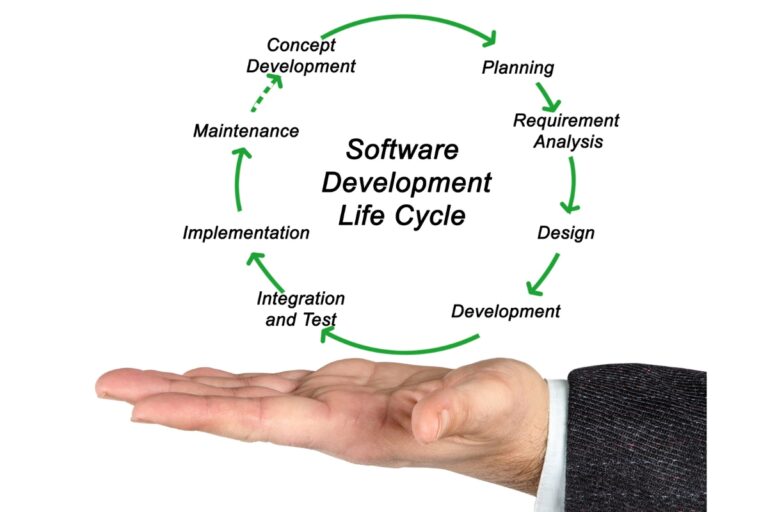
A structured approach helps businesses move from identifying a business requirement to assessing available technologies, defining solution requirements, designing or configuring systems, developing functionality, testing applications, implementing technology, and improving digital capabilities. Each stage contributes to understanding business processes, users, information, technical requirements, and organizational objectives. Organizing the process systematically can also provide clearer control over solution scope, investment, security, implementation, and long-term systems management:

1. Assess the Current Systems Environment

The process can begin by examining current systems, applications, business processes, users, data, integrations, technology, workflows, and operational activities. This assessment can identify areas that may require replacement, integration, digitization, automation, redesign, or improvement. Establishing the current environment provides a foundation for defining solution requirements.

2. Identify Business and Technology Objectives

Businesses can define what they want their digital systems to accomplish. Objectives may include improving operations, supporting customers, managing information, automating processes, connecting systems, strengthening reporting, or developing new capabilities. These objectives can help establish the scope and priorities of the digital solution.

3. Identify Digital Systems Opportunities

The organization can review current processes and technologies to identify opportunities for digital improvement. Opportunities may involve manual activities, disconnected systems, repeated data entry, limited information access, slow workflows, reporting limitations, or customer service processes. Each opportunity can be assessed according to business requirements and technical considerations.

4. Define Solution Requirements

Requirements can describe users, processes, functionality, information, integrations, security, reporting, infrastructure, access, performance, training, and implementation needs. Requirements should reflect the actual activities and objectives that the solution needs to support. They can then provide a foundation for solution design, technology selection, development, and implementation.

5. Evaluate Suitable Digital Solutions

Businesses can assess whether existing software, configurable platforms, custom applications, integrations, automation tools, or combinations of technologies can address their requirements. The evaluation can consider functionality, compatibility, scalability, security, usability, integration requirements, resources, and future needs. This can help establish an approach that reflects the organization’s actual requirements.

6. Design the Digital Solution

Businesses can define application structures, interfaces, databases, workflows, integrations, reports, user roles, permissions, and other digital system components. Solution design should consider usability, security, scalability, information requirements, technical dependencies, and operational responsibilities. The resulting design can provide a practical basis for development or configuration.

7. Develop and Configure Digital Technologies

Implementation can involve creating custom applications, configuring existing platforms, establishing databases, implementing workflows, building integrations, introducing automation, or extending existing systems. The appropriate approach depends on the defined requirements and existing technology environment. Development and configuration should remain connected to practical business needs.

8. Integrate Relevant Systems

Relevant applications can be connected according to defined data and workflow requirements. Integration may allow customer, financial, inventory, operational, payment, or other information to move between systems. Each integration should be assessed and tested according to the business activities it is intended to support.

9. Test and Implement Digital Solutions

Testing can evaluate functionality, workflows, user access, data handling, integrations, reporting, security, performance, usability, and other applicable capabilities. Identified issues can be addressed before broader implementation. Deployment can then be supported through communication, training, documentation, and user preparation where required.

10. Maintain and Improve Digital Solutions

Digital systems require ongoing maintenance because business requirements, users, technologies, integrations, security needs, and organizational priorities can change. Businesses can monitor system usage, technical issues, user feedback, security requirements, process performance, and operational results. These findings can inform future system improvements and additional digital solution initiatives.

How Does Digital Systems Strategy Affect Digital Systems Solutions?

A digital systems strategy influences how businesses define requirements, prioritize technologies, select solutions, manage investment, and coordinate development or implementation activities. Without a clear relationship between digital systems and business objectives, individual solutions may operate independently without addressing broader operational requirements. Considering strategy alongside digital solutions can therefore provide a stronger foundation for coordinated digital systems growth:

1. Align Solutions With Business Objectives

Digital systems can be connected to objectives such as improving operations, supporting customers, organizing information, strengthening reporting, automating workflows, connecting departments, or developing new services. This establishes why a particular solution is being introduced. Each initiative can then be assessed according to its relevance to defined business requirements.

2. Prioritize Solution Requirements

Businesses may identify several areas requiring digital improvement while having limited resources for addressing everything at once. Requirements can be prioritized according to business needs, dependencies, resources, security considerations, operational requirements, and implementation readiness. This can support a more structured digital systems roadmap.

3. Establish a Digital Systems Roadmap

A roadmap can define digital systems, solution stages, timelines, dependencies, responsibilities, technology requirements, and future improvements. It can help businesses understand how individual applications and solutions relate to one another. The roadmap can also be updated as business requirements and technology conditions change.

4. Coordinate Business and Technology Teams

Digital systems can involve business managers, employees, developers, technology specialists, customers, service providers, and other stakeholders. Clear responsibilities and communication can help connect operational requirements with technical implementation. This can reduce gaps between what the business requires and what digital systems provide.

5. Measure Solution Performance

Businesses can establish relevant measures for implementation progress, system functionality, adoption, process performance, user activity, customer interactions, operational information, or other applicable outcomes. Measurements should reflect the objectives of each digital solution. Regular review can help identify areas requiring adjustment or further development.

How Do Business Processes Affect Digital Systems Solutions?

Business process development focuses on how activities are structured, coordinated, measured, and improved within an organization. Digital systems can support these processes, but technology alone does not necessarily correct inefficient workflows or unclear responsibilities. Reviewing business processes before implementing digital systems solutions can therefore help businesses determine what should be digitized, redesigned, integrated, or automated:

1. Map Existing Business Processes

Businesses can document the steps involved in customer onboarding, sales, purchasing, service delivery, approvals, reporting, employee management, financial processing, or other activities. Process mapping can identify users, information, systems, responsibilities, decisions, and dependencies. This provides a clearer view of how work currently moves through the organization.

2. Identify Process Gaps

Process analysis can reveal repeated activities, manual records, disconnected systems, unclear responsibilities, duplicated information, communication gaps, or other operational issues. These findings can help determine where process changes may be required. Not every identified issue necessarily requires a new digital system.

3. Redesign Relevant Workflows

Businesses can redesign workflows to establish clearer responsibilities, information requirements, approval stages, communication processes, and completion conditions. Digital systems can then be configured or developed around the redesigned workflows where appropriate. This can create a closer relationship between technology and business operations.

4. Automate Suitable Activities

Repeatable activities with clearly defined rules may be suitable for automation. Examples can include notifications, approvals, calculations, reminders, assignments, data transfers, and reporting. Businesses should determine which activities are appropriate for automation based on their requirements and process structure.

How Does Data Management Affect Digital Systems Solutions?

Data is an important component of digital systems because applications, workflows, reports, integrations, and customer processes often depend on structured information. Poorly managed data can affect system reliability, reporting, information access, and operational processes. Establishing suitable data practices can therefore support more consistent digital systems solutions:

1. Structure Business Data

Businesses can define how customers, products, employees, transactions, documents, services, financial records, and other information should be stored and organized. A clear data structure can support applications, integrations, reporting, and operational workflows. The structure should reflect actual business requirements.

2. Improve Data Quality

Digital systems may depend on information from existing spreadsheets, databases, applications, documents, and other sources. Businesses can review data for duplication, incomplete records, inconsistencies, outdated information, and other quality issues. Addressing these issues can provide a stronger basis for new and improved digital solutions.

3. Connect Data Across Systems

Relevant data may need to move between CRM, ERP, accounting, inventory, payment, customer portal, website, or custom application environments. Appropriate integrations can help establish connected information flows. The exact approach depends on system capabilities, data structures, APIs, and business requirements.

4. Establish Data Access Controls

Different users may require different levels of access to business information. Businesses can define authentication, authorization, permissions, audit records, and other controls according to user responsibilities and information requirements. These controls can form part of broader digital systems security planning.

How Can Smepal Support Digital Systems Solutions?

Digital systems solutions can help businesses translate operational requirements into practical digital capabilities that support processes, users, information, applications, integrations, security, and business objectives. At Smepal Consultancy Agency, we can support requirements assessment, systems strategy, architecture, solution design, application development, integration, testing, implementation, maintenance, and improvement according to your organization’s needs. Understanding these areas can help you define the type of digital systems support your business requires:

1. Assessing Your Digital Systems Requirements

We can examine your existing business processes, systems, users, technology, information, operational challenges, and objectives. This can help identify areas that may require new applications, integration, automation, digitization, redesign, or improvement. The assessment provides a foundation for establishing practical solution priorities.

2. Mapping Your Business Processes

We can help document how your employees perform tasks, process transactions, manage information, communicate, approve activities, and deliver services. These processes can then be assessed for digital systems opportunities. This helps connect digital solutions with your actual business operations.

3. Developing Digital Systems Strategies

We can help define system objectives, priorities, solution initiatives, implementation stages, technology requirements, and relevant business considerations. The strategy can be structured around your current technology environment and future requirements. This provides a roadmap for coordinating digital systems solutions.

4. Defining Digital Systems Solutions Requirements

We can help identify the applications, workflows, databases, dashboards, integrations, automation, customer-facing systems, reporting capabilities, and other digital components your business may require. The requirements can be prioritized around practical business needs. This helps establish a more focused solution scope.

5. Developing Custom Digital Applications

We can create custom applications around defined business processes, users, information, workflows, and operational objectives. Development can involve interfaces, databases, authentication, dashboards, forms, reports, business logic, and other application components where appropriate. Applications can be structured around current requirements and future digital systems plans.

6. Developing Business Process Automation

We can build workflow automation for notifications, approvals, assignments, calculations, reminders, reporting, status changes, and data transfers. Automation requirements can be defined around actual business rules and processes. This can support structured digital workflows across relevant operations.

7. Developing System Integrations

We can assess and develop connections between CRM platforms, accounting systems, ERP systems, payment services, websites, databases, communication tools, and other technologies. Integration requirements can be structured around relevant information and workflows. This can support more connected digital business processes.

8. Supporting Digital Systems Implementation

Our support can include configuration, integration, testing, deployment, documentation, user preparation, maintenance, and issue resolution where appropriate. Implementation activities can be coordinated around defined technical and operational requirements. This provides a structured approach to introducing digital systems into business operations.

9. Aligning Digital Systems Solutions With Business Objectives

We can develop digital systems solutions around practical objectives such as improving operations, organizing information, supporting customers, digitizing workflows, strengthening reporting, connecting applications, or developing new digital capabilities. Solutions can therefore remain connected to your operating model rather than technology alone. This provides a clearer basis for developing sustainable digital business capabilities.

How Can You Manage and Improve Digital Systems Solutions After Implementation?

Digital systems require continued management after implementation because business processes, users, customer requirements, technologies, integrations, security needs, and organizational priorities can change. Ongoing review can help ensure that implemented solutions continue to support actual business requirements and broader organizational objectives. Continuous improvement can also help businesses identify additional opportunities for development, integration, automation, reporting, and system enhancement:

1. Monitor Digital System Performance

Businesses can monitor application availability, response times, errors, transactions, workflow completion, integration activity, user access, and other relevant indicators. Monitoring can reveal technical or operational issues that affect digital processes. The selected measurements should reflect the objectives and functionality of the systems involved.

2. Gather Employee and Customer Feedback

Employees and customers can provide information about usability, service processes, missing functionality, communication, workflow challenges, and other areas requiring attention. Feedback can be collected through support requests, surveys, interviews, meetings, or other appropriate channels. Businesses can review recurring feedback to identify practical system improvements.

3. Review Digital Process Performance

Businesses can assess whether system-supported workflows are operating as intended and whether users are following defined processes. Process reviews can identify bottlenecks, repeated activities, unnecessary steps, or new requirements. These findings can inform further process and technology improvements.

4. Review Digital Systems Security

New users, applications, integrations, and data can change an organization’s security requirements. Businesses can periodically review authentication, permissions, access controls, backups, monitoring, audit records, and other relevant safeguards. Security requirements should evolve alongside the digital systems environment.

5. Review Technology Integrations

Connected systems may change their APIs, authentication methods, data structures, functionality, or technical requirements. Businesses can review important integrations to identify compatibility issues and ensure that information continues to move correctly between systems. Integration maintenance can therefore form part of ongoing digital systems management.

6. Prioritize Future Systems Improvements

Businesses can identify potential improvements and prioritize them according to business requirements, operational needs, security considerations, technical dependencies, available resources, and changing objectives. Improvements may involve new applications, workflow changes, integrations, automation, reporting, data management, or user experience. Structured prioritization can help organizations continue developing their digital systems progressively.

Frequently Asked Questions About Digital Systems Solutions

Businesses often have questions about what digital systems solutions involve, when solutions may be appropriate, what systems can be developed or integrated, and what organizations need before implementation. Understanding these considerations can help businesses define realistic requirements and establish practical priorities. These questions address common considerations when evaluating digital systems solutions:

1. What Are Digital Systems Solutions?

Digital systems solutions involve applying digital technologies, applications, workflows, databases, integrations, automation, reporting, and other system capabilities to address defined business requirements. Solutions can involve existing platforms, configured systems, custom applications, integrations, or combinations of technologies. The appropriate approach depends on the organization’s requirements and objectives.

2. Why Do Businesses Need Digital Systems Solutions?

Businesses can use digital systems solutions to create or improve applications, workflows, databases, integrations, automation, reporting systems, and other digital capabilities that support their operations. Solutions can provide structured assistance with requirements, technology selection, development, implementation, maintenance, and improvement. The practical value depends on how closely the solution addresses specific business requirements.

3. How Much Do Digital Systems Solutions Cost?

There is no single cost because investment depends on the scope of the solution, business processes involved, number of systems, applications, integrations, users, data requirements, security needs, functionality, implementation activities, and ongoing support. A focused digital application can have different requirements from a broader solution involving several applications and departments. A requirements assessment can provide a more relevant basis for determining investment.

4. Can Small Businesses Use Digital Systems Solutions?

Yes. Small businesses can use digital systems solutions when they need to digitize processes, manage information, automate activities, improve customer interactions, connect systems, or develop new digital capabilities. Solutions can be scoped around current business requirements rather than assuming that a large enterprise-wide system is necessary. Digital capabilities can also be developed progressively where appropriate.

5. Can Digital Systems Solutions Integrate Existing Systems?

Yes. Digital systems solutions can involve integrating CRM systems, accounting platforms, ERP systems, payment services, websites, databases, communication tools, customer portals, and custom applications where the technical capabilities and business requirements support the connections. Integration can allow relevant information and activities to move between systems. The exact approach depends on the systems, APIs, data structures, workflows, and security requirements involved.

6. Can Digital Systems Solutions Include Custom Software?

Yes. Businesses may require custom applications when existing platforms do not adequately support specific processes, workflows, users, information requirements, or operational objectives. Custom development can involve business applications, dashboards, portals, workflow systems, management platforms, or other digital tools. The appropriate approach depends on requirements, resources, existing systems, and future plans.

7. Can Digital Systems Solutions Support Business Automation?

Yes. Digital systems solutions can provide automation for suitable activities, including notifications, approvals, assignments, calculations, reminders, reporting, status changes, and data transfers. Automation should be based on clearly defined business rules and workflows. The appropriate activities depend on the organization’s processes and requirements.

8. How Long Do Digital Systems Solutions Take to Implement?

The timeframe depends on the scope of the solution, number of business processes, systems, users, integrations, applications, data requirements, security considerations, functionality, implementation resources, and organizational readiness. A focused application may require a different timeframe from a broader digital systems program involving several departments and technologies. A realistic timeline should therefore be established after the requirements have been defined.

9. What Should a Business Prepare Before Implementing Digital Systems Solutions?

Businesses can prepare information about their objectives, current processes, users, departments, systems, data, integrations, technology environment, security requirements, desired capabilities, resources, and future plans. This information can help establish solution requirements and identify technical and operational dependencies. Understanding the most important business activities can also support phased implementation.

10. Can Digital Systems Solutions Support Digital Transformation?

Yes. Digital systems solutions can support digital transformation initiatives involving business processes, applications, data, integrations, automation, reporting, customer systems, and other technologies. Digital solutions can form part of a broader strategy for changing how an organization operates and delivers digital capabilities. The appropriate approach should reflect the organization’s specific operating environment and objectives.

11. Can Digital Systems Solutions Support Customer Experience Systems?

Yes. Solutions can involve customer journeys, communication channels, service processes, digital applications, customer portals, payment processes, support workflows, and access to information. Businesses can identify areas where digital systems may support customer interactions and service delivery. The appropriate improvements depend on customer requirements and existing business processes.

12. Can Digital Systems Solutions Continue After Implementation?

Yes. Businesses can receive ongoing support for system maintenance, usage, process performance, user feedback, technical issues, security requirements, integrations, and changing business objectives. These findings can inform additional applications, workflow improvements, automation, integrations, reporting, or other digital capabilities. Ongoing development and maintenance can help keep digital systems aligned with changing business requirements.

Develop Digital Systems Solutions With Smepal Consultancy Agency Today!

Take the next step by working with Smepal Consultancy Agency to develop digital systems solutions around your business processes, users, information, applications, technology, integrations, security, and operational objectives. We can help you assess the systems you currently use, identify solution requirements, structure suitable digital capabilities, and coordinate relevant development and implementation activities. Contact us to discuss the processes you want to improve, the digital capabilities you require, and the objectives you want your systems to support.