
Home » Custom Software Project Preparation

Custom Software Project Preparation

Custom software project preparation becomes increasingly relevant when businesses need to establish the requirements, objectives, scope, resources, technologies, users, workflows, integrations, timelines, risks, and implementation needs that should guide a software development project. Organizations may plan websites, business applications, CRM systems, accounting integrations, databases, customer portals, dashboards, automation systems, payment integrations, mobile applications, reporting platforms, or other digital technologies, but successful development requires clear preparation before technical work begins.

What Is Custom Software Project Preparation and How Does It Work?

Custom software project preparation is the process of organizing the information, requirements, resources, objectives, scope, technologies, responsibilities, timelines, and other considerations required before and during the planning of a custom software project. It brings together business needs, user requirements, technical considerations, project expectations, existing systems, integrations, data, security, resources, and implementation requirements within a structured preparation process. Understanding these elements provides a foundation for preparing a custom software project effectively:

1. What Is Custom Software Project Preparation?

Custom software project preparation is a structured process for establishing what a software project needs before significant development begins. It can include business analysis, requirements gathering, stakeholder identification, scope definition, technology assessment, resource planning, risk identification, documentation, project scheduling, and preparation for design and development. The preparation process depends on the software objectives, project complexity, users, technologies, integrations, resources, and business environment.

2. How Does Custom Software Project Preparation Work?

Custom software project preparation generally begins by understanding the business problem, processes, users, existing systems, and intended software outcomes. Information can then be organized into requirements, project scope, technical considerations, resources, priorities, timelines, risks, dependencies, and implementation needs. These preparations provide information that can guide subsequent design, development, testing, deployment, and project management activities.

3. What Does Custom Software Project Preparation Include?

Depending on the project, preparation can include business requirements analysis, user identification, workflow analysis, software objectives, feature identification, scope definition, technology assessment, integration planning, data requirements, security considerations, resource planning, budget considerations, project scheduling, risk assessment, documentation, and implementation planning. Not every project requires the same preparation activities. The relevant preparation depends on the software requirements, development team, project complexity, business environment, and intended outcomes.

4. Why Is Custom Software Project Preparation Important?

Custom software projects can involve multiple users, business processes, technologies, integrations, data sources, security requirements, deadlines, resources, and deliverables. Without adequate preparation, important requirements may be overlooked, project scope may remain unclear, technical dependencies may be discovered late, or development activities may begin without sufficient direction. Project preparation provides a foundation for making development activities more structured and connected to defined business requirements.

What Factors Affect Custom Software Project Preparation?

Once the role of custom software project preparation is clear, businesses can examine the factors that influence how a project should be prepared. These factors can affect requirements gathering, scope definition, technology decisions, resource planning, scheduling, documentation, risk assessment, development, testing, and implementation. Understanding them can help organizations establish a more appropriate preparation process:

1. Software Project Objectives

Project objectives describe what the software is expected to accomplish and the business problem it is intended to address. Objectives can involve improving workflows, automating processes, connecting systems, managing information, improving reporting, supporting customers, or creating new digital capabilities. Clear objectives provide a reference point for subsequent project preparation.

2. Business Processes

Existing business processes can determine what the software needs to support, improve, automate, replace, or connect. Preparation may require examining how employees, managers, customers, suppliers, and other users currently complete relevant activities. Understanding these processes helps identify the functionality and workflows that the software may need.

3. User Requirements

Different users can have different responsibilities, permissions, workflows, information needs, and expectations from the software. Preparation can identify administrators, employees, managers, customers, suppliers, partners, and other user groups. Understanding these users helps establish appropriate functionality and access requirements.

4. Software Scope

Project scope determines what functionality, workflows, integrations, interfaces, databases, reports, automation, security features, and other deliverables are expected within the project. A broad scope may require more detailed preparation and prioritization. Defining scope provides a basis for planning development activities.

5. Existing Technology Environment

Businesses may already use websites, CRM systems, accounting platforms, databases, payment systems, communication tools, hosting environments, mobile applications, or other technologies. These systems can affect software architecture, integrations, data requirements, security, and implementation. Assessing the existing technology environment can therefore form part of project preparation.

6. Software Integrations

Custom software may need to communicate with third-party platforms, internal applications, APIs, databases, payment systems, email services, accounting systems, CRM platforms, or other technologies. Each integration can introduce technical dependencies, authentication requirements, data exchange requirements, and testing needs. Identifying integrations early can support more complete project preparation.

7. Available Resources

Resources can include developers, designers, project managers, analysts, testers, technical specialists, infrastructure, software tools, data, documentation, budgets, and stakeholder availability. Resource availability can affect project scheduling, development priorities, and implementation planning. Preparing the project requires understanding which resources are available and where additional resources may be required.

8. Project Timeline

The expected timeline can influence requirements prioritization, development phases, resources, milestones, testing, deployment, and implementation. Some projects may require phased development where essential functionality is delivered before additional features. Establishing timeline expectations provides a basis for further project planning.

9. Project Budget

The available investment can affect project scope, technology choices, resources, development phases, integrations, testing, implementation, and ongoing support. Budget considerations should be connected to the software requirements rather than considered independently from the intended functionality. Preparing the project can help identify areas that may require prioritization according to available resources.

10. Project Risks

Potential risks can involve unclear requirements, changing scope, technology limitations, third-party integrations, security, data quality, resource availability, timelines, testing, deployment, or changing business needs. Identifying these risks during preparation allows project teams to consider appropriate responses before development progresses significantly. Risk preparation can therefore support more informed project planning.

What Are the Main Areas of Custom Software Project Preparation?

Businesses can prepare custom software projects by examining the areas that influence development, implementation, and long-term use. Each area provides information that can help establish a clearer project direction. A structured preparation process can help connect business requirements with technical and operational considerations:

1. Business Requirements Preparation

Business requirements preparation involves identifying the problems, processes, objectives, workflows, users, and outcomes that the software should address. This information can be gathered from business owners, managers, employees, customers, existing systems, documents, and operational processes. The resulting requirements provide a foundation for defining software functionality.

2. User and Stakeholder Preparation

Project participants can be identified according to their roles, responsibilities, decision-making authority, technical involvement, approval requirements, and software usage. Stakeholders may include business owners, managers, employees, customers, suppliers, developers, designers, testers, and external technology providers. Understanding their involvement can support clearer communication and responsibility planning.

3. Technical Preparation

Technical preparation can examine software architecture, programming technologies, databases, hosting, APIs, security, authentication, integrations, infrastructure, development environments, and other technical requirements. Existing technology should also be assessed where the new software needs to work with current systems. This provides technical information that can guide subsequent development decisions.

4. Data Preparation

Custom software can depend on customer records, employee information, financial data, inventory information, transaction records, documents, reports, operational data, or other information. Preparation can identify what data the software needs, where it currently exists, how it should be structured, and how it may need to move between systems. Data preparation can also identify migration, validation, access, backup, and security requirements.

5. Integration Preparation

Integration preparation identifies the external and internal systems that the software needs to communicate with. This can include websites, CRM platforms, accounting applications, payment gateways, email services, databases, communication platforms, APIs, and other technologies. Understanding integration requirements early can help identify dependencies and technical considerations.

6. Security Preparation

Security preparation can identify requirements involving authentication, authorization, user permissions, data protection, access controls, backups, monitoring, encryption, and other relevant safeguards. The requirements depend on the type of software, information being handled, users, integrations, and business environment. Security considerations should be incorporated into project planning rather than addressed only after development.

What Are the Main Steps in Custom Software Project Preparation?

Custom software project preparation can be organized into practical steps that move from understanding the business need toward a clearer development direction. Each step can provide information required for subsequent project planning and technical work. Preparing these elements systematically can help reduce uncertainty before development begins:

1. Identify the Business Problem

The preparation process can begin by identifying the business problem, operational challenge, customer need, or growth requirement that the software is expected to address. This can involve examining existing workflows, systems, information, users, and limitations. Clearly identifying the problem provides context for the software project.

2. Define Software Objectives

The project can establish specific objectives for what the software should accomplish. Objectives can involve automation, process improvement, information management, reporting, customer service, system integration, operational efficiency, or other business requirements. Defined objectives provide a reference point for evaluating proposed functionality.

3. Identify Users and Stakeholders

Users and stakeholders can be identified according to their relationship with the software and their responsibilities within the project. Different users may require different interfaces, permissions, workflows, reports, and functionality. Identifying them early supports more complete requirements preparation.

4. Document Business Workflows

Existing and desired workflows can be documented through written processes, diagrams, process maps, user stories, or other formats. Workflow documentation helps identify activities the software needs to support, automate, connect, or improve. It can also expose dependencies between users and systems.

5. Identify Required Features

Potential software features can be identified according to business requirements, user needs, workflows, data, integrations, reporting, automation, security, and other project objectives. Features can then be grouped and prioritized according to their importance and dependencies. This creates a more structured basis for defining project scope.

6. Assess Existing Systems

Existing websites, applications, databases, spreadsheets, CRM systems, accounting platforms, payment technologies, communication tools, and other technologies can be reviewed. The assessment can identify what should remain, what needs improvement, what should be integrated, and what may need replacement. This can help avoid overlooking existing technology dependencies.

7. Identify Technical Requirements

Technical requirements can include software architecture, databases, APIs, hosting, authentication, security, integrations, performance, compatibility, devices, operating environments, and other technical considerations. These requirements can be documented before development begins. They provide information for design and development planning.

8. Define Project Scope

The preparation process can establish which features, workflows, users, integrations, reports, automation, security requirements, and implementation activities are included in the current project. Requirements outside the current scope can be documented for possible future phases. Clear scope provides a basis for planning and managing development work.

9. Establish Priorities

Requirements can be prioritized according to business importance, user impact, urgency, technical dependencies, complexity, available resources, and project objectives. Essential functionality can be separated from future enhancements. Prioritization can help establish a practical development sequence.

10. Prepare for Project Planning

The information collected during preparation can be used to establish project activities, responsibilities, timelines, milestones, resources, communication processes, testing requirements, risks, and implementation considerations. This moves the project from an initial software idea toward a more structured development plan. Project planning can then proceed using the prepared requirements and information.

How Does Requirements Preparation Affect Custom Software Projects?

Requirements preparation involves identifying and organizing the information that describes what the software needs to accomplish. Requirements can involve business processes, user needs, functionality, workflows, integrations, data, security, reporting, automation, technical environments, and implementation requirements. Preparing these requirements systematically can provide a clearer foundation for development:

1. Gather Requirements From Relevant Sources

Requirements can be gathered from business owners, managers, employees, customers, existing systems, documents, workflows, technical teams, and other relevant sources. Different sources can provide different perspectives on how the software should operate. Combining these perspectives can help establish more complete requirements.

2. Separate Functional and Technical Requirements

Functional requirements describe what the software should do, while technical requirements can describe aspects such as architecture, security, performance, integrations, compatibility, infrastructure, and data handling. Separating these areas can make documentation and project planning clearer. Both areas need to be considered when preparing a custom software project.

3. Identify Requirement Dependencies

Some requirements may depend on other functionality, technologies, data structures, integrations, or user roles. Identifying these dependencies can help determine development priorities and technical sequencing. It can also reduce the possibility of discovering important relationships later in development.

4. Prioritize Requirements

Requirements can be prioritized according to their importance to the business, users affected, operational impact, urgency, complexity, and technical dependencies. Prioritization can help establish which functionality should be addressed first. It can also support phased software development.

5. Document Acceptance Requirements

Acceptance requirements can describe the conditions that need to be met for specific functionality to be considered complete. These requirements can support development reviews, testing, approvals, and implementation. Clear acceptance requirements provide a reference for determining whether planned functionality has been delivered.

How Does Scope Preparation Affect Custom Software Projects?

Scope preparation focuses on establishing the boundaries of the software project before development activities expand. Custom software can involve many possible features, integrations, workflows, reports, user roles, and automation processes. Preparing scope helps distinguish current project requirements from potential future development:

1. Define Included Functionality

The project can document the features, workflows, user roles, interfaces, reports, automation, integrations, and other functionality expected in the current development phase. This provides a reference for subsequent planning. It also helps stakeholders understand what the project is expected to deliver.

2. Identify Excluded Requirements

Some requested functionality may not be required for the initial development phase. These requirements can be documented separately for possible future consideration. Identifying exclusions can help maintain clearer project boundaries.

3. Identify Scope Dependencies

Features may depend on other features, databases, integrations, user roles, infrastructure, or technical components. These dependencies can be identified during preparation so that their effect on development can be considered. Dependency identification can support more practical project planning.

4. Establish Scope Change Procedures

Requirements may change after preparation and during development. Establishing a process for recording, assessing, prioritizing, approving, and communicating proposed changes can provide greater control over project scope. This can help stakeholders understand how additional requirements may affect project activities.

How Does Technical Preparation Affect Custom Software Development?

Technical preparation establishes the technology-related information that can influence software architecture, development, integration, security, deployment, and maintenance. Businesses may have existing technologies that the new software needs to use or connect with. Understanding these technical requirements before development can support more informed project planning:

1. Assess Technology Requirements

The project can identify programming environments, databases, hosting requirements, APIs, authentication, infrastructure, devices, browsers, operating environments, and other technical needs. These requirements can be documented according to the intended software functionality. Technical assessment provides information for subsequent design decisions.

2. Assess Existing Technology

Existing software and infrastructure can be reviewed to identify compatibility requirements, integration opportunities, limitations, technical dependencies, and replacement requirements. This can include websites, applications, databases, accounting platforms, CRM systems, payment systems, and communication technologies. Existing technology can significantly influence the preparation process.

3. Prepare Integration Requirements

Integration requirements can identify the systems that need to exchange information with the new software and the type of information involved. APIs, authentication, data formats, synchronization, error handling, and testing requirements may need to be considered. Preparing these requirements can help identify technical dependencies before development.

4. Prepare Security Requirements

Security preparation can consider authentication, user permissions, data access, backups, monitoring, encryption, secure integrations, and other relevant requirements. The appropriate security measures depend on the software and information being handled. These requirements can then inform architecture, development, testing, and deployment activities.

How Does Resource Preparation Affect Custom Software Projects?

Resource preparation involves identifying the people, technologies, information, infrastructure, budget, and other resources needed to support software development and implementation. Different projects can require different combinations of technical and business resources. Preparing resources can help establish a more practical project direction:

1. Identify Required Team Roles

A project may require project managers, business analysts, designers, frontend developers, backend developers, database specialists, integration specialists, testers, infrastructure specialists, security specialists, and other contributors. The exact team structure depends on project requirements and complexity. Identifying roles helps establish responsibility for project activities.

2. Assess Team Availability

Team members may have different workloads, skills, availability, and responsibilities. These factors can influence scheduling and project sequencing. Assessing availability helps establish more realistic development plans.

3. Identify Technical Resources

Technical resources can include hosting, servers, development environments, databases, software tools, testing environments, APIs, domains, security technologies, and other infrastructure. These resources may need to be prepared before development or deployment activities begin. Identifying them early can reduce avoidable delays.

4. Prepare Project Documentation

Project documentation can include requirements, workflows, specifications, scope, technical information, user roles, integrations, decisions, timelines, and other project information. Centralized documentation provides a reference for participants throughout development. It can also support future maintenance and project changes.

How Does Risk Preparation Affect Custom Software Projects?

Risk preparation involves identifying potential issues that could affect requirements, scope, technology, resources, timelines, quality, security, integrations, data, deployment, or implementation. Considering these risks before development progresses can help project teams prepare appropriate responses. Risk preparation should remain connected to the actual characteristics of the software project:

1. Identify Potential Risks

Potential risks can be identified from business requirements, technical requirements, existing systems, integrations, resources, timelines, data, security, and implementation plans. Early identification creates an opportunity to examine how each risk could affect the project. Risks can then be documented for ongoing monitoring.

2. Assess Risk Impact

Risks can be considered according to their potential effect on functionality, scope, cost, timeline, quality, security, data, integrations, or implementation. This helps establish which risks may require closer attention. Risk assessments can also change as the project develops.

3. Prepare Risk Responses

Project teams can identify actions for avoiding, reducing, monitoring, or responding to potential risks. For example, an important integration may require technical validation before full development proceeds. Risk responses can become part of the broader project preparation and planning process.

4. Monitor Risks During Development

Risks identified during preparation should continue to be reviewed as the project progresses. New risks can emerge when requirements change, technologies are integrated, or testing reveals unexpected issues. Ongoing monitoring keeps the preparation work relevant throughout development.

What Tools Can Support Custom Software Project Preparation?

Custom software project preparation can use digital tools to organize requirements, workflows, documentation, tasks, technical information, stakeholder feedback, risks, timelines, and project decisions. The appropriate tools depend on project size, team structure, development methodology, and business requirements:

1. Project Management Platforms

Project management platforms can organize tasks, assignments, deadlines, milestones, priorities, dependencies, workflows, and project status. These tools can provide a central location for organizing preparation activities. They can also support the transition from preparation into active project management.

2. Requirements Documentation Tools

Documentation systems can store business requirements, functional specifications, technical requirements, user stories, workflows, acceptance criteria, and project decisions. Centralized documentation can provide a shared reference for business and technical teams. It can also support future development and maintenance.

3. Process Mapping Tools

Process mapping tools can represent business workflows, user journeys, approvals, decision points, data movement, and system interactions. Visualizing processes can help identify requirements and dependencies before software development begins. These maps can also support communication between technical and non-technical participants.

4. Communication Platforms

Communication platforms can support discussions between business owners, project managers, developers, designers, analysts, testers, and other stakeholders. They can be used for meetings, feedback, notifications, project updates, and decision-making. Structured communication can help keep preparation information accessible to relevant participants.

5. Technical Planning and Development Tools

Technical teams can use architecture documentation, code repositories, API documentation, development environments, database tools, testing systems, and other technologies during preparation and development. These tools can help connect technical planning with implementation requirements. Project teams can use the resulting information to establish more practical development activities.

How Can Businesses Improve Custom Software Project Preparation?

Effective project preparation requires more than creating a list of software features. Businesses can improve preparation by examining their actual processes, users, technology environment, data, integrations, resources, risks, objectives, and implementation requirements before development begins. Several practices can support more structured preparation:

1. Start With the Business Problem

The project should begin by understanding the operational, customer, information, automation, integration, or growth problem the software is expected to address. Starting with the problem provides context for identifying relevant requirements. It can also help prevent unnecessary functionality from becoming part of the initial project.

2. Involve Relevant Users

Employees, managers, customers, administrators, technical teams, and other relevant users can provide information about how the software needs to work. Their input can identify workflows, challenges, permissions, reporting needs, and functionality that may not be apparent from a high-level project idea. User involvement can therefore support more complete preparation.

3. Document Requirements Clearly

Requirements, workflows, scope, integrations, technical considerations, decisions, and assumptions should be documented in an accessible format. Clear documentation provides a reference for project participants and future development. It also helps reduce reliance on informal discussions.

4. Prioritize Essential Functionality

Not every possible feature needs to be included in the first development phase. Businesses can prioritize requirements according to business importance, user impact, dependencies, urgency, complexity, and available resources. This can provide a more manageable starting point for development.

5. Review Existing Technology

Existing websites, applications, databases, spreadsheets, CRM systems, accounting platforms, payment technologies, communication tools, and other systems should be considered before new software is planned. This can identify technologies that should be integrated, replaced, retained, or improved. Reviewing the current environment can also expose technical dependencies.

6. Prepare for Change

Software requirements can change as businesses grow, users provide feedback, technical conditions develop, or new opportunities emerge. Preparation should therefore establish a process for recording and assessing changes. This provides greater flexibility while maintaining visibility over project scope and requirements.

How Can Smepal Consultancy Agency Help With Custom Software Project Preparation?

At Smepal Consultancy Agency, we use a requirements-focused approach when helping businesses prepare custom software projects around their business processes, users, technology environment, integrations, data, automation, reporting, security, and development objectives. We examine what your business needs its software to provide, manage, connect, automate, report, improve, or support before establishing the appropriate project requirements and development direction. Our preparation approach considers your websites, applications, databases, CRM systems, accounting platforms, payment technologies, communication tools, customer journeys, internal workflows, reporting requirements, security needs, existing technology, integrations, and future objectives:

1. Assessing Your Business and Software Requirements

We begin by examining your business processes, users, customers, information, workflows, existing systems, technology challenges, and software objectives. This helps establish the requirements that should guide the project. Our assessment focuses on understanding what your software needs to accomplish within your actual business environment.

2. Defining Software Objectives and Scope

We can help identify the functionality, user roles, workflows, databases, interfaces, integrations, automation, reporting, security requirements, implementation activities, and other deliverables relevant to your project. We can also help distinguish current requirements from potential future enhancements. This provides a clearer basis for subsequent project planning and development.

3. Preparing Business Workflows

We examine how your employees, managers, customers, administrators, suppliers, or other users currently complete relevant processes. These workflows can be documented and assessed to identify opportunities for software functionality, automation, integration, and improvement. This helps connect the proposed software with actual business operations.

4. Assessing Existing Technology

We can review your current websites, applications, databases, CRM platforms, accounting systems, payment technologies, communication tools, and other digital systems. This helps identify what the new software needs to integrate with, replace, retain, or improve. Existing technology requirements can then be incorporated into the broader project preparation.

5. Preparing Technical and Integration Requirements

We can help identify technical requirements involving databases, APIs, hosting, authentication, security, integrations, data exchange, reporting, automation, and other software components. We can also examine how different systems need to communicate. These requirements provide information that can support subsequent architecture and development planning.

6. Preparing Project Resources and Priorities

We can help organize the people, technical resources, documentation, requirements, priorities, and other project inputs required for development. Essential functionality can be separated from future enhancements according to business priorities and project requirements. This can provide a clearer starting point for development activities.

7. Preparing for Testing and Implementation

We can help identify testing requirements around functionality, workflows, user roles, databases, integrations, automation, reporting, security, payments, notifications, and other software components. We can also consider deployment, data migration, training, documentation, user onboarding, and support requirements during preparation. This helps ensure that implementation considerations are addressed before development reaches the final stages.

8. Preparing for Ongoing Software Development

We can help establish a foundation for future maintenance, security updates, integrations, new features, reporting improvements, automation, performance optimization, and technical support. Future requirements can be documented and organized so they can be assessed as the business develops. This provides a structured basis for continuing software development after the initial project.

How Can You Manage Custom Software Project Preparation Over Time?

Custom software project preparation can continue as requirements develop and the project moves from an initial concept toward implementation. Businesses may discover new workflows, user needs, integrations, technical requirements, security considerations, or future functionality during preparation and development. Maintaining preparation information over time can help keep project planning connected to current business requirements:

1. Review Project Requirements

Requirements can be reviewed to determine whether they still reflect the business problem, users, workflows, integrations, functionality, and objectives identified for the project. Changes can be documented and assessed before they affect development activities. Regular review helps maintain an accurate project foundation.

2. Update Project Documentation

Requirements, workflows, technical information, scope, user roles, integrations, risks, decisions, and other project information can change during preparation and development. Updating documentation helps ensure that project participants are working from current information. It can also support future maintenance.

3. Reassess Project Priorities

Business priorities can change because of growth, new customers, operational requirements, technology changes, or resource considerations. Requirements can therefore be reassessed according to current business importance and project objectives. This can help maintain a practical development direction.

4. Monitor Technical Dependencies

Integrations, APIs, databases, hosting environments, third-party platforms, security technologies, and other technical dependencies can affect project preparation. These dependencies should be reviewed as the project develops. Monitoring them can help identify changes that may affect development or implementation.

5. Prepare Future Development Phases

Requirements that are outside the initial project scope can be documented for future phases. Businesses can establish potential roadmaps covering additional functionality, integrations, automation, reporting, security, user requirements, and other improvements. Future preparation can then build on the information established during the initial project.

Frequently Asked Questions About Custom Software Project Preparation

Questions often arise when businesses are trying to understand what needs to be established before starting a custom software development project. A clear custom software project preparation process can help organizations examine business requirements, users, workflows, scope, technology, integrations, resources, risks, timelines, testing, implementation, and future development. The following questions address common considerations when preparing custom software projects:

1. What Is Custom Software Project Preparation?

Custom software project preparation is the process of identifying and organizing the business, technical, operational, and project information required before and during the planning of custom software development. It can include requirements gathering, workflow analysis, user identification, scope definition, technology assessment, integration planning, resource preparation, risk assessment, documentation, and implementation considerations.

2. Why Is Custom Software Project Preparation Important?

Custom software projects can involve multiple requirements, users, technologies, integrations, workflows, resources, and deliverables. Preparation helps identify these elements before significant development begins. It can provide a clearer foundation for project scope, technical planning, development, testing, implementation, and future improvements.

3. What Should Be Prepared Before Custom Software Development?

Businesses can prepare the business problem, objectives, requirements, users, workflows, features, project scope, technology environment, integrations, data, security requirements, resources, priorities, risks, timelines, documentation, testing requirements, and implementation considerations. The exact preparation requirements depend on the characteristics of the software project.

4. Who Should Be Involved in Custom Software Project Preparation?

Participants can include business owners, managers, employees, customers, project managers, business analysts, developers, designers, testers, technical specialists, and relevant external technology providers. The appropriate participants depend on the project’s scope, users, technology, and business requirements.

5. How Does Requirements Preparation Help Software Development?

Requirements preparation provides developers and other project participants with information about what the software needs to accomplish. It can identify functionality, workflows, users, integrations, data, security, reporting, automation, and technical requirements. This provides a reference for design, development, testing, and implementation.

6. How Does Scope Preparation Affect a Custom Software Project?

Scope preparation establishes the functionality, workflows, users, integrations, databases, interfaces, automation, reporting, security, and other deliverables included in the current project. It can also identify requirements that may be considered in future phases. Clear scope provides a basis for project planning and change management.

7. What Technical Information Should Be Prepared?

Technical preparation can include software architecture considerations, databases, APIs, integrations, hosting, authentication, security, infrastructure, compatibility, performance, devices, development environments, and other relevant technical requirements. The appropriate technical information depends on the software and its operating environment.

8. How Should Existing Systems Be Considered During Preparation?

Existing websites, applications, databases, CRM systems, accounting platforms, payment systems, communication tools, spreadsheets, and other technologies can be reviewed to determine what should be integrated, retained, improved, replaced, or migrated. This assessment can identify technical and data dependencies before development begins.

9. Should Custom Software Requirements Be Prioritized Before Development?

Requirements can be prioritized according to business importance, user impact, urgency, complexity, dependencies, resources, and project objectives. Essential functionality can be separated from potential future enhancements. Prioritization can help establish a practical development sequence.

10. How Long Does Custom Software Project Preparation Take?

The preparation period depends on the software scope, business complexity, number of users, workflows, integrations, technical requirements, available information, stakeholder availability, and project objectives. A smaller project may require less preparation than a complex system involving multiple business processes and integrations. The preparation process should provide sufficient information for development planning rather than follow one fixed duration.

11. Can Custom Software Project Preparation Include Budget Planning?

Yes. Budget preparation can consider development resources, technology, infrastructure, integrations, testing, deployment, training, support, maintenance, and future development requirements. The appropriate investment depends on the project’s scope, complexity, technologies, resources, and implementation needs.

12. What Happens After Custom Software Project Preparation?

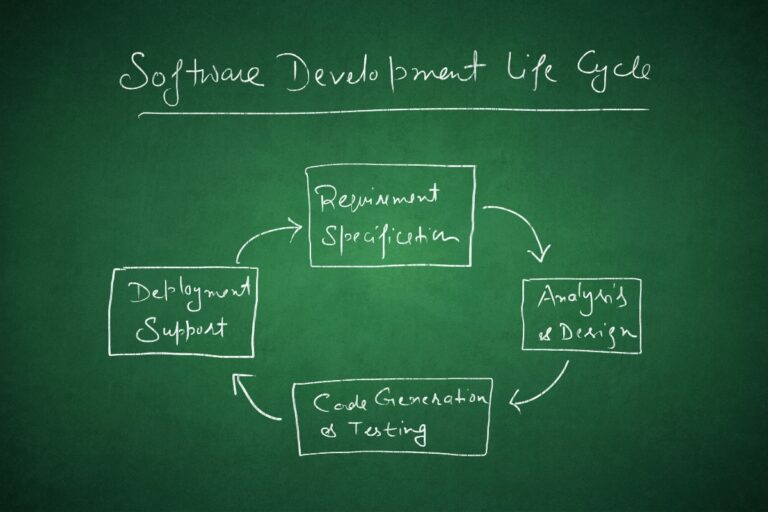
After preparation, the project can move into more detailed planning, software architecture, design, development, integration, testing, deployment, implementation, and ongoing support. The prepared requirements, scope, technical information, resources, risks, and priorities can guide these subsequent activities.

Get Custom Software Project Preparation With Smepal Consultancy Agency Today!

Take the next step by working with Smepal Consultancy Agency to prepare your custom software project around your business requirements, users, workflows, integrations, data, automation, reporting, security, technology environment, resources, and development objectives. Contact us to discuss the business problem you want to address, the software you need, the systems you already use, the processes you want to improve, the integrations you require, the functionality you need, and the project direction you want to establish.