
Home » Business Technology Development

Business Technology Development

Business technology development becomes increasingly relevant when businesses need technology that supports their specific operations, processes, information, customers, and growth requirements. Organizations may rely on websites, applications, business software, digital platforms, databases, automation tools, dashboards, portals, and other technologies to manage different areas of their operations. A structured development approach can help businesses understand what technology they need, how it should support their processes, and how it can be developed around actual business requirements. Understanding this relationship is important before making decisions about technology development methods, functionality, investment, implementation, or future digital systems.


What Is Business Technology Development and How Does It Work?

Businesses use different forms of technology to manage operations, information, customers, transactions, communication, reporting, and other activities. business technology development provides a structured way to plan, create, configure, improve, or extend technology around defined business requirements. This foundation helps clarify the role of technology development in practical business environments:

1. What Is Business Technology Development?

At its core, business technology development involves creating or improving technology solutions that support specific business requirements, processes, users, information, and operational objectives. Development can involve websites, web applications, mobile applications, business software, customer portals, dashboards, automation solutions, APIs, databases, and other digital systems. The objective is to establish technology that addresses identified business needs rather than developing functionality without a clear operational purpose. This keeps the technology development approach connected to how the business actually works and what it needs to accomplish.

2. How Does Business Technology Development Work?

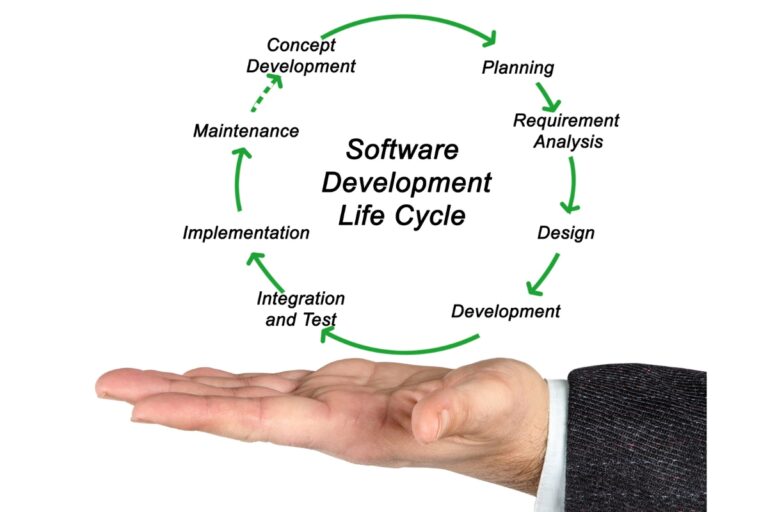
A typical development process begins by understanding the business, its processes, users, existing systems, challenges, and technology requirements. The development approach then translates these findings into functional requirements, technical specifications, workflows, interfaces, data structures, and other components needed for the proposed solution. Depending on the requirements, development may involve custom software, web technologies, databases, APIs, integrations, automation, cloud services, or other technologies. The resulting solution should support the intended business processes while accounting for usability, security, performance, scalability, and maintenance requirements.

3. What Does Business Technology Development Include?

The scope can extend across different activities required to create or improve technology for an organization. Activities may include business analysis, requirements gathering, technology assessment, solution architecture, user experience planning, interface design, software development, database development, API development, systems integration, testing, deployment, documentation, monitoring, and ongoing improvement. The exact activities depend on the type of technology being developed, its users, existing systems, data requirements, and business objectives. Together, they provide a structured basis for developing technology around practical business needs.

4. How Does Business Technology Development Differ From General Software Development?

Rather than focusing only on creating software functionality, business technology development considers the broader relationship between technology, business processes, users, information, systems, and organizational objectives. General software development can focus primarily on building or modifying an application according to technical specifications. Business technology development can therefore include software development while also considering requirements analysis, workflow design, systems integration, automation, data, reporting, and the operational environment in which the technology will be used. Where custom software is appropriate, it becomes one component of a broader technology development process.

What Are the Benefits of Business Technology Development?

Once the concept is clear, businesses can consider the practical value of developing technology around their specific operational requirements. business technology development can help organizations address limitations in existing tools, manual processes, fragmented workflows, information requirements, and changing business needs. These potential benefits depend on the quality of the development process and the specific requirements of each organization:

1. Technology Aligned With Business Processes

Businesses may use generic technologies that do not fully reflect how their operations are structured. Developing technology around defined business processes can allow functionality, workflows, information, and user interactions to reflect actual operational requirements. business technology development can therefore establish a closer relationship between the technology and the way the organization performs its work.

2. Improved Business Workflows

Technology can be developed to support activities that currently depend on repetitive manual steps or disconnected tools. business technology development can help establish digital workflows that organize information, trigger activities, automate selected processes, and support movement of work between users or departments. This may make specific operational processes easier to manage and coordinate.

3. Better Management of Business Information

Businesses generate and use information across customers, transactions, operations, employees, products, services, and reporting activities. Developing appropriate technology can provide structured ways to capture, store, process, access, and report this information according to business requirements. This can help create more organized information environments while accounting for access, security, and data management needs.

4. Support for Business Automation

Some business activities involve repetitive tasks that can be supported through technology-based automation. business technology development can incorporate automated notifications, workflows, data processing, approvals, calculations, integrations, and other functions where automation is appropriate. The specific opportunities depend on the business process, available systems, and requirements identified during analysis.

5. Support for Business Growth

As a business grows, it may need additional users, services, transactions, locations, processes, systems, or customer-facing capabilities. A well-planned technology development approach can create solutions that accommodate realistic changes in the organization’s requirements. business technology development can therefore support the development of a more adaptable digital environment as the business continues to evolve.

Where Can Business Technology Development Be Applied?

Business operations involve different functions that may require technology to manage information, workflows, users, transactions, and services. business technology development can be applied wherever an organization needs technology to support a defined business process, operational requirement, customer interaction, or strategic objective. The appropriate development requirements will vary according to the function, users, systems, information, and workflows involved:

1. Customer Management

Customer management may involve CRM platforms, websites, customer databases, communication systems, service applications, and other digital tools. business technology development can create or improve technology that helps businesses manage customer information, interactions, service requests, communications, and related workflows. The technology can be structured around defined customer-management requirements without assuming that every customer process needs the same functionality.

2. Sales and Lead Management

Sales processes can involve websites, lead-generation forms, CRM platforms, quotation systems, communication tools, sales dashboards, and reporting applications. Technology development can provide functionality for capturing leads, managing opportunities, recording sales activities, generating quotations, tracking follow-ups, and supporting reporting where required. business technology development can therefore connect technology capabilities with the actual stages of the organization’s sales process.

3. Finance and Payment Processes

Businesses may use payment platforms, accounting systems, invoicing applications, financial databases, and internal business systems to manage financial activities. Technology development can support functions such as invoicing, payment processing, transaction records, financial workflows, reporting, or connections between relevant financial systems. The development approach should account for the organization’s processes, data requirements, access controls, and existing financial technologies.

4. Inventory and Procurement

Inventory and procurement processes may involve stock management systems, purchasing applications, supplier records, accounting software, and business management platforms. business technology development can support technology for managing stock information, purchase requests, supplier information, orders, approvals, and related transactions. The solution should reflect the organization’s specific inventory and procurement workflows rather than assuming that every business requires the same functionality.

5. E-Commerce and Digital Commerce

An e-commerce operation may require technology for product management, customer accounts, orders, payments, inventory, delivery, communication, and reporting. Technology development can create or extend e-commerce functionality and connect it with other relevant business systems. business technology development can therefore support digital commerce environments that reflect the products, customers, processes, and operational requirements of the organization.

6. Reporting and Business Dashboards

Management may need information from different business activities to monitor operations and understand performance. Technology development can provide dashboards, reporting tools, data views, analytics functionality, and other interfaces that present relevant business information according to defined requirements. business technology development can therefore support more structured access to operational and management information where the underlying data is available and appropriately managed.

7. Human Resource Processes

HR activities may involve employee records, recruitment, attendance, leave management, payroll-related processes, performance management, communication, and internal workflows. Technology can be developed or improved to support selected HR activities according to the organization’s requirements. This may include employee portals, workflow automation, reporting, information management, or connections with other internal systems.

8. Customer Portals and Digital Services

Customer portals may require functionality for account management, service requests, payments, documents, communication, status tracking, or access to business information. business technology development can help establish customer-facing technology that connects these activities with appropriate internal systems and workflows. This creates a basis for developing digital services around actual customer and business requirements.

How Does Business Technology Development Work in Practice?

Once a business understands where technology development can be applied, the next step is to understand how a development project moves from an identified business need toward a practical technology solution. business technology development follows a structured process that examines business requirements, users, processes, systems, information, and technical considerations before development begins. The practical journey can then progress through several connected stages:

1. Identifying Business Technology Needs

The process begins by understanding what the business needs technology to improve, support, automate, manage, or create. This can involve examining operational challenges, manual processes, existing software limitations, customer requirements, information gaps, workflow difficulties, and future business objectives. These observations provide a foundation for determining what type of technology development may be required.

2. Assessing Existing Business Systems and Technology

Existing technology is examined to understand its functionality, capabilities, limitations, data structures, interfaces, integrations, and current usage. business technology development requires an understanding of what should be retained, improved, extended, replaced, or connected with other systems. This assessment helps establish what technology options are practical within the organization’s existing environment.

3. Mapping Business Processes and User Requirements

Process and user mapping helps show how work is currently performed, who is involved, what information is required, and where technology needs to support specific activities. The assessment can identify different user roles, process stages, system interactions, information requirements, and operational dependencies. Understanding these relationships provides useful context for designing the proposed technology.

4. Defining Technology Requirements

Business findings can then be translated into clear technology requirements. These may cover functionality, users, workflows, data fields, permissions, interfaces, integrations, automation, reporting, security, performance, and expected system behavior. Clearly defined requirements provide a reference for designing and developing the appropriate technology solution.

5. Selecting the Technology Approach

The appropriate development approach depends on the business requirements, existing systems, users, budget, technical capabilities, security needs, and future requirements involved. Depending on the project, this may involve custom software development, web application development, mobile development, system configuration, API development, integration, automation, or a combination of technologies. business technology development should therefore be designed around actual requirements rather than assuming that one technology approach suits every business.

6. Designing and Developing the Technology

Once the technology direction is established, the relevant solution can be designed and developed according to the defined requirements. This may involve interface design, database development, software programming, API development, workflow configuration, integration, automation, authentication, and other technical activities. The implementation should maintain a clear relationship between the original business requirements and the resulting technology functionality.

7. Testing the Business Technology

Testing helps determine whether the developed technology works according to the defined requirements and supports the intended business processes. Testing may examine functionality, user interactions, data accuracy, integrations, permissions, security, performance, error handling, and other relevant conditions. Issues identified during testing can then be addressed before the technology is introduced into wider business operations.

8. Deploying and Improving the Technology

After testing and appropriate preparation, the technology can be introduced into the relevant business environment. Deployment may involve configuration, data migration, user setup, training, documentation, monitoring, and support depending on the project. Ongoing review can then identify opportunities for improvements as users, business processes, systems, and organizational requirements develop.

How Do You Choose the Right Business Technology Development Approach?

Choosing an appropriate development approach requires an understanding of what the business needs the technology to accomplish and how it fits within the existing digital environment. The right approach can vary according to business processes, users, functionality, existing systems, technical requirements, available resources, and future needs. Evaluating these factors helps establish a development direction that fits the organization’s actual environment:

1. Business Requirements

Start by identifying the processes, information, users, challenges, functions, and outcomes that the technology needs to support. business technology development can help translate these requirements into practical technology capabilities rather than developing features simply because they are technically available. Clear requirements also provide a reference point for evaluating different development approaches.

2. Existing Technology Environment

Understanding the technology already in use is important before developing a new solution. An assessment can examine current software, websites, databases, APIs, infrastructure, integrations, data sources, user accounts, and system limitations. This helps determine whether the proposed technology should integrate with, extend, replace, or operate alongside existing systems.

3. Functional and User Requirements

Different users may require different functionality depending on their roles and responsibilities. Technology planning should establish what users need to view, create, update, approve, process, search, report, or manage within the solution. business technology development should therefore consider actual user workflows when determining functionality and interface requirements.

4. Integration Capabilities

New technology may need to exchange information with existing business systems. Planning should therefore consider available APIs, databases, payment platforms, accounting software, CRM systems, communication tools, and other relevant interfaces. business technology development should account for these integration requirements so that the resulting solution can operate within the wider technology environment.

5. Security and Access Requirements

Business technology can involve customer information, employee records, financial information, operational data, documents, and other sensitive business information. Relevant considerations may include authentication, authorization, user permissions, encryption, data protection, logging, backups, and access management. The development approach should reflect the nature of the information being processed and the responsibilities of the technology involved.

6. Scalability and Future Requirements

Technology requirements may change as a business adds users, transactions, services, processes, locations, or systems. The selected development approach should therefore consider realistic future changes that could affect functionality, data volumes, system performance, integrations, or user requirements. business technology development can be planned with future needs in mind without assuming that every business requires the most complex technology architecture.

7. Total Cost of Development

The financial requirements of technology development can extend beyond the initial design and development work. Depending on the project, costs may involve software, hosting, infrastructure, development, integrations, APIs, security, testing, training, maintenance, support, and future enhancements. Considering these elements together provides a broader basis for understanding the investment involved.

What Are the Challenges of Business Technology Development?

Technology development can involve technical, operational, financial, data, and organizational considerations that require careful planning. The complexity of the technology being developed can affect functionality, implementation, user adoption, integration, performance, and ongoing maintenance. Understanding the potential challenges helps businesses plan appropriately and address issues before they create larger problems:

1. Unclear Technology Requirements

Poorly defined requirements can result in technology that does not adequately support actual business processes or user needs. Changes made after development begins may also affect project scope, timelines, and resources. Requirements analysis and process mapping can help establish a clearer basis for development before substantial implementation begins.

2. Complex Business Processes

Some businesses have workflows involving multiple departments, users, systems, approvals, or information sources. Translating these processes into technology can require detailed analysis and careful solution design. business technology development can help structure these requirements before functionality is developed.

3. Legacy System Limitations

Older systems may have limited APIs, outdated technologies, incomplete documentation, or architectures that make integration with newer technology difficult. These limitations can affect how a new solution is designed and how information is exchanged with existing platforms. Assessing these constraints can help determine whether integration, modification, replacement, or another approach is appropriate.

4. Technology Security Risks

Developed technology can create security concerns when authentication, permissions, data protection, infrastructure, or application controls are not appropriately considered. Weak access controls, exposed credentials, insecure interfaces, or inadequate monitoring can create risks to business information and operations. Development planning should therefore incorporate relevant security requirements throughout the technology lifecycle.

5. Development and Implementation Challenges

Technology projects can encounter problems involving development complexity, integration, data migration, testing, infrastructure, user requirements, or changes in scope. These issues can affect implementation if they are not identified and managed appropriately. Structured planning, testing, documentation, and communication can help address development challenges as the project progresses.

6. User Adoption Challenges

Technology may not provide its intended operational value if users do not understand how to use it or if the solution does not adequately reflect their workflows. User involvement during requirements gathering, design, testing, and implementation can help identify practical usability requirements. Training, documentation, and ongoing support may also be relevant depending on the technology being introduced.

7. Ongoing Technology Maintenance

Technology can require updates as business processes, software dependencies, APIs, security requirements, infrastructure, and user needs change. Without appropriate maintenance, functionality may become outdated or integrations may stop working as expected. business technology development should therefore consider ongoing support and improvement requirements rather than treating development as a one-time activity.

How Does Business Technology Development Support Digital Transformation?

Digital transformation involves changes in how organizations use people, processes, information, and technology to operate and deliver value. business technology development can contribute to this process by creating or improving technology that supports specific business activities and broader digital objectives. This perspective helps connect individual technology projects with wider digital transformation initiatives:

1. Digital Business Processes

Businesses may continue to rely on manual processes or disconnected tools even after introducing digital technologies. Technology development can create digital workflows that organize information, automate selected activities, and connect users and systems around defined business processes. This can support the transition from fragmented activities toward more structured digital operations.

2. Connected Digital Systems

Digital transformation can require several technologies to work together across different areas of an organization. business technology development can create applications, APIs, integrations, portals, dashboards, and other components that connect relevant systems and information flows. This can establish a more connected digital environment where the technology and business processes support one another.

3. Accessible Business Information

Information can become difficult to use when it is distributed across separate systems, files, applications, or databases. Developing appropriate technology can provide structured interfaces, dashboards, reports, portals, or integrations that make relevant information available to authorized users. The resulting access should reflect the organization’s data structures, security requirements, and operational needs.

4. Data-Driven Business Decisions

Management may need information from multiple business processes to understand performance, customers, transactions, operations, and other activities. Technology development can provide reporting systems, dashboards, analytics functionality, and connected data environments that support access to relevant information. This can provide a more structured basis for using business data in operational and management activities.

5. Future Digital Systems

Digital transformation may involve multiple technology initiatives over time rather than a single project. A structured technology development approach can establish solutions that work with existing systems while providing a foundation for future applications, integrations, automation, and digital services. This provides a basis for expanding the organization’s digital environment as its requirements evolve.

How Can Smepal Consultancy Agency Help With Business Technology Development?

At Smepal Consultancy Agency, we approach business technology development by first understanding how your business operates and what you need technology to accomplish. We examine your processes, users, existing systems, information requirements, technology challenges, and business objectives before determining an appropriate development direction. Our role is to connect these business requirements with practical technology decisions that can support your organization’s operations and digital environment:

1. Assessing Business Technology Needs

We begin by examining your business processes, systems, users, information, challenges, and objectives to understand the situation behind your technology requirement. This helps us identify where existing technology may be limited and where new or improved technology could support your operations. Our assessment provides a foundation for determining what technology development may be appropriate.

2. Mapping Business Processes and User Requirements

We can examine how your existing processes work, who is involved, what information is required, and where technology needs to support specific activities. This includes considering workflows, user roles, system interactions, data requirements, and operational dependencies. The resulting view helps establish a clearer basis for planning the required technology.

3. Defining Technology Requirements

We translate identified business needs into practical technology requirements covering functionality, users, workflows, information, integrations, permissions, automation, reporting, and expected behavior. These requirements can guide decisions about the appropriate technology approach and development components. This keeps the technology work connected to what your business actually needs the solution to accomplish.

4. Planning Appropriate Technology Solutions

Our approach does not assume that every business needs the same technology solution. Depending on your requirements, we can help determine whether custom software, web applications, business systems, automation, APIs, integrations, dashboards, portals, or other technologies are appropriate. The approach is guided by your processes, systems, users, resources, and intended outcomes.

5. Supporting Business Process Automation and Technology Development

We examine business processes to identify activities where technology development or automation may reduce unnecessary manual work or improve how information and tasks move through the organization. This can involve automated workflows, notifications, approvals, information processing, system connections, or other technology capabilities. Our focus remains on applying technology where it addresses defined business requirements.

6. Developing Relevant Business Technology

Where development is appropriate, we can help create technology components required to support your defined business needs. Depending on the project, this may include business software, web applications, dashboards, customer portals, APIs, integrations, databases, automation solutions, or other digital components. Development follows the requirements and technology direction established through the earlier analysis.

7. Supporting Ongoing Technology Improvement

Business technology may require adjustments when processes, systems, users, software dependencies, security requirements, or organizational objectives change. We can support ongoing improvements involving technology maintenance, new functionality, system changes, integrations, automation, and relevant digital transformation initiatives. This helps keep the technology environment connected to your changing operational requirements.

How Can You Manage and Improve Business Technology Development Over Time?

Business technology development can require ongoing review as technology, processes, users, data, and organizational requirements change. Regular assessment helps businesses determine whether existing technology continues to support actual workflows and whether additional development is justified by genuine requirements. A practical improvement approach keeps technology development connected to business needs rather than adding functionality without a defined purpose:

1. Prioritizing Technology Improvements

Technology improvements should be considered according to their relevance to business requirements and their potential effect on operations, users, customers, and information. Factors such as operational problems, user needs, system dependencies, available resources, security requirements, and changing business priorities can help determine which improvements require attention. This creates a structured way to manage technology changes as needs emerge.

2. Monitoring Technology Performance

Technology performance can be reviewed using measures that reflect what the solution is expected to support. Depending on the technology, relevant indicators may include system availability, response times, successful transactions, failed processes, user activity, workflow completion, data accuracy, or other operational measures. Reviewing these indicators can help identify technology that requires adjustment or further assessment.

3. Using User Feedback to Improve Technology

Employees, customers, and other authorized users can identify problems with technology that may not be apparent from technical monitoring alone. Their feedback can reveal missing functionality, confusing workflows, information gaps, delays, usability problems, and requirements that emerge as processes change. Incorporating relevant feedback into technology reviews can help ensure improvements respond to actual user and business needs.

4. Developing Technology Gradually

Additional functionality can be introduced as business requirements become clearer rather than attempting to develop every possible feature at once. A gradual approach allows businesses to consider operational needs, technical dependencies, resources, user requirements, and expected outcomes for each proposed development. This can also make technology implementation easier to manage alongside ongoing business activities.

5. Keeping Technology Aligned With Business Goals

Periodic review helps determine whether existing technology continues to support the organization’s current objectives and operational priorities. Changes in business processes, system usage, customer requirements, organizational growth, or strategic direction may create technology requirements that were not present during the original development. Maintaining this alignment helps ensure that business technology continues to serve the organization as its needs evolve.

Frequently Asked Questions About Business Technology Development

Questions often arise when a business is considering developing new technology or improving the technology it already uses. Clear answers can help organizations assess whether technology development fits their current operational challenges, existing systems, users, and future requirements. The following questions address practical considerations businesses may have before deciding on their next technology development direction:

1. What Is Business Technology Development?

Business technology development involves creating, improving, extending, or implementing technology to support defined business processes, users, information, and operational objectives. It can involve business software, websites, web applications, dashboards, portals, APIs, automation solutions, databases, integrations, and other digital technologies.

2. When Does a Business Need Business Technology Development?

A business may consider technology development when existing tools cannot adequately support its processes, when manual activities need digital support, when new functionality is required, or when the organization needs a technology solution built around specific operational requirements. It may also be relevant when a business wants to improve or extend its existing digital environment.

3. Can Business Technology Development Improve Existing Software?

Yes. Technology development does not necessarily require creating an entirely new system. Existing software can sometimes be extended, integrated, configured, customized, or connected with additional technology to support requirements that the current environment does not adequately address.

4. Is Business Technology Development Suitable for Small Businesses?

Yes, provided the development approach matches the business’s actual requirements, existing technology, available resources, and operational priorities. A small business may use technology development to create selected applications, automate repetitive processes, improve information management, support customers, or connect existing systems without introducing unnecessary complexity.

5. What Technology Can Be Developed for a Business?

The technology that can be developed depends on the organization’s requirements and existing environment. Common examples can include business management software, websites, web applications, customer portals, dashboards, mobile applications, databases, APIs, automation solutions, reporting systems, and other custom digital tools.

6. Can Business Technology Development Include Systems Integration?

Yes. Technology development can include integrations where a new or improved solution needs to exchange information with existing business systems. The development process can consider available APIs, databases, payment platforms, CRM systems, accounting software, and other interfaces before determining the appropriate integration approach.

7. How Much Does Business Technology Development Cost?

The cost can vary according to the type and complexity of technology involved, functionality, number of users, data requirements, integrations, development work, security requirements, infrastructure, testing, and ongoing support. A focused business application may require a different level of investment from a broader technology environment involving multiple systems and complex workflows.

8. How Long Does Business Technology Development Take?

The duration depends on the technology being developed, scope, functionality, number of users, integrations, data requirements, technical complexity, testing requirements, and project changes. A focused solution with clearly defined requirements may require less development work than a broader technology project involving several business processes and systems.

9. Can Business Technology Development Support Digital Transformation?

Yes. business technology development can contribute to digital transformation by creating or improving technology that connects people, processes, information, and systems across relevant business activities. It can support digital workflows, automation, information management, reporting, customer services, integrations, and other technology initiatives where these capabilities address actual business requirements.

10. What Should You Expect From a Business Technology Development Project?

You can expect the project to focus on understanding business requirements, processes, users, existing technology, information flows, technical requirements, and intended outcomes before development begins. Depending on the scope, the work may produce requirements, process mappings, technology specifications, designs, developed applications or components, integrations, testing results, implementation support, documentation, or ongoing maintenance requirements.

Develop Your Business Technology With Smepal Consultancy Agency Today!

Take the next step by working with Smepal Consultancy Agency to understand your business technology development requirements and identify practical opportunities for creating or improving your digital systems. Contact us to discuss your existing technology, business processes, development needs, and the direction you want your digital environment to take.