
Home » Business Software Development Partners

Business Software Development Partners

Businesses increasingly rely on software to manage operations, customers, employees, information, transactions, documents, communication, reporting, and everyday business activities. Business Software Development Partners help organizations plan, design, develop, test, deploy, integrate, maintain, and improve software solutions that support specific business requirements. Developing effective business software requires organizations to understand their objectives, users, processes, information requirements, workflows, existing systems, integration needs, security considerations, budgets, and future requirements before determining the appropriate development approach. Working with the right development partner can help businesses translate operational requirements into practical software solutions, improve digital workflows, strengthen information management, support business growth, and establish software environments that can evolve with changing business needs.

Understanding Business Software Development Partners

Business Software Development Partners provide technical and business-focused support for organizations that need software designed, developed, customized, integrated, deployed, or improved according to specific requirements. Rather than treating software development as only a programming activity, businesses can work with development partners to connect business processes, user requirements, information structures, workflows, interfaces, integrations, security, and technical architecture throughout the development lifecycle. Understanding these components provides a foundation for working effectively with Business Software Development Partners:

1. What Are Business Software Development Partners?

Business Software Development Partners are organizations or technology teams that work with businesses to plan, design, build, test, deploy, integrate, maintain, and improve software solutions based on defined business and technical requirements. Their work can include business requirements analysis, software architecture, user interface design, database development, application development, API development, system integration, testing, deployment, maintenance, and technical support depending on the project. The appropriate development partnership depends on the organization’s objectives, software requirements, existing systems, users, resources, technical environment, and future needs.

2. How Do Business Software Development Partners Work?

Business Software Development Partners begin by understanding the organization’s objectives, processes, users, information, workflows, existing systems, and software requirements before defining a development approach. The development process can involve requirements gathering, solution planning, software architecture, interface design, development, integration, testing, deployment, training, documentation, support, and continuous improvement. The partnership should remain connected to business requirements throughout development rather than focusing only on technical implementation.

3. How Do Business Software Development Partners Differ From Software Developers?

A software developer may focus primarily on writing, testing, and maintaining software code and technical components. Business Software Development Partners can provide broader support across business requirements, solution planning, software architecture, development, integrations, implementation, maintenance, and ongoing software improvement. The scope of the partnership depends on the organization’s requirements and the responsibilities agreed upon during the software development project.

Why Business Software Development Partners Matter

Businesses can require software that supports specific workflows, information structures, customer interactions, operational activities, reporting requirements, integrations, and business processes that may not be fully addressed by existing applications. Business Software Development Partners provide a structured way to translate these requirements into software that can be designed and implemented around the organization’s needs. Appropriate development partnerships can contribute to several important business objectives:

1. Translating Business Requirements Into Software

Business requirements can describe what an organization needs to accomplish, while software needs to translate those requirements into users, workflows, data structures, interfaces, rules, permissions, integrations, and system functions. Development partners can help convert operational requirements into technical and functional specifications that developers can implement. This creates a clearer connection between business objectives and the software being developed.

2. Developing Software Around Specific Business Processes

Businesses may have processes that require particular workflows, approvals, information structures, reports, or user interactions. Business Software Development Partners can develop software around these requirements rather than requiring every business to adopt identical workflows. This can provide greater alignment between the software environment and the organization’s actual operations where custom development is appropriate.

3. Supporting Software Integration

Organizations often rely on multiple software applications to manage different business functions. Development partners can support APIs, data exchange, system connections, synchronization, and other integration requirements where technically appropriate. This can help businesses connect software environments and reduce unnecessary separation between systems.

4. Supporting Business Growth

Software requirements can change as businesses add customers, employees, products, services, departments, transactions, locations, integrations, and reporting requirements. Development partners can help organizations plan software architecture and development approaches that accommodate reasonable changes over time. Ongoing development can then extend software capabilities when new requirements emerge.

What Business Areas Can Business Software Development Partners Address?

Business Software Development Partners can develop software for specific organizational functions, workflows, information requirements, user groups, and operational activities. Different businesses require different combinations of applications, integrations, automation, reporting, dashboards, portals, databases, and digital systems depending on their operating models and objectives. Business Software Development Partners can address several areas of a business:

1. Customer and Client Management Software

Businesses can develop software for customer records, enquiries, onboarding, communication, service requests, complaints, follow-ups, quotations, client documentation, and customer reporting. Development partners can structure customer information, workflows, permissions, interfaces, and reporting around the organization’s specific customer processes. The resulting software can support the way the business collects, stores, updates, accesses, and manages customer information.

2. Sales and CRM Software

Businesses can develop software for lead capture, lead qualification, customer records, quotations, proposals, follow-ups, sales pipelines, sales activities, approvals, and sales reporting. Development partners can create CRM functionality around the organization’s sales workflows where existing CRM platforms do not adequately address specific requirements. Software can also be integrated with websites, communication systems, payment platforms, reporting tools, or other relevant business applications.

3. Employee and Human Resource Software

Organizations can develop software for recruitment, employee onboarding, employee records, leave management, approvals, internal communication, performance processes, payroll-related workflows, and employee documentation. Development partners can establish user roles, permissions, workflows, information structures, notifications, reporting, and other capabilities according to workforce requirements. The software architecture should reflect how employees, managers, administrators, and other authorized users interact with the system.

4. Financial and Accounting Software

Businesses can develop or integrate software for invoicing, expenses, payments, purchasing, transaction management, approvals, budgeting, financial information, and reporting where appropriate. Development partners can connect financial workflows with sales, customer management, inventory, procurement, and other business systems. Financial software development should account for information accuracy, user permissions, transaction requirements, reporting, integrations, security, and applicable business requirements.

5. Inventory and Resource Management Software

Businesses managing products, materials, equipment, or other resources can develop software for stock records, purchasing, stock requests, resource allocation, movement tracking, reconciliation, alerts, and reporting. Development partners can structure the application around the organization’s inventory processes, transaction requirements, users, and information flows. Integration with purchasing, sales, accounting, websites, or other systems can also be considered where appropriate.

6. Document and Information Management Software

Businesses can develop software for documents, records, forms, contracts, reports, correspondence, approvals, and other business information. Development partners can establish structures for creating, reviewing, approving, storing, retrieving, sharing, updating, and archiving information. User access, permissions, workflows, search, security, document structures, and reporting can form part of the development requirements.

7. Business Management Software

Organizations can develop centralized software for managing multiple business functions through one digital environment. Business management software can bring together customers, employees, tasks, workflows, transactions, documents, reporting, approvals, communication, and other operational information where the requirements justify a broader system. Development partners can structure the system around the organization’s processes and the relationships between its different business functions.

8. Customer Portals and Business Portals

Businesses can develop portals that allow customers, suppliers, employees, partners, or other authorized users to access specific information and services. Portal functionality can include account management, document access, service requests, applications, communication, approvals, transactions, dashboards, reporting, and other capabilities. Development partners can define access controls and workflows according to the needs of each user group.

How to Develop Software With Business Software Development Partners

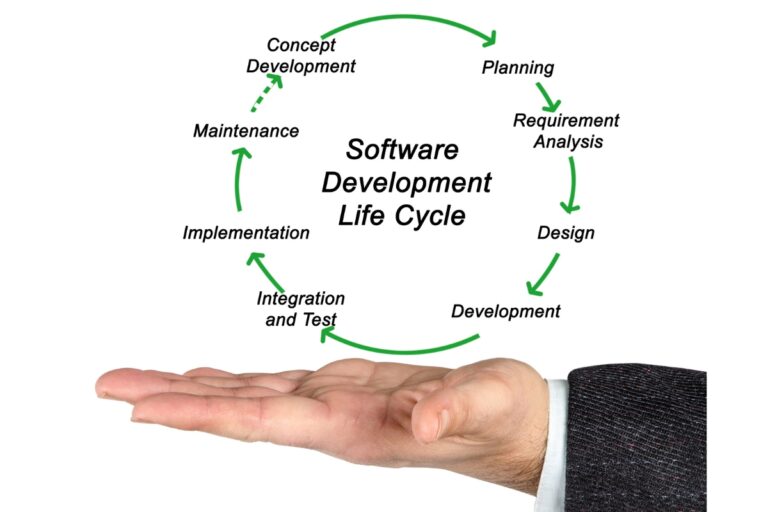
Developing business software requires more than writing code because the resulting system needs to support business processes, users, information, workflows, integrations, security, reporting, and operational requirements. Businesses should establish clear requirements before development and maintain alignment between those requirements and the technical implementation throughout the project. A structured development process can move the organization from an initial software requirement to a functional and maintainable business system:

1. Assess the Current Business and Software Environment

Start by reviewing the business processes, users, responsibilities, information, documents, existing applications, workflows, integrations, manual activities, reporting requirements, and operational challenges that the proposed software needs to address. Examine how information currently moves between people, departments, systems, customers, suppliers, and other stakeholders. This assessment provides the context required to determine what the new or improved software should accomplish.

2. Define Business Objectives and Software Requirements

Establish what the software needs to achieve and identify the business requirements that the system must support. Requirements can include customer management, workflows, approvals, data management, documents, reporting, dashboards, notifications, automation, integrations, user management, security, mobile access, portals, or other capabilities. Each requirement should connect to a genuine business need, process, user requirement, or operational objective.

3. Map Business Processes and User Workflows

Document the processes that the software needs to support and identify how different users interact with those processes. Determine how information is created, entered, reviewed, approved, updated, transferred, stored, searched, reported, and archived throughout each workflow. Process mapping can help development partners understand the functional relationships that the software needs to reproduce or improve.

4. Define Functional and Technical Requirements

Translate business requirements into detailed functional and technical specifications that can guide development. Functional requirements can describe what the software should do, while technical requirements can address architecture, databases, APIs, integrations, security, performance, hosting, scalability, backups, notifications, access controls, and other technical considerations. Clear requirements reduce ambiguity and provide a reference point for design, development, and testing.

5. Design the Software Architecture

Establish the technical structure that will support the proposed software before extensive development begins. Software architecture can define application components, databases, interfaces, APIs, integrations, user authentication, permissions, hosting environments, data flows, security controls, and other technical elements. The architecture should reflect the software’s requirements, expected users, information volumes, integrations, performance needs, and reasonable future requirements.

6. Design User Interfaces and User Experiences

Software needs interfaces that allow intended users to complete their activities and access relevant information effectively. Design should consider user roles, workflows, navigation, forms, dashboards, search, notifications, accessibility, devices, and other interaction requirements. Interface design can be reviewed with relevant users before development progresses too far, allowing practical requirements to be identified early.

7. Develop the Software

Development involves translating approved requirements and designs into functional software components. Development activities can include application programming, database development, frontend development, backend development, API development, authentication, permissions, workflows, reporting, dashboards, automation, integrations, notifications, and other required functionality. Development should follow defined requirements and appropriate technical practices throughout the project.

8. Integrate the Software With Existing Systems

Where required, connect the new software with relevant existing applications and digital services. Integrations can involve accounting systems, websites, CRM platforms, payment systems, inventory tools, communication applications, reporting platforms, document environments, APIs, or other business technologies. Integration development should account for data structures, authentication, security, synchronization, error handling, system availability, and the technical capabilities of connected systems.

9. Test the Software Against Business Requirements

Software should be tested to determine whether its functions, workflows, data, permissions, integrations, reports, notifications, security controls, interfaces, and other capabilities operate as required. Testing can include functional testing, integration testing, user acceptance testing, performance testing, security testing, compatibility testing, and other relevant testing activities. Identified issues should be addressed and retested before production deployment where appropriate.

10. Deploy, Train, and Document the Software

Deployment involves moving the tested software into its intended operating environment and establishing the required configurations, data, users, permissions, integrations, backups, and other operational components. Users may require training to understand new workflows, interfaces, responsibilities, and software functions. Documentation can also provide information about system use, administration, integrations, maintenance, troubleshooting, and future development.

11. Maintain and Improve the Software

Software development does not necessarily end at deployment because business requirements, users, technologies, integrations, and operational needs can change. Development partners can provide maintenance, security updates, bug fixes, performance improvements, additional functionality, integration changes, reporting improvements, and other development services as requirements evolve. Ongoing improvement should remain connected to defined business needs and software objectives.

How to Choose the Right Business Software Development Partners

Choosing suitable Business Software Development Partners requires businesses to evaluate development capabilities against their requirements, users, systems, processes, technical environment, resources, and future needs. Organizations should consider more than programming skills when selecting a development partner because software projects also involve requirements, architecture, communication, testing, deployment, security, maintenance, and ongoing improvement. The evaluation should consider the complete development partnership:

1. Evaluate Business and Technical Understanding

Development partners should be able to understand both the business requirements and the technical requirements of the proposed software. Assess whether they can understand workflows, users, information, operational challenges, integrations, reporting requirements, and business objectives before translating them into software specifications. This helps establish whether the development process can remain connected to the organization’s actual requirements.

2. Review Relevant Development Capabilities

Evaluate whether the development partner has capabilities relevant to the proposed software, such as web applications, business management systems, CRM solutions, portals, databases, APIs, integrations, dashboards, automation, mobile applications, or other required technologies. The appropriate capabilities depend on the project requirements rather than the number of technologies a development partner can provide.

3. Assess Requirements and Project Planning

Review how the development partner gathers requirements, documents specifications, defines scope, establishes priorities, plans development stages, manages dependencies, and handles changes. Clear planning can provide a stronger basis for coordinating business stakeholders and technical development activities. Businesses should understand what will be developed, how it will be tested, what responsibilities each party will have, and how changes will be managed.

4. Consider Software Architecture and Scalability

Assess how the proposed software will be structured and whether its architecture can support reasonable future requirements. Consider users, data volumes, integrations, performance, security, hosting, maintainability, and expected changes in business operations. Architecture decisions made early can affect future development, maintenance, integrations, and system expansion.

5. Evaluate Integration Capabilities

Determine whether the development partner can work with the systems that need to connect with the proposed software. Ask how APIs, databases, authentication, data synchronization, third-party applications, payment systems, websites, accounting systems, and other integrations will be handled where relevant. Integration capabilities should be evaluated before development begins when connected systems form part of the project requirements.

6. Assess Security and Data Management

Business software can handle customer information, employee records, financial information, documents, transactions, credentials, and other sensitive business data. Evaluate how the development partner approaches authentication, authorization, user permissions, data protection, backups, secure development, logging, access management, updates, and other relevant security requirements. Data management and security should form part of the development architecture rather than being treated only as post-development considerations.

7. Consider Communication and Project Collaboration

Software development requires regular communication between business stakeholders and technical teams. Consider how requirements, progress, issues, approvals, testing feedback, changes, and deployment decisions will be communicated throughout the project. Clear collaboration structures can help businesses remain informed about development progress and provide relevant feedback at appropriate stages.

8. Evaluate Maintenance and Long-Term Support

Consider what support will be available after the software is deployed. Businesses may require bug fixes, security updates, performance improvements, new features, integration changes, user support, backups, monitoring, and future development. Understanding the available maintenance and support approach can help businesses plan for the software’s ongoing operational requirements.

9. Consider Investment and Total Development Requirements

The cost of software development can include requirements analysis, design, programming, databases, integrations, testing, hosting, deployment, data migration, training, documentation, maintenance, support, security, and future improvements. Businesses should consider the full development lifecycle rather than focusing only on the initial development quotation. The appropriate investment depends on the software scope, complexity, technology, integrations, users, requirements, and ongoing support needs.

What Are the Challenges of Working With Business Software Development Partners?

Business software development can involve business, technical, financial, operational, data, security, user, communication, integration, and implementation challenges. Identifying these considerations early can help organizations establish clearer development requirements and project expectations. The specific challenges depend on the software scope, business environment, users, existing systems, development approach, and available resources:

1. Unclear Software Requirements

Software projects can encounter problems when business requirements have not been sufficiently defined before development begins. Unclear requirements can lead to scope changes, misunderstood workflows, unnecessary functionality, development delays, additional costs, or software that does not adequately support users. Requirements analysis and documentation provide a stronger foundation for development.

2. Changing Project Scope

Businesses may identify additional features, workflows, integrations, reports, user groups, or requirements after development has started. Significant scope changes can affect architecture, development effort, testing, timelines, resources, and project investment. Establishing priorities and a structured change-management process can help businesses distinguish essential requirements from future enhancements.

3. Communication Gaps

Business stakeholders and technical teams may describe the same requirement using different terminology or assumptions. Poor communication can result in misunderstandings about workflows, system functions, user roles, integrations, or expected outcomes. Regular requirements reviews, demonstrations, documentation, testing, and feedback can help maintain alignment throughout development.

4. Integration Complexity

Connecting software with existing applications can involve different APIs, data structures, authentication methods, system limitations, synchronization requirements, and technical dependencies. Integration challenges can affect development and testing when connected systems do not behave as expected or lack required integration capabilities. Businesses should assess integration requirements and technical dependencies early.

5. Poor Data Quality

Existing business information may contain duplicate, incomplete, inconsistent, outdated, or poorly structured records. Migrating or integrating such information into new software can affect reports, workflows, searches, customer records, transactions, and other system functions. Data assessment, cleansing, mapping, migration planning, validation, and appropriate controls can help address these requirements.

6. User Adoption Challenges

New software can change how employees complete tasks, access information, communicate, submit requests, obtain approvals, and manage responsibilities. Users may require training, documentation, support, testing opportunities, and clear communication during implementation. Involving relevant users during requirements, design, testing, and deployment can help identify practical needs.

7. Security and Access Requirements

Business software can require different levels of access for administrators, managers, employees, customers, suppliers, and other users. Poorly defined access structures can create inappropriate information exposure or restrict users from completing required activities. Security requirements should therefore be incorporated into software architecture, authentication, authorization, permissions, data handling, logging, and testing.

8. Maintaining Software After Development

Software requires ongoing maintenance as operating environments, security requirements, integrations, technologies, users, and business processes change. Without appropriate maintenance, software can become harder to update, integrate, secure, or adapt. Businesses should consider long-term maintenance and support requirements before finalizing the development partnership.

How Do Business Software Development Partners Support Digital Transformation?

Business Software Development Partners can support digital transformation by translating business requirements into software, digital workflows, integrations, information systems, portals, dashboards, automation, and other technology capabilities. Digital transformation can involve changes to processes, people, information, technology, customer interactions, and decision-making, making software development one component of a broader digital strategy. Understanding this relationship helps businesses connect individual software projects with wider digital development objectives:

1. Develop Digital Business Applications

Development partners can create applications that move specific business activities from manual or fragmented processes into structured digital environments. Applications can support customer management, employee activities, transactions, documents, workflows, approvals, reporting, service delivery, and other operational requirements. The appropriate application depends on the business process and digital capability being developed.

2. Connect Business Systems

Digital transformation can require different business applications to exchange information and coordinate activities. Development partners can build integrations, APIs, data connections, synchronization processes, and other technical components where appropriate. Connecting systems can provide a more coordinated digital environment when the business and technical requirements support integration.

3. Automate Business Workflows

Software can automate structured activities such as task assignment, notifications, approvals, information routing, recurring processes, document workflows, reporting, and other rule-based activities. Development partners can build or integrate automation functionality according to the organization’s processes and requirements. Automation should be applied where it supports a defined business objective rather than simply automating every available activity.

4. Develop Business Dashboards and Reporting Systems

Businesses can use software to collect information from operational activities and present relevant data through reports, dashboards, performance indicators, and other information views. Development partners can structure databases, reporting logic, interfaces, filters, permissions, and integrations around reporting requirements. Effective reporting depends on accurate information, appropriate data structures, defined measures, and relevant business requirements.

5. Establish Customer and Employee Digital Portals

Digital portals can provide customers, employees, suppliers, or other authorized users with structured access to information and services. Development partners can build portals for applications, requests, documents, communication, approvals, transactions, dashboards, account management, and other requirements. Access controls and workflows can be structured according to each user group’s needs.

6. Build Foundations for Future Digital Capabilities

A well-structured software environment can establish databases, APIs, workflows, user roles, reporting structures, integrations, and other technical foundations that support future digital development. Businesses can progressively add automation, analytics, portals, mobile capabilities, integrations, dashboards, and other software components as requirements develop. This allows digital capabilities to expand according to changing organizational needs.

How Smepal Consultancy Agency Can Help With Business Software Development

Effective software development requires a clear understanding of the business processes, users, information, workflows, existing systems, technical requirements, and objectives that the software needs to support. At Smepal Consultancy Agency, we work with businesses to translate their operational requirements into structured software solutions and digital systems. Our support can extend across requirements analysis, software planning, UI and UX design, custom software development, system integration, workflow development, reporting, dashboards, automation, deployment, maintenance, and ongoing software improvement:

1. We Analyze Your Business Software Requirements

We examine your business processes, users, responsibilities, information flows, documents, existing software, operational challenges, integrations, reporting requirements, and software objectives before defining a development direction. Our approach helps identify what the software needs to accomplish and which capabilities are required. This creates a clearer foundation for developing software around your actual business requirements.

2. We Translate Business Requirements Into Software Specifications

We help translate business processes and objectives into functional and technical software requirements that can guide development. These can include user roles, permissions, workflows, data structures, forms, dashboards, reports, notifications, automation, integrations, security requirements, and other system capabilities. Clear specifications help connect your business requirements with the technical development process.

3. We Design Business Software Solutions

We can structure software solutions around your users, processes, information, workflows, documents, integrations, controls, reporting requirements, and operational objectives. Our design approach considers how different system components need to interact and how users will access and manage the software. This provides a foundation for development, testing, deployment, and future improvement.

4. We Develop Custom Business Software

We can develop custom software solutions for businesses that require functionality beyond what existing applications adequately provide. Development can cover business management systems, customer platforms, portals, workflow applications, dashboards, data management systems, reporting environments, and other software requirements. We structure development around defined business and technical requirements rather than adding functionality without a clear purpose.

5. We Integrate Business Software Systems

We can support integrations between relevant business applications and digital systems where appropriate technical capabilities are available. Integration requirements can involve websites, accounting systems, CRM platforms, payment systems, inventory applications, reporting environments, communication tools, databases, APIs, and other systems. We consider information flows, authentication, data structures, synchronization, security, and technical dependencies during integration planning and development.

6. We Develop Business Workflows and Automation

We can develop digital workflows that support activities such as approvals, task assignments, information collection, notifications, document routing, reporting, recurring activities, and other structured processes. Automation can be incorporated where it addresses defined business requirements and can be supported by the software environment. We connect workflow development with the organization’s actual processes and user responsibilities.

7. We Develop Reporting and Dashboard Solutions

We can structure reports and dashboards around the information businesses need to monitor operations, transactions, workflows, customers, employees, performance, and other activities. Reporting solutions can incorporate data from relevant software systems where suitable integrations are available. We focus on connecting reporting structures with defined business information requirements.

8. We Support Software Testing and Deployment

We can support the testing and deployment stages required to move developed software into operational use. Testing can address functionality, workflows, permissions, data, integrations, reporting, interfaces, notifications, and other defined requirements. Deployment support can include system configuration, user setup, data migration, documentation, training, and other implementation activities where required.

9. We Support Ongoing Software Maintenance and Improvement

We can continue supporting software after deployment as business requirements, users, integrations, technologies, and operational needs change. Our support can include bug fixes, workflow improvements, new features, integrations, dashboards, reporting enhancements, automation, customization, performance improvements, and additional software development. Ongoing development remains connected to your changing business objectives and actual software requirements.

How To Maintain and Improve Business Software After Development

Business software requires continued attention after deployment because organizations, users, technologies, integrations, information, and processes can change over time. Businesses can periodically review software functionality, performance, security, data quality, workflows, integrations, user experience, reporting, and operational requirements to determine whether improvements are necessary. Long-term software development works best when organizations manage improvements deliberately and connect them to meaningful business requirements:

1. Prioritize Important Software Improvements

Businesses should focus development resources on changes that have clear operational or strategic relevance. New features, integrations, reports, customizations, and automation should be assessed against business requirements before implementation. Prioritization can help organizations manage software complexity and available development resources.

2. Monitor Software Performance

Businesses can monitor system availability, processing times, errors, failed integrations, workflow completion, user activity, reporting performance, and other indicators relevant to the software’s purpose. Monitoring can help identify technical or operational issues that require attention. The appropriate performance measures depend on the software’s architecture, users, processes, and business objectives.

3. Review User Feedback

Users can identify interface problems, workflow limitations, missing information, reporting requirements, access issues, integration problems, and other software needs that emerge through daily use. Businesses should collect and evaluate relevant feedback after deployment. This can provide practical information for prioritizing future development.

4. Maintain Software Security

Software should be reviewed and maintained as security requirements, technologies, integrations, users, and operating environments change. Businesses can manage user access, permissions, authentication, updates, backups, logging, monitoring, vulnerabilities, and other relevant security requirements according to the software environment. Security maintenance should remain part of the broader software lifecycle.

5. Maintain Data Quality

Software performance and reporting can be affected by duplicate, incomplete, inconsistent, outdated, or incorrectly structured information. Businesses should establish appropriate processes for validating, updating, organizing, and managing information within their software systems. Good data management supports workflows, integrations, reports, searches, and other software functions.

6. Review Integrations and Dependencies

Connected systems can change their APIs, authentication requirements, data structures, functionality, or availability over time. Businesses should periodically review integrations to identify failures, compatibility issues, synchronization problems, or new requirements. Maintaining integrations can help keep interconnected software environments operational as technologies change.

7. Develop Software Gradually

Businesses can introduce new capabilities in phases when requirements emerge. A gradual approach allows organizations to use operational experience and feedback from existing software to guide future development. This can help businesses expand software capabilities without introducing unnecessary complexity at once.

8. Keep Software Aligned With Business Objectives

Business objectives can change as organizations grow, restructure, introduce new products or services, change workflows, add users, or modify their operating models. Software should be reviewed when these changes affect its processes, information, users, integrations, reporting, or technical requirements. Regular software reviews can help maintain alignment between the software environment and the organization’s direction.

Frequently Asked Questions About Business Software Development Partners

Businesses often have practical questions about software development before selecting a development partner, defining requirements, starting a project, or planning ongoing improvements. The appropriate development approach depends on the organization’s processes, users, information, objectives, existing systems, technical environment, resources, and future requirements. These questions address common considerations businesses may have when working with Business Software Development Partners:

1. What are Business Software Development Partners?

Business Software Development Partners are organizations or development teams that work with businesses to plan, design, develop, test, deploy, integrate, maintain, and improve software solutions according to defined business requirements. Their services can include requirements analysis, software architecture, UI and UX design, application development, database development, integrations, testing, deployment, maintenance, and support. The specific role of a development partner depends on the scope and requirements of the software project.

2. Why does a business need Business Software Development Partners?

Businesses can work with Business Software Development Partners when they require software that needs to be designed, customized, integrated, developed, or improved around specific business requirements. Development partners can help translate business processes and objectives into functional and technical software solutions. They can also provide development, integration, testing, deployment, maintenance, and ongoing improvement capabilities depending on the project.

3. How do I choose Business Software Development Partners?

Start by defining your business objectives, software requirements, users, workflows, information, existing systems, integrations, security requirements, budget, and future needs. Evaluate development partners based on relevant technical capabilities, business understanding, requirements processes, architecture, development practices, testing, security, communication, deployment, maintenance, and support. The appropriate partner depends on the specific software requirements and development responsibilities your organization needs.

4. Do Business Software Development Partners develop custom software?

Yes, development partners can develop custom software when the organization’s requirements justify a tailored solution. Custom development can address specific workflows, user roles, information structures, integrations, reports, dashboards, portals, automation, or other requirements that existing software may not adequately support. Businesses should first evaluate whether existing software, configuration, customization, integration, or another approach can address the requirement before choosing custom development.

5. What types of business software can development partners build?

Development partners can build software for customer management, CRM, sales, employee management, accounting-related workflows, inventory, procurement, document management, business management, workflow management, reporting, dashboards, portals, data collection, automation, service delivery, system integration, and other business requirements. The appropriate software depends on the organization’s processes, users, information, objectives, existing technology, and technical requirements.

6. Can Business Software Development Partners improve existing software?

Yes. Development partners can improve existing software through additional features, workflow changes, integrations, dashboards, reporting improvements, interface changes, performance improvements, customization, automation, bug fixes, security updates, and other development activities where technically appropriate. The appropriate improvement depends on the existing software architecture, source-code access, technical capabilities, business requirements, and long-term objectives.

7. Can Business Software Development Partners integrate existing systems?

Yes, where the systems provide suitable technical capabilities for integration. Development partners can work with APIs, databases, web services, data exchange mechanisms, authentication systems, and other integration technologies depending on the applications involved. Integration should be assessed against data structures, security requirements, system limitations, synchronization needs, and the technical capabilities of each connected system.

8. How much does it cost to work with Business Software Development Partners?

There is no single cost that applies to every business software development project. Investment can depend on requirements analysis, software scope, number of users, application complexity, interfaces, databases, integrations, security requirements, custom functionality, testing, deployment, hosting, data migration, training, maintenance, support, and future development. The appropriate investment therefore depends on the defined requirements and selected development approach.

9. How long does business software development take?

The development timeline depends on the scope and complexity of the software requirements. A focused application can require a different development process from a broader system involving multiple departments, user groups, workflows, integrations, dashboards, data migration, and custom functionality. Businesses should establish realistic timelines after requirements, development stages, dependencies, resources, testing, and deployment activities have been defined.

10. Do Business Software Development Partners provide ongoing support?

Development partners can provide ongoing support depending on the agreed scope of the development partnership. Support can include maintenance, bug fixes, security updates, integrations, performance improvements, new features, reporting changes, workflow improvements, user support, and future development. Businesses should clarify post-deployment support and maintenance responsibilities before finalizing a development partnership.

11. Can small businesses work with Business Software Development Partners?

Yes. Small businesses can work with development partners when they have specific software requirements that justify development, customization, integration, or improvement. The appropriate software scope should reflect the organization’s processes, users, resources, objectives, and current requirements rather than assuming that a large system is necessary. Development can also be structured in phases where appropriate.

12. What should I prepare before working with Business Software Development Partners?

Businesses should prepare information about their objectives, processes, users, workflows, existing software, information requirements, operational challenges, integrations, reporting needs, security requirements, available resources, and expected future requirements. Process documentation, examples of existing forms or reports, user roles, data structures, and descriptions of current workflows can also help clarify requirements. This information gives development partners a stronger foundation for understanding and planning the proposed software.

Develop Your Business Software With Smepal Consultancy Agency Today!

Contact Smepal Consultancy Agency to discuss your Business Software Development requirements and identify the software, systems, workflows, information, integrations, and digital capabilities your business needs. We can help assess your business processes, users, existing software, technology environment, information requirements, operational challenges, and business objectives before defining an appropriate development approach. We can also support requirements analysis, software architecture, solution design, custom software development, system integration, workflow development, dashboards, reporting, automation, testing, deployment, maintenance, and broader digital systems requirements. Start planning your business software solution today!