






Home » Business Process Automation in Kenya

Business Process Automation in Kenya

Businesses increasingly rely on digital processes to manage operations, customers, employees, information, transactions, approvals, and everyday business activities. Business Process Automation in Kenya helps organizations use technology to automate repetitive, rule-based, time-consuming, and structured activities while improving how information and tasks move through business workflows. Developing effective automation requires businesses to understand their current processes, identify suitable automation opportunities, establish priorities, and determine which technologies can address those requirements. A structured approach can help businesses improve process consistency, reduce unnecessary manual work, strengthen workflow coordination, and maintain operational activities that support broader business objectives.

business process automation services

Understanding Business Process Automation in Kenya

Business Process Automation in Kenya provides a structured approach for using software, workflows, integrations, rules, triggers, databases, notifications, and related technologies to automate selected business activities. Rather than automating processes without understanding how they currently work, businesses can examine tasks, responsibilities, information flows, systems, approvals, and operational requirements before determining where automation is appropriate. Understanding these components provides a foundation for developing and implementing effective business process automation:

1. What Is Business Process Automation in Kenya?

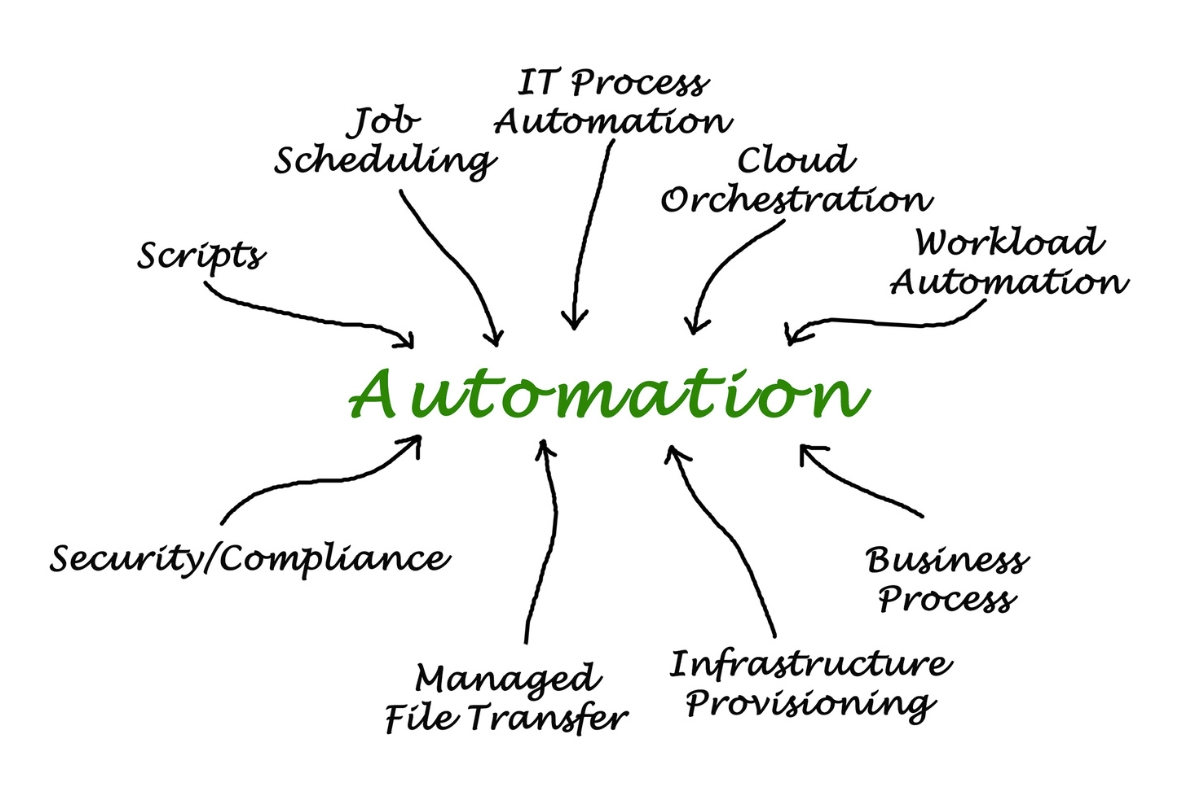
Business Process Automation in Kenya is the use of digital technologies to automate selected business processes, tasks, workflows, information handling, approvals, notifications, and other operational activities. It can include workflow automation, software integrations, automated notifications, data processing, task assignments, reporting, triggers, rules, and other digital capabilities depending on the organization’s requirements. The appropriate automation approach depends on the business’s processes, objectives, users, existing technology, and operational needs.

2. How Does Business Process Automation in Kenya Work?

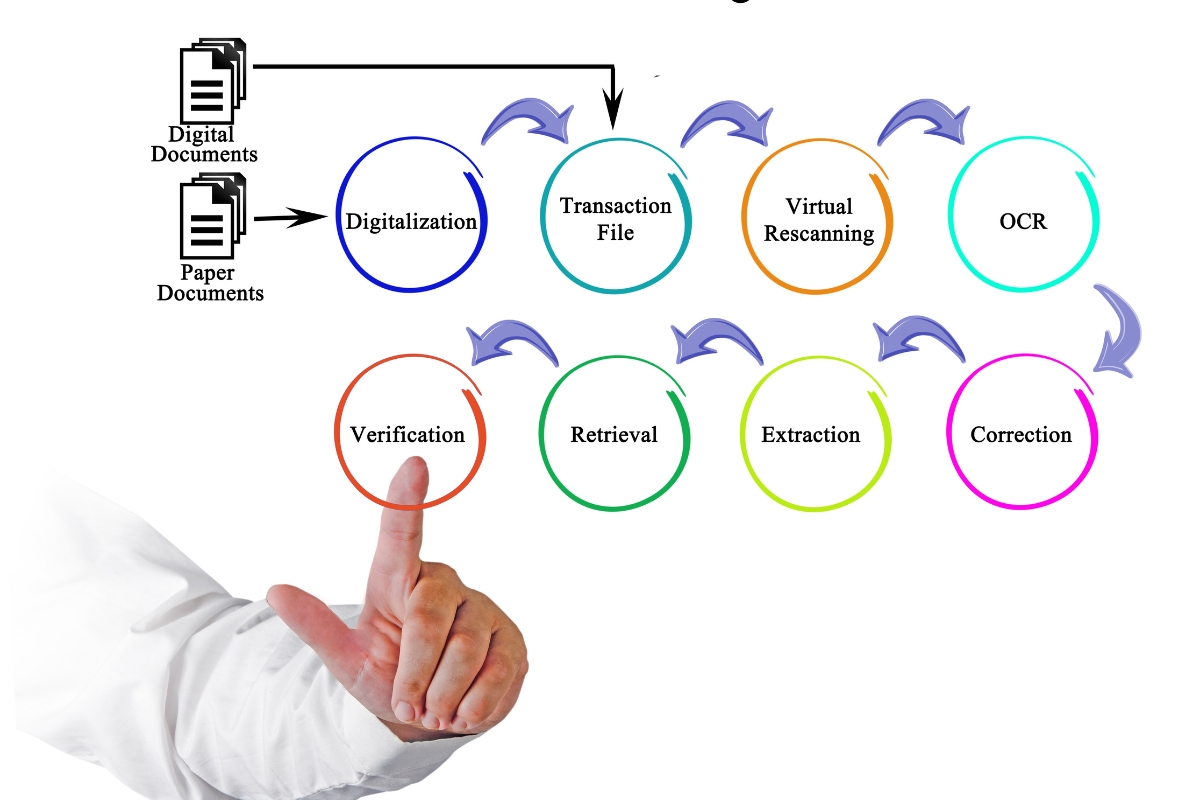
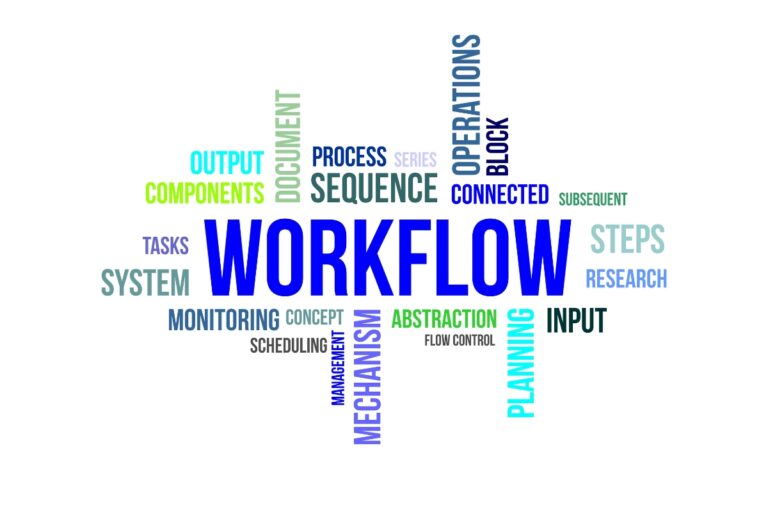
Business process automation organizes selected activities through predefined workflows, rules, triggers, system integrations, data processing, notifications, and automated actions. When defined conditions are met, the system can perform or initiate relevant activities without requiring the same level of manual intervention for every step. The automation should reflect the organization’s actual processes and requirements rather than simply transferring inefficient manual procedures into a digital environment.

3. How Does Business Process Automation Differ From Business Process Management?

Business process management focuses on understanding, organizing, monitoring, improving, and managing business processes across an organization. Business process automation focuses specifically on using technology to automate selected activities or workflow steps within those processes. Automation can therefore form part of a broader process management approach when technology is appropriate for addressing identified operational requirements.

Why Business Process Automation in Kenya Matters

Businesses can experience increasing operational demands as they manage more customers, employees, transactions, information, approvals, communications, and recurring activities. Business Process Automation in Kenya can provide structured digital capabilities for handling suitable repetitive and rule-based processes while allowing employees to focus on activities that require judgment or direct interaction. Appropriate automation can contribute to several important business objectives:

business process automation services

1. Reducing Repetitive Manual Work

Employees may spend significant time performing recurring activities such as data entry, record updates, notifications, task assignments, document processing, and routine follow-ups. Business process automation can handle suitable repetitive activities through predefined workflows and system rules. This can reduce unnecessary manual effort where automation is technically and operationally appropriate.

2. Improving Process Consistency

Manual processes can vary depending on the employee, department, timing, or circumstances involved. Automation can apply predefined rules, workflow steps, notifications, and processing requirements consistently across suitable activities. The resulting consistency depends on the quality of the process design, automation rules, data, and system configuration.

3. Improving Workflow Coordination

Business processes often involve multiple employees, departments, systems, approvals, and information exchanges. Automation can assign tasks, trigger notifications, move information between workflow stages, and initiate subsequent actions according to defined conditions. This can provide clearer coordination across relevant processes.

4. Supporting Business Growth

Growing businesses may experience increasing volumes of customers, transactions, enquiries, employees, documents, and operational activities. Automating suitable processes can help organizations manage higher activity volumes without relying on the same amount of manual intervention for every recurring task. The selected automation approach should accommodate relevant growth requirements without introducing unnecessary complexity.

What Business Areas Can Business Process Automation in Kenya Address?

Business process automation becomes more useful when its capabilities are connected to specific repetitive, structured, or rule-based activities. Different organizations need different combinations of workflows, integrations, triggers, approvals, notifications, and automated actions depending on how they operate. Business Process Automation in Kenya can address several areas of a business:

business process automation services

1. Customer and Client Processes

Businesses can automate selected customer-related activities such as enquiry routing, lead assignment, follow-up reminders, notifications, customer record updates, service requests, and communication workflows. Automation can help move customer information and tasks through defined processes. The appropriate automation depends on the organization’s customer processes and communication requirements.

2. Sales and Lead Processes

Sales teams can automate activities such as lead assignment, follow-up reminders, status updates, notifications, quotation workflows, and sales reporting. Structured automation can help ensure that defined actions occur when relevant conditions or workflow stages are reached. Businesses should determine which sales activities require automation and which require direct employee involvement.

3. Employee and Task Processes

Businesses can automate task assignments, internal notifications, approval requests, reminders, onboarding activities, leave workflows, document routing, and other structured employee processes. Automated workflows can provide clearer visibility into assigned activities and required actions. User roles and access controls should also be considered when automating employee-related processes.

4. Financial and Transaction Processes

Business process automation can support selected financial and transaction-related activities such as invoice generation, payment notifications, approval workflows, transaction updates, expense processing, and reporting. The specific capabilities depend on the systems involved and the organization’s requirements. Businesses should determine how financial automation needs to interact with other operational systems.

5. Inventory and Resource Processes

Businesses that manage products, materials, equipment, or other resources can automate selected inventory and resource activities. Capabilities may include stock alerts, reorder notifications, inventory updates, purchasing workflows, movement records, and resource-related reporting. The appropriate automation depends on the organization’s inventory processes and system environment.

6. Reporting and Information Processes

Automation can help businesses collect information, update records, generate reports, trigger notifications, and organize data for operational monitoring. Automated reporting can provide relevant information according to predefined schedules, conditions, or business events. Businesses should define reporting requirements before determining what information should be automated.

How to Develop Business Process Automation in Kenya

Developing effective Business Process Automation in Kenya requires organizations to understand their processes before introducing automation. Businesses need to identify current workflows, tasks, users, information requirements, systems, dependencies, and operational challenges before determining which activities should be automated. A structured development process can move the organization from process assessment to practical automation:

business process automation services

1. Assess the Current Business Processes

Start by reviewing how the organization manages customers, employees, operations, information, transactions, approvals, and existing systems. Examine recurring tasks, responsibilities, process stages, manual activities, information flows, and operational challenges. This assessment provides the context required to determine what the automation solution needs to support.

2. Map Existing Business Processes

Process mapping helps businesses understand how activities move between employees, departments, customers, systems, and management functions. Businesses can identify repetitive tasks, duplicated information, manual data entry, approval requirements, delays, handoffs, and disconnected workflows through this process. Mapping existing operations also helps prevent inefficient procedures from being transferred directly into an automated workflow.

3. Identify Business Process Automation Opportunities

After reviewing existing processes, identify activities where automation can address specific business requirements. Opportunities may include data entry, task assignments, notifications, approvals, customer follow-ups, reporting, document processing, system integration, inventory alerts, or recurring administrative activities. Each opportunity should connect to a clearly identified operational problem or business objective.

4. Define Automation Objectives and Priorities

Businesses may identify many possible automation opportunities while having limited resources or implementation capacity. Establish what the automation should achieve and prioritize processes according to business relevance, frequency, complexity, risk, and operational importance. Priorities can consider users, dependencies, available resources, technical requirements, and expected outcomes.

5. Establish Business and Technical Requirements

Translate business objectives into clear functional and technical automation requirements. Requirements may cover workflows, triggers, conditions, business rules, data structures, user roles, notifications, integrations, reporting, security, access controls, error handling, and other relevant capabilities. Clear requirements provide a stronger basis for selecting, configuring, integrating, or developing an appropriate automation solution.

6. Evaluate Suitable Automation Approaches

Businesses can compare different approaches after defining their requirements. Depending on the situation, the appropriate approach may involve existing software automation, workflow platforms, application integrations, low-code or no-code tools, custom development, robotic process automation, or a combination of these options. The selected approach should reflect the business process and technical requirement rather than assuming that one automation technology can address every need.

7. Develop a Business Process Automation Roadmap

A roadmap establishes how the organization can move from identifying automation opportunities to implementing and improving automated processes. It can define priorities, implementation stages, responsibilities, dependencies, resources, timelines, integrations, testing requirements, and future automation opportunities. A phased approach can help businesses introduce important automation progressively while managing implementation complexity.

8. Develop, Configure, and Integrate the Automation

Implementation can involve workflow configuration, custom development, system integration, database preparation, trigger setup, business rules, notifications, testing, user setup, training, and deployment. The specific activities depend on the selected approach, number of users, systems involved, process complexity, and technical requirements. Integration requirements should be considered throughout implementation rather than after automation has already been established.

9. Test, Deploy, and Improve the Automation

Before deployment, businesses should test workflows, triggers, data, user access, notifications, integrations, exception handling, reports, and other relevant capabilities against established requirements. After implementation, the organization can monitor automation performance, user interaction, process outcomes, and system errors while identifying additional requirements. Continuous improvement allows automated processes to evolve as business processes and objectives change.

How to Choose the Right Business Process Automation Approach in Kenya

Choosing a suitable Business Process Automation approach in Kenya requires businesses to evaluate available technologies against their actual processes, users, systems, resources, and objectives. Organizations differ in their operating models and automation requirements, so an approach suitable for one business may not meet another organization’s needs. The evaluation should consider the complete business environment:

business process automation services

1. Align Automation With Business Objectives

Every proposed automation should connect to a clearly identified business objective or operational requirement. Businesses should determine what they want to automate, improve, connect, monitor, or standardize before selecting an automation technology. This alignment can help prevent organizations from automating activities that do not provide meaningful operational value.

2. Evaluate Automation Functionality

Review the capabilities of each automation approach against the organization’s actual requirements. Consider workflows, triggers, approvals, notifications, data processing, reporting, integrations, task assignments, document handling, and other relevant functionality. Businesses should distinguish essential automation capabilities from features that are available but not necessary.

3. Assess Integration Requirements

Business process automation may need to connect accounting systems, payment platforms, websites, communication tools, customer systems, inventory platforms, reporting tools, or other applications. Determine which systems need to exchange information and whether their technical capabilities support the required connections. Integration should form part of the automation design rather than becoming an issue after implementation begins.

4. Consider Users and Access Requirements

Different employees, managers, departments, customers, and other users may interact with automated processes in different ways. Consider user roles, permissions, workflow responsibilities, interfaces, notifications, training, and adoption requirements during planning. The automation should support relevant users while maintaining appropriate access to business information and actions.

5. Assess Scalability and Future Requirements

Consider how the organization may change in terms of users, customers, transactions, processes, departments, information, and integrations. The selected automation approach should be able to accommodate reasonable future requirements where scalability is important. Businesses do not need to automate every future process immediately, but the chosen approach should not unnecessarily restrict expected development.

6. Consider Investment, Support, and Maintenance

Investment in business process automation can extend beyond initial development or implementation. Businesses may need to account for software subscriptions, licensing, workflow configuration, customization, integrations, infrastructure, data migration, training, support, maintenance, security, monitoring, and future development. Considering these factors together provides a more realistic basis for selecting an appropriate automation approach.

What Are the Challenges of Implementing Business Process Automation in Kenya?

Business Process Automation in Kenya can involve operational, technical, organizational, financial, data, and user-related considerations. Identifying these challenges early can help businesses establish suitable requirements and implementation plans. The specific challenges depend on the organization’s existing processes, users, resources, systems, and automation objectives:

business process automation services

1. Unclear Business Processes

Businesses can struggle to define what should be automated when they begin with technology instead of examining their existing processes. Unclear process requirements can result in unnecessary automation, scope changes, implementation problems, or automated workflows that do not adequately support users. Process assessment and mapping provide a stronger foundation for automation.

2. Automating Inefficient Processes

Automating a poorly designed process can make an inefficient procedure happen faster without addressing the underlying problem. Businesses should therefore review process steps, responsibilities, approvals, information flows, and operational requirements before automating them. Process improvement may be necessary before automation is introduced.

3. Resistance to Automated Processes

Automation can change how employees enter information, complete tasks, communicate, approve activities, and manage business records. Users may require training and support while adapting to new workflows and digital processes. Involving relevant users during planning and testing can help identify practical requirements and support adoption.

4. Fragmented Business Systems

Organizations may already use separate systems for accounting, sales, customer management, communication, inventory, reporting, and other functions. These systems can store related information without sufficient integration. Business process automation should therefore be evaluated within the existing technology environment to determine whether systems should be retained, integrated, replaced, or improved.

5. Poor Data Quality

Automated processes depend on accurate and appropriately structured business information. Duplicate, incomplete, inconsistent, or outdated records can affect workflow triggers, reporting, integrations, and automated actions. Businesses should assess existing data and establish appropriate data management requirements before introducing automation.

6. Limited Internal Technical Capacity

Some businesses may lack sufficient internal expertise to select, configure, develop, integrate, secure, maintain, or improve complex automation solutions. This can affect implementation and ongoing automation management. Organizations can address these requirements through professional assistance, internal capability development, or a combination of both approaches.

7. Managing Automation Scope

Business process automation projects can become increasingly complex when businesses continue adding processes and functionality during development or implementation. Additional requirements can affect integrations, testing, workflows, timelines, resources, and system complexity. Establishing clear priorities helps businesses separate essential automation from future opportunities.

8. Maintaining Automation Relevance

Business requirements can change as organizations grow, restructure, introduce services, change workflows, add users, or adopt new technologies. Automated processes that are not periodically reviewed can become less aligned with current requirements. Regular evaluation allows businesses to identify improvements and adjust automation when genuine process requirements emerge.

How Does Business Process Automation in Kenya Support Digital Transformation?

Business Process Automation in Kenya can provide a practical foundation for broader digital transformation when automation capabilities are connected to wider business processes and objectives. Digital transformation can affect people, processes, data, technology, customer experiences, and decision-making rather than involving automation alone. Understanding this relationship helps businesses place automation within a broader digital development strategy:

business process automation services

1. Connect Different Business Functions

Digital transformation can require stronger connections between business functions that previously operated separately. Business process automation can connect relevant customer, sales, operational, financial, employee, and reporting processes where appropriate. These connections can improve information movement and coordination when supported by suitable system architecture.

2. Digitize Business Workflows

Automation can replace selected manual processes with structured digital workflows. Activities such as approvals, task assignments, customer follow-ups, notifications, reporting, and information updates can be automated where the requirements justify them. This can create more consistent processes across relevant business activities.

3. Improve Business Information Access

Automated processes can update business records, transfer information between systems, generate reports, and trigger notifications according to defined rules. This can help relevant users access current information through appropriate systems and workflows. The effectiveness of these capabilities depends on data quality, automation design, system integration, and appropriate user access.

4. Support Data-Driven Business Operations

Business process automation can generate and organize information from recurring business activities. Reports, dashboards, analytics, and performance indicators can use this information to support operational monitoring and decision-making. The value of these capabilities depends on the relevance and quality of information rather than simply increasing the volume of automated data.

5. Create a Foundation for Future Digital Capabilities

A structured automation environment can provide established workflows, data structures, integrations, user roles, and system requirements that support future digital initiatives. Businesses can build additional automated processes around existing systems where the architecture and requirements support such development. This allows digital capabilities to develop progressively as business needs evolve.

How Smepal Consultancy Agency Can Help With Business Process Automation in Kenya

Effective Business Process Automation in Kenya needs to reflect how an organization operates and the outcomes it wants to support. At Smepal Consultancy Agency, we begin with business processes, users, information, systems, and operational requirements before determining an appropriate automation direction. Our support can extend across process assessment, automation strategy, workflow development, system integration, custom development, reporting, and ongoing automation improvement:

business process automation services

1. We Assess Your Business Process Automation Requirements

We examine relevant business processes, users, information flows, existing systems, and operational requirements to understand where automation can provide practical support. Our approach focuses on identifying suitable automation opportunities before determining the appropriate technology or workflow. This assessment helps establish a clearer foundation for developing or implementing business process automation.

2. We Translate Business Requirements Into Automation Requirements

We help businesses translate operational objectives into clear functional and technical automation requirements. These can include workflows, triggers, business rules, data structures, user roles, notifications, reporting, integrations, error handling, access controls, and other relevant capabilities. Clear requirements can guide automation selection, configuration, integration, or custom development.

3. We Identify Relevant Automation Opportunities

We help businesses identify processes where automation can improve coordination, reduce repetitive manual work, standardize activities, and support operational requirements. Depending on the organization, opportunities may involve customer management, sales workflows, employee tasks, reporting, dashboards, financial processes, inventory, notifications, or system integration. We focus on applying automation to actual business requirements.

4. We Design and Develop Business Process Automation

Where existing automation tools do not adequately address an organization’s requirements, we can support the design and development of tailored digital workflows and automation solutions. We can structure automation around the organization’s processes, users, data, systems, triggers, rules, and required functionality. This keeps development connected to the business objectives established during planning.

5. We Integrate Business Process Automation Systems

We can support the integration of relevant business applications and digital systems where their technical capabilities allow appropriate information exchange. Integration can connect automated workflows with accounting systems, websites, customer platforms, payment systems, reporting tools, and other applications where appropriate. We consider the existing technology environment when determining the appropriate integration approach.

6. We Support Continuous Automation Improvement

We can continue supporting businesses as their processes, users, systems, and requirements develop. This can include improving workflows, adding automation, extending integrations, developing dashboards, adjusting business rules, supporting reporting, or creating additional digital components. Ongoing improvement remains connected to actual business requirements and changing organizational objectives.

How To Maintain and Improve Business Process Automation in Kenya

Business process automation should evolve as an organization’s operations, users, customers, information, technology, and objectives change. Businesses can periodically review automated workflows, triggers, data, integrations, reporting, user experiences, exceptions, and operational requirements to determine whether their automation remains appropriate. Long-term improvement works best when organizations prioritize meaningful requirements and manage automation changes deliberately:

business process automation services

1. Prioritize Important Automation Requirements

Businesses should continue focusing on automation improvements that have clear operational or strategic relevance. Not every possible process requires immediate automation or modification. Prioritizing meaningful requirements helps organizations direct available resources toward important business objectives.

2. Establish Measurable Automation Objectives

Define appropriate measures for determining whether business process automation supports its intended purpose. These measures may relate to process completion, manual effort, workflow performance, processing time, error rates, system usage, user adoption, reporting visibility, or other indicators connected to the automation’s objectives. The appropriate measures should reflect the specific business requirements being addressed.

3. Review Automation Performance and User Feedback

Users can identify workflow problems, information gaps, exception cases, usability issues, and other operational requirements that may not have been visible during initial planning and implementation. Businesses should review automation performance and gather relevant feedback after deployment. This information can guide future improvements based on actual operational experience.

4. Improve Automation Gradually

Businesses can introduce additional automation when new requirements justify it. A phased approach can help organizations manage system complexity while allowing lessons from existing automated processes to guide future development. New automation should follow business priorities rather than a goal of continuously automating activities.

5. Keep Automation Aligned With Business Objectives

Business objectives can change as organizations grow, restructure, introduce new services, enter new markets, or modify their operating models. Automated processes should evolve when these changes affect workflows, users, information, systems, or operational requirements. Regular reviews can help maintain alignment between automation capabilities and the direction of the organization.

Frequently Asked Questions About Business Process Automation in Kenya

Businesses often have practical questions about automation before deciding what to automate, integrate, configure, or develop. The appropriate approach depends on the organization’s processes, users, requirements, existing systems, objectives, and available resources. These questions address common considerations businesses may have when evaluating and implementing Business Process Automation in Kenya:

1. What is Business Process Automation in Kenya?

Business Process Automation in Kenya is the use of digital technologies to automate selected business processes, tasks, workflows, information handling, approvals, notifications, and other operational activities. It can include workflow automation, system integrations, automated notifications, data processing, triggers, rules, reporting, and other digital capabilities. The appropriate automation approach depends on the organization’s specific requirements and objectives.

2. Why does a business need Business Process Automation in Kenya?

Business process automation can help businesses reduce repetitive manual work, structure workflows, improve process consistency, coordinate activities, and manage increasing volumes of recurring tasks. It can also connect systems and provide automated information handling where appropriate. The value depends on how closely the automation addresses the business’s actual requirements.

3. How do I implement Business Process Automation in Kenya?

Start by assessing existing processes, systems, users, information flows, manual activities, and operational challenges. Define objectives, identify automation opportunities, prioritize suitable processes, establish functional and technical requirements, evaluate automation approaches, and create an implementation roadmap. Depending on the requirements, businesses can configure existing software, integrate systems, use workflow platforms, develop custom automation, or combine several approaches.

4. Is Business Process Automation suitable for small businesses in Kenya?

Small businesses can use automation to address specific repetitive and structured activities without necessarily automating every business process. The appropriate approach depends on the organization’s processes, objectives, users, available resources, and growth requirements. A focused automation solution can help a small business manage important recurring activities while controlling unnecessary complexity.

5. What business processes can be automated?

Businesses can automate suitable processes such as customer enquiries, lead assignment, follow-ups, task assignments, approvals, notifications, invoicing, payment updates, inventory alerts, reporting, document routing, data entry, and system-to-system information transfers. The specific processes suitable for automation depend on their structure, rules, frequency, dependencies, and business requirements. Businesses should assess each process before determining whether automation is appropriate.

6. Does Business Process Automation require custom software development?

No. Businesses can use existing software, configure established platforms, integrate current systems, use workflow automation tools, implement low-code or no-code solutions, develop custom software, or combine several approaches. The appropriate option depends on requirements, existing technology, users, processes, investment, scalability, integrations, and other business considerations.

7. Can Business Process Automation integrate with existing systems?

Yes, where existing systems provide suitable technical capabilities and the required integration is supported. Businesses can assess current systems to determine which should remain, which require improvement, and where integration or replacement may be appropriate. Technical compatibility should be evaluated before assuming that different systems can exchange information effectively.

8. How much does Business Process Automation cost in Kenya?

There is no single cost that applies to every business process automation project. Investment can depend on the number and complexity of processes, users, software licensing, subscriptions, customization, integrations, infrastructure, development, configuration, data migration, testing, training, support, maintenance, and future requirements. The appropriate investment therefore depends on the business requirements and selected automation approach.

9. How long does it take to implement Business Process Automation in Kenya?

The development and implementation timeline depends on the scope and complexity of the automation requirements. A focused workflow can require a different process from a broader automation project involving multiple departments, users, systems, integrations, data migration, reporting, and custom development. Businesses should establish realistic timelines after defining requirements, dependencies, resources, and implementation stages.

10. How can a business measure the success of Business Process Automation?

Businesses can measure automation performance against objectives established during planning and implementation. Relevant measures may include process completion, processing time, manual effort, workflow performance, error rates, system usage, user adoption, information accessibility, or other indicators connected to the automation’s purpose. The most appropriate measures depend on what the business expects its automation to achieve.

business process automation services

Automate Your Business Processes in Kenya With Smepal Consultancy Agency Today!

Contact Smepal Consultancy Agency to discuss your Business Process Automation in Kenya and identify the processes your business can automate to improve operational efficiency. We can help assess your business processes, users, systems, information requirements, and operational objectives before determining an appropriate automation approach. We can also support workflow automation, system integration, custom development, reporting, notifications, dashboards, and broader digital systems requirements. Start automating your business processes today!