








Home » Business Efficiency Solutions in Kenya

Business Efficiency Solutions in Kenya

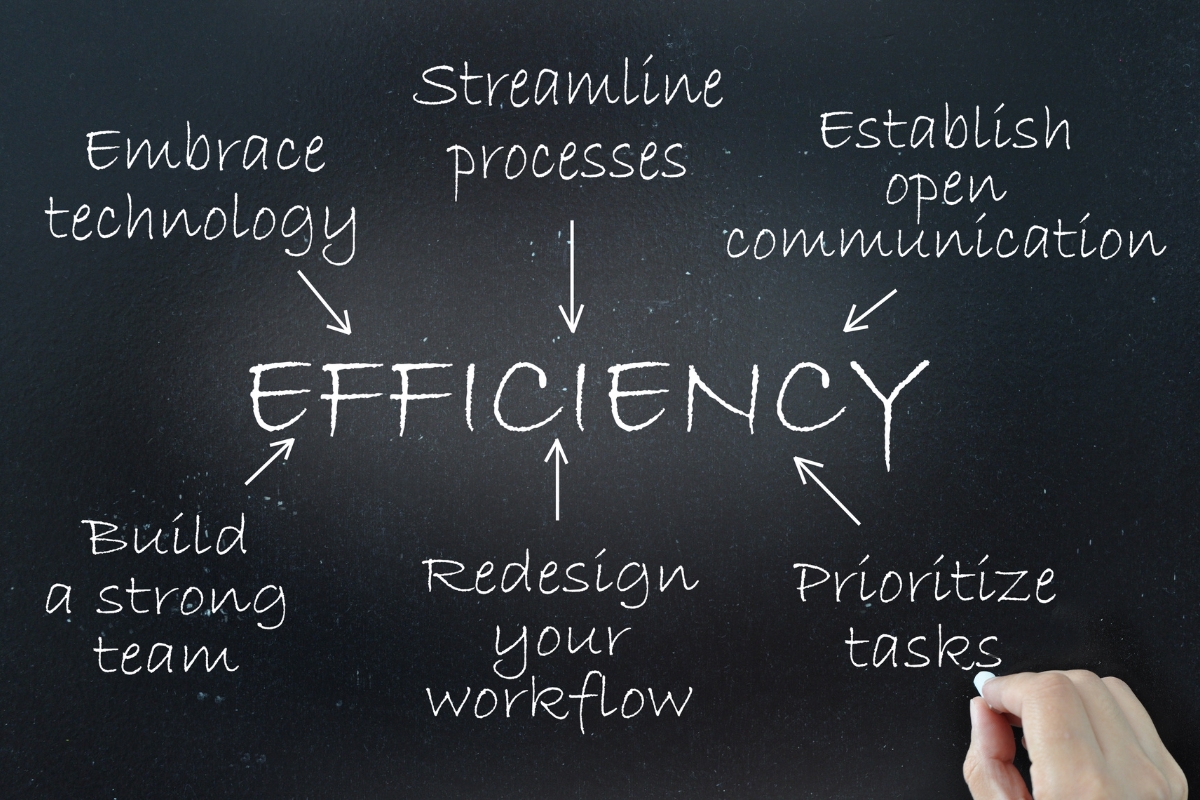
Businesses increasingly look for practical ways to improve how they manage operations, information, customers, employees, and everyday activities. Business Efficiency Solutions in Kenya help organizations identify operational challenges and apply suitable digital processes, systems, automation, integrations, and workflows to improve how work gets done. Developing effective efficiency solutions requires businesses to understand their existing processes, identify areas of unnecessary effort or delays, establish priorities, and determine which digital capabilities can address those requirements. A structured approach also helps businesses improve operational performance while keeping technology decisions connected to their actual business objectives.
Business Efficiency Solutions in Kenya

Understanding Business Efficiency Solutions in Kenya

Business Efficiency Solutions in Kenya provide a structured approach for identifying and addressing operational inefficiencies through suitable processes, systems, technologies, and digital capabilities. Rather than introducing technology without a clear purpose, businesses can connect efficiency initiatives to workflows, users, information, systems, and organizational requirements. Understanding this relationship provides a foundation for making practical decisions about improving business efficiency:

1. What Are Business Efficiency Solutions in Kenya?

Business Efficiency Solutions in Kenya are approaches, processes, systems, and digital tools that help businesses improve how they perform operational activities. They can address repetitive tasks, manual processes, disconnected systems, information gaps, workflow delays, communication challenges, reporting requirements, and other operational issues. The appropriate solution depends on the business’s processes, objectives, users, existing technology, and specific efficiency requirements.

2. How Do Business Efficiency Solutions Work?

Business efficiency solutions begin by examining how a business currently performs its activities and identifying areas where unnecessary effort, delays, duplication, or information gaps occur. The business can then define improvement objectives, establish requirements, evaluate suitable approaches, and implement relevant systems or process changes. This connects efficiency improvements to actual operational needs rather than treating technology as the solution to every business problem.

3. How Do Business Efficiency Solutions Differ From Business Automation?

Business efficiency solutions have a broader focus that can include process improvement, workflow design, system integration, information management, automation, reporting, dashboards, and digital system development. Business automation focuses more specifically on using technology to perform tasks or workflows with reduced manual intervention. Automation can therefore form part of a broader business efficiency approach when it addresses a suitable operational requirement.

Why Business Efficiency Solutions Matter

Businesses can lose time and resources when employees repeatedly perform manual tasks, work with disconnected information, or follow inefficient processes. A structured efficiency approach helps organizations identify the causes of operational challenges and determine where process or digital improvements can provide practical support. These solutions can contribute to several important business objectives:

Business Efficiency Solutions in Kenya

1. Improving Operational Efficiency

Business efficiency solutions can help identify repetitive activities, unnecessary manual work, process delays, and inefficient information movement. Digital workflows, automation, system integration, and structured processes can address suitable operational requirements. This can help employees complete relevant activities through clearer and more consistent workflows.

2. Reducing Unnecessary Manual Work

Employees may spend significant time entering information, moving data between systems, preparing reports, sending repetitive communications, or completing routine administrative tasks. Suitable digital solutions can automate or simplify selected activities where automation supports the business requirement. This can allow employees to focus their time on activities that require human judgment, communication, or specialized knowledge.

3. Improving Business Information Management

Businesses rely on information from sales, finance, customers, operations, employees, and other activities. Efficiency solutions can help organizations collect, organize, access, connect, and report relevant information more effectively. Better information management can support operational visibility and reduce unnecessary effort caused by searching for or reconciling information.

4. Supporting Business Growth

Growing businesses often experience increasing transaction volumes, customers, employees, responsibilities, and operational processes. Efficiency solutions can help businesses develop processes and systems that accommodate these changes. This can reduce the need to repeatedly redesign manual processes as operational requirements increase.

What Are the Business Areas Business Efficiency Solutions Can Address?

Business efficiency becomes more practical when organizations connect improvement initiatives to specific operational requirements. Different businesses have different workflows, systems, users, customers, and objectives, so efficiency solutions should address areas where measurable operational improvements can support the organization. These opportunities can cover several areas of a business:

Business Efficiency Solutions in Kenya

1. Customer and Client Management

Businesses can use digital systems to manage customer information, enquiries, communication, service requests, follow-ups, and customer interactions. Efficiency solutions can help structure these activities through centralized information, workflows, notifications, and customer-facing systems. This can reduce unnecessary administrative work and improve coordination across customer-related processes.

2. Sales and Marketing Operations

Sales and marketing teams may manage leads, customer information, campaigns, communications, follow-ups, and performance information across different tools. Business efficiency solutions can help connect relevant activities and reduce unnecessary duplication between systems or teams. Appropriate workflows and reporting capabilities can also improve visibility across sales and marketing operations.

3. Internal Workflows and Operations

Internal activities such as approvals, task assignments, document handling, employee requests, scheduling, and operational coordination can create recurring administrative demands. Digital workflows can structure these processes through assignments, notifications, approvals, shared information, and system-based activities. Efficiency planning helps businesses determine which processes require improvement and which digital capabilities can support them.

4. Finance and Business Reporting

Businesses often manage financial and operational information through multiple processes, spreadsheets, and systems. Efficiency solutions can help organize relevant information and connect reporting activities where technical integration supports the requirement. Improved reporting workflows can reduce repetitive information preparation and provide clearer access to business performance information.

5. Service Delivery and Communication

Service-based businesses can use digital systems to manage customer requests, assignments, scheduling, communication, documentation, and service progress. Efficiency solutions can connect relevant activities and provide greater visibility across service workflows. This can help businesses coordinate service delivery while reducing unnecessary administrative processes.

How to Develop Business Efficiency Solutions in Kenya

Developing effective efficiency solutions requires businesses to understand their existing operations before selecting or developing technology. Organizations need to determine what happens today, where inefficiencies occur, what they want to improve, and which processes or systems can address those requirements. A structured development process can move the business from operational assessment to practical implementation:

Business Efficiency Solutions in Kenya

1. Assess the Current Business Environment

Start by examining how the organization manages its operations, customers, employees, information, and existing technology. Review current processes, responsibilities, systems, information flows, and recurring operational challenges. This assessment provides the context required to identify suitable efficiency opportunities.

2. Map Existing Business Processes

Process mapping shows how activities move through the organization and where employees, departments, customers, and systems interact. Businesses can use process maps to identify repetitive activities, duplicated work, unnecessary manual steps, delays, disconnected information, and unclear responsibilities. Understanding current processes also helps prevent businesses from transferring inefficient procedures into new digital systems.

3. Identify Efficiency Opportunities

After reviewing existing processes, identify areas where process improvements or digital systems can address specific operational requirements. Opportunities may include workflow automation, system integration, dashboards, reporting systems, customer portals, document management, or custom digital applications. Each opportunity should connect to a clearly identified business problem or improvement objective.

4. Define Efficiency Objectives and Priorities

Businesses may identify several opportunities but have limited resources for implementing them at the same time. Define what the organization wants each efficiency initiative to achieve and establish priorities based on business relevance. Prioritization can consider operational importance, user requirements, available resources, complexity, dependencies, and expected outcomes.

5. Establish Business and System Requirements

Translate efficiency objectives into clear functional and technical requirements. Requirements may cover users, workflows, data, reporting, integrations, automation, security, access controls, interfaces, scalability, and other relevant capabilities. Clear requirements provide a stronger basis for selecting, configuring, integrating, or developing suitable solutions.

6. Evaluate Suitable Efficiency Solutions

Businesses can compare different approaches after defining what the solution needs to accomplish. Depending on the situation, the appropriate approach may involve existing software, platform configuration, workflow automation, system integration, custom development, process redesign, or a combination of these options. The selected approach should reflect the business requirement rather than assuming that one technology works for every organization.

7. Develop an Efficiency Improvement Roadmap

A roadmap defines how the organization can move from identifying inefficiencies to implementing improvements. It can establish priorities, stages, responsibilities, dependencies, resources, timelines, and measures for evaluating progress. A phased approach can help businesses improve important processes progressively rather than attempting to change every operation simultaneously.

8. Implement and Integrate Efficiency Solutions

Implementation can involve process redesign, system configuration, custom development, data preparation, workflow design, integrations, testing, training, and deployment. The specific activities depend on the solution, business environment, number of users, and technical complexity. Integration planning should also consider the capabilities and compatibility of existing systems.

9. Measure Results and Refine the Solutions

Business efficiency improvement continues after a solution becomes operational. Businesses should monitor whether the solution supports the intended processes, users, information requirements, and objectives. Performance data, user feedback, and changing business requirements can then guide further improvements.

How to Choose the Right Business Efficiency Solutions in Kenya

Choosing suitable Business Efficiency Solutions in Kenya requires businesses to evaluate available approaches against their actual operational requirements. Organizations differ in their processes, users, systems, resources, and objectives, so a solution that works for one business may not meet another organization’s needs. The evaluation should consider the complete business environment:

Business Efficiency Solutions in Kenya

1. Align Efficiency Solutions With Business Objectives

Every proposed efficiency initiative should connect to a clearly identified business objective. Businesses should understand what they want to improve, simplify, connect, automate, or measure before selecting a solution. This alignment helps prevent organizations from investing in functionality that does not address meaningful operational requirements.

2. Evaluate Existing Processes and Systems

Existing technology can determine whether a business needs to retain, improve, replace, or integrate its current systems. Review existing systems together with the processes they support before introducing new technology. This assessment can reveal opportunities to improve existing operations without creating unnecessary duplication.

3. Assess Integration Requirements

Businesses often depend on several systems that exchange or rely on related information. Determine which systems need to communicate and assess whether their technical capabilities can support the required connections. Integration should form part of the efficiency strategy rather than becoming an issue after implementation begins.

4. Consider Users and Adoption

Efficiency solutions need to support the employees, managers, customers, or other users who interact with them. Consider usability, responsibilities, access requirements, training, workflow changes, and adoption during planning. A technically capable system still needs to fit the people and processes that use it.

5. Assess Scalability and Future Requirements

Businesses should consider how users, transactions, processes, information, integrations, and operational responsibilities may change over time. This does not require organizations to implement every possible future feature immediately. Instead, businesses should determine whether the selected approach can accommodate reasonable future requirements without introducing unnecessary complexity.

6. Consider Investment, Support, and Maintenance

Efficiency investment can extend beyond initial development or implementation. Businesses may need to account for subscriptions, infrastructure, integrations, configuration, development, training, support, maintenance, upgrades, and future improvements. Considering these factors together provides a more realistic basis for selecting an appropriate solution.

What Are the Challenges of Implementing Business Efficiency Solutions in Kenya?

Business efficiency initiatives can involve operational, technical, organizational, financial, and data-related considerations. Identifying these challenges early can help businesses plan appropriate responses before implementation begins. The specific challenges depend on the organization’s current processes, systems, resources, users, and objectives:

Business Efficiency Solutions in Kenya

1. Unclear Business Requirements

Businesses can struggle to define their actual efficiency requirements when they begin with technology instead of business processes. Unclear requirements can result in scope changes, unsuitable functionality, or systems that do not adequately support users. Process assessment and requirements definition can provide a stronger foundation for efficiency planning.

2. Resistance to Process Changes

Efficiency initiatives can change how employees perform tasks, access information, communicate, approve activities, and complete workflows. Users may need time, training, and support to adopt new processes. Businesses can address this challenge by involving relevant users during planning and explaining how proposed changes relate to operational requirements.

3. Fragmented Business Systems

Organizations may use several systems that manage related information without sufficient integration. This fragmentation can make information movement, reporting, and process coordination more difficult. A Business Efficiency Solution should therefore consider the existing technology environment before introducing additional systems.

4. Data Quality Problems

Digital efficiency solutions depend on reliable and well-structured business information. Incomplete, duplicated, inconsistent, or poorly organized data can create problems during system integration, reporting, or migration. Businesses should assess data quality and establish appropriate data management requirements as part of their efficiency planning.

5. Limited Internal Technical Capacity

Some businesses may lack sufficient internal expertise to plan, develop, integrate, manage, or maintain complex digital efficiency solutions. This can affect implementation and ongoing support. Organizations can address these requirements through professional assistance, internal capability development, or a combination of both approaches.

6. Managing Solution Scope

Efficiency projects can become increasingly complex when businesses continue adding requirements during implementation. Scope expansion can affect resources, timelines, costs, integrations, and system complexity. Establishing clear requirements and priorities helps businesses separate essential capabilities from improvements that can form part of later phases.

7. Maintaining Operational Alignment

Efficiency solutions can become less relevant when business processes and objectives change while the implemented systems remain unchanged. Businesses should periodically review their efficiency solutions against current operational requirements. Regular review allows the organization to improve its digital capabilities as its operations develop.

How Do Business Efficiency Solutions Support Digital Transformation?

Business Efficiency Solutions in Kenya can create a practical foundation for broader digital transformation when organizations connect individual process improvements to wider business objectives. Digital transformation extends beyond individual software implementations because it can affect people, processes, data, technology, customer experiences, and decision-making. Understanding this relationship helps businesses place efficiency initiatives within a broader digital development context:

Business Efficiency Solutions in Kenya

1. Connect Separate Business Processes

Digital transformation can require stronger connections between processes that previously operated independently. Efficiency solutions can identify where workflows, systems, and information need to connect to support broader business objectives. These connections can create a more coordinated digital environment when the underlying requirements justify them.

2. Develop Connected Digital Workflows

Businesses can gradually connect related activities through structured digital workflows. This can reduce unnecessary movement between disconnected processes and create clearer information flows. Efficiency planning helps determine which workflow connections provide meaningful value to the organization.

3. Improve Access to Business Information

Connected systems can provide opportunities to organize relevant information through reports, dashboards, analytics tools, or other interfaces. Improved access can support operational monitoring and decision-making when businesses maintain accurate and relevant data. Efficiency improvements can therefore contribute to digital transformation by improving how organizations manage and use information.

4. Support Data-Driven Business Decisions

Digital efficiency systems can collect and organize information that businesses need for operational and strategic decisions. Dashboards, reports, analytics systems, and integrated data environments can support this process where appropriate. The value depends on the relevance, quality, accessibility, and interpretation of business information rather than simply increasing the amount of available data.

5. Create a Foundation for Future Digital Capabilities

A structured efficiency approach can help businesses develop digital capabilities progressively. Future initiatives can build on established processes, data structures, integrations, requirements, and operational knowledge where appropriate. This approach can support broader digital transformation without requiring every capability to launch simultaneously.

How Smepal Consultancy Agency Can Help With Business Efficiency Solutions in Kenya

Effective business efficiency solutions need to connect technology decisions with the way a business actually operates. At Smepal Consultancy Agency, we begin with business requirements, processes, and operational needs before determining an appropriate digital direction. Our support can extend across process assessment, digital systems, automation, integration, implementation, and continuous improvement:

Business Efficiency Solutions in Kenya

1. We Assess Your Business Processes and Efficiency Needs

We examine relevant business processes to understand how the organization currently operates and where digital systems can provide practical support. Our approach focuses on identifying genuine operational requirements before recommending digital solutions. This assessment helps establish a clearer direction for improving business efficiency.

2. We Translate Business Requirements Into Digital System Requirements

We help connect business objectives with the functionality and technical capabilities that digital systems need. This can include workflows, data requirements, integrations, reporting, access controls, automation, and other relevant components. Clear requirements can guide solution selection, configuration, integration, or custom development.

3. We Identify Relevant Efficiency Opportunities

We help businesses identify areas where process improvement and digitalization can address meaningful operational requirements. Depending on the business, opportunities may involve workflow automation, dashboards, customer-facing systems, system integrations, reporting solutions, or custom digital applications. We focus on applying digital capabilities to actual business needs.

4. We Design and Develop Digital Efficiency Systems

Where business requirements call for tailored functionality, we can support the design and development of relevant digital systems. We can structure the solution around the organization’s processes, users, data, workflows, and required functionality. This keeps system development connected to the efficiency objectives established during planning.

5. We Integrate Business Systems and Digital Processes

We can support the integration of relevant business systems where their technical capabilities allow effective information exchange. System integration can connect related workflows and reduce unnecessary separation between business processes. We consider the existing technology environment when determining the appropriate integration approach.

6. We Support Continuous Business Efficiency Improvement

We can continue supporting businesses as their processes, systems, users, and requirements develop. This can include improving workflows, extending system functionality, developing additional digital components, supporting integrations, or improving reporting capabilities. Ongoing efficiency improvement should remain connected to genuine business requirements and measurable objectives.

How To Maintain and Improve Your Business Efficiency Solutions

Business efficiency solutions should continue evolving as the organization’s processes, technology, customers, employees, and objectives change. Businesses can periodically review their systems, workflows, user experiences, information requirements, and operational priorities to determine whether their efficiency capabilities remain appropriate. Long-term efficiency improvement works best when organizations improve their capabilities deliberately and according to business needs:

Business Efficiency Solutions in Kenya

1. Prioritize High-Value Business Requirements

Businesses should continue focusing on efficiency initiatives that have clear operational or strategic relevance. Not every potential improvement requires immediate implementation. Prioritizing meaningful requirements helps organizations direct available resources toward important business objectives.

2. Establish Measurable Efficiency Objectives

Define measures that allow the organization to determine whether an efficiency initiative supports its intended purpose. These measures may relate to workflow performance, process completion, information accessibility, reporting visibility, system usage, user adoption, or other indicators connected to the initiative’s purpose. The appropriate measures should reflect the specific objective of each efficiency initiative.

3. Review System Performance and User Feedback

Users can identify operational issues that may not become apparent during initial planning and testing. Businesses should review system performance and gather relevant user feedback after implementation. This information can help identify improvements that address actual operational requirements.

4. Improve Business Processes Gradually

Businesses can introduce additional capabilities when new requirements justify them. Gradual improvement can help organizations manage complexity while allowing lessons from previous implementations to guide future development. New functionality should follow business priorities rather than a goal of continuously adding features.

5. Keep Efficiency Solutions Aligned With Business Objectives

Business objectives can change as organizations grow, restructure, introduce new services, enter new markets, or modify their operating models. Efficiency solutions should evolve when these changes affect system and process requirements. Regular strategic reviews can help maintain alignment between operational capabilities and the direction of the organization.

Frequently Asked Questions About Business Efficiency Solutions in Kenya

Businesses often have practical questions about improving efficiency before deciding what to change, which processes to improve, or which digital systems to introduce. The appropriate approach depends on the organization’s processes, requirements, users, existing systems, objectives, and available resources. These questions address common considerations businesses may have when developing and implementing efficiency solutions:

1. What are Business Efficiency Solutions in Kenya?

Business Efficiency Solutions in Kenya are processes, systems, technologies, and digital approaches that help businesses improve how they perform operational activities. They can address repetitive tasks, manual workflows, disconnected systems, information gaps, reporting requirements, and other operational challenges. The appropriate solution depends on the specific requirements and objectives of the business.

2. Why does a business need efficiency solutions?

Efficiency solutions can help businesses identify and address processes that consume unnecessary time, resources, or administrative effort. They can also help organizations improve workflows, connect systems, organize information, and support operational visibility. The value depends on how closely the solution addresses the business’s actual requirements.

3. How do I develop Business Efficiency Solutions in Kenya?

Start by assessing existing processes, systems, information flows, users, and operational challenges. Identify efficiency opportunities, establish improvement objectives and priorities, define business and technical requirements, evaluate suitable approaches, and create an implementation roadmap. The business should also establish appropriate measures for evaluating results and reviewing future requirements.

4. Are Business Efficiency Solutions suitable for small businesses in Kenya?

Small businesses can use efficiency solutions to address specific operational requirements without implementing complex systems across the entire organization. The appropriate approach depends on the business’s processes, objectives, users, available resources, and growth requirements. A focused approach can help a small business improve important processes while managing unnecessary complexity.

5. What business processes can efficiency solutions address?

Efficiency solutions can address processes such as customer management, sales, marketing, internal workflows, reporting, communication, service delivery, document management, payments, approvals, and information management. The relevant opportunities depend on the organization’s operating model and requirements. Businesses should assess individual processes to determine where process or digital improvements can provide meaningful support.

6. Do Business Efficiency Solutions require custom software?

No. Businesses can use existing software, configure established platforms, integrate current systems, automate selected workflows, improve processes, develop custom components, or combine several approaches. The appropriate option depends on requirements, existing technology, users, processes, investment, scalability, and other business considerations.

7. Can efficiency solutions work with existing business systems?

Yes, where existing systems continue to meet relevant business requirements and provide suitable technical capabilities. An efficiency assessment can help identify which systems should remain, which require improvement, and where integration or replacement may provide a more appropriate solution. Businesses should assess technical compatibility before assuming that existing systems can connect successfully.

8. How much do Business Efficiency Solutions cost in Kenya?

There is no single cost that applies to every business efficiency solution. Investment can depend on functionality, scope, complexity, users, customization, integrations, infrastructure, development, configuration, testing, training, support, maintenance, subscriptions, and future requirements. The appropriate investment therefore depends on the specific business requirements and implementation approach.

9. How long does it take to implement Business Efficiency Solutions in Kenya?

The timeline depends on the scope and complexity of the efficiency initiative. A focused workflow improvement can require a different implementation process from a broader digital system involving multiple users, integrations, data migration, and custom development. Businesses should establish realistic timelines after defining requirements, dependencies, resources, and implementation stages.

10. How can a business measure the success of its efficiency solutions?

Businesses can measure results against objectives established during efficiency planning. Relevant measures may include process performance, task completion time, information accessibility, workflow completion, reporting visibility, system usage, user adoption, or other indicators connected to the initiative’s purpose. The most appropriate measures depend on what the business intends each efficiency solution to achieve.

Business Efficiency Solutions in Kenya

Build Your Business Efficiency Solutions in Kenya With Smepal Consultancy Agency Today!

Contact Smepal Consultancy Agency to discuss your Business Efficiency Solutions in Kenya and identify practical opportunities to improve your business processes and systems. We can help assess your operational requirements, identify areas for improvement, and plan suitable digital solutions around your business needs. We can also support relevant system development, integration, workflows, dashboards, automation, and broader digital systems requirements. Start improving your business efficiency today!