How to Create a Digital Transformation Roadmap for Your Business
Modernizing a business is rarely about adding more technology; it is about changing how people, processes, data, and systems work together to deliver better results. Many organizations invest in new software, automation tools, cloud platforms, or digital channels without a clear transformation direction, leaving them with disconnected systems and technology that does not fully support their goals. A digital transformation roadmap brings these moving parts together by defining where the business is today, where it wants to go, and the technology, people, processes, and priorities needed to get there. Through digital transformation consulting services, businesses can turn this vision into a practical roadmap that guides investment, reduces uncertainty, and creates a stronger foundation for sustainable growth.

Why Does Your Business Need a Digital Transformation Roadmap?
Digital transformation involves more than buying new technology or replacing old systems. Without a clear plan, businesses can invest in tools that do not solve their main challenges or support their goals. A digital transformation roadmap creates a clear path for choosing the right systems, setting priorities, managing resources, and achieving measurable results:
1. A Roadmap Aligns Digital Transformation With Business Objectives
A digital transformation roadmap connects technology decisions with your wider business goals. It helps you identify which digital changes can improve efficiency, customer service, revenue, or business growth. This ensures that technology supports your strategy instead of becoming an expense with no clear purpose.
2. A Roadmap Helps Prioritize Transformation Initiatives
Businesses often have many processes that need digital improvement, but not every change needs to happen at once. A roadmap helps you identify which projects have the greatest value and should come first. With clear priorities, your business can focus its resources on high-impact initiatives while planning other improvements for later stages.
3. A Roadmap Helps Businesses Manage Technology Investment
Digital transformation may require investment in software, infrastructure, integrations, data systems, security, and staff training. Without proper planning, these costs can grow quickly and lead to poor investment decisions. A roadmap gives your business a clearer view of current and future needs, helping you plan budgets and invest in solutions that support long-term value.
4. A Roadmap Creates Clear Transformation Milestones
Digital transformation is a process that often takes place over several stages. A roadmap breaks this process into clear milestones that your team can track and measure. Each stage can have specific goals, timelines, and expected results, making it easier to see progress and adjust the plan when business needs change.
5. A Roadmap Improves Coordination Across Departments
Digital systems often affect several departments at the same time, from finance and sales to operations and customer service. A shared roadmap helps teams understand what is changing, when it will happen, and how their work may be affected. This improves coordination and makes it easier to manage system changes, integrations, data, and responsibilities across the business.
6. A Roadmap Helps Reduce Digital Transformation Risks
Digital transformation can face risks such as unclear requirements, system integration problems, security gaps, budget overruns, and resistance to change. A roadmap helps identify these risks before major implementation begins and gives your team time to plan solutions. Working with providers that offer digital transformation consulting services can also help your business make informed technology decisions and reduce avoidable implementation problems.
What Should a Digital Transformation Roadmap Include?
A digital transformation roadmap should give your business a clear view of what needs to change, why it matters, and how the change will happen. It should go beyond listing new technologies by connecting business goals, processes, people, systems, and expected results. A well-planned roadmap creates practical steps that help your business move from its current state toward its desired digital future:
1. Business Goals and Transformation Objectives
The roadmap should begin with clear business goals and transformation objectives. These may include improving efficiency, reducing operating costs, enhancing customer experiences, increasing revenue, or supporting expansion. Defining these goals first helps ensure that every digital initiative has a clear business purpose.
2. Current Technology and Process Assessment
A strong roadmap should show where your business currently stands. This assessment can review existing software, systems, infrastructure, workflows, data, and manual processes to identify gaps and inefficiencies. Understanding the current state makes it easier to determine which areas need improvement and where digital investment can create the most value.
3. Target Digital Capabilities
The roadmap should define the digital capabilities your business needs to achieve its future goals. These may include automation, data analytics, customer portals, integrated systems, cloud solutions, or improved digital communication. Clear target capabilities help your team understand what the business should be able to do after the transformation.
4. Technology and System Requirements
Once the required capabilities are clear, the roadmap should outline the technology and systems needed to support them. This can include software platforms, custom applications, integrations, databases, infrastructure, cybersecurity, and data management requirements. Careful planning helps businesses choose solutions that work together and can support future growth.
5. People, Skills, and Organizational Changes
Digital transformation affects people as much as it affects technology. A roadmap should identify the skills, roles, training, leadership support, and process changes needed to help employees adopt new systems. This makes it easier to prepare teams for change and improve the chances of successful technology adoption.
6. Transformation Initiatives and Priorities
The roadmap should turn broader objectives into specific transformation initiatives. Each initiative should have a clear purpose, priority, expected value, and relationship with other projects. Using digital transformation consulting services can help businesses assess these initiatives and determine which projects should be implemented first based on business impact and available resources.
7. Implementation Timelines and Milestones
A roadmap should establish when key transformation activities will take place. It can divide major projects into manageable phases with clear milestones, responsibilities, and deadlines. This gives management and teams a practical schedule for tracking progress and keeping implementation on course.
8. Performance Measures and Expected Outcomes
Every transformation initiative should have measurable outcomes that show whether it is delivering value. These measures can include reduced processing time, lower costs, improved customer satisfaction, higher productivity, or increased revenue. Defining these measures in advance helps businesses evaluate results and make better decisions as the transformation continues.

What Major Trends Are Shaping Digital Transformation Roadmaps?
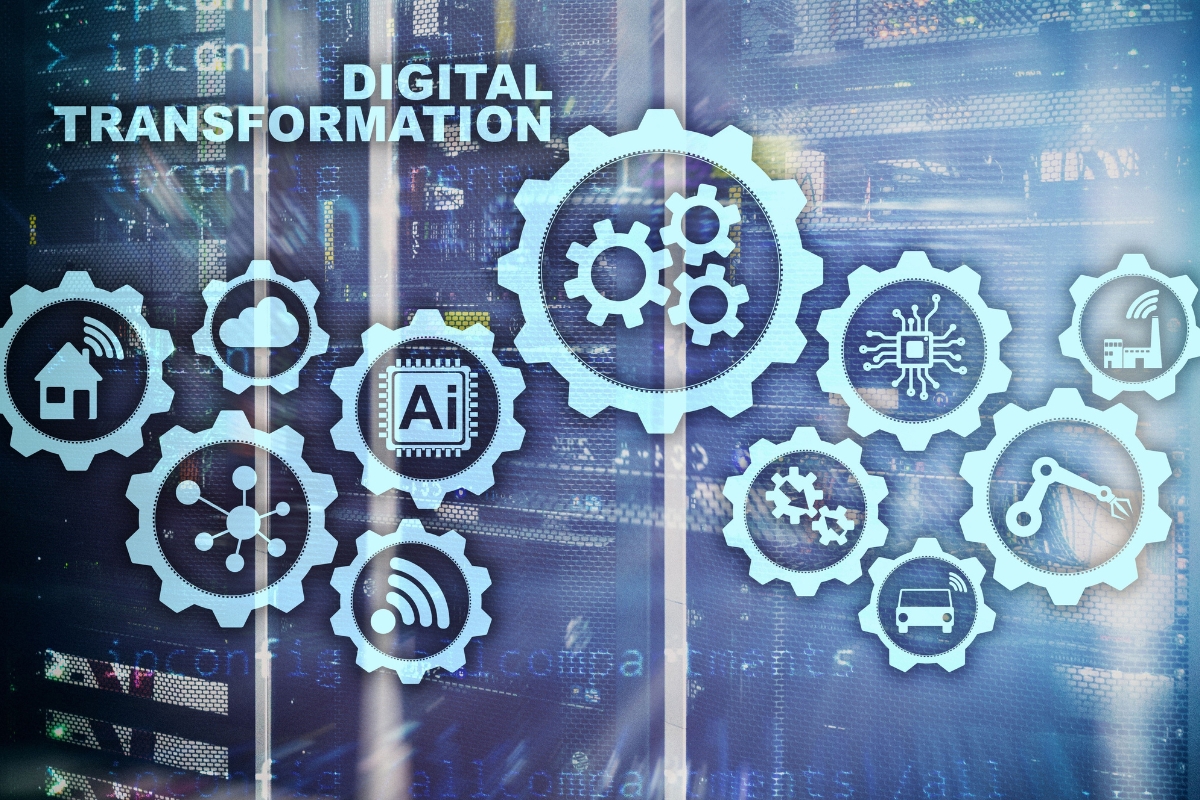
Emerging technologies are changing how businesses plan, build, and improve their digital systems. Businesses now need to consider more than basic software upgrades when setting transformation priorities. Understanding these trends can help organizations create roadmaps that remain useful as technology and customer expectations continue to change:
1. Artificial Intelligence Is Becoming a Core Transformation Priority
Artificial intelligence is becoming an important part of how businesses automate tasks, analyze information, and improve customer interactions. Businesses can use AI for areas such as customer support, data analysis, content workflows, forecasting, and process automation. Including relevant AI opportunities in a transformation roadmap can help businesses improve efficiency while preparing for future digital needs.
2. Cloud Computing Is Supporting More Flexible Digital Infrastructure
Cloud computing gives businesses flexible access to software, storage, computing resources, and business applications. It can support remote work, easier collaboration, faster system deployment, and more flexible resource management. As businesses expand, cloud-based infrastructure can also make it easier to adjust digital resources to match changing operational needs.
3. Business System Integration Is Becoming Increasingly Important
Businesses often use several systems to manage different areas of their operations. When these systems do not communicate, employees may have to enter the same information multiple times or switch between disconnected platforms. System integration can connect important business applications, improve data flow, reduce duplication, and create more efficient workflows.
4. Data-Driven Decision-Making Is Shaping Digital Strategies
Businesses have access to increasing amounts of information from customers, operations, sales, finance, and digital platforms. The challenge is turning this information into useful insights that support better decisions. Digital transformation roadmaps should therefore consider data collection, integration, reporting, analytics, and governance as important parts of the overall strategy.
5. Cybersecurity Is Becoming Central to Digital Transformation
As businesses adopt more connected systems, they also face greater exposure to security threats. A transformation roadmap should consider access controls, data protection, secure system design, monitoring, backups, and other security measures from the beginning. Building cybersecurity into transformation planning helps protect business information while supporting safer digital growth.
6. Automation Is Reshaping Business Operations
Automation is changing how businesses handle repetitive tasks and routine workflows. Organizations can use automation to reduce manual work, speed up processes, improve accuracy, and free employees to focus on higher-value activities. Including automation opportunities in a roadmap can help businesses identify processes where technology can deliver measurable operational improvements.
How to Create a Digital Transformation Roadmap for Your Business
Creating a digital transformation roadmap requires a structured approach that connects business needs with practical technology decisions. The process should begin with understanding your current position before defining where you want the business to go. The following steps can help you create a roadmap that is realistic, measurable, and aligned with your long-term goals:

1. Define Your Business Transformation Goals
Start by identifying what you want digital transformation to achieve for your business. Your goals may include improving efficiency, reducing costs, increasing sales, improving customer service, or supporting expansion. Clear goals give your roadmap direction and help you judge whether each proposed initiative has real business value.
2. Assess Your Current Digital Capabilities
Review the technology, systems, processes, skills, and digital tools your business already uses. Identify what works well, what creates problems, and where important capabilities are missing. This assessment gives you a clear starting point and helps prevent your roadmap from being based on assumptions.
3. Identify Operational and Customer Experience Gaps
Look for areas where current processes create delays, errors, unnecessary costs, or poor customer experiences. Speak with employees and consider customer feedback to identify recurring problems. These gaps can help you determine which areas should receive attention during the transformation process.
4. Map Your Existing Technology and Business Systems
Create a clear view of the systems used across your business and how they connect. This can include accounting software, customer management platforms, websites, internal applications, databases, communication tools, and other systems. Mapping these technologies can reveal duplication, integration gaps, outdated platforms, and opportunities to simplify your digital environment.
5. Identify the Digital Capabilities Your Business Needs
Define what your business needs to be able to do in the future. These capabilities may include automated workflows, integrated systems, real-time reporting, online customer services, data analytics, or AI-supported processes. Defining capabilities before choosing specific technologies helps keep the roadmap focused on business outcomes.
6. Prioritize Transformation Initiatives Based on Business Value
Not every digital project should have the same priority. Assess each initiative based on its potential business impact, urgency, cost, complexity, and dependencies. Digital transformation consulting services can help businesses evaluate these factors and create a practical order for implementing high-value initiatives.
7. Define the Technology and System Requirements
Once priorities are clear, identify the technology needed to support each initiative. Consider software, custom development, integrations, cloud infrastructure, databases, security, and other technical requirements. This step helps ensure that proposed solutions can work with your existing environment and support future business growth.
8. Plan People, Skills, and Change Management
Technology alone cannot deliver successful transformation if employees are not prepared to use it. Identify the skills your teams need, the training required, and the changes employees will experience in their daily work. A clear change management plan can improve adoption and reduce resistance during implementation.
9. Establish Transformation Timelines and Milestones
Break the roadmap into manageable phases with clear timelines and milestones. Each phase should identify the work to be completed, responsible teams, expected deliverables, and key dependencies. This gives everyone a shared schedule and makes it easier to monitor whether implementation is moving as planned.
10. Define KPIs and Methods for Measuring Transformation Success
Set measurable indicators that show whether each transformation initiative is delivering value. Depending on your goals, these may include processing time, operating costs, productivity, customer satisfaction, system usage, revenue, or error rates. Tracking these measures helps management understand what is working and where further improvements are needed.
11. Review and Refine the Roadmap Before Implementation
Before implementation begins, review the roadmap with key stakeholders and test whether its goals, priorities, resources, timelines, and expected outcomes are realistic. Adjust areas that lack clear ownership, funding, technical feasibility, or measurable results. A well-reviewed roadmap gives your business a stronger foundation for implementation and makes it easier to adapt as priorities and technology change.
What Are the Best Practices for Implementing a Digital Transformation Roadmap?
A digital transformation roadmap only creates value when businesses turn their plans into controlled and measurable action. Successful implementation requires clear priorities, strong communication, secure systems, and regular performance reviews. Businesses should also remain flexible and refine their roadmap as they learn from results, changing technology, and evolving business needs:

1. Start With High-Value Transformation Initiatives
Begin with initiatives that solve important business problems or deliver clear value. High-impact projects can improve efficiency, customer service, revenue, or decision-making while building confidence in the wider transformation strategy. Starting with these initiatives also helps businesses use their available resources more effectively.
2. Implement Transformation in Manageable Phases
Large transformation projects can become difficult to control when too many changes happen at once. Breaking implementation into smaller phases allows teams to test systems, identify problems, and apply lessons before moving to the next stage. This approach can also reduce disruption to daily business operations.
3. Involve Key Stakeholders Throughout Implementation
Digital transformation affects leaders, employees, customers, and technology teams in different ways. Involving key stakeholders throughout implementation helps businesses understand their needs, gather useful feedback, and address concerns early. It also creates stronger collaboration and supports better decisions as the transformation progresses.
4. Communicate Digital Changes Clearly to Employees
Employees need to understand why new systems and processes are being introduced and how these changes will affect their work. Clear communication can reduce uncertainty and help teams prepare for new responsibilities and workflows. Regular updates, training, and feedback can also improve employee adoption of new digital systems.
5. Prioritize Security and Data Protection
Security should be considered throughout digital transformation rather than added after implementation. Businesses should protect their systems and information through appropriate access controls, secure infrastructure, backups, monitoring, and data protection practices. Building security into the roadmap from the beginning can reduce risks and support safer digital operations.
6. Integrate New Systems With Existing Business Technology
New technology should work effectively with the systems a business already uses. Poor integration can create duplicate data, manual tasks, reporting problems, and disconnected workflows. Businesses should therefore plan system integrations carefully so information can move between platforms and teams can work with consistent data.
7. Monitor Results and Adjust the Roadmap
Implementation should be guided by measurable results rather than assumptions made during planning. Businesses should track KPIs, review project progress, and identify areas that are not delivering the expected value. Using digital transformation consulting services can help businesses evaluate these results and make informed adjustments to their transformation priorities.
8. Build Continuous Improvement Into the Transformation Strategy
Digital transformation should not end when a new system goes live. Businesses need to review system performance, collect employee and customer feedback, identify new opportunities, and improve processes over time. Continuous improvement helps digital capabilities remain useful as business needs, customer expectations, and technology evolve.
What Are the Costs and Investment Considerations for Digital Transformation?
Digital transformation does not have one fixed cost because every business starts from a different position and has different goals. Investment can depend on the technology involved, existing systems, project scope, people, security needs, and long-term support requirements. Understanding these factors helps businesses create realistic budgets and make informed technology investment decisions:

1. Business Size and Transformation Scope Influence Investment
The size of a business and the scope of its transformation can significantly affect the required investment. A small project focused on automating one process will usually require fewer resources than a company-wide transformation involving several departments and systems. Defining the scope early helps businesses estimate costs and resource requirements more accurately.
2. Technology and Software Requirements Affect Transformation Costs
The technologies a business chooses will influence its overall transformation investment. Costs may include software subscriptions, custom development, cloud infrastructure, databases, hardware, licenses, and other technical resources. Businesses should compare these requirements with expected benefits before committing to major technology investments.
3. Legacy System Modernization Can Increase Investment
Older systems may require significant work before they can support new digital capabilities. Businesses may need to upgrade, replace, integrate, or migrate data from legacy platforms. While modernization can increase initial investment, it can also reduce long-term inefficiencies and provide a stronger foundation for future transformation.
4. System Integration Requirements Affect Implementation Costs
Connecting different business systems can require additional development, configuration, testing, and technical support. The complexity often depends on the number of systems involved and how easily they can exchange information. Identifying integration requirements early helps businesses include these costs in their transformation budget.
5. Employee Training and Change Management Require Investment
Employees need the right skills and support to use new systems effectively. Training, onboarding, internal communication, process redesign, and change management can therefore form an important part of the transformation budget. Investing in employees can improve system adoption and help businesses gain greater value from their technology.
6. Cybersecurity and Data Protection Add to Transformation Requirements
Digital systems require appropriate security measures to protect business information, customers, and operations. Businesses may need to invest in security tools, access controls, monitoring, backups, compliance measures, and staff awareness. Including these requirements in the initial budget can help prevent costly security gaps later.
7. Ongoing Maintenance and Digital Improvement Affect Long-Term Costs
The cost of digital transformation does not end when implementation is complete. Businesses may need ongoing system maintenance, software updates, security improvements, technical support, data management, and future development. Planning for these recurring requirements helps businesses maintain reliable systems and avoid unexpected costs.
8. A Clear Roadmap Can Improve the Return on Digital Investment
A well-planned roadmap connects technology spending with specific goals, priorities, and expected outcomes. It can reduce unnecessary purchases, prevent duplicated systems, and guide investment toward initiatives with stronger business value. With the right digital transformation consulting services, businesses can also improve planning, measure results, and make better decisions about future digital investments.
What Common Digital Transformation Roadmap Mistakes Should Businesses Avoid?
Poor planning can weaken even well-funded digital transformation projects. Businesses may face unnecessary costs, delays, disconnected systems, or employee resistance when important planning steps are overlooked. Avoiding these common mistakes can help create a more focused roadmap and improve the chances of successful implementation:

1. Starting With Technology Instead of Business Objectives
Choosing technology before defining the business problem can lead to unnecessary spending and poor results. Businesses should first identify what they want to improve, such as efficiency, customer service, productivity, or revenue. Technology can then be selected based on its ability to support those objectives.
2. Trying to Transform Everything at Once
Attempting to change every process and system at the same time can overwhelm employees, budgets, and technical teams. It can also make it difficult to identify which changes are creating value. A phased approach allows businesses to focus on important initiatives, manage resources better, and learn from each implementation stage.
3. Ignoring Existing Systems and Processes
A new digital solution may not solve problems if the underlying processes are inefficient or existing systems are overlooked. Businesses should understand their current technology, workflows, data, and system dependencies before introducing major changes. This creates a stronger foundation for deciding what should be improved, integrated, replaced, or retained.
4. Failing to Involve Employees and Key Stakeholders
Employees and other stakeholders often understand operational challenges that may not be visible to management. Excluding them from transformation planning can lead to solutions that do not match real business needs. Involving key teams early can provide useful insights, improve communication, and increase support for new systems.
5. Underestimating Change Management
Digital transformation changes how people work, not just the technology they use. Without proper training, communication, and support, employees may struggle to adopt new systems or return to familiar processes. Businesses should therefore include change management in the roadmap from the planning stage.
6. Neglecting Cybersecurity and Data Protection
Security risks can increase as businesses introduce more connected systems and digital processes. Ignoring cybersecurity during planning can expose business data, customer information, and critical operations to unnecessary risks. Security controls, data protection, access management, backups, and monitoring should be considered throughout the transformation journey.
7. Using Unclear or Unmeasurable Transformation Goals
A roadmap without measurable goals makes it difficult to determine whether transformation is delivering value. Businesses should define specific outcomes and KPIs that can show changes in areas such as productivity, costs, processing times, customer satisfaction, or revenue. Clear measures also make it easier to identify initiatives that need improvement.
8. Failing to Review and Update the Roadmap
Business priorities, customer expectations, and technology can change during a transformation program. Treating the roadmap as a fixed document can cause businesses to continue investing in initiatives that no longer provide the expected value. Regular reviews allow teams to update priorities, respond to new opportunities, and keep the transformation strategy relevant.
Why Partner With Smepal Consultancy Agency for Digital Transformation Consulting Services?
Choosing the right partner can make digital transformation easier to plan and manage. At Smepal Consultancy Agency, we help businesses connect their goals and operational needs with practical digital systems and transformation priorities. Our approach focuses on creating solutions that address current challenges while supporting long-term business growth:\

1. We Start With Your Business Goals and Current Challenges
We begin by understanding what your business wants to achieve and the challenges affecting its current operations. We look at areas such as efficiency, customer experience, workflows, data, and growth goals before recommending transformation initiatives. This helps ensure that technology decisions are based on real business needs.
2. We Assess Your Existing Digital Systems and Processes
We review the systems, technologies, workflows, and processes already used within your business. This helps identify gaps, duplication, outdated technology, manual tasks, and integration challenges. By understanding your current digital environment, we can develop recommendations that fit your actual operating structure.
3. We Help Develop a Practical Digital Transformation Roadmap
We help turn business goals and identified gaps into a structured transformation roadmap. The roadmap can define priorities, initiatives, technology requirements, implementation stages, and measurable outcomes. This gives your business a practical plan for moving from its current digital state toward its desired future state.
4. We Connect Technology Decisions With Business Outcomes
We believe technology should create measurable business value rather than simply add new tools. We connect proposed digital initiatives with outcomes such as improved efficiency, better customer service, stronger data management, reduced costs, or increased scalability. This helps businesses make technology investments with a clearer understanding of their purpose.
5. We Help Businesses Prioritize Transformation Opportunities
Not every digital improvement needs to happen immediately. We help businesses assess opportunities based on factors such as business impact, urgency, complexity, resources, and future value. This allows teams to focus on high-priority initiatives while creating a practical sequence for future transformation.
6. We Plan Digital Systems With Future Growth in Mind
Digital systems should support your business as it grows rather than create new limitations. We consider scalability, integrations, data, security, automation, and future system requirements when planning transformation initiatives. This helps businesses build digital capabilities that can adapt as their operations and customer needs change.
7. We Support Businesses Through Their Digital Transformation Journey
Digital transformation requires ongoing planning, implementation, evaluation, and improvement. Through our digital transformation consulting services, we help businesses move from strategy toward practical digital initiatives while keeping business goals at the center. Our approach supports organizations as they adopt new systems, improve processes, and build stronger digital capabilities for long-term growth.
Frequently Asked Questions About Digital Transformation Roadmaps
Businesses often have practical questions before they begin digital transformation or engage a consulting partner. These questions may relate to planning, technology, costs, implementation, measurement, and the role of external expertise. The following FAQs address common concerns to help businesses make more informed transformation decisions:
1. What Is a Digital Transformation Roadmap?
A digital transformation roadmap is a structured plan that shows how a business will use technology to improve its operations and achieve specific goals. It outlines priorities, digital capabilities, systems, timelines, resources, and expected outcomes. It helps businesses move from their current digital state toward a more effective future state.
2. Why Does a Business Need a Digital Transformation Roadmap?
A roadmap gives businesses direction and helps them avoid disconnected technology investments. It connects digital initiatives with business goals and creates clear priorities for implementation. It also helps teams manage resources, track progress, and reduce risks during transformation.
3. How Do I Start a Digital Transformation Roadmap?
Start by defining your business goals and identifying the challenges you want technology to solve. Then assess your existing systems, processes, data, skills, and digital capabilities to identify gaps. From there, you can define future needs, prioritize initiatives, establish timelines, and set measurable outcomes.
4. What Should a Digital Transformation Roadmap Include?
A roadmap should include business objectives, a current-state assessment, target digital capabilities, technology requirements, transformation priorities, implementation timelines, and performance measures. It should also consider employees, skills, change management, cybersecurity, data, and system integration. These elements make the roadmap practical rather than simply a list of technology projects.
5. How Long Does Digital Transformation Take?
The timeline depends on the size of the business, transformation goals, number of systems involved, available resources, and complexity of implementation. Some initiatives can be completed within a short period, while larger transformation programs may take several months or years. A phased roadmap helps businesses manage longer transformation programs through clear milestones.
6. How Much Does Digital Transformation Cost?
There is no single cost because transformation requirements vary between businesses. Investment may include software, custom development, infrastructure, integrations, cybersecurity, training, data migration, and ongoing support. Creating a roadmap first can help businesses understand these requirements and allocate their budgets more effectively.
7. Should Small Businesses Create a Digital Transformation Roadmap?
Yes, small businesses can benefit from a roadmap even when their transformation needs are limited. A roadmap helps them focus on high-value improvements and avoid investing in unnecessary technology. It can also help small businesses build digital systems that support future growth without creating excessive complexity.
8. How Do Legacy Systems Affect Digital Transformation?
Legacy systems can make transformation more difficult when they are outdated, difficult to integrate, or dependent on manual processes. Businesses may need to upgrade, replace, integrate, or gradually modernize these systems. A roadmap helps determine the most practical approach while reducing disruption to important business operations.
9. How Do You Measure Digital Transformation Success?
Transformation success should be measured against clear business outcomes and KPIs. These may include reduced operating costs, faster processes, higher productivity, improved customer satisfaction, increased revenue, or greater system adoption. Measuring these results helps businesses determine whether their digital investments are delivering the expected value.
10. What Role Does AI Play in Digital Transformation?
AI can support digital transformation by helping businesses automate tasks, analyze data, improve customer service, generate insights, and support decision-making. Its value depends on how well it addresses a specific business need. Businesses should therefore identify practical AI opportunities within their wider transformation strategy rather than adopting AI simply because it is a current technology trend.
11. When Should a Business Use Digital Transformation Consulting Services?
A business can benefit from digital transformation consulting services when it needs help defining priorities, assessing existing systems, planning technology investments, or managing a complex transformation program. Consulting support can be especially useful when internal teams lack the time or expertise to develop a structured roadmap. The right consultant can help connect business goals with practical digital initiatives.
12. Can Smepal Consultancy Agency Help Create and Implement a Digital Transformation Roadmap?
Yes. Smepal Consultancy Agency can help businesses assess their current systems and challenges, define transformation goals, prioritize digital initiatives, and develop a practical roadmap. We can also help businesses plan digital systems around their operational needs, growth objectives, and expected outcomes. Our approach focuses on helping businesses make strategic technology decisions rather than simply supplying digital tools.
Choose Smepal Consultancy Agency for Digital Transformation Consulting Services Today!
Your digital transformation should begin with a clear understanding of where your business is today and where you want it to go. At Smepal Consultancy Agency, we help businesses assess their existing systems, identify operational challenges, define transformation priorities, and develop practical roadmaps that connect technology with business goals. Discuss your current systems, growth plans, challenges, and digital priorities with our team to determine the right transformation approach for your business. Contact Smepal Consultancy Agency today to begin planning your digital transformation roadmap and take the next step toward a more connected, efficient, and scalable business.